
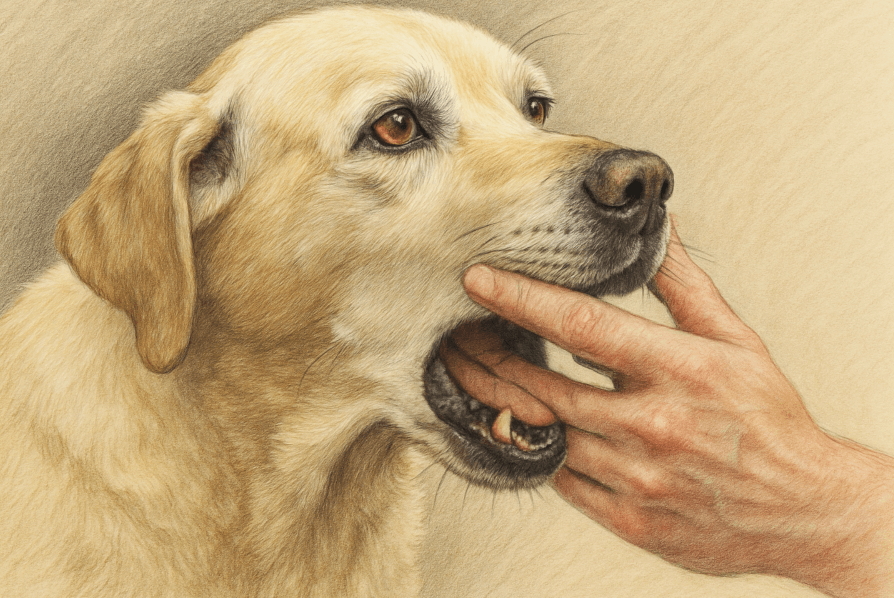

How to Stop an Old Dog from Barking
As dogs age, their behavior can change, and excessive barking is a common issue that many pet owners face. Whether your senior dog is barking out of boredom, anxiety, or habit, it’s important to address the problem with patience and understanding. Excessive barking not only disrupts your peace but may also indicate underlying issues that need attention. Fortunately, there are several effective strategies to help your old dog calm down and reduce unnecessary noise. In this blog post, we’ll explore practical tips, training techniques, and lifestyle adjustments to stop your senior dog from barking excessively while ensuring their comfort and well-being.
Expert Insight on Addressing Dog Barking
“The first and most important step is to determine what is triggering your dog’s barking. Removing or reducing the trigger can help you deal with the behavior. For example, if your dog is barking because they are bored, you need to ensure that they are getting enough physical and mental exercise.”
Common Reasons Why Older Dogs Bark
Understanding why your old dog is barking is the first step toward solving the problem. Dogs bark for various reasons, and identifying the root cause will help you address it effectively.
Hearing Loss:
As dogs age, they may experience hearing loss, causing them to bark more due to confusion or frustration.Anxiety or Stress:
Changes in routine, environment, or health can trigger anxiety, leading to increased vocalization.Boredom or Lack of Stimulation:
Senior dogs may bark out of boredom if they aren’t mentally or physically engaged enough.Pain or Discomfort:
Underlying medical conditions like arthritis or dental pain can make your dog more vocal as a way to express discomfort.Territorial Behavior:
Older dogs may feel the need to “protect” their space more intensely, especially if they sense vulnerability due to aging.
By pinpointing the reason behind your dog’s barking, you can tailor your approach to meet their specific needs and reduce unnecessary noise.
Effective Training Techniques to Stop Barking
Training is key to managing your senior dog’s barking behavior. While older dogs may take longer to learn new habits, consistency and positive reinforcement can yield great results.
Teach the “Quiet” Command:
Use treats and praise to reward your dog when they stop barking on command. Repeat this process until they associate “quiet” with stopping.Redirect Their Attention:
Distract your dog with toys, puzzles, or commands like “sit” or “stay” whenever they start barking unnecessarily.Use Positive Reinforcement:
Reward calm behavior with treats, affection, or playtime to encourage your dog to remain quiet.Practice Desensitization:
Gradually expose your dog to triggers (like doorbells or strangers) at low intensity, rewarding them for staying calm.Be Patient and Consistent:
Older dogs may require more time to unlearn habits, so avoid punishment and focus on gentle, consistent training.
With these techniques, you can help your senior dog develop better communication habits while strengthening your bond.
Check this guide 👉What Is Debarking a Dog? Best 7 Expert Tips!
Check this guide 👉How to Make My Dog Stop Barking When I Leave: Best 7 Tips!
Check this guide 👉Why Does My Dog Bark in His Sleep? Best 7 Expert Tips!
Prevention Tips for Barking | Signs Your Dog Needs Help |
|---|---|
Provide regular mental stimulation | Increased barking without obvious cause |
Maintain a consistent daily routine | Signs of pain, such as limping or whining |
Address separation anxiety early | Restlessness or pacing around the house |
Schedule regular vet check-ups | Changes in appetite or sleep patterns |
Create a calm, safe environment | Reacting aggressively to familiar people |
Lifestyle Adjustments to Reduce Barking
Sometimes, simple changes to your dog’s environment or routine can significantly reduce excessive barking. These adjustments focus on improving their overall quality of life.
Increase Physical Activity:
Even short walks or gentle play sessions can tire your senior dog and reduce barking caused by pent-up energy.Provide Mental Stimulation:
Puzzle toys, scent games, or interactive feeders keep your dog’s mind occupied and prevent boredom-related barking.Create a Calm Environment:
Use white noise machines or calming music to mask sounds that might trigger barking, such as traffic or doorbells.Stick to a Routine:
Predictable schedules for feeding, walking, and bedtime help older dogs feel secure and less likely to bark out of anxiety.Limit Exposure to Triggers:
If certain stimuli (like delivery people or other animals) provoke barking, try to minimize your dog’s exposure to them.
These lifestyle tweaks can make a big difference in managing your dog’s barking behavior while enhancing their comfort.
When to Seek Professional Help
If your efforts to stop your old dog from barking aren’t working, it may be time to consult a professional. Certain situations require expert guidance to ensure your dog’s well-being.
Persistent Anxiety or Fear:
If your dog seems constantly on edge or fearful, a veterinary behaviorist can help identify solutions.Underlying Medical Issues:
Excessive barking could signal pain or illness, so schedule a vet visit to rule out health problems.Ineffective Training Attempts:
A certified dog trainer can provide personalized strategies tailored to your dog’s unique needs.Sudden Behavioral Changes:
Any abrupt increase in barking should be evaluated by a vet to determine if it’s linked to cognitive decline or other conditions.Aggression Accompanying Barking:
If your dog displays aggressive behaviors alongside barking, seek professional help immediately to ensure safety.
Reaching out to experts ensures your dog receives the care and support they need to thrive.
Tips for Managing Separation Anxiety in Older Dogs
Separation anxiety is a common cause of barking in senior dogs, especially as they grow more attached to their owners. Here are some tips to manage this issue effectively.
Gradual Departures:
Leave your dog alone for short periods initially, gradually increasing the duration to help them adjust.Create a Safe Space:
Designate a cozy area with their bed, toys, and familiar scents to make them feel secure when you’re away.Use Calming Products:
Pheromone diffusers or calming sprays can soothe anxious dogs and reduce barking.Provide Distractions:
Leave puzzle toys or treat-dispensing gadgets to keep your dog occupied while you’re gone.Avoid Emotional Goodbyes:
Keep departures and arrivals low-key to prevent reinforcing anxious behavior.
Managing separation anxiety reduces stress-related barking and improves your dog’s overall well-being.
Health Conditions That May Cause Excessive Barking
Excessive barking in older dogs can sometimes be a symptom of an underlying health issue. Recognizing these conditions helps you address the root cause promptly.
Arthritis or Joint Pain:
Painful joints may cause your dog to vocalize more frequently, especially during movement.Dental Problems:
Toothaches or gum disease can lead to increased barking as your dog expresses discomfort.Hypothyroidism:
This condition can cause behavioral changes, including heightened irritability and vocalization.Vision or Hearing Loss:
Sensory impairments may confuse your dog, resulting in more frequent barking.Cognitive Decline:
Age-related cognitive issues can manifest as disorientation or restlessness, leading to barking.
Addressing these health concerns ensures your dog feels better and barks less.
Fun Activities to Keep Your Senior Dog Engaged
Engaging your senior dog in fun activities not only reduces barking but also enriches their life. Here are some ideas to keep them entertained.
Gentle Walks:
Short, leisurely walks provide physical exercise and mental stimulation without overexertion.Sniffing Adventures:
Allow your dog to explore new scents in a safe, fenced area to satisfy their natural curiosity.Interactive Toys:
Toys that dispense treats or challenge their problem-solving skills keep their minds sharp.Training Sessions:
Teach simple tricks or reinforce existing commands to boost their confidence and focus.Relaxation Time:
Spend quality time cuddling or massaging your dog to strengthen your bond and promote relaxation.
These activities ensure your senior dog stays happy, healthy, and less prone to barking.
Frequently Asked Questions About Stopping Old Dog Barking
Why does my old dog bark at night?
Nighttime barking may result from anxiety, hearing loss, or discomfort. Ensure their sleeping area is comfortable and free of disturbances.
Can I use a bark collar on my senior dog?
Bark collars are not recommended, especially for older dogs, as they can cause stress or confusion. Focus on positive reinforcement instead.
What if my dog barks during walks?
Redirect their attention with treats or commands and gradually desensitize them to triggers like passing cars or other dogs.
Is excessive barking a sign of dementia in dogs?
Yes, cognitive dysfunction syndrome (CDS) in senior dogs can lead to increased vocalization. Consult your vet for diagnosis and treatment options.
How long does it take to train an old dog to stop barking?
Training duration varies depending on the dog’s personality and the severity of the issue. Consistency and patience are key.
Helping Your Senior Dog Find Peace and Quiet
Stopping an old dog from barking requires empathy, patience, and a willingness to adapt to their changing needs. By understanding the reasons behind their vocalizations and implementing practical strategies, you can create a calmer, happier environment for both you and your furry friend. Remember, every dog is unique, and what works for one may not work for another. With love, consistency, and possibly professional guidance, you can help your senior dog enjoy their golden years in comfort and harmony.
Is Rawhide Bad for Cats? Best 7 Expert Tips! – Discover the risks, safe alternatives, and expert advice to keep your feline friend healthy and happy.

Is Rawhide Bad for Dogs? Best 7 Expert Tips! – Discover the risks, benefits, and safer alternatives to rawhides for your dog’s chewing needs.

Understanding Anorexia in Cats: Best 7 Expert Tips! – Learn why cats stop eating, spot warning signs, and discover how to help your feline regain appetite safely.

Understanding Anorexia in Dogs: Best 7 Expert Tips! – Learn causes, symptoms, and solutions to help your dog regain appetite and stay healthy.