
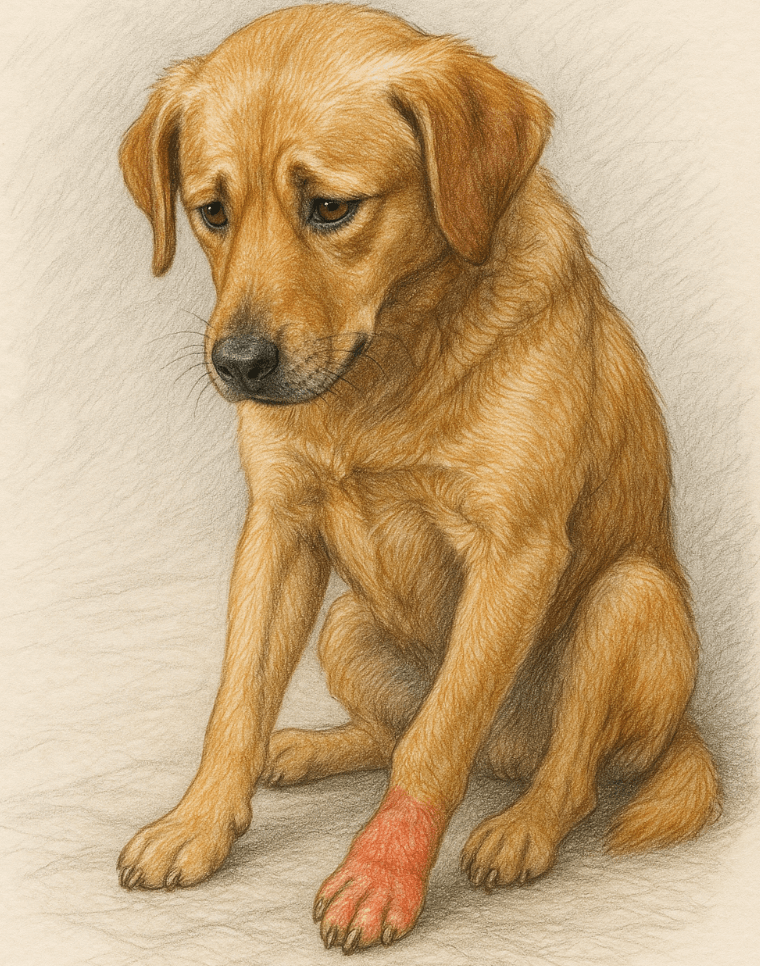

Dog Sprained Ankle: What You Need to Know
A sprained ankle in dogs is more common than you might think, especially among active and adventurous pups. Whether your dog loves running, jumping, or exploring the great outdoors, accidents can happen, leading to strains or sprains in their joints. While a sprained ankle isn’t usually life-threatening, it can cause significant discomfort and affect your dog’s mobility. Understanding the signs, treatment options, and preventive measures is crucial for ensuring your furry friend recovers quickly and comfortably. In this blog post, we’ll explore everything you need to know about managing a dog sprained ankle, from initial care to long-term recovery tips.
Expert Insight on Sprain Injuries in Dogs
“Sprain injuries occur when the ligaments are stretched or torn. Ligaments are the tough bands of fibrous tissue that connect bones together. Dogs tend to suffer sprains after high-impact exercise such as running, jumping, or playing with another dog. They can also occur following a slip, trip, or fall.”
Signs Your Dog May Have a Sprained Ankle
Recognizing the symptoms of a sprained ankle early can make a big difference in your dog’s recovery. Look out for these telltale signs that indicate your pup may be dealing with an injury.
Limping or Favoring One Leg:
If your dog is avoiding putting weight on a specific leg, it could be a sign of a sprain or strain.Swelling Around the Joint:
Check for any visible swelling or puffiness near the ankle, as this often accompanies soft tissue injuries.Reluctance to Move or Play:
A decrease in activity levels or unwillingness to engage in physical activities may signal pain or discomfort.Whining or Vocalizing Pain:
Dogs may whimper, whine, or yelp when attempting to move the injured limb, indicating sensitivity in the area.Difficulty Standing or Walking:
Struggling to stand up or walk normally can point to a more severe sprain requiring immediate attention.
If you notice any of these signs, it’s important to act quickly to prevent further damage and ensure proper healing.
First Aid Steps for a Dog Sprained Ankle
When you suspect your dog has sprained their ankle, providing prompt first aid can help reduce pain and swelling while you prepare for professional evaluation.
Rest and Limit Movement:
Keep your dog calm and restrict their activity to prevent worsening the injury.Apply a Cold Compress:
Use a cold pack wrapped in a towel and apply it to the affected area for 10-15 minutes to reduce inflammation.Elevate the Injured Leg:
If possible, gently elevate the leg above heart level to minimize swelling during rest periods.Avoid Heat Application Initially:
Applying heat too soon can increase inflammation, so stick to cold therapy for the first 24-48 hours.Monitor for Improvement:
Observe your dog’s condition closely over the next day or two to determine if the injury is improving or requires veterinary care.
Taking these steps can provide temporary relief and set the stage for a smoother recovery process.
Check this guide 👉Dog Leg Swollen: Best 7 Health Tips!
Check this guide 👉What Does a Broken Dog Leg Look Like? Best 7 Expert Tips!
Check this guide 👉Why Does My Dog Stand Between My Legs? Best 7 Tips!
Symptoms of a Sprained Ankle | Treatment Options for Recovery |
|---|---|
Limping or favoring one leg | Rest and restricted activity |
Swelling around the joint | Cold compress application |
Reluctance to move or play | Anti-inflammatory medications (vet-prescribed) |
Whining or vocalizing pain | Physical therapy exercises |
Difficulty standing or walking | Supportive braces or wraps |
Preventing Future Ankle Sprains in Dogs
While accidents can’t always be avoided, there are practical steps you can take to minimize the risk of your dog spraining their ankle again.
Provide Safe Play Areas:
Ensure your dog plays in secure environments free of hazards like uneven terrain or sharp objects.Warm-Up Before Exercise:
Gradually increase activity levels before intense exercise to prepare muscles and joints for movement.Maintain a Healthy Weight:
Excess weight puts additional strain on joints, increasing the likelihood of injuries like sprains.Use Protective Gear:
Consider booties or braces for dogs prone to joint issues, especially during outdoor adventures.Regular Veterinary Check-Ups:
Routine vet visits can help identify underlying conditions that may predispose your dog to sprains.
By implementing these preventive measures, you can help keep your dog active and injury-free for years to come.
Rehabilitation Exercises for a Sprained Ankle
Once your dog’s sprain begins to heal, gentle rehabilitation exercises can aid in restoring strength and flexibility to the injured ankle.
Controlled Leash Walks:
Short, slow walks on a leash allow your dog to gradually rebuild strength without overexertion.Range-of-Motion Stretches:
Gently guide your dog’s paw through controlled movements to improve joint mobility and flexibility.Balance Training:
Use balance boards or cushions to strengthen stabilizing muscles around the ankle.Low-Impact Swimming:
Swimming provides excellent cardiovascular exercise without putting pressure on the injured joint.Gradual Return to Normal Activity:
Slowly reintroduce higher-intensity activities once your veterinarian confirms full recovery.
These exercises, combined with patience and consistency, can accelerate your dog’s return to their playful self.
Common Mistakes to Avoid During Recovery
Mistakes during the recovery phase can delay healing or worsen the injury. Here are some pitfalls to avoid when caring for a dog with a sprained ankle.
Allowing Too Much Activity Too Soon:
Pushing your dog back into high-energy activities prematurely can re-injure the ankle.Skipping Follow-Up Vet Visits:
Regular check-ins ensure the injury is healing correctly and allow adjustments to the treatment plan.Using Human Medications:
Over-the-counter drugs like ibuprofen can be toxic to dogs and should never be administered without vet approval.Neglecting Weight Management:
Failing to address excess weight can slow recovery and increase stress on the injured joint.Ignoring Signs of Worsening Symptoms:
Persistent limping, swelling, or pain indicates the need for immediate veterinary attention.
Avoiding these mistakes ensures your dog stays on track for a speedy recovery.
Natural Remedies to Support Healing
In addition to conventional treatments, natural remedies can complement your dog’s recovery from a sprained ankle.
Turmeric Supplements:
Known for its anti-inflammatory properties, turmeric can help reduce swelling and promote healing.Omega-3 Fatty Acids:
Found in fish oil, these nutrients support joint health and reduce inflammation naturally.Herbal Poultices:
Certain herbs like arnica or comfrey can be applied topically to soothe sore joints (consult your vet first).Massage Therapy:
Gentle massage improves circulation and helps relax tense muscles around the injured area.Proper Nutrition:
A balanced diet rich in vitamins and minerals supports overall joint health and accelerates recovery.
These natural approaches can enhance traditional treatments and aid in your dog’s healing journey.
Understanding Your Dog’s Risk Factors for Sprains
Some dogs are more prone to sprains due to breed characteristics, age, or lifestyle factors. Identifying these risks can help you take proactive steps to protect your pup.
Active Breeds:
High-energy breeds like Border Collies or Labrador Retrievers are more likely to sustain injuries during vigorous play.Senior Dogs:
Aging joints lose elasticity and strength, making older dogs more susceptible to sprains.Overweight Pets:
Excess body weight increases stress on joints, raising the risk of strains and sprains.Previous Injuries:
Dogs with a history of joint problems may have weaker ligaments, predisposing them to re-injury.Uneven Terrain Exposure:
Frequent hikes or runs on rocky or uneven surfaces heighten the chances of twisting an ankle.
Understanding these factors allows you to tailor preventive strategies to your dog’s unique needs.
Frequently Asked Questions About Dog Sprained Ankles
How long does it take for a dog’s sprained ankle to heal?
Mild sprains typically heal within 1-2 weeks, while more severe cases may require 4-6 weeks or longer.
Can I give my dog pain medication for a sprain?
Never administer human painkillers; consult your vet for safe, pet-specific medications.
Should I use a brace or wrap for my dog’s sprained ankle?
Never administer human painkillers; consult your vet for safe, pet-specific medications.
Is surgery ever needed for a sprained ankle?
Surgery is rare for sprains unless ligaments are severely torn or other complications arise.
What happens if a sprain goes untreated?
Untreated sprains can lead to chronic pain, arthritis, or permanent joint damage over time.
Supporting Your Dog Through Recovery
A sprained ankle can be a frustrating setback for both you and your furry companion, but with the right approach, your dog can recover fully and return to their happy, active lifestyle. By recognizing the signs early, providing appropriate care, and following your veterinarian’s advice, you can ensure a smooth healing process. Remember, patience and attentiveness are key—your dog relies on you to advocate for their well-being every step of the way. With love, dedication, and a little extra TLC, your pup will bounce back stronger than ever.
Bergamasco Bernese Mountain Mix: Best 7 Expert Tips! – Learn about this unique hybrid’s traits, care needs, and why it’s a perfect family companion.
Bergamasco Dalmatian Mix: Best 7 Expert Tips! – Discover the perfect blend of loyalty and energy with this unique hybrid’s care, traits, and training insights.
Bergamasco German Shepherd Mix: Best 7 Expert Tips! – Discover the perfect blend of loyalty, intelligence, and versatility with this unique hybrid breed. Ideal for active families!
Bergamasco Malinois Mix: Best 7 Expert Tips! – Discover the perfect blend of loyalty, energy, and unique beauty with this remarkable hybrid breed.


