
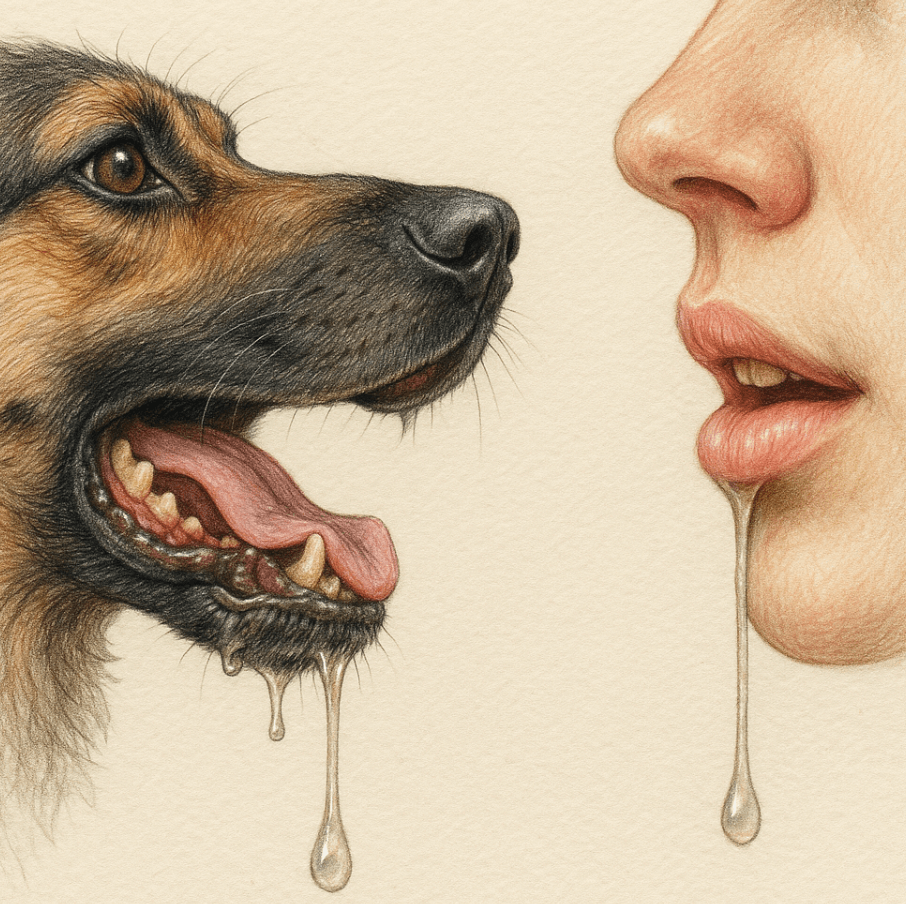

Dog Saliva vs Human Saliva: What’s the Difference?
Saliva plays a vital role in maintaining oral health and aiding digestion, but did you know that dog saliva and human saliva are quite different? While both serve essential functions, their composition, purpose, and even cultural perceptions vary significantly. For instance, many people believe that a dog’s lick can “heal” wounds, while others worry about the bacteria present in their slobber. Understanding these differences not only satisfies curiosity but also helps pet owners make informed decisions about their furry friends’ health and hygiene. In this blog post, we’ll delve into the science behind dog and human saliva, exploring their unique characteristics and dispelling common myths along the way.
Key Differences Between Dog and Human Saliva
While both species produce saliva to aid digestion and protect oral health, there are notable distinctions between dog and human saliva. These differences highlight how each species has evolved to meet its unique needs.
Enzyme Composition:
Human saliva contains amylase, an enzyme that begins breaking down starches. Dogs have limited amylase activity, reflecting their carnivorous ancestry.Bacterial Content:
Dog saliva harbors different types of bacteria compared to humans, some of which can be harmful if transmitted through licking.pH Levels:
The pH of dog saliva is slightly more alkaline than human saliva, which may help reduce bacterial growth in their mouths.Wound-Licking Behavior:
Dogs instinctively lick wounds due to minor antibacterial properties in their saliva, though this isn’t as effective as modern medical treatments.Volume Produced:
Dogs tend to produce more saliva than humans, especially during excitement or anticipation of food, leading to drooling in certain breeds.
These differences underscore the evolutionary adaptations that make dog and human saliva uniquely suited to each species’ lifestyle.
Health Implications of Dog Saliva for Humans
While dogs often show affection by licking, their saliva can pose risks to human health if proper precautions aren’t taken. Here’s what you need to know about the potential effects of dog saliva on humans.
Zoonotic Diseases:
Certain bacteria in dog saliva, such as Capnocytophaga, can cause infections in humans, particularly those with weakened immune systems.Allergic Reactions:
Some individuals may develop skin irritation or allergic responses after contact with dog saliva.Oral Hygiene Concerns:
Allowing dogs to lick your face or mouth can introduce harmful bacteria, increasing the risk of gum disease or other oral issues.Transmission Through Open Wounds:
Licking an open cut or sore can lead to infection, emphasizing the importance of keeping injuries clean and covered.Preventive Measures:
Washing hands after handling pets and avoiding close facial contact can minimize health risks associated with dog saliva.
Understanding these implications ensures safer interactions between humans and their canine companions.
Check this guide 👉Is Salvia Toxic to Dogs? Best 7 Health Tips!
Check this guide 👉Symptoms of Albuterol Toxicity in Dogs: Best 7 Expert Tips!
Check this guide 👉Are Ferns Toxic to Dogs? Best 7 Expert Tips!
Properties of Dog Saliva | Properties of Human Saliva |
|---|---|
Contains fewer digestive enzymes | Rich in amylase for starch digestion |
More alkaline pH | Neutral to slightly acidic pH |
Higher bacterial diversity | Lower bacterial diversity |
Antibacterial compounds present | Primarily focused on lubrication |
Often linked to wound-licking habits | Used mainly for speech and chewing |
Benefits of Dog Saliva for Dogs Themselves
Despite concerns about its impact on humans, dog saliva offers several benefits to dogs themselves. These advantages reflect the natural functions of their saliva within their bodies.
Antimicrobial Properties:
Dog saliva contains small amounts of lysozyme, which can help combat bacteria in minor wounds.Cooling Mechanism:
Panting, combined with saliva evaporation, helps regulate body temperature in hot weather.Lubrication for Swallowing:
Saliva aids in swallowing dry kibble or large chunks of food, ensuring smooth digestion.Oral Health Maintenance:
Regular production of saliva helps wash away food particles and reduce plaque buildup.Bonding Through Licking:
Licking reinforces social bonds among dogs and between dogs and their human family members.
These benefits demonstrate how dog saliva supports their overall well-being and social interactions.
Myths About Dog Saliva Debunked
There are numerous misconceptions surrounding dog saliva, ranging from its supposed healing powers to its cleanliness. Let’s separate fact from fiction.
“Dog Saliva Heals Wounds”:
While it has mild antibacterial properties, dog saliva cannot replace proper wound care or medical treatment.“Dog Saliva Is Cleaner Than Human Saliva”:
This is a myth—dog saliva contains different bacteria, some of which can be harmful to humans.“Licking Helps Prevent Infections”:
Excessive licking can actually irritate wounds further, delaying healing rather than promoting it.“Dogs Only Drool When They’re Sick”:
Many breeds naturally drool heavily due to loose lip structures, not illness.“Kissing Your Dog Is Harmless”:
While occasional kisses may not harm healthy adults, they carry risks for vulnerable individuals like infants or seniors.
Dispelling these myths promotes better understanding and safer practices around our beloved pets.
Factors That Influence Saliva Production in Dogs
Several factors contribute to variations in saliva production among dogs. Recognizing these influences helps explain why some dogs drool excessively while others remain relatively dry-mouthed.
Breed Characteristics:
Breeds like Bloodhounds and Saint Bernards naturally produce more saliva due to their loose jowls and facial structure.Emotional State:
Excitement, stress, or fear can trigger increased salivation as part of the fight-or-flight response.Dietary Habits:
Consuming dry kibble versus wet food affects saliva production, with drier foods requiring more lubrication.Health Conditions:
Dental problems, nausea, or gastrointestinal disorders can lead to abnormal salivation patterns.Environmental Stimuli:
Smells, sights, or sounds associated with food can stimulate saliva production in anticipation of eating.
Understanding these factors provides valuable context for managing your dog’s oral health and behavior.
Tips for Managing Excessive Drooling in Dogs
Excessive drooling can be messy and concerning, but there are practical steps you can take to manage it effectively.
Regular Dental Checkups:
Schedule routine cleanings to address any underlying oral health issues contributing to excessive drooling.Provide Chew Toys:
Chewing stimulates saliva flow in a controlled manner, reducing random drooling episodes.Use Protective Gear:
Bandanas or specially designed bibs can catch excess drool, keeping furniture and clothing clean.Monitor Diet Changes:
Switching to easily digestible foods may alleviate drooling caused by dietary sensitivities.Reduce Anxiety Triggers:
Identify and eliminate stressors in your dog’s environment to minimize anxiety-related drooling.
Implementing these strategies keeps drooling under control while enhancing your dog’s comfort.
The Role of Saliva in Maintaining Oral Health
Saliva plays a crucial role in preserving oral hygiene for both dogs and humans. Its protective functions extend beyond mere lubrication.
Neutralizing Acids:
Saliva helps neutralize acids produced by bacteria, reducing the risk of tooth decay and enamel erosion.Flushing Away Debris:
Constant saliva flow washes away food particles and prevents plaque accumulation.Remineralizing Teeth:
Minerals in saliva, such as calcium and phosphate, strengthen tooth enamel over time.Supporting Tissue Repair:
Growth factors in saliva promote healing of oral tissues after injury or irritation.Enhancing Taste Perception:
Saliva dissolves food molecules, allowing taste buds to detect flavors more effectively.
By appreciating these roles, we gain a deeper appreciation for the importance of saliva in maintaining overall oral health.
Frequently Asked Questions About Dog and Human Saliva
Is it safe to let my dog lick me?
Occasional licks are generally fine for healthy adults, but avoid letting them lick your face if you have open wounds or a compromised immune system.
Why do dogs lick so much?
Dogs lick for various reasons, including grooming, showing affection, exploring scents, or seeking attention.
Can dog saliva transmit diseases to humans?
Yes, certain bacteria in dog saliva can cause infections, particularly in immunocompromised individuals.
How can I reduce my dog’s excessive drooling?
Address underlying causes such as anxiety, motion sickness, or dental issues; consult your vet if necessary.
Does dog saliva really have healing properties?
It has mild antibacterial effects, but professional medical care is far more effective for treating wounds.
Understanding the Role of Saliva in Dogs and Humans
Exploring the differences between dog saliva and human saliva reveals fascinating insights into how each species has adapted to its environment. From aiding digestion to supporting oral health, saliva serves critical functions in both dogs and humans. However, understanding its limitations and potential risks is equally important for fostering a harmonious relationship with our four-legged friends. By staying informed and taking preventive measures, we can enjoy the companionship of our pets while safeguarding our health. After all, knowledge empowers us to cherish every slobbery kiss—or politely decline it—with confidence.
Is Rawhide Bad for Cats? Best 7 Expert Tips! – Discover the risks, safe alternatives, and expert advice to keep your feline friend healthy and happy.

Is Rawhide Bad for Dogs? Best 7 Expert Tips! – Discover the risks, benefits, and safer alternatives to rawhides for your dog’s chewing needs.

Understanding Anorexia in Cats: Best 7 Expert Tips! – Learn why cats stop eating, spot warning signs, and discover how to help your feline regain appetite safely.

Understanding Anorexia in Dogs: Best 7 Expert Tips! – Learn causes, symptoms, and solutions to help your dog regain appetite and stay healthy.