
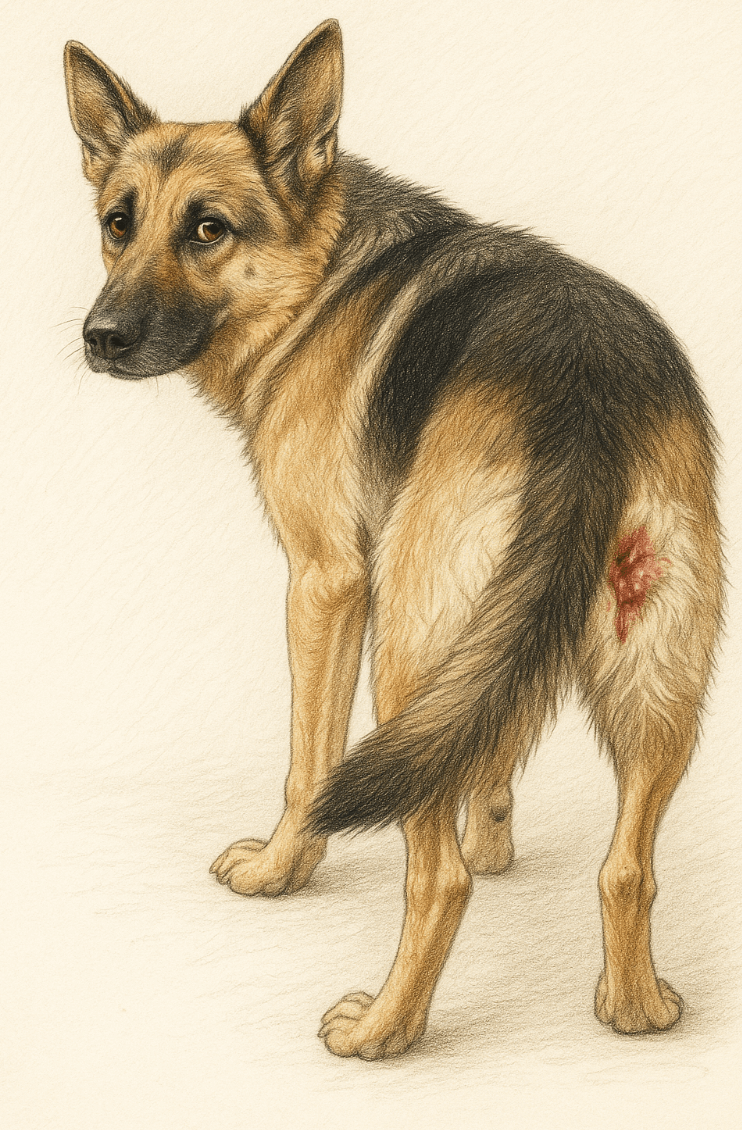

Causes of Perianal Fistulas in Dogs
Perianal fistulas are a painful and distressing condition that affects many dogs, particularly certain breeds. These abnormal tunnel-like lesions form around the anus, causing discomfort, infection, and significant challenges for both pets and their owners. Understanding the causes of perianal fistulas is crucial for early detection, effective treatment, and prevention. While the exact cause can vary, factors such as genetics, immune system dysfunction, and environmental triggers often play a role. This blog post dives into the potential causes of perianal fistulas in dogs, offering insights to help you better care for your furry friend and minimize their risk of developing this condition.
Expert Opinion on Perianal Fistulas in Dogs
“The anal glands, also known as anal sacs, may or may not be involved. Infection of these sacs may lead to an increased risk in developing perianal fistulas. Many dogs with fistulas will also develop colitis, an inflammation of the colon.”
Perianal Fistula in Dogs
Several factors contribute to the development of perianal fistulas in dogs. Identifying these causes can help pet owners take proactive steps to manage their dog’s health.
Genetic Predisposition:
Certain breeds, such as German Shepherds, are more prone to perianal fistulas due to their genetic makeup. This suggests a hereditary component to the condition.Immune-Mediated Disorders:
An overactive immune response may lead to inflammation and tissue damage around the anal area, creating an environment conducive to fistula formation.Chronic Inflammation:
Persistent irritation or infection in the anal glands can escalate into chronic inflammation, increasing the likelihood of fistulas.Poor Anal Gland Health:
Impacted or infected anal glands are a common precursor to perianal fistulas, as they create localized pressure and tissue breakdown.Environmental Factors:
Stress, poor hygiene, and exposure to allergens or irritants can exacerbate underlying conditions, contributing to fistula development.
Recognizing these primary causes allows veterinarians and pet owners to address risk factors more effectively, reducing the chances of perianal fistulas occurring.
Breed-Specific Risk Factors for Perianal Fistulas
While any dog can develop perianal fistulas, certain breeds are disproportionately affected. Understanding breed-specific risks can aid in early diagnosis and tailored care.
German Shepherds:
This breed is most commonly associated with perianal fistulas, likely due to their unique skin structure and immune system tendencies.Labrador Retrievers:
Labs are prone to obesity, which can increase pressure on the anal area and contribute to fistula formation.Cocker Spaniels:
Their susceptibility to skin infections and allergies makes them more vulnerable to perianal issues.Collies:
Collies often have sensitive skin, which can predispose them to chronic irritation and subsequent fistulas.Mixed-Breed Dogs:
While less common, mixed-breed dogs with genetic traits from high-risk breeds may also develop perianal fistulas.
By understanding breed-specific predispositions, pet owners can take preventive measures and remain vigilant for early signs of trouble.
Check this guide 👉Anal Gland Cancer in Dogs: Best 7 Expert Tips!
Check this guide 👉How to Tell if a Dogs Anal Glands Are Full: Best 7 Tips!
Check this guide 👉Signs Your Dog Needs Anal Glands Expressed: Best 7 Tips
Risk Factors for Perianal Fistulas | Preventive Measures |
|---|---|
Genetic predisposition | Regular vet check-ups for high-risk breeds |
Immune system dysfunction | Balanced diet to support immune health |
Chronic anal gland issues | Routine anal gland expression if needed |
Obesity | Maintaining a healthy weight through diet |
Poor hygiene | Keeping the anal area clean and dry |
Lifestyle Factors That May Contribute to Perianal Fistulas
A dog’s daily habits and environment can significantly influence their risk of developing perianal fistulas. Addressing these lifestyle factors can promote overall health and prevent complications.
Inadequate Exercise:
Lack of physical activity can lead to obesity and poor circulation, both of which increase the risk of perianal issues.Improper Diet:
Diets low in fiber can cause constipation, straining during bowel movements, and subsequent anal gland problems.Allergies and Skin Conditions:
Dogs with allergies often experience itchy, irritated skin, which can worsen the risk of infection and fistulas.Infrequent Grooming:
Neglecting regular grooming can allow dirt and bacteria to accumulate around the anal area, leading to infections.Stress and Anxiety:
Chronic stress weakens the immune system, making dogs more susceptible to inflammatory conditions like perianal fistulas.
By addressing these lifestyle factors, pet owners can create a healthier environment for their dogs and reduce the likelihood of perianal fistulas.
Common Symptoms to Watch For
Early detection of perianal fistulas is essential for timely intervention. Be on the lookout for these symptoms, which may indicate the presence of this condition.
Excessive Licking or Chewing:
Dogs often lick or chew at the anal area in an attempt to relieve discomfort caused by fistulas.Foul Odor:
A strong, unpleasant smell near the anus may signal an infection or abscess related to fistulas.Swelling or Redness:
Visible swelling, redness, or open sores around the anal region are common signs of perianal fistulas.Difficulty Defecating:
Pain and inflammation can make bowel movements uncomfortable or painful for affected dogs.Behavioral Changes:
Dogs may become irritable, lethargic, or withdrawn due to the discomfort caused by the condition.
Recognizing these symptoms early allows for prompt veterinary care, improving outcomes for your dog.
Steps to Prevent Perianal Fistulas in High-Risk Breeds
If your dog belongs to a breed prone to perianal fistulas, taking preventive measures is essential. Here are some actionable steps to reduce their risk.
Regular Vet Check-Ups:
Schedule routine examinations to monitor your dog’s anal gland health and catch early warning signs.Balanced Nutrition:
Feed a high-quality diet rich in fiber to support digestive health and regular bowel movements.Weight Management:
Keep your dog at a healthy weight to reduce pressure on the anal area and minimize complications.Anal Gland Maintenance:
Have your vet express your dog’s anal glands regularly if they tend to become impacted.Hygiene Practices:
Clean your dog’s anal area gently after bowel movements to prevent irritation and infection.
These preventive strategies can significantly lower the risk of perianal fistulas in high-risk breeds.
Treatment Options for Perianal Fistulas
If your dog develops perianal fistulas, several treatment options are available to alleviate symptoms and promote healing.
Medications:
Anti-inflammatory drugs and antibiotics can reduce swelling and fight infections associated with fistulas.Surgical Intervention:
In severe cases, surgery may be necessary to remove damaged tissue and repair the affected area.Topical Treatments:
Medicated creams or ointments can soothe irritation and speed up the healing process.Dietary Adjustments:
Switching to a hypoallergenic or fiber-rich diet can improve digestion and reduce strain on the anal area.Laser Therapy:
Laser treatments are sometimes used to stimulate healing and reduce inflammation in affected tissues.
Consult your veterinarian to determine the best course of action for your dog’s specific needs.
The Role of Immune System Health in Perianal Fistulas
The immune system plays a critical role in the development and progression of perianal fistulas. Supporting your dog’s immune health can help manage this condition effectively.
Probiotics:
Adding probiotics to your dog’s diet can improve gut health and strengthen their immune response.Omega-3 Fatty Acids:
Supplements rich in omega-3s can reduce inflammation and support skin health.Stress Reduction:
Minimizing stress through exercise, mental stimulation, and a calm environment can boost immune function.Vaccinations and Parasite Control:
Keeping your dog up-to-date on vaccinations and parasite prevention reduces the burden on their immune system.Avoiding Allergens:
Identify and eliminate potential allergens in your dog’s environment to prevent immune system overreactions.
By prioritizing immune health, you can help your dog better manage perianal fistulas and improve their overall quality of life.
Frequently Asked Questions About Perianal Fistulas in Dogs
What causes perianal fistulas in dogs?
Perianal fistulas are often caused by a combination of genetic, immune-related, and environmental factors, including chronic inflammation and poor anal gland health.
Which breeds are most at risk?
German Shepherds are the most commonly affected breed, but other breeds like Labrador Retrievers and Cocker Spaniels may also be predisposed.
How can I prevent perianal fistulas?
Maintain good hygiene, provide a balanced diet, and schedule regular vet visits to monitor your dog’s anal gland health.
Are perianal fistulas treatable?
Yes, treatments such as medication, surgery, and dietary changes can help manage and heal perianal fistulas, though recurrence is possible.
Can diet affect my dog’s risk of perianal fistulas?
Absolutely. A high-fiber diet and proper hydration can promote healthy bowel movements and reduce strain on the anal area.
Understanding and Managing Perianal Fistulas in Dogs
Perianal fistulas are a challenging condition that requires careful attention and management. By understanding the causes—from genetic predispositions to lifestyle factors—you can take meaningful steps to protect your dog’s health. Early detection, proper veterinary care, and preventive measures are key to minimizing the impact of this condition. Remember, your dog relies on you to advocate for their well-being, so staying informed and proactive is the best way to ensure they live a happy, healthy life free from unnecessary discomfort.
Understanding Bone Supplement for Cats: Best 7 Expert Tips! – Safe, vet-approved guidance for strong feline bones & balanced nutrition.
Bone Supplement for Dogs: Best 7 Expert Tips! – Expert guide to calcium, collagen & bone health for every life stage.
Understanding Can Cats Get Sunburn: Best 7 Expert Tips! – Protect your feline from UV damage with vet-backed prevention strategies.
How to Train a Seizure Alert Dog: Best 7 Expert Tips! – Learn expert-backed steps to nurture natural instincts into reliable, life-saving seizure alerts.


