
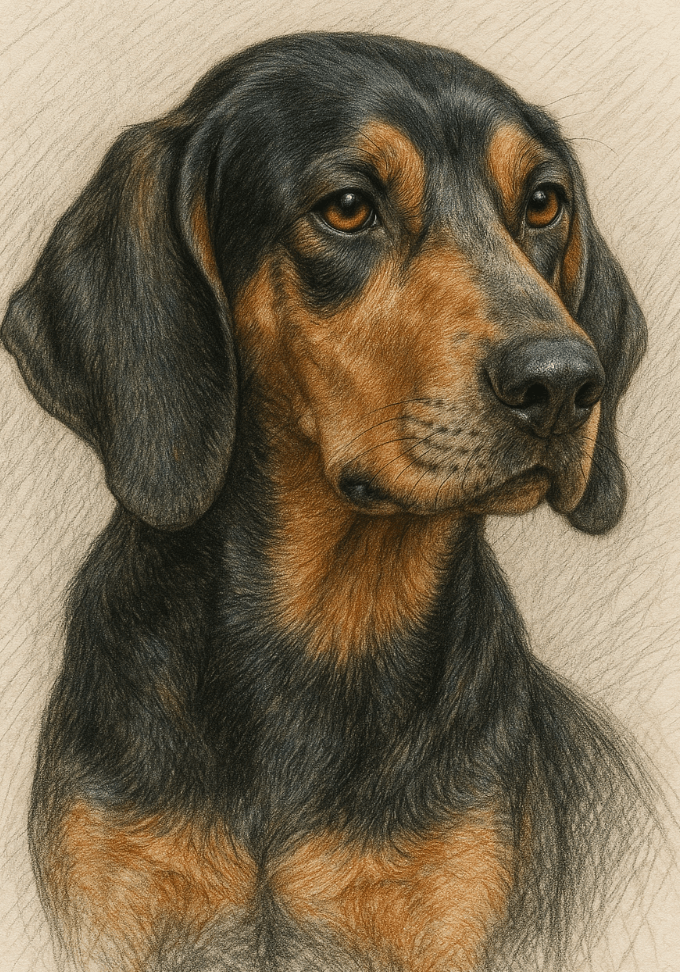

The Carolina Coon Dog: Best 7 Expert Tips!

The Carolina Coon Dog: Best 7 Expert Tips!

The Carolina Coon Dog: A True Southern Hunting Legend


The Carolina Coon Dog, often celebrated as a symbol of Southern tradition and hunting prowess, is a remarkable breed known for its unmatched skills in tracking and treeing raccoons. These dogs are not just hunters but also loyal companions, deeply ingrained in the culture of rural America.

With their sharp instincts, boundless energy, and unique ability to work seamlessly with humans, Carolina Coon Dogs have earned a special place in the hearts of hunters and dog enthusiasts alike. In this blog post, we’ll explore everything you need to know about this iconic breed, from their origins and characteristics to training tips and care advice. Whether you’re a seasoned hunter or simply curious about these incredible dogs, there’s something here for everyone to appreciate.

Key Characteristics of the Carolina Coon Dog


The Carolina Coon Dog is a fascinating blend of athleticism, intelligence, and loyalty. Understanding their defining traits can help you determine if this breed is the right fit for your lifestyle.

 
  • Exceptional Scenting Ability:
    Carolina Coon Dogs have an extraordinary sense of smell, allowing them to track raccoons over long distances and challenging terrains.

  • High Energy Levels:
    These dogs thrive on physical activity and require plenty of exercise to stay happy and healthy.

  • Intelligent and Trainable:
    Known for their quick learning abilities, Carolina Coon Dogs respond well to consistent and positive reinforcement during training.

  • Strong Bond with Humans:
    They form deep connections with their owners, making them excellent companions both in the field and at home.

  • Distinct Vocalizations:
    Carolina Coon Dogs are famous for their unique barks and howls, which they use to communicate with hunters during a chase.


These characteristics make the Carolina Coon Dog a versatile and cherished breed, particularly for those who value a dog that excels in both work and companionship.


Training Tips for Your Carolina Coon Dog


Training a Carolina Coon Dog requires patience, consistency, and an understanding of their natural instincts. Here are some practical tips to help you bring out the best in your furry friend.

 
  • Start Early with Socialization:
    Introduce your puppy to different people, animals, and environments to ensure they grow into a well-rounded adult dog.

  • Use Positive Reinforcement:
    Reward good behavior with treats, praise, or playtime to encourage your dog to repeat desired actions.

  • Focus on Obedience First:
    Basic commands like “sit,” “stay,” and “come” are essential before advancing to specialized hunting training.

  • Incorporate Scent Work:
    Leverage their natural scenting abilities by practicing tracking exercises with scented rags or trails.

  • Be Patient with Vocalizations:
    While their barking is part of their charm, gentle correction can help manage excessive noise in non-hunting situations.


With dedication and the right approach, training your Carolina Coon Dog can be a rewarding experience that strengthens your bond.

The Carolina Coon Dog: Best 7 Expert Tips!
Pros of Owning a Carolina Coon Dog
Cons of Owning a Carolina Coon Dog
Excellent hunting companion
Requires significant exercise and space
Loyal and affectionate family pet
Can be vocal and noisy
Intelligent and easy to train
Not ideal for apartment living
Strong work ethic and drive
Needs experienced handling and training
Deeply rooted in Southern tradition
May struggle with prolonged isolation

Caring for Your Carolina Coon Dog’s Health


Proper care is essential to ensure your Carolina Coon Dog lives a long, healthy, and active life. Here are some key aspects of their health and wellness to keep in mind.

 
  • Regular Vet Check-Ups:
    Schedule annual visits to monitor your dog’s overall health and catch any potential issues early.

  • Balanced Diet and Nutrition:
    Feed a high-quality diet rich in protein to support their active lifestyle and muscle development.

  • Exercise and Mental Stimulation:
    Provide daily opportunities for physical activity and mental challenges to prevent boredom and destructive behaviors.

  • Dental Care:
    Brush their teeth regularly and provide chew toys to maintain good oral hygiene and prevent dental diseases.

  • Parasite Prevention:
    Use flea, tick, and heartworm prevention products to protect your dog from harmful parasites.


By prioritizing these health essentials, you can help your Carolina Coon Dog thrive and remain a joyful companion for years to come.

Understanding the Role of the Carolina Coon Dog in Hunting


The Carolina Coon Dog was bred specifically for hunting raccoons, and their role in this activity is both fascinating and vital. Here’s how they contribute to a successful hunt.

 
  • Tracking Skills:
    Their keen sense of smell allows them to follow a raccoon’s trail through dense forests and varied terrains.

  • Treeing Behavior:
    Once they locate the raccoon, they will bark and circle the base of the tree until the hunter arrives.

  • Teamwork with Humans:
    Carolina Coon Dogs work closely with hunters, responding to commands and communicating effectively during the hunt.

  • Adaptability to Terrain:
    These dogs are agile and resilient, capable of navigating rough landscapes without tiring easily.

  • Endurance and Stamina:
    Built for long hunts, they can maintain high energy levels throughout extended periods of activity.


Their unique abilities make Carolina Coon Dogs indispensable partners for hunters seeking a successful coon-hunting experience.

Common Misconceptions About Carolina Coon Dogs


Despite their popularity, several misconceptions surround Carolina Coon Dogs. Clearing these up can help potential owners make informed decisions.

 
  • They Are Aggressive Hunters:
    While they are skilled hunters, they are not inherently aggressive and can be gentle, loving pets when properly trained.

  • They Only Hunt Raccoons:
    Though named for coon hunting, they are versatile and can excel in tracking other game as well.

  • They Don’t Need Training:
    Their natural instincts are strong, but structured training is still crucial for optimal performance and behavior.

  • They Are High-Maintenance Breeds:
    While they require attention, their care needs are manageable with a committed owner.

  • They Aren’t Suitable for Families:
    With proper socialization, they can adapt beautifully to family life, provided their energy needs are met.


Addressing these myths ensures a better understanding of what makes this breed so special.

Fun Facts About Carolina Coon Dogs


Beyond their hunting reputation, Carolina Coon Dogs boast interesting quirks and trivia that highlight their uniqueness.

 
  • They Have a Distinctive Bark:
    Their baying sound is music to a hunter’s ears, signaling excitement and success during a hunt.

  • They Excel in Water:
    Many Carolina Coon Dogs love swimming and are adept at crossing rivers or streams during hunts.

  • They Are Naturally Independent Thinkers:
    This trait helps them make quick decisions in the field but may require extra patience during training.

  • Their Heritage Is Rich:
    Bred from a mix of hounds, including English Coonhounds, they embody centuries of selective breeding for performance.

  • They Thrive on Routine:
    Consistency in feeding, exercise, and training schedules keeps them content and cooperative.


These fun facts showcase why Carolina Coon Dogs are such beloved and intriguing companions.

Tips for Choosing the Right Carolina Coon Dog Puppy


Selecting the perfect puppy is an exciting yet important step in welcoming a Carolina Coon Dog into your home. Consider these tips to find the ideal match.

 
  • Observe Temperament:
    Look for puppies that exhibit curiosity, confidence, and a friendly demeanor toward people.

  • Evaluate Energy Levels:
    Choose a pup whose energy aligns with your lifestyle—whether you’re an avid hunter or a casual walker.

  • Check for Health Certifications:
    Ensure the breeder provides documentation proving the puppy comes from healthy bloodlines.

  • Meet the Parents:
    Observing the parents’ behavior can give insight into the puppy’s potential personality and traits.

  • Ask About Training History:
    Some breeders begin basic obedience training early, giving you a head start on raising a well-behaved dog.


Taking these steps ensures you bring home a healthy, well-suited puppy ready to become your lifelong partner.

Frequently Asked Questions About Carolina Coon Dogs

 
Are Carolina Coon Dogs good family pets?

Yes, they can be wonderful family pets if given enough exercise and attention. However, they may not suit inactive households.

Carolina Coon Dogs require at least 1-2 hours of vigorous exercise each day to stay physically and mentally stimulated.

Generally, yes, especially if socialized early. However, their strong prey drive may cause issues with smaller animals.

On average, Carolina Coon Dogs live between 10-12 years with proper care and nutrition.

While intelligent, they can be challenging for inexperienced owners due to their high energy and training needs.

Celebrating the Legacy of the Carolina Coon Dog


The Carolina Coon Dog is more than just a hunting companion; it’s a testament to the enduring bond between humans and animals. With their unmatched skills, loyalty, and vibrant personalities, these dogs continue to captivate the hearts of those fortunate enough to share their lives with them. Whether you’re drawn to their working abilities, their rich history, or their loving nature, one thing is certain: the Carolina Coon Dog is a breed like no other. By understanding their needs and appreciating their unique qualities, you can build a lifelong partnership filled with adventure, trust, and joy.

 
Understanding Cryptosporidium in Cats: Best 7 Expert Tips!

Understanding Cryptosporidium in Cats: Best 7 Expert Tips! – Spot symptoms, treat safely, and stop parasite spread in your home.

Understanding Cryptosporidium in Dogs: Best 7 Expert Tips!

Understanding Cryptosporidium in Dogs: Best 7 Expert Tips! – Learn symptoms, treatment & prevention for this stubborn gut parasite.

Understanding Syringomyelia in Cats: Best 7 Expert Tips!

Understanding Syringomyelia in Cats: Best 7 Expert Tips! – Recognize signs, manage pain, and support your cat’s neurological health with vet-backed guidance.

Understanding Syringomyelia in Dogs: Best 7 Expert Tips!

Understanding Syringomyelia in Dogs: Best 7 Expert Tips! – Expert insights on symptoms, MRI diagnosis, pain management & quality of life.

Leave a Reply

Your email address will not be published. Required fields are marked *


