
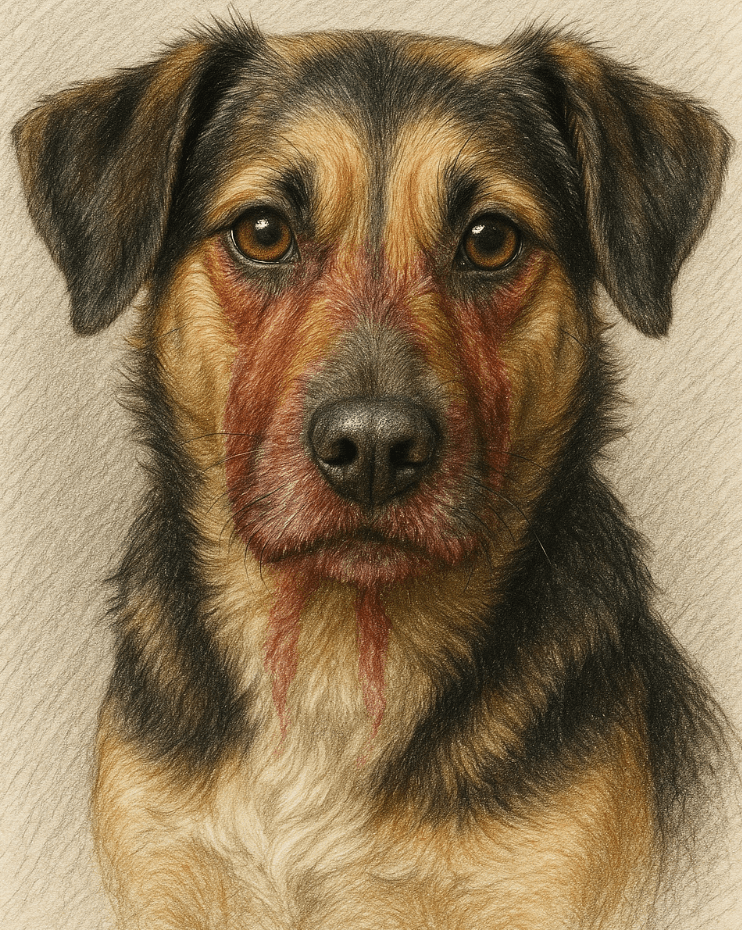

What Is Porphyrin in Dogs? Best 7 Expert Tips!

What Is Porphyrin in Dogs? Best 7 Expert Tips!

What Is Porphyrin in Dogs?


If you’ve ever noticed reddish-brown stains around your dog’s eyes, mouth, or paws, you might have wondered what causes them. The answer lies in a natural compound called porphyrin. While these stains are harmless in most cases, they can sometimes indicate underlying health issues that require attention. Understanding porphyrin and its role in your dog’s body is key to ensuring their well-being. In this blog post, we’ll explore what porphyrin is, why it appears, and how to manage it effectively. Whether you’re a new dog owner or a seasoned pet parent, this guide will help you decode the mystery of porphyrin and keep your furry friend healthy and happy.

What Causes Porphyrin Staining in Dogs?


Porphyrin staining occurs when a pigment produced naturally by dogs accumulates on their fur or skin. Several factors contribute to this phenomenon, ranging from genetics to environmental influences.

 
  • Natural Secretions:
    Porphyrin is a byproduct of red blood cell metabolism and is excreted through tears, saliva, and urine. Excessive secretion can lead to visible staining.

  • Genetic Predisposition:
    Some breeds, like Bulldogs, Boxers, and Shih Tzus, are more prone to porphyrin staining due to their facial structure and tear duct anatomy.

  • Dietary Factors:
    Certain foods high in iron or artificial additives can increase porphyrin production, worsening staining over time.

  • Environmental Allergens:
    Exposure to allergens like pollen, dust, or chemicals can irritate a dog’s eyes or skin, leading to increased tearing or licking and subsequent staining.

  • Health Conditions:
    Issues like conjunctivitis, ear infections, or dental problems may cause excessive tearing or drooling, resulting in porphyrin buildup.


Understanding these causes helps identify whether the staining is a cosmetic concern or a sign of an underlying issue requiring veterinary attention.

How to Manage and Reduce Porphyrin Stains


While porphyrin staining isn’t harmful on its own, many pet owners prefer to minimize its appearance for aesthetic reasons. Here are practical tips to manage and reduce staining effectively.

 
  • Regular Cleaning:
    Gently wipe your dog’s face, paws, or stained areas daily with a damp cloth or pet-safe wipes to prevent buildup.

  • Tear Stain Removers:
    Use vet-approved products specifically designed to break down porphyrin without irritating your dog’s skin.

  • Balanced Diet:
    Feed your dog a high-quality diet free from artificial dyes and preservatives, which may exacerbate staining.

  • Proper Hydration:
    Ensure your dog drinks plenty of clean water to flush out excess porphyrin through their system.

  • Routine Grooming:
    Trim hair around the eyes and mouth regularly to reduce the surface area where stains can accumulate.


By incorporating these practices into your routine, you can keep your dog looking fresh while addressing any potential health concerns.

What Is Porphyrin in Dogs? Best 7 Expert Tips!
Prevention Tips for Porphyrin Stains
Common Areas Affected by Staining
Clean your dog’s face daily
Around the eyes
Use stainless steel or ceramic bowls
Near the mouth
Avoid foods with artificial additives
On the paws
Check for allergies or infections
Under the tail
Maintain regular grooming habits
Inner thighs

Signs That Porphyrin Staining May Indicate a Health Problem


While porphyrin staining is often harmless, it can sometimes signal an underlying medical condition. Be vigilant for these signs that warrant further investigation.

 
  • Excessive Tearing (Epiphora):
    Persistent watery eyes may indicate blocked tear ducts or eye infections requiring professional care.

  • Frequent Licking or Chewing:
    If your dog obsessively licks their paws or other areas, it could point to allergies, pain, or skin irritation.

  • Changes in Behavior:
    Sudden lethargy, loss of appetite, or irritability might suggest systemic issues affecting porphyrin production.

  • Odor or Discharge:
    Foul-smelling stains or unusual discharge could be a sign of infection or poor hygiene needing immediate attention.

  • Darkening of Stains:
    A shift in color from light brown to dark red may indicate higher porphyrin levels linked to liver dysfunction.


Recognizing these symptoms early ensures timely intervention and keeps your dog in optimal health.

Breeds Prone to Porphyrin Staining and Why


Certain dog breeds are more susceptible to porphyrin staining due to their physical traits and genetic makeup. Understanding why these breeds are affected can help tailor care strategies accordingly.

 
  • Brachycephalic Breeds:
    Flat-faced dogs like Pugs and Bulldogs often have shallow eye sockets, causing tears to overflow onto their fur.

  • Small Toy Breeds:
    Dogs like Maltese and Bichon Frise have delicate tear ducts prone to blockages, leading to frequent staining.

  • Long-Haired Breeds:
    Breeds such as Cocker Spaniels and Lhasa Apsos have abundant facial hair that traps moisture and porphyrin.

  • Short-Nosed Breeds:
    Boxers and Shih Tzus tend to drool excessively, increasing saliva-based staining around their mouths.

  • White-Coated Breeds:
    White-furred dogs like Bichon Frise and West Highland Terriers show staining more prominently due to their coat color.


Knowing which breeds are predisposed allows owners to take proactive measures to minimize staining and maintain their dog’s appearance.

Tips for Preventing Tear Stains Specifically


For dogs prone to tear stains, targeted prevention methods can make a significant difference. These tips focus on minimizing moisture and maintaining cleanliness.

 
  • Use Stainless Steel Bowls:
    Plastic bowls can harbor bacteria that worsen staining; switch to stainless steel or ceramic options.

  • Trim Facial Hair Regularly:
    Keeping hair around the eyes short reduces the surface area for tears to cling to.

  • Check for Irritants:
    Inspect your dog’s environment for dust, smoke, or scented candles that might irritate their eyes.

  • Apply Tear Stain Supplements:
    Some supplements contain ingredients like cranberry extract to support tear duct health and reduce staining.

  • Visit Your Vet Regularly:
    Routine check-ups help rule out conditions like entropion or blocked tear ducts contributing to excessive tearing.


With consistent effort, you can significantly reduce tear stains and improve your dog’s appearance.

The Role of Hygiene in Managing Porphyrin Buildup


Good hygiene plays a crucial role in controlling porphyrin staining and preventing complications. Follow these steps to maintain cleanliness and comfort for your dog.

 
  • Bathe Your Dog Regularly:
    Frequent baths remove excess porphyrin from their coat before it has a chance to stain deeply.

  • Clean Food and Water Bowls Daily:
    Dirty bowls can harbor bacteria that contribute to staining and odors.

  • Inspect Skin Fold Areas:
    For breeds with facial folds, clean these areas carefully to prevent porphyrin buildup and irritation.

  • Dry Stained Areas Thoroughly:
    After cleaning, ensure stained areas are completely dry to prevent further discoloration.

  • Monitor for Yeast Infections:
    Moisture trapped in stained areas can lead to yeast infections, so stay alert for signs like redness or itching.


Prioritizing hygiene not only reduces staining but also promotes your dog’s overall well-being.

When to Seek Veterinary Advice for Porphyrin Issues


While porphyrin staining is generally harmless, there are situations where professional guidance is necessary. Look out for these scenarios to determine when to consult your vet.

 
  • Persistent or Worsening Stains:
    If stains become darker or spread despite regular cleaning, it may indicate a deeper issue.

  • Signs of Pain or Discomfort:
    Whining, pawing at the face, or reluctance to eat could signal underlying problems needing diagnosis.

  • Unexplained Weight Loss:
    Sudden weight loss combined with heavy staining might point to metabolic or digestive disorders.

  • Behavioral Changes:
    Increased aggression, withdrawal, or restlessness may suggest stress or illness related to porphyrin production.

  • Recurrent Infections:
    Frequent eye, ear, or skin infections alongside staining could require specialized treatment.


Seeking veterinary advice ensures your dog receives the care they need to thrive, free from discomfort or complications.

Frequently Asked Questions About Porphyrin in Dogs

 
Is porphyrin staining dangerous for my dog?

No, porphyrin staining is usually harmless but can indicate underlying issues if accompanied by other symptoms.

Avoid using human products, as they may irritate your dog’s sensitive skin. Opt for pet-safe alternatives instead.

Yes, certain foods high in iron or artificial ingredients can increase porphyrin levels and worsen staining.

Darker stains may signify higher porphyrin levels or potential health issues, so consult your vet if you notice changes.

Daily cleaning is ideal to prevent buildup, especially for breeds prone to heavy staining.

Embracing Your Dog’s Unique Traits


Porphyrin staining is a natural occurrence in dogs and doesn’t diminish their charm or beauty. By understanding the causes and implementing effective management strategies, you can keep your dog looking their best while ensuring their overall health remains a top priority. Remember, every dog is unique, and embracing their quirks—whether it’s reddish-brown stains or something else—is part of the joy of being a pet parent. With patience, care, and regular attention, you can tackle porphyrin staining confidently and enjoy many happy years with your beloved companion.

Is Rawhide Bad for Cats? Best 7 Expert Tips!

Is Rawhide Bad for Cats? Best 7 Expert Tips! – Discover the risks, safe alternatives, and expert advice to keep your feline friend healthy and happy.

Is Rawhide Bad for Dogs? Best 7 Expert Tips!

Is Rawhide Bad for Dogs? Best 7 Expert Tips! – Discover the risks, benefits, and safer alternatives to rawhides for your dog’s chewing needs.

Understanding Anorexia in Cats: Best 7 Expert Tips!

Understanding Anorexia in Cats: Best 7 Expert Tips! – Learn why cats stop eating, spot warning signs, and discover how to help your feline regain appetite safely.

Understanding Anorexia in Dogs: Best 7 Expert Tips!

Understanding Anorexia in Dogs: Best 7 Expert Tips! – Learn causes, symptoms, and solutions to help your dog regain appetite and stay healthy.

Leave a Reply

Your email address will not be published. Required fields are marked *