
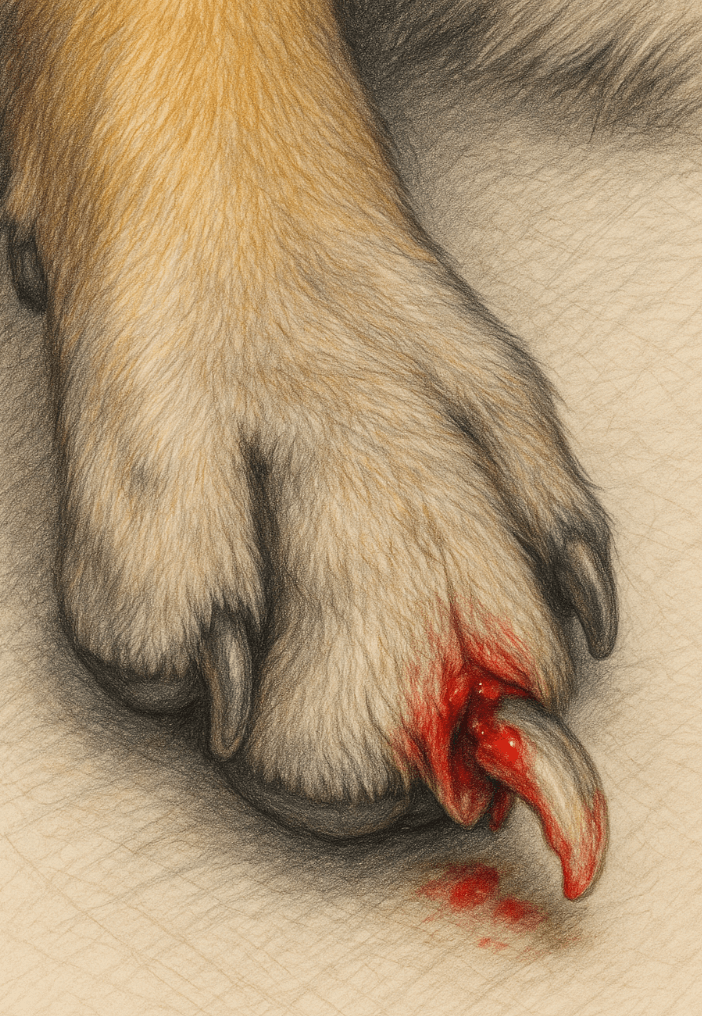

What Happens If a Dog Loses a Nail? Best 7 Expert Tips!

What Happens If a Dog Loses a Nail? Best 7 Expert Tips!

What Happens If a Dog Loses a Nail?


Dogs rely heavily on their paws for movement, balance, and exploration. Their nails play an essential role in maintaining traction and protecting the sensitive tissues of their feet. However, accidents happen—whether from rough play, improper nail trimming, or injuries during walks—and a dog losing a nail can be alarming for pet owners.

While it may seem like a minor issue, losing a nail can lead to pain, infection, and other complications if not addressed promptly. Understanding what happens when a dog loses a nail, how to respond, and how to prevent future incidents is crucial for ensuring your furry friend’s comfort and well-being. Let’s explore this topic in detail to help you care for your dog effectively.

Expert Opinion on Cat Nail Health

“Understanding how to recognize nail injuries, apply appropriate first aid, and determine when veterinary care is needed is essential. Preventive measures, such as routine nail trimming and proper nutrition, also play a key role in maintaining healthy nails and avoiding future complications.”

Immediate Effects of Losing a Nail


When a dog loses a nail, the immediate effects can range from mild discomfort to significant pain, depending on the circumstances. Here’s what typically happens after such an injury occurs.

 
  • Bleeding:
    The quick, a blood vessel inside the nail, often gets damaged when a nail is torn off, leading to noticeable bleeding that can be difficult to stop without proper care.

  • Pain and Sensitivity:
    The exposed tissue beneath the nail is highly sensitive, causing your dog to experience sharp pain whenever pressure is applied to the paw.

  • Swelling Around the Paw:
    Inflammation is common as the body responds to the injury, which can make walking uncomfortable for your dog.

  • Limping or Avoidance of Weight-Bearing:
    Many dogs will instinctively avoid putting weight on the injured paw to minimize pain and further damage.

  • Risk of Infection:
    Open wounds from a lost nail are susceptible to bacterial infections, especially if dirt or debris enters the area.


Understanding these immediate effects highlights the importance of addressing the injury quickly to prevent complications.

What Happens If a Dog Loses a Nail? Best 7 Expert Tips!

Steps to Take When Your Dog Loses a Nail


If your dog loses a nail, acting swiftly and calmly can make a big difference in their recovery process. Follow these steps to provide first aid and ensure their safety.

 
  • Stop the Bleeding:
    Apply gentle pressure using a clean cloth or gauze to control the bleeding. If necessary, use styptic powder or cornstarch to help clot the blood.

  • Clean the Wound Thoroughly:
    Rinse the affected area with warm water and mild antiseptic to remove dirt and reduce the risk of infection.

  • Assess the Severity:
    Check whether any part of the nail remains attached or if the entire nail has been removed. Partial tears may require professional attention.

  • Bandage the Paw Temporarily:
    Wrap the paw loosely with a sterile bandage to protect it until you can see a veterinarian. Ensure the bandage isn’t too tight to avoid cutting off circulation.

  • Monitor for Signs of Infection:
    Keep an eye out for redness, swelling, discharge, or unusual odor, which could indicate an infection requiring veterinary treatment.


Taking these steps ensures your dog receives the care they need while minimizing the risk of long-term issues.

Signs of a Lost Nail Injury
Preventive Measures to Protect Paws
Excessive licking or chewing at the paw
Regular nail trimming to prevent overgrowth
Visible bleeding or exposed tissue
Providing protective booties for outdoor walks
Limping or reluctance to walk
Inspecting paws regularly for cracks or splits
Swelling or redness around the nail bed
Keeping nails smooth and free of sharp edges
Odor or pus indicating infection
Avoiding rough surfaces that can snag nails

Potential Complications of a Lost Nail


While many dogs recover fully from losing a nail, certain complications can arise if the injury isn’t treated properly. Being aware of these risks helps you stay vigilant about your dog’s recovery.

 
  • Persistent Bleeding:
    If the bleeding doesn’t stop within 10-15 minutes, it may indicate deeper damage to the blood vessels or quick.

  • Chronic Pain:
    Nerve endings exposed by the injury can cause ongoing discomfort, affecting your dog’s mobility and quality of life.

  • Infection Development:
    Untreated wounds can become infected, spreading bacteria to surrounding tissues and potentially leading to systemic illness.

  • Delayed Healing:
    Factors like poor nutrition, underlying health conditions, or excessive activity can slow down the healing process.

  • Behavioral Changes:
    Pain or discomfort may cause irritability, lethargy, or changes in appetite, signaling that your dog needs additional care.


Addressing these complications early prevents them from escalating into more serious problems.

Tips for Preventing Nail Injuries in Dogs


Prevention is always better than cure when it comes to protecting your dog’s nails. These tips can help you minimize the risk of nail-related injuries.

 
  • Trim Nails Regularly:
    Maintain a consistent nail-trimming routine to prevent overgrown nails, which are more prone to breaking or splitting.

  • Use Proper Tools:
    Invest in high-quality clippers or grinders designed specifically for dogs to ensure safe and effective grooming.

  • Inspect Paws Frequently:
    Check your dog’s paws after walks or outdoor play to identify any signs of damage or embedded debris.

  • Avoid Rough Surfaces:
    Steer clear of abrasive terrains like gravel or jagged rocks that can snag or wear down nails excessively.

  • Provide Balanced Nutrition:
    A diet rich in vitamins and minerals supports healthy nail growth and overall paw health.


By implementing these preventive measures, you can keep your dog’s nails strong and resilient.

Common Causes of Nail Loss in Dogs


Understanding why dogs lose nails can help you prevent similar incidents in the future. Here are some common causes of nail loss.

 
  • Overgrown Nails:
    Long nails are more likely to snag on objects or split during regular activities.

  • Improper Trimming:
    Cutting the nail too short can damage the quick and weaken the nail structure.

  • Rough Play or Accidents:
    Dogs playing vigorously or getting stuck in fences may tear off a nail accidentally.

  • Walking on Harsh Terrain:
    Rocky or icy surfaces can wear down nails unevenly, increasing the risk of breakage.

  • Underlying Health Conditions:
    Nutritional deficiencies or diseases like lupus can weaken nails, making them brittle and prone to falling off.


Identifying these causes allows you to take targeted steps to protect your dog’s nails.


Signs Your Dog Is Uncomfortable After Losing a Nail


After losing a nail, your dog may exhibit behaviors that signal discomfort or distress. Recognizing these signs helps you act quickly to alleviate their pain.

 
  • Excessive Licking or Chewing:
    Focused attention on the injured paw indicates irritation or pain.

  • Reluctance to Walk or Run:
    Avoiding movement suggests your dog is experiencing significant discomfort.

  • Whining or Vocalizing:
    Crying out when the paw is touched points to acute pain or sensitivity.

  • Changes in Personality:
    Aggression or withdrawal may occur if your dog is feeling unwell due to the injury.

  • Refusal to Eat or Drink:
    Loss of appetite can indicate stress or physical discomfort related to the injury.


Monitoring these signs ensures you address your dog’s needs promptly and compassionately.

How to Comfort Your Dog During Recovery


Recovering from a lost nail can be challenging for your dog, both physically and emotionally. Here are ways to comfort them during this period.

 
  • Offer Soft Bedding:
    Provide plush bedding to cushion their paws and reduce pressure on the injured area.

  • Limit Physical Activity:
    Restrict running, jumping, or rough play to allow the nail to heal without further strain.

  • Use Distraction Techniques:
    Engage your dog with gentle games or puzzle toys to redirect their focus from the injury.

  • Administer Pain Relief (if prescribed):
    Follow your vet’s advice regarding medications to manage pain and inflammation.

  • Show Extra Affection:
    Spend quality time cuddling or petting your dog to reassure them and boost their mood.


By providing comfort and support, you can help your dog recover faster and feel loved throughout the process.

Frequently Asked Questions About Dogs Losing Nails

 
Will my dog’s nail grow back?

Yes, most nails will regrow over time, provided the injury heals properly and no permanent damage occurs to the nail bed.

It’s advisable to consult a vet if the bleeding doesn’t stop, the wound looks infected, or you’re unsure how to treat the injury.

Some supplies, like gauze or antiseptics, can be used, but avoid products containing ingredients toxic to dogs (e.g., hydrogen peroxide).

Minor injuries typically heal within 1-2 weeks, but complete nail regrowth may take several months.

Yes, limping is common as your dog adjusts to the pain and avoids putting pressure on the injured paw.

Caring for Your Dog After a Lost Nail


Losing a nail can be a painful and stressful experience for your dog, but with prompt care and attention, most dogs recover fully without lasting issues. By understanding the immediate effects, taking appropriate action, and preventing future injuries, you can ensure your dog stays happy and healthy. Remember, your dog relies on you to keep their paws in top condition, so staying proactive and observant goes a long way in maintaining their overall well-being. With patience and love, your furry companion will bounce back stronger than ever.

Is Rawhide Bad for Cats? Best 7 Expert Tips!

Is Rawhide Bad for Cats? Best 7 Expert Tips! – Discover the risks, safe alternatives, and expert advice to keep your feline friend healthy and happy.

Is Rawhide Bad for Dogs? Best 7 Expert Tips!

Is Rawhide Bad for Dogs? Best 7 Expert Tips! – Discover the risks, benefits, and safer alternatives to rawhides for your dog’s chewing needs.

Understanding Anorexia in Cats: Best 7 Expert Tips!

Understanding Anorexia in Cats: Best 7 Expert Tips! – Learn why cats stop eating, spot warning signs, and discover how to help your feline regain appetite safely.

Understanding Anorexia in Dogs: Best 7 Expert Tips!

Understanding Anorexia in Dogs: Best 7 Expert Tips! – Learn causes, symptoms, and solutions to help your dog regain appetite and stay healthy.

Leave a Reply

Your email address will not be published. Required fields are marked *