

Proprioceptive Ataxia in Dogs: Best 7 Expert Tips!

Proprioceptive Ataxia in Dogs: Best 7 Expert Tips!

Understanding Proprioceptive Ataxia in Dogs


Proprioceptive ataxia is a condition that affects a dog’s ability to sense their body position and movement, leading to uncoordinated movements and difficulty walking. This neurological issue can be distressing for both pets and their owners, but understanding its causes, symptoms, and treatment options can make a significant difference in managing the condition.

Proprioceptive ataxia often stems from underlying health issues, such as nerve damage or spinal cord problems, making early detection and intervention crucial. In this blog post, we’ll explore everything you need to know about proprioceptive ataxia in dogs, from recognizing the signs to supporting your furry friend through diagnosis and care.

Signs and Symptoms of Proprioceptive Ataxia in Dogs


Identifying proprioceptive ataxia in your dog involves observing specific behaviors and physical changes. These symptoms may vary depending on the severity and underlying cause of the condition.

 
  • Unsteady Gait:
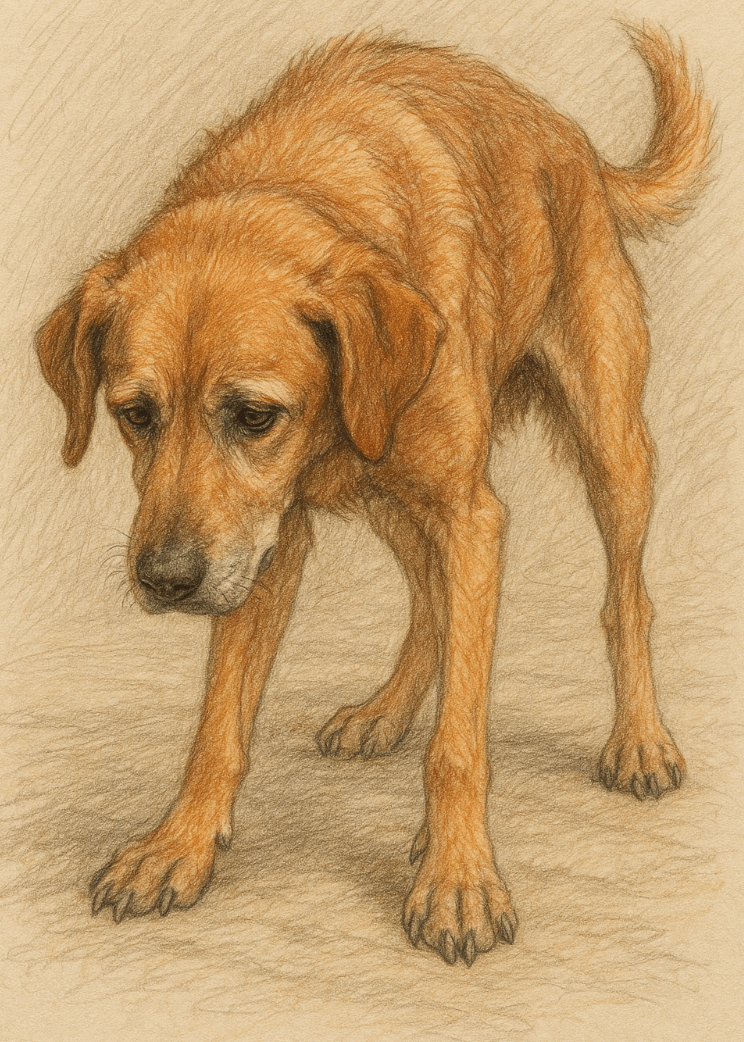
    Dogs with proprioceptive ataxia often walk with a wobbly or uncoordinated gait, as if they are struggling to maintain balance.

  • Knuckling of Paws:
    One common sign is when a dog drags or “knuckles” their paws, meaning the top of the paw scrapes the ground instead of staying upright.

  • Difficulty Turning or Changing Directions:
    Affected dogs may struggle to make turns or change directions smoothly, often stumbling or falling over.

  • Loss of Spatial Awareness:
    Dogs may bump into objects or misjudge distances, indicating a lack of awareness of their body’s position in space.

  • Weakness in Limbs:
    Muscle weakness or paralysis in one or more limbs can accompany proprioceptive ataxia, further impairing mobility.


Recognizing these symptoms early can help you seek veterinary care promptly, improving your dog’s chances of recovery or effective management.

Common Causes of Proprioceptive Ataxia in Dogs


Proprioceptive ataxia can arise from various underlying health conditions, each requiring different approaches to diagnosis and treatment. Understanding the potential causes helps veterinarians develop an accurate treatment plan.

 
  • Spinal Cord Injuries:
    Trauma or compression of the spinal cord can disrupt nerve signals, leading to proprioceptive ataxia.

  • Degenerative Myelopathy:
    This progressive disease affects the spinal cord, commonly seen in older dogs, causing loss of coordination and mobility.

  • Intervertebral Disc Disease (IVDD):
    Herniated discs can press on nerves, interfering with proprioceptive pathways and causing ataxia.

  • Peripheral Nerve Damage:
    Injuries or diseases affecting peripheral nerves can impair a dog’s ability to sense their body position.

  • Toxic Exposure:
    Certain toxins, such as those found in pesticides or household chemicals, can damage the nervous system and lead to ataxia.


By identifying the root cause, veterinarians can tailor treatments to address the specific condition affecting your dog.

Proprioceptive Ataxia in Dogs: Best 7 Expert Tips!
Symptoms of Proprioceptive Ataxia
Potential Causes
Unsteady or wobbly gait
Spinal cord injuries or compression
Knuckling of paws
Degenerative myelopathy
Difficulty turning or changing directions
Intervertebral disc disease (IVDD)
Loss of spatial awareness
Peripheral nerve damage
Weakness or paralysis in limbs
Toxic exposure or infections

Diagnosing Proprioceptive Ataxia in Dogs


Diagnosing proprioceptive ataxia requires a thorough evaluation by a veterinarian to pinpoint the underlying cause. Here’s what to expect during the diagnostic process.

 
  • Physical Examination:
    A vet will assess your dog’s gait, reflexes, and overall mobility to identify abnormalities associated with ataxia.

  • Neurological Tests:
    Specific tests, such as checking for knuckling or testing proprioception, help evaluate nerve function and coordination.

  • Imaging Studies:
    X-rays, MRIs, or CT scans may be used to examine the spine and rule out structural issues like herniated discs or tumors.

  • Blood Tests:
    Blood work can detect infections, toxins, or metabolic disorders that might contribute to the condition.

  • Referral to a Specialist:
    In complex cases, your vet may recommend consulting a veterinary neurologist for advanced diagnostics and treatment options.


A comprehensive diagnostic approach ensures an accurate understanding of your dog’s condition and guides effective treatment strategies.

Treatment Options for Proprioceptive Ataxia in Dogs


While there is no one-size-fits-all cure for proprioceptive ataxia, several treatment options aim to manage symptoms and improve your dog’s quality of life.

 
  • Medications:
    Anti-inflammatory drugs or pain relievers may be prescribed to reduce swelling or discomfort caused by spinal issues.

  • Physical Therapy:
    Targeted exercises and rehabilitation can strengthen muscles and improve coordination over time.

  • Surgical Intervention:
    In cases involving spinal cord compression or IVDD, surgery may be necessary to relieve pressure on nerves.

  • Supportive Devices:
    Harnesses, wheelchairs, or braces can assist dogs with mobility challenges, allowing them to move more comfortably.

  • Lifestyle Adjustments:
    Creating a safe environment, avoiding slippery floors, and providing soft bedding can help prevent injuries and support recovery.


With the right combination of treatments, many dogs with proprioceptive ataxia can lead happy, fulfilling lives despite their condition.

Preventive Measures to Reduce the Risk of Proprioceptive Ataxia


While not all cases of proprioceptive ataxia can be prevented, certain measures can lower the risk or slow the progression of related conditions.

 
  • Maintain a Healthy Weight:
    Excess weight puts additional strain on the spine and joints, increasing the risk of spinal issues.

  • Provide Joint Supplements:
    Omega-3 fatty acids and glucosamine can support joint and spinal health, especially in older dogs.

  • Avoid High-Impact Activities:
    Limit activities like jumping from heights to reduce the risk of spinal injuries.

  • Regular Veterinary Check-Ups:
    Routine exams help detect early signs of spinal or nerve problems before they worsen.

  • Create a Safe Environment:
    Use non-slip mats and remove obstacles to prevent falls or accidents that could harm your dog’s spine.


Taking these steps can help protect your dog’s long-term health and well-being.


How to Support Your Dog Emotionally During Recovery


Dogs with proprioceptive ataxia may feel frustrated or anxious due to their physical limitations. Providing emotional support is just as important as addressing their physical needs.

 
  • Offer Positive Reinforcement:
    Reward your dog for small achievements, like walking short distances, to boost their confidence.

  • Engage in Gentle Play:
    Low-impact games, like gentle fetch or tug-of-war, keep your dog mentally stimulated without overexertion.

  • Spend Quality Time Together:
    Simply being present and offering affection reassures your dog that you’re there for them.

  • Use Calming Techniques:
    Massage or soothing music can help relax your dog and reduce stress during recovery.

  • Be Patient and Understanding:
    Recognize that progress may be slow, and celebrate incremental improvements along the way.


Emotional support fosters trust and resilience, helping your dog adapt to their new reality.

Alternative Therapies for Managing Proprioceptive Ataxia


In addition to conventional treatments, alternative therapies can complement traditional approaches and enhance your dog’s recovery.

 
  • Acupuncture:
    This ancient practice stimulates nerves and improves blood flow, potentially aiding nerve regeneration.

  • Hydrotherapy:
    Swimming in a controlled environment strengthens muscles without putting pressure on the spine.

  • Chiropractic Care:
    Spinal adjustments may alleviate nerve compression and improve mobility in some cases.

  • Herbal Remedies:
    Certain herbs, like turmeric or milk thistle, have anti-inflammatory properties that may benefit dogs with ataxia.

  • Massage Therapy:
    Regular massages can improve circulation, reduce muscle tension, and promote relaxation.


Exploring these therapies under veterinary guidance can provide additional relief and improve your dog’s overall comfort.

Frequently Asked Questions About Proprioceptive Ataxia in Dogs

 
What is proprioceptive ataxia?

It’s a neurological condition where a dog loses awareness of their body position, leading to uncoordinated movements.

While some causes, like IVDD, may be treatable, others, such as degenerative myelopathy, are progressive and managed symptomatically.

Look for signs like wobbly gait, knuckling of paws, or difficulty navigating spaces. Consult a vet for confirmation.

Depending on the underlying cause, dogs may experience pain, especially if nerve compression or inflammation is involved.

Breeds like German Shepherds, Boxers, and Corgis are more susceptible due to genetic predispositions to spinal conditions.

Supporting Your Dog Through Proprioceptive Ataxia


Proprioceptive ataxia can be a challenging condition for both dogs and their owners, but with proper care and understanding, it doesn’t have to define your pet’s life. Early recognition of symptoms, accurate diagnosis, and tailored treatment plans are key to managing the condition effectively. By working closely with your veterinarian and providing a supportive environment, you can help your dog maintain their quality of life and continue enjoying the moments that matter most. Remember, your love and dedication play a vital role in ensuring your furry companion feels comfortable and cherished every step of the way.

 
Bergamasco Bernese Mountain Mix: Best 7 Expert Tips!

Bergamasco Bernese Mountain Mix: Best 7 Expert Tips! – Learn about this unique hybrid’s traits, care needs, and why it’s a perfect family companion.

Bergamasco Dalmatian Mix: Best 7 Expert Tips!

Bergamasco Dalmatian Mix: Best 7 Expert Tips! – Discover the perfect blend of loyalty and energy with this unique hybrid’s care, traits, and training insights.

Bergamasco German Shepherd Mix: Best 7 Expert Tips!

Bergamasco German Shepherd Mix: Best 7 Expert Tips! – Discover the perfect blend of loyalty, intelligence, and versatility with this unique hybrid breed. Ideal for active families!

Bergamasco Malinois Mix: Best 7 Expert Tips!

Bergamasco Malinois Mix: Best 7 Expert Tips! – Discover the perfect blend of loyalty, energy, and unique beauty with this remarkable hybrid breed.

Leave a Reply

Your email address will not be published. Required fields are marked *

Post Category


