
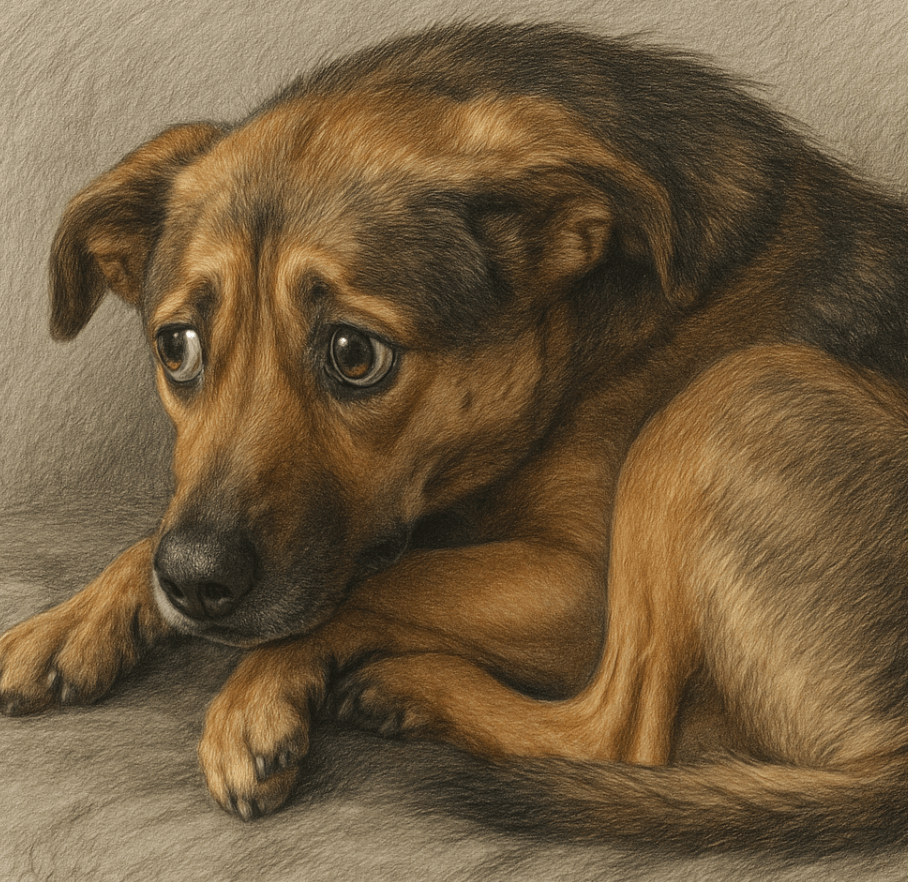

Can Dogs Have Anxiety Attacks?
Dogs are known for their loyalty, playfulness, and unconditional love, but they’re also sensitive creatures who can experience emotional distress. Just like humans, dogs are capable of feeling anxiety, and in some cases, they may even suffer from anxiety attacks. These episodes can be alarming for pet owners, especially if they’re unsure of what’s happening or how to help. Understanding the signs, causes, and solutions for canine anxiety is essential for ensuring your furry friend feels safe and supported. In this blog post, we’ll explore everything you need to know about anxiety attacks in dogs, from recognizing symptoms to implementing effective calming strategies.
Signs Your Dog May Be Experiencing an Anxiety Attack
Anxiety attacks in dogs can manifest in various ways, often depending on the dog’s personality, environment, and triggers. Recognizing these signs early can help you intervene and provide comfort.
Excessive Panting:
Dogs may pant heavily even when they haven’t been physically active, signaling stress or discomfort.Pacing or Restlessness:
An anxious dog might move back and forth repeatedly, unable to settle down or relax.Trembling or Shaking:
Physical trembling is a common symptom of fear or anxiety, especially during loud noises or unfamiliar situations.Hiding or Escaping Behavior:
Some dogs retreat to small, enclosed spaces or attempt to escape when feeling overwhelmed.Vocalizations Like Whining or Barking:
Dogs may express their distress through repetitive whining, barking, or howling.
If you notice any of these behaviors, it’s important to assess the situation and provide reassurance to help your dog feel secure.
Common Causes of Anxiety Attacks in Dogs
Understanding the root causes of anxiety in dogs can help you prevent or manage episodes more effectively. Here are some common triggers that may lead to anxiety attacks.
Separation Anxiety:
Many dogs struggle with being left alone, leading to stress and destructive behavior when their owners are away.Loud Noises:
Thunderstorms, fireworks, or construction sounds can startle dogs and trigger anxiety responses.Traumatic Experiences:
Past abuse, neglect, or frightening events can leave lasting emotional scars, making dogs more prone to anxiety.Changes in Routine or Environment:
Moving homes, introducing new family members, or altering daily schedules can unsettle sensitive dogs.Health Issues:
Pain, illness, or cognitive decline in older dogs can contribute to feelings of anxiety and confusion.
Identifying the underlying cause of your dog’s anxiety is the first step toward addressing it and improving their quality of life.
Check this guide 👉Can Dogs Sense Anxiety? Best 7 Expert Tips!
Check this guide 👉How to Stop Dog Anxiety Pooping: Best 7 Expert Tips!
Check this guide 👉Best Service Dog Breeds for PTSD and Anxiety: Best 7 Tips!
Ways to Calm an Anxious Dog | Triggers to Avoid During Anxiety Episodes |
|---|---|
Provide a safe, quiet space | Loud noises like fireworks or vacuum cleaners |
Use calming pheromone sprays or collars | Sudden changes in routine or environment |
Engage in gentle exercise or play | Forcing interaction when the dog is scared |
Offer comforting items like blankets | Punishing the dog for anxious behavior |
Practice gradual desensitization | Overwhelming the dog with too many stimuli |
How to Help Your Dog During an Anxiety Attack
When your dog experiences an anxiety attack, staying calm and supportive is key to helping them recover. Follow these steps to guide your dog through the episode.
Stay Calm Yourself:
Dogs pick up on their owner’s emotions, so maintaining a composed demeanor can reassure them.Create a Safe Space:
Lead your dog to a quiet, familiar area where they feel protected, such as a crate or a cozy corner.Use Soothing Words or Touch:
Gently speak to your dog in a soft tone or offer light physical contact if they respond positively to touch.Distract with Toys or Treats:
Redirect their focus by offering a favorite toy or treat to engage their mind and reduce stress.Avoid Reinforcing Fearful Behavior:
While comforting your dog is important, avoid overly coddling them, as this can reinforce anxious tendencies.
By responding thoughtfully, you can help your dog regain their composure and feel safe again.
Preventive Measures to Reduce Anxiety in Dogs
Preventing anxiety attacks before they occur is always better than managing them after the fact. These proactive strategies can help minimize your dog’s stress levels over time.
Establish a Consistent Routine:
Dogs thrive on predictability, so maintaining regular feeding, walking, and sleeping schedules can reduce anxiety.Socialize Your Dog Early:
Exposing puppies to different people, animals, and environments helps them grow into confident adults.Provide Mental Stimulation:
Puzzle toys, training sessions, and interactive games keep your dog mentally engaged and less prone to stress.Use Calming Products:
Items like weighted blankets, anxiety wraps, or diffusers with calming scents can promote relaxation.Consult a Professional Trainer or Vet:
If your dog’s anxiety persists, seek guidance from experts who can offer tailored advice or treatments.
Taking preventive measures ensures your dog remains happy, healthy, and emotionally balanced.
Natural Remedies to Alleviate Dog Anxiety
If you prefer natural solutions, several remedies can help ease your dog’s anxiety without resorting to medication.
Herbal Supplements:
Ingredients like chamomile, valerian root, or CBD oil (consult your vet first) can promote relaxation.Calming Music or Sounds:
Playing soft music or white noise can drown out stressful sounds and soothe your dog.Massage Therapy:
Gentle massages can release tension and improve circulation, helping your dog feel more at ease.Aromatherapy:
Scents like lavender or vanilla can have calming effects when used safely around dogs.Regular Exercise:
Daily walks and playtime burn off excess energy, reducing the likelihood of anxiety episodes.
These natural methods can complement other strategies to create a holistic approach to managing your dog’s anxiety.
The Role of Diet in Managing Dog Anxiety
Your dog’s diet plays a significant role in their overall well-being, including their mental health. Certain dietary adjustments can help reduce anxiety symptoms.
Balanced Nutrition:
Ensure your dog’s food contains all essential nutrients, as deficiencies can exacerbate stress.Omega-3 Fatty Acids:
Found in fish oil, omega-3s support brain function and may reduce anxiety-related behaviors.Probiotics:
Gut health influences mood, so probiotics can improve digestion and potentially lower anxiety levels.Avoid Artificial Additives:
Preservatives and artificial colors in food can negatively impact your dog’s behavior and mood.Hydration:
Dehydration can increase irritability, so ensure your dog has constant access to fresh water.
A healthy diet supports not only your dog’s physical health but also their emotional resilience.
Behavioral Training Techniques for Anxious Dogs
Training can empower your dog to cope with anxiety-inducing situations more effectively. These techniques focus on building confidence and trust.
Counterconditioning:
Pair scary stimuli with positive experiences, such as treats or praise, to change your dog’s emotional response.Desensitization:
Gradually expose your dog to their triggers at low intensity, increasing exposure over time as they become comfortable.Obedience Training:
Teaching basic commands like “sit” or “stay” provides structure and boosts your dog’s self-confidence.Reward-Based Reinforcement:
Use treats, toys, or affection to reward calm behavior, reinforcing positive habits.Short, Positive Sessions:
Keep training sessions brief and enjoyable to prevent overwhelming your dog.
With consistent practice, these techniques can transform your dog’s relationship with their triggers and reduce anxiety overall.
Frequently Asked Questions About Dog Anxiety Attacks
What does an anxiety attack look like in dogs?
Symptoms include panting, pacing, trembling, hiding, or vocalizing excessively due to fear or stress.
Can anxiety attacks harm my dog?
While not directly harmful, prolonged anxiety can lead to health issues like weight loss, weakened immunity, or behavioral problems.
Are certain breeds more prone to anxiety?
Yes, some breeds, such as Chihuahuas, Greyhounds, and Border Collies, are more susceptible to anxiety due to their temperaments.
How can I train my dog to handle anxiety?
Gradual desensitization, positive reinforcement, and consistent routines can help build your dog’s confidence over time.
Should I use medication for my dog’s anxiety?
Medication may be necessary in severe cases, but consult your vet to determine the best course of action.
Supporting Your Dog Through Anxiety
Anxiety attacks in dogs are challenging for both pets and their owners, but with patience, understanding, and proactive care, you can help your furry companion overcome their fears. By recognizing the signs, identifying triggers, and implementing calming techniques, you can create a nurturing environment where your dog feels safe and loved. Remember, every dog is unique, so finding the right approach may take time—but the effort is well worth it. With your support, your dog can lead a happier, more relaxed life free from the burden of anxiety.
Understanding Cryptosporidium in Cats: Best 7 Expert Tips! – Spot symptoms, treat safely, and stop parasite spread in your home.
Understanding Cryptosporidium in Dogs: Best 7 Expert Tips! – Learn symptoms, treatment & prevention for this stubborn gut parasite.
Understanding Syringomyelia in Cats: Best 7 Expert Tips! – Recognize signs, manage pain, and support your cat’s neurological health with vet-backed guidance.
Understanding Syringomyelia in Dogs: Best 7 Expert Tips! – Expert insights on symptoms, MRI diagnosis, pain management & quality of life.


