
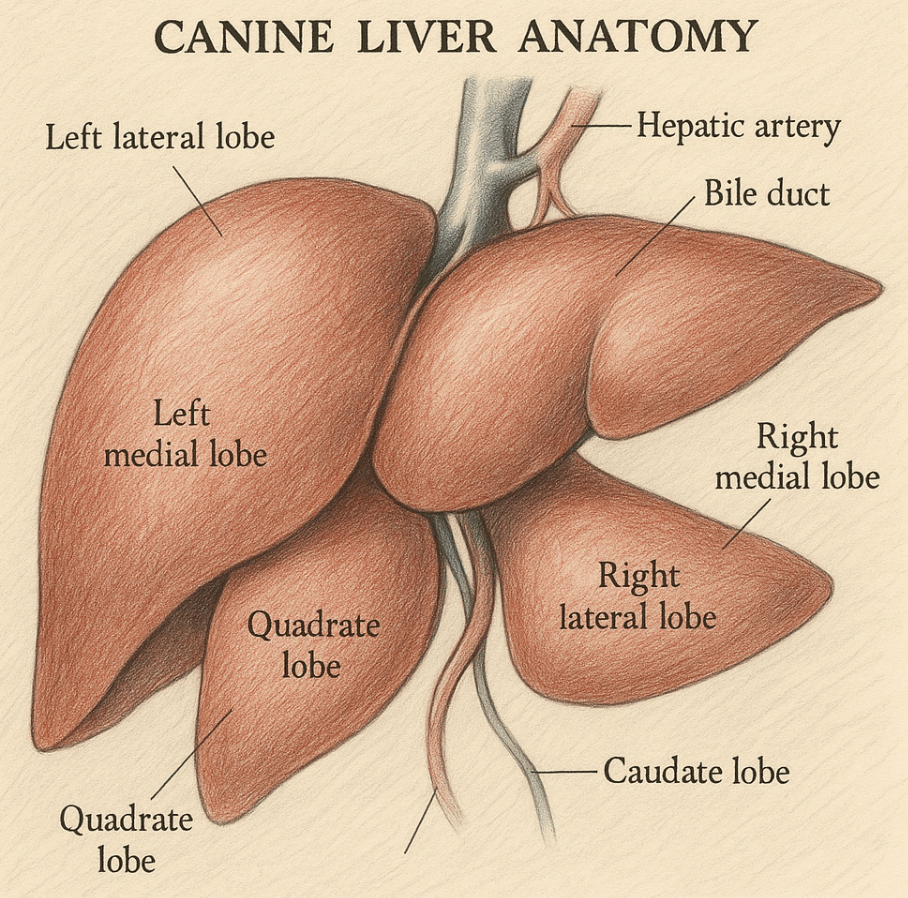

Understanding Canine Liver Anatomy: A Vital Organ for Your Dog’s Health
The liver is one of the most essential organs in a dog’s body, playing a critical role in maintaining overall health and well-being. As part of the digestive system, it performs a wide range of functions, from detoxifying harmful substances to producing vital proteins and enzymes. Understanding canine liver anatomy not only helps pet owners appreciate this remarkable organ but also equips them to recognize potential issues early. Whether you’re a dog lover or someone interested in veterinary science, exploring the intricacies of the canine liver can deepen your knowledge and improve your ability to care for your furry friend. In this blog post, we’ll break down the structure, function, and importance of the canine liver in an easy-to-understand way.
Key Functions of the Canine Liver
The liver is often referred to as the body’s “chemical factory” due to its extensive list of responsibilities. Here are some of the primary functions that make it indispensable for your dog’s health.
Detoxification:
The liver filters toxins, drugs, and waste products from the bloodstream, ensuring they are safely removed from the body.Production of Bile:
Bile, produced by the liver, aids in the digestion and absorption of fats in the small intestine.Storage of Nutrients:
The liver stores essential nutrients like vitamins (A, D, E, K), glycogen, and iron, releasing them when needed for energy or metabolic processes.Protein Synthesis:
It produces important proteins such as albumin and clotting factors, which are crucial for blood health and wound healing.Metabolism Regulation:
The liver plays a key role in breaking down carbohydrates, fats, and proteins to maintain balanced energy levels.
These functions highlight why the liver is so vital to your dog’s survival and overall health.
Structure of the Canine Liver
The canine liver is a complex organ with a unique structure designed to support its many roles. Understanding its anatomy provides insight into how it operates within the body.
Lobes of the Liver:
The liver is divided into several lobes, including the left lateral, right lateral, quadrate, and caudate lobes, each contributing to specific functions.Hepatic Cells (Hepatocytes):
These specialized cells are responsible for performing most of the liver’s metabolic and detoxification processes.Portal Vein and Hepatic Artery:
Blood supply to the liver comes from two sources: the portal vein, carrying nutrient-rich blood from the intestines, and the hepatic artery, delivering oxygenated blood.Bile Ducts:
Tiny bile ducts collect bile from hepatocytes and transport it to the gallbladder for storage before release into the digestive tract.Gallbladder:
Located near the liver, the gallbladder stores and concentrates bile until it is needed for digestion.
This intricate structure allows the liver to efficiently carry out its diverse functions.
Check this guide 👉Understanding Dog Spine Anatomy: Best 7 Expert Tips!
Check this guide 👉Dog Organs Anatomy: Best 7 Health Tips!
Check this guide 👉Understanding Dog Ear Canal Anatomy: Best 7 Expert Tips!
Functions of the Canine Liver | Signs of Liver Issues in Dogs |
|---|---|
Detoxifies harmful substances | Lethargy and weakness |
Produces bile for fat digestion | Jaundice (yellowing of gums or eyes) |
Stores essential nutrients | Loss of appetite or weight loss |
Regulates metabolism | Vomiting or diarrhea |
Synthesizes proteins for blood health | Increased thirst and urination |
Common Conditions Affecting the Canine Liver
Like any organ, the canine liver is susceptible to various diseases and conditions that can impact its function. Being aware of these issues can help you seek timely veterinary care.
Hepatitis:
Inflammation of the liver caused by infections, toxins, or autoimmune disorders.Liver Shunts:
Abnormal blood vessels bypass the liver, preventing it from filtering toxins effectively.Cirrhosis:
Scarring of liver tissue due to chronic damage, often caused by long-term exposure to toxins or infections.Liver Tumors:
Both benign and malignant growths can develop in the liver, requiring diagnosis and treatment.Fatty Liver Disease:
Common in overweight dogs, this condition occurs when fat accumulates in liver cells, impairing function.
Early detection and management are crucial for addressing these conditions and preserving liver health.
Tips for Supporting Your Dog’s Liver Health
Maintaining a healthy liver is key to ensuring your dog lives a long and happy life. Here are some practical tips to support their liver function.
Provide a Balanced Diet:
Feed high-quality food rich in antioxidants, vitamins, and minerals to promote liver health.Limit Exposure to Toxins:
Avoid exposing your dog to household chemicals, pesticides, and medications unless prescribed by a vet.Encourage Regular Exercise:
Physical activity helps maintain a healthy weight, reducing the risk of fatty liver disease.Schedule Routine Vet Check-Ups:
Regular examinations allow early detection of potential liver issues before they become severe.Hydrate Adequately:
Ensure your dog has access to fresh, clean water to support detoxification processes.
By following these tips, you can help keep your dog’s liver functioning optimally.
Dietary Recommendations for Liver Health
A nutritious diet is one of the best ways to support your dog’s liver. Here are some dietary tips to consider for optimal liver function.
Include Lean Proteins:
Chicken, turkey, and fish provide essential amino acids without overloading the liver.Add Antioxidant-Rich Foods:
Blueberries, spinach, and carrots contain antioxidants that combat oxidative stress in the liver.Avoid Processed Foods:
Highly processed kibble or treats may contain additives that strain the liver over time.Supplement with Milk Thistle:
This herb supports liver detoxification and regeneration under veterinary guidance.Limit Fats and Carbs:
Excessive fats and carbs can contribute to obesity and fatty liver disease.
A thoughtful diet can significantly enhance your dog’s liver health and longevity.
Diagnostic Tests for Liver Function
When veterinarians suspect liver issues, they rely on specific diagnostic tools to evaluate its condition. Here’s what you can expect during testing.
Blood Tests:
Liver enzyme levels (ALT, ALP, GGT) indicate whether the liver is functioning properly.Ultrasound Imaging:
Ultrasounds provide detailed images of the liver’s size, shape, and texture.Biopsy Procedures:
A biopsy involves taking a small sample of liver tissue for microscopic analysis.X-Rays:
Radiographs help identify abnormalities like tumors or enlarged liver lobes.Urinalysis:
Analyzing urine detects bilirubin levels, which can signal liver dysfunction.
These tests ensure accurate diagnosis and appropriate treatment plans.
Lifestyle Adjustments for Dogs with Liver Issues
If your dog has been diagnosed with liver problems, certain lifestyle changes can improve their quality of life.
Switch to Prescription Diets:
Specialized diets formulated for liver health reduce strain on the organ.Administer Medications as Directed:
Follow your vet’s instructions carefully when giving medications like Ursodiol or SAMe supplements.Monitor Weight Closely:
Maintaining an ideal weight reduces the risk of complications related to liver disease.Minimize Stress:
Create a calm environment to prevent additional strain on your dog’s body.Track Symptoms Regularly:
Keep a journal of symptoms to share with your vet during follow-up appointments.
These adjustments can make a significant difference in managing liver conditions effectively.
Frequently Asked Questions About Canine Liver Anatomy
What are the signs of liver failure in dogs?
Symptoms include jaundice, vomiting, diarrhea, lethargy, and changes in behavior or appetite.
Can liver disease be cured in dogs?
While some conditions can be managed, others may require lifelong treatment or dietary adjustments.
How can I prevent liver problems in my dog?
Provide a healthy diet, avoid toxins, and schedule regular vet visits for monitoring.
Is liver disease painful for dogs?
Depending on the severity, it can cause discomfort or pain, especially if inflammation or tumors are present.
What tests diagnose liver issues in dogs?
Blood tests, ultrasounds, biopsies, and imaging scans are commonly used to assess liver health.
The Importance of Understanding Canine Liver Anatomy
The canine liver is a remarkable organ that plays a central role in your dog’s overall health. By understanding its anatomy, functions, and potential vulnerabilities, you can take proactive steps to protect this vital organ. Whether through proper nutrition, regular vet check-ups, or minimizing exposure to toxins, every effort counts in ensuring your dog’s liver remains strong and resilient. Remember, a healthy liver means a healthier, happier life for your beloved companion.
Anti-Inflammatory Options for Cats: Best 7 Expert Tips! – Safe, vet-approved ways to reduce pain and inflammation in felines.
Anti-Inflammatory Options for Dogs: Best 7 Expert Tips! – Safe, vet-backed strategies to reduce pain, swelling, and support long-term joint health.
What to Do If a Cat Attacks You: Best 7 Expert Tips! – Stay safe, calm the situation, and prevent future attacks with expert guidance.
What to Do If a Dog Attacks You: Best 7 Expert Tips! – Stay safe, react calmly, and protect yourself with expert-backed strategies.


