
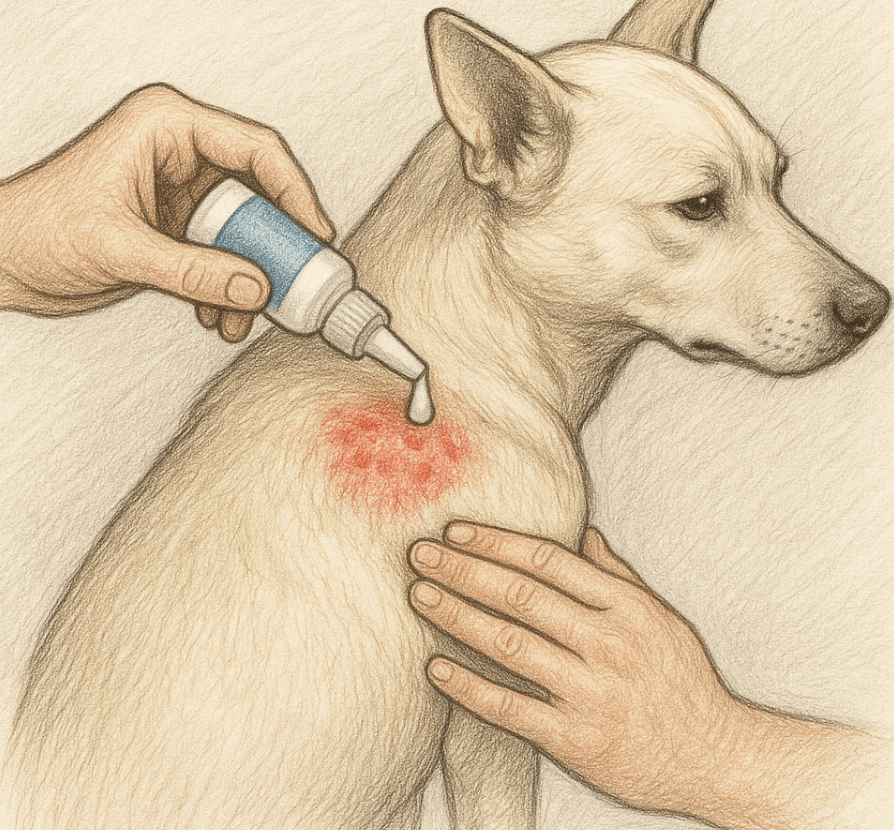

Dog Folliculitis Treatment: A Comprehensive Guide for Pet Owners
Folliculitis in dogs is a common yet often misunderstood skin condition that can cause discomfort and distress for your furry friend. This inflammation of the hair follicles is typically characterized by redness, itching, and bumps on the skin, often leading to secondary infections if left untreated. While folliculitis itself isn’t life-threatening, it can significantly impact your dog’s quality of life and requires prompt attention.
Whether caused by allergies, bacterial infections, or underlying health issues, understanding how to identify and treat folliculitis is essential for ensuring your dog’s comfort and well-being. In this blog post, we’ll explore effective treatment options, preventive measures, and expert tips to help you manage this condition successfully.
Signs and Symptoms of Dog Folliculitis
Recognizing the signs of folliculitis early is crucial for timely intervention. Here are some common symptoms to watch for in your dog.
Red, Inflamed Skin:
The affected areas may appear red and irritated, often concentrated around the abdomen, groin, or armpits.Pustules or Bumps:
Small, pus-filled bumps similar to pimples may develop on the skin, particularly near the hair follicles.Hair Loss (Alopecia):
Patchy or widespread hair loss can occur as a result of excessive scratching or licking.Itching and Scratching:
Dogs with folliculitis often exhibit persistent scratching, biting, or chewing at their skin due to irritation.Odor from the Skin:
Secondary bacterial infections can lead to an unpleasant smell emanating from the affected areas.
If you notice any of these symptoms, it’s important to consult your veterinarian to determine the underlying cause and begin appropriate treatment.
Effective Treatments for Dog Folliculitis
Treating folliculitis involves addressing both the symptoms and the root cause. Here are some proven methods to help your dog recover.
Antibacterial Shampoos:
Medicated shampoos containing ingredients like chlorhexidine or benzoyl peroxide can reduce bacteria and soothe irritated skin.Topical Treatments:
Creams, ointments, or sprays with antibacterial properties can target localized areas of infection and promote healing.Oral Antibiotics:
For severe cases, your vet may prescribe oral antibiotics to combat bacterial infections deep within the skin.Anti-Inflammatory Medications:
Corticosteroids or other anti-inflammatory drugs can help reduce swelling and alleviate discomfort.Allergy Management:
If allergies are the underlying cause, identifying triggers and using antihistamines or immunotherapy can prevent recurrence.
With a tailored treatment plan, most dogs experience significant improvement within weeks.
Check this guide 👉Understanding Folliculitis in Dogs: Best 7 Expert Tips!
Check this guide 👉Sudden Lumps on Dog Under Skin: Best 7 Expert Tips!
Check this guide 👉Why Is My Dogs Skin Turning Black? Best 7 Health Tips!
Common Causes of Dog Folliculitis | Preventive Measures to Avoid Recurrence |
|---|---|
Bacterial infections | Regular grooming and hygiene maintenance |
Allergies (food, environmental) | Identify and eliminate allergens |
Parasites (fleas, mites) | Use flea prevention products consistently |
Hormonal imbalances | Monitor and treat underlying health issues |
Poor immune system function | Provide a balanced diet and supplements |
Home Care Tips for Managing Dog Folliculitis
In addition to veterinary treatments, there are several ways you can support your dog’s recovery at home. These tips can enhance the effectiveness of professional care.
Regular Bathing:
Bathe your dog with medicated shampoo as recommended by your vet to keep their skin clean and free of bacteria.Dietary Adjustments:
Feed a high-quality diet rich in omega-3 fatty acids to promote skin health and reduce inflammation.Minimize Stress:
Stress can weaken the immune system; ensure your dog has a calm and comfortable environment.Avoid Irritants:
Keep your dog away from potential irritants like harsh chemicals, perfumes, or allergenic plants.Monitor Progress:
Track changes in your dog’s skin condition and report any worsening symptoms to your veterinarian promptly.
By combining home care with professional treatment, you can speed up your dog’s recovery and improve their overall well-being.
When to Seek Veterinary Help for Dog Folliculitis
While mild cases of folliculitis may resolve with basic care, certain situations require immediate veterinary attention. Here’s when you should seek professional help.
Persistent Symptoms:
If the condition doesn’t improve after a few weeks of treatment, further investigation is necessary.Severe Itching or Pain:
Excessive discomfort can indicate a more serious infection or underlying issue that needs addressing.Spreading Lesions:
Rapidly expanding redness, swelling, or pustules may signal a worsening infection.Behavioral Changes:
Lethargy, loss of appetite, or unusual behavior could point to systemic illness requiring urgent care.Recurrent Episodes:
Frequent flare-ups suggest an underlying problem that hasn’t been fully resolved.
Timely veterinary intervention ensures your dog receives the care they need to recover fully.
Natural Remedies to Support Dog Folliculitis Treatment
For pet owners seeking natural alternatives, several remedies can complement conventional treatments. However, always consult your vet before trying new methods.
Coconut Oil:
Applied topically, coconut oil has antibacterial and moisturizing properties that soothe irritated skin.Oatmeal Baths:
Oatmeal-based shampoos or DIY baths can relieve itching and reduce inflammation.Apple Cider Vinegar Rinse:
Diluted apple cider vinegar can help balance the skin’s pH and combat bacteria.Aloe Vera Gel:
Pure aloe vera gel provides cooling relief and promotes healing of inflamed skin.Probiotics:
Adding probiotics to your dog’s diet supports gut health, which can strengthen the immune system and improve skin conditions.
These natural options can enhance your dog’s recovery while minimizing reliance on medications.
Long-Term Strategies to Prevent Folliculitis Recurrence
Preventing folliculitis from returning requires ongoing effort and vigilance. Here are some strategies to maintain your dog’s skin health over time.
Routine Grooming:
Regular brushing and bathing remove dirt, debris, and excess oils that can clog hair follicles.Environmental Control:
Keep your home free of allergens like dust, mold, and pollen to reduce skin irritation.Parasite Prevention:
Use vet-recommended flea and tick treatments year-round to avoid infestations.Balanced Nutrition:
Feed a diet rich in vitamins, minerals, and omega-3 fatty acids to support skin and coat health.Regular Vet Check-Ups:
Schedule routine exams to catch potential issues early and address them proactively.
By adopting these practices, you can minimize the risk of folliculitis recurring.
Understanding the Emotional Impact of Folliculitis on Your Dog
Folliculitis doesn’t just affect your dog physically—it can also take a toll on their emotional well-being. Recognizing these effects helps you provide holistic support during their recovery.
Increased Anxiety:
Constant itching and discomfort can make your dog feel restless and anxious. Providing calming activities can help.Decreased Playfulness:
Pain or irritation may lead to reduced interest in play or exercise. Encourage gentle activities to keep them engaged.Behavioral Changes:
Some dogs may become withdrawn or irritable due to their condition. Offer extra affection and reassurance.Bonding Through Care:
Spending quality time grooming or administering treatments strengthens your bond and boosts their confidence.Monitoring Mental Health:
Address signs of depression or stress early by consulting your vet for additional support if needed.
Supporting your dog emotionally ensures a smoother recovery process and restores their zest for life.
Frequently Asked Questions About Dog Folliculitis Treatment
What causes folliculitis in dogs?
Folliculitis is often caused by bacterial infections, allergies, parasites, or hormonal imbalances.
Can I treat my dog’s folliculitis at home?
Mild cases can be managed at home with medicated shampoos, but severe cases require veterinary care.
How long does it take for folliculitis to heal?
With proper treatment, most dogs show improvement within 2-4 weeks.
Is folliculitis contagious to other pets?
It depends on the cause; bacterial infections may spread, but allergies or hormonal issues do not.
Can diet affect my dog’s skin health?
Yes, a poor diet can exacerbate skin conditions, while a nutrient-rich diet supports healing and prevention.
Ensuring Your Dog’s Comfort and Recovery from Folliculitis
Folliculitis may be a frustrating condition for both dogs and their owners, but with the right approach, it’s entirely manageable. By recognizing the symptoms early, following a tailored treatment plan, and implementing preventive measures, you can help your dog regain their comfort and vitality. Remember, consistency is key—whether it’s maintaining good hygiene, managing allergies, or providing a nutritious diet. With patience and care, your furry companion will soon be back to their happy, healthy self.
Is Rawhide Bad for Cats? Best 7 Expert Tips! – Discover the risks, safe alternatives, and expert advice to keep your feline friend healthy and happy.

Is Rawhide Bad for Dogs? Best 7 Expert Tips! – Discover the risks, benefits, and safer alternatives to rawhides for your dog’s chewing needs.

Understanding Anorexia in Cats: Best 7 Expert Tips! – Learn why cats stop eating, spot warning signs, and discover how to help your feline regain appetite safely.

Understanding Anorexia in Dogs: Best 7 Expert Tips! – Learn causes, symptoms, and solutions to help your dog regain appetite and stay healthy.