
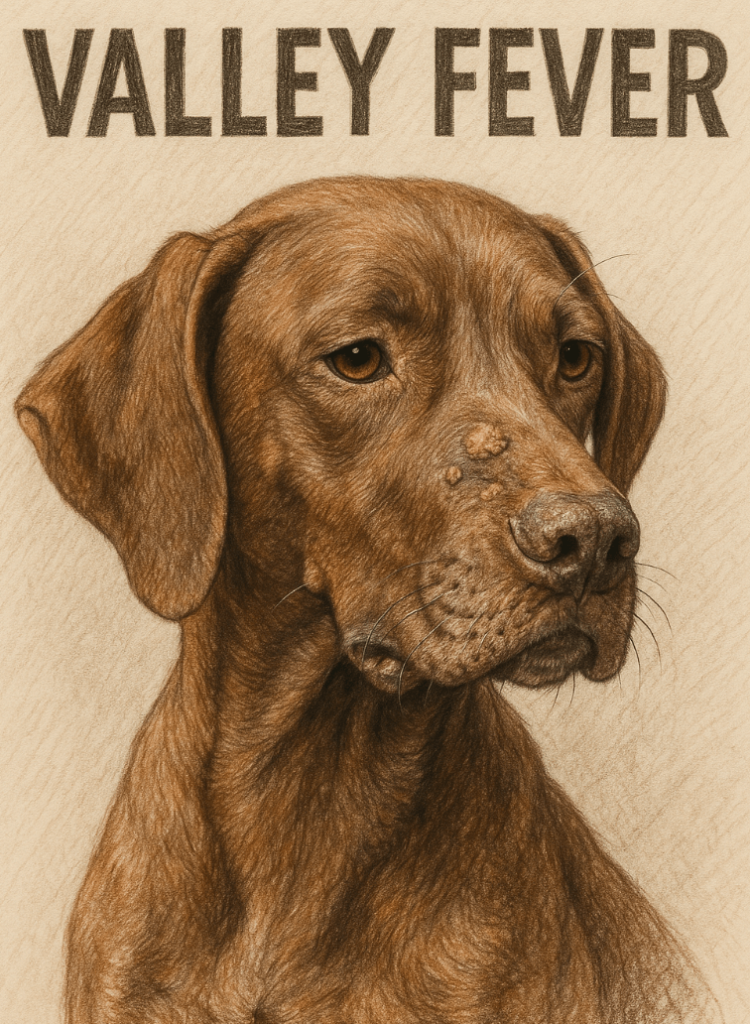

Valley Fever in Dogs: What Every Pet Owner Needs to Know
Valley fever, also known as coccidioidomycosis, is a fungal infection that can affect dogs living in or traveling through specific regions of the southwestern United States, Mexico, and parts of Central and South America. While this condition is not contagious between animals or humans, it poses a significant health risk to dogs exposed to the fungus Coccidioides. Understanding the causes, symptoms, and treatment options for valley fever is crucial for pet owners who want to protect their furry companions. In this blog post, we’ll explore everything you need to know about valley fever in dogs, from prevention to long-term care, ensuring your dog stays healthy and happy.
Understanding Valley Fever: Causes and Risk Factors
Valley fever is caused by inhaling spores of the fungus Coccidioides, which thrives in arid, desert-like environments. Certain factors increase a dog’s risk of contracting this infection. Here’s what you need to know:
Geographic Location:
The fungus is most commonly found in areas like Arizona, California, Nevada, New Mexico, Texas, and northern Mexico. Dogs living in or visiting these regions are at higher risk.Outdoor Activities:
Dogs that spend a lot of time outdoors, especially digging or sniffing in dusty soil, are more likely to inhale the spores.Weakened Immune System:
Dogs with compromised immune systems may struggle to fight off the infection once exposed.Breed Predisposition:
Some breeds, such as Boxers and Doberman Pinschers, appear to be more susceptible to severe cases of valley fever.Age and Health Status:
Older dogs or those with pre-existing health conditions may experience more severe symptoms.
Understanding these risk factors can help you take preventive measures to protect your dog from exposure.
Common Symptoms of Valley Fever in Dogs
Recognizing the signs of valley fever early is essential for timely diagnosis and treatment. Symptoms can vary depending on whether the infection remains localized or spreads throughout the body.
Persistent Coughing:
A dry, hacking cough is one of the most common signs, indicating respiratory involvement.Lethargy and Weakness:
Infected dogs often appear unusually tired or reluctant to engage in physical activities.Fever and Loss of Appetite:
Dogs may develop a fever and show disinterest in food due to systemic inflammation.Joint Swelling and Lameness:
If the infection spreads to the bones or joints, dogs may exhibit lameness or difficulty moving.Skin Lesions or Swollen Lymph Nodes:
Some dogs develop visible skin sores or swollen lymph nodes near the site of infection.
If you notice any of these symptoms, consult your veterinarian promptly to rule out or confirm valley fever.
Check this guide 👉How to Tell If Your Dog Has a Fever: Best 7 Expert Tips!
Check this guide 👉Cat Scratch Fever in Dogs: Best 7 Expert Tips!
Check this guide 👉Cholecalciferol Toxicity in Dogs: Best 7 Expert Tips!
Preventive Measures for Valley Fever | Treatment Options for Infected Dogs |
|---|---|
Avoid walking dogs in dusty, desert areas | Antifungal medications like fluconazole |
Keep dogs indoors during dust storms | Regular monitoring of liver and kidney function |
Discourage digging in endemic regions | Pain management for joint or bone issues |
Use air purifiers in homes during high-risk seasons | Nutritional support to boost recovery |
Consult your vet about preventive strategies | Long-term treatment plans for chronic cases |
Diagnosing Valley Fever in Dogs
Accurate diagnosis is critical for effective treatment of valley fever. Veterinarians use several methods to confirm the presence of the infection.
Physical Examination:
Your vet will assess your dog’s overall health, looking for signs like coughing, lameness, or swollen lymph nodes.Blood Tests:
Specific blood tests can detect antibodies against Coccidioides, confirming exposure to the fungus.Radiographs (X-rays):
X-rays may reveal abnormalities in the lungs or bones caused by the infection.Urine Testing:
Urine antigen tests are highly sensitive and can detect the presence of the fungus in the body.Biopsy or Fine Needle Aspiration:
In some cases, tissue samples from affected areas are analyzed to confirm the diagnosis.
Early and accurate diagnosis ensures your dog receives the appropriate treatment to manage valley fever effectively.
Managing Long-Term Care for Dogs with Valley Fever
For dogs diagnosed with valley fever, long-term care is often necessary to ensure a full recovery and minimize complications.
Medication Adherence:
Most dogs require months of antifungal medication, and missing doses can lead to relapse.Regular Vet Check-Ups:
Frequent follow-ups allow your vet to monitor progress and adjust treatment as needed.Dietary Support:
A balanced diet rich in nutrients supports the immune system and aids recovery.Limit Physical Activity:
During treatment, restrict strenuous exercise to prevent strain on affected joints or organs.Monitor for Side Effects:
Watch for signs of liver or kidney stress caused by prolonged medication use and report them to your vet.
With proper care and attention, many dogs recover fully from valley fever and return to their normal routines.
Tips for Preventing Valley Fever Exposure
Preventing valley fever starts with minimizing your dog’s exposure to the fungus. Here are some actionable tips to keep your pet safe:
Avoid Dusty Areas:
Keep your dog away from dry, dusty environments where the fungus thrives.Use Protective Gear:
Consider using masks or protective clothing if your dog accompanies you in high-risk zones.Limit Outdoor Time During Dust Storms:
Stay indoors during windy days when fungal spores are more likely to spread.Clean Paws After Walks:
Wipe your dog’s paws and fur after outdoor adventures to remove potential spores.Stay Informed About Endemic Regions:
Research areas where valley fever is prevalent before traveling with your dog.
Taking these precautions reduces the risk of your dog inhaling harmful spores.
Supporting Your Dog’s Immune System
A strong immune system plays a vital role in helping your dog fight off infections like valley fever. Boosting their immunity can aid in both prevention and recovery.
Provide a Balanced Diet:
Feed your dog high-quality food rich in vitamins, minerals, and antioxidants.Supplement Wisely:
Omega-3 fatty acids and probiotics can enhance immune function and gut health.Ensure Adequate Hydration:
Keeping your dog hydrated supports overall health and detoxification processes.Minimize Stress:
Reduce environmental stressors to help your dog’s immune system function optimally.Encourage Regular Exercise:
Moderate physical activity strengthens the body and promotes well-being.
Supporting your dog’s immune system creates a solid foundation for fighting infections.
When to Seek Emergency Veterinary Care
While many cases of valley fever are manageable with routine veterinary care, certain situations require immediate attention. Knowing when to seek emergency help can save your dog’s life.
Difficulty Breathing:
Labored breathing or rapid panting could indicate severe lung involvement.Severe Lethargy or Collapse:
Sudden weakness or inability to stand may signal advanced systemic infection.Uncontrollable Bleeding or Bruising:
This could suggest complications affecting blood clotting or organ function.Sudden Swelling or Seizures:
These symptoms may indicate the infection has spread to the brain or spinal cord.Refusal to Eat or Drink for Days:
Prolonged loss of appetite can lead to dehydration and malnutrition.
Acting quickly in emergencies ensures your dog receives the urgent care they need.
Frequently Asked Questions About Valley Fever in Dogs
Can valley fever be transmitted from dogs to humans?
No, valley fever is not contagious between animals or people; it is contracted by inhaling fungal spores.
How long does treatment for valley fever last?
Treatment typically lasts several months to over a year, depending on the severity of the infection.
Is valley fever fatal for dogs?
While serious cases can be life-threatening, most dogs recover with proper treatment and care.
Can valley fever recur after treatment?
Yes, some dogs may experience a relapse, requiring additional rounds of medication.
Are there vaccines for valley fever?
Currently, there are no vaccines available for valley fever in dogs or humans.
Protecting Your Dog from Valley Fever
Valley fever is a challenging but manageable condition for dogs when detected early and treated appropriately. By understanding the risks, recognizing the symptoms, and working closely with your veterinarian, you can ensure your dog receives the best possible care. Whether you live in an endemic area or plan to travel with your pet, taking preventive measures can significantly reduce the likelihood of exposure. With love, patience, and dedication, you can help your furry friend overcome valley fever and enjoy a happy, healthy life.
Newfoundland Dog Personality: Best 7 Expert Tips! – Discover the gentle, loyal, and protective nature of this giant breed perfect for families.
Can Hot Pavement Burn Your Cats Paws? Best 7 Expert Tips! – Learn how to protect your cat’s paws from hot surfaces and prevent painful burns this summer.
Can Hot Pavement Burn Your Dogs Paws? Best 7 Expert Tips! – Learn how to protect your dog’s paws from hot surfaces and ensure safe summer walks.
Irish Wolfhound Size: Best 7 Expert Tips! – Discover the ideal height, weight, and care tips for this majestic giant breed. Learn how to manage their impressive stature responsibly.


