
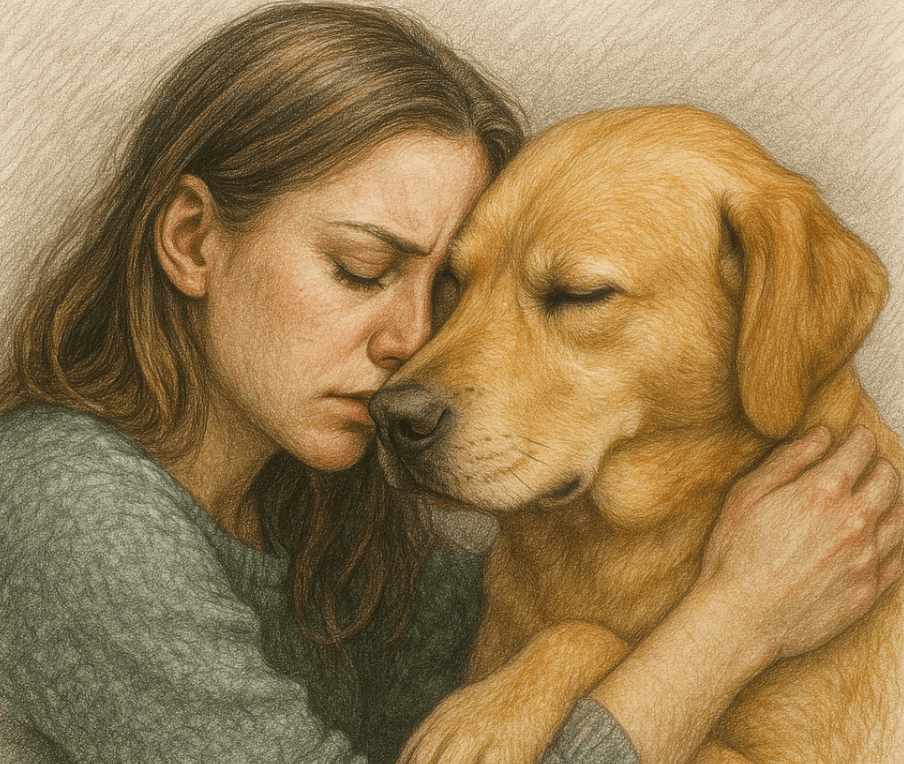

Can Dogs Sense Anxiety?
Dogs have long been celebrated as man’s best friend, not just for their loyalty but also for their uncanny ability to connect with us on an emotional level. One of the most intriguing aspects of this bond is their apparent sensitivity to our moods, particularly anxiety. Whether it’s a comforting nuzzle during a stressful moment or a watchful gaze when we’re feeling overwhelmed, dogs seem to instinctively pick up on our emotional states.
But can dogs truly sense anxiety, and if so, how do they do it? In this blog post, we’ll explore the science behind this phenomenon, the ways dogs respond to human emotions, and how you can strengthen your bond with your furry companion through understanding their unique abilities.
How Dogs Detect Anxiety in Humans
Dogs are incredibly perceptive animals, equipped with heightened senses that allow them to pick up on subtle cues we may not even realize we’re giving off. Here’s how they manage to sense anxiety in their human companions.
Body Language Cues:
Dogs are experts at reading body language. They notice changes in posture, such as slouched shoulders or fidgeting hands, which often accompany anxiety.Facial Expressions:
A dog can detect tension in your face, such as furrowed brows or a clenched jaw, signaling that something is amiss.Changes in Scent:
Human bodies release different chemicals when stressed, including cortisol. Dogs’ powerful sense of smell allows them to detect these hormonal changes.Tone of Voice:
The pitch, volume, and rhythm of your voice change when you’re anxious, and dogs are highly attuned to these auditory signals.Behavioral Patterns:
If you’re pacing, avoiding eye contact, or exhibiting other unusual behaviors, your dog will quickly pick up on these signs.
Through these sensory superpowers, dogs create a detailed picture of our emotional state, often before we even realize we’re feeling anxious.
How Dogs Respond to Human Anxiety
Once a dog senses that their owner is anxious, their response is typically rooted in their natural instincts to provide comfort and support. These reactions highlight the depth of their emotional intelligence.
Physical Comfort:
Many dogs will lean against you, rest their head on your lap, or cuddle close to offer reassurance.Increased Attention:
Your dog may become more attentive, following you around or checking in frequently to ensure you’re okay.Calming Behaviors:
Some dogs exhibit calming signals, such as yawning or licking, in an attempt to soothe both themselves and their anxious human.Protective Instincts:
Guarding behavior, like standing between you and perceived threats, is common when a dog senses vulnerability.Mirroring Emotions:
Dogs can sometimes mirror their owner’s anxiety, displaying signs of stress themselves, such as panting or whining.
These responses demonstrate the deep emotional connection dogs share with their humans, making them invaluable companions during difficult times.
Check this guide 👉Cat vs Dog Senses: Best 7 Expert Tips!
Check this guide 👉My Dog Went Deaf Overnight: Best 7 Expert Tips!
Check this guide 👉Best Service Dog Breeds for PTSD and Anxiety: Best 7 Tips!
Ways Dogs Sense Anxiety | How Dogs Respond to Anxiety |
|---|---|
Picking up on body language cues | Offering physical comfort (leaning, cuddling) |
Detecting changes in scent (cortisol) | Increasing attention and vigilance |
Noticing facial expressions | Exhibiting protective behaviors |
Hearing shifts in tone of voice | Displaying calming signals (yawning, licking) |
Observing behavioral patterns | Mirroring their owner’s emotions |
Scientific Evidence Supporting Dogs’ Ability to Sense Anxiety
Research has increasingly validated what many dog owners already know: dogs are highly sensitive to human emotions. Here’s what science tells us about this extraordinary ability.
Olfactory Studies:
Research shows that dogs can detect specific scents associated with stress, such as increased cortisol levels, through their advanced sense of smell.Behavioral Experiments:
Studies have demonstrated that dogs can distinguish between happy and sad human faces, suggesting they understand emotional expressions.Heart Rate Monitoring:
Some studies indicate that a dog’s heart rate increases when their owner is stressed, showing physiological synchronization.Service Dog Training Programs:
Organizations train therapy and service dogs to recognize and respond to anxiety-related symptoms, proving their capability to assist those in need.Neurological Insights:
Brain imaging studies reveal that dogs process human emotions similarly to how they process other dogs’ emotions, highlighting their emotional intelligence.
The scientific consensus confirms that dogs possess an innate ability to sense and respond to human anxiety, reinforcing their role as empathetic companions.
Tips for Helping Your Dog Manage Your Anxiety
While dogs are naturally attuned to our emotions, managing their response to our anxiety requires thoughtful guidance. These tips can help ensure both you and your dog stay calm and connected.
Maintain Routine:
Dogs thrive on consistency; sticking to a predictable schedule minimizes stress for both of you.Practice Calm Energy:
Practice mindfulness techniques, such as deep breathing, to project calmness that your dog can pick up on.Provide Mental Stimulation:
Engage your dog in activities like puzzle toys or training sessions to distract them from your anxious energy.Encourage Exercise:
Regular walks or playtime help burn off excess energy, reducing the likelihood of mirroring your stress.Seek Professional Help:
If your anxiety significantly impacts your dog, consider consulting a veterinarian or animal behaviorist for tailored advice.
By taking proactive steps, you can create a harmonious environment where both you and your dog feel supported.
Signs Your Dog Senses Your Anxiety
If you’re wondering whether your dog has picked up on your anxiety, look for these telltale signs. Understanding their behavior helps you address both your needs and theirs.
Increased Affection:
Your dog may seek out more physical contact, such as cuddling or sitting closer than usual.Restlessness or Pacing:
Dogs often mirror their owner’s unease by becoming restless or unable to settle down.Vigilant Behavior:
A dog sensing anxiety may become overly watchful, scanning the environment for potential threats.Licking or Nudging:
Excessive licking or nudging is a common way dogs try to comfort their anxious humans.Changes in Appetite:
Stress can affect your dog’s eating habits, leading to reduced interest in food.
Recognizing these signs allows you to take steps to reassure both yourself and your dog.
Breeds Known for Sensing and Responding to Anxiety
Certain dog breeds are renowned for their sensitivity to human emotions and their ability to provide comfort during anxious moments.
Labrador Retriever:
Known for their friendly and empathetic nature, Labs excel as therapy and service dogs.Golden Retriever:
Their gentle temperament and intuitive understanding make them ideal emotional support companions.German Shepherd:
Often used in service roles, German Shepherds are highly perceptive and protective of their owners.Poodle:
Intelligent and responsive, Poodles adapt well to emotional support tasks and training programs.Cavalier King Charles Spaniel:
With their affectionate demeanor, Cavaliers are natural comforters for those experiencing stress.
These breeds highlight the diversity of dogs capable of forming deep emotional connections with humans.
How to Strengthen Your Dog’s Emotional Intelligence
Enhancing your dog’s ability to sense and respond to emotions can deepen your bond and improve their overall behavior.
Positive Reinforcement Training:
Reward calm and supportive behaviors to encourage them to repeat these actions during anxious moments.Socialization Exercises:
Expose your dog to various environments and people to build confidence and emotional resilience.Bonding Activities:
Spend quality time together through activities like grooming, playing, or walking to strengthen your connection.Teach Relaxation Commands:
Use commands like “settle” or “calm” to guide your dog into a relaxed state when they sense anxiety.Monitor Your Own Emotions:
Managing your stress levels creates a calmer environment, helping your dog stay balanced and focused.
By fostering emotional awareness in your dog, you create a harmonious relationship built on mutual trust and understanding.
Frequently Asked Questions About Dogs Sensing Anxiety
Can all dogs sense anxiety, or only certain breeds?
All dogs have the ability to sense anxiety, though some breeds, like Labrador Retrievers or German Shepherds, are particularly attuned due to their training for service roles.
Do dogs get anxious when they sense their owner’s anxiety?
Yes, dogs may mirror their owner’s emotions, displaying signs of stress themselves.
Can dogs be trained to help with anxiety disorders?
Absolutely! Therapy and service dogs are specifically trained to assist individuals with anxiety and other mental health conditions.
Is it possible to hide my anxiety from my dog?
While you can try to mask your emotions, dogs are highly perceptive and may still pick up on subtle cues.
What should I do if my dog reacts negatively to my anxiety?
Address the root cause of their reaction by maintaining calm energy, providing distractions, and seeking professional guidance if needed.
Strengthening the Bond Through Emotional Awareness
The ability of dogs to sense anxiety is a testament to their incredible emotional intelligence and unwavering loyalty. By recognizing and appreciating this gift, we can nurture a deeper bond with our furry friends while ensuring their well-being remains a priority. Whether you’re struggling with stress or simply marveling at your dog’s intuition, remember that their presence alone can bring immense comfort and joy. With patience, understanding, and mutual care, you and your dog can navigate life’s challenges together, creating a partnership built on trust, love, and shared resilience.
Spleen Cancer in Cats: Best 7 Expert Tips! – Expert insights on symptoms, care, treatment & quality of life for feline spleen cancer.
Dog Mastitis Treatment: Best 7 Expert Tips! – Safe, vet-approved care for nursing moms & prevention strategies.
The Shikoku Ken Dog: Best 7 Expert Tips! – Discover expert care, training & health advice for this rare, loyal Japanese mountain breed.
The Cairn Terrier Dog Breed: Best 7 Expert Tips! – Discover care, training & health advice for this spirited, loyal Scottish terrier.


