
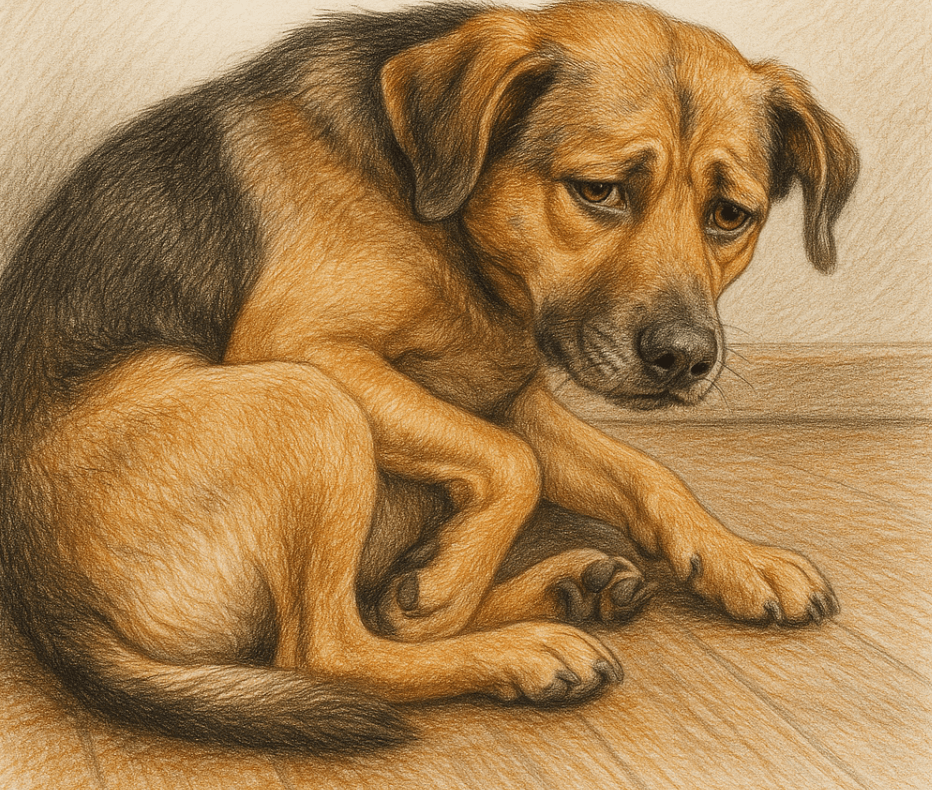

Hemorrhagic Gastroenteritis in Dogs: Best 7 Tips!

Hemorrhagic Gastroenteritis in Dogs: Best 7 Tips!

Understanding Hemorrhagic Gastroenteritis in Dogs


Hemorrhagic gastroenteritis (HGE) is a serious and potentially life-threatening condition that affects dogs, causing sudden and severe gastrointestinal distress. Characterized by vomiting, diarrhea (often bloody), and rapid dehydration, HGE requires immediate veterinary attention to prevent complications. While the exact cause of this condition remains unclear, certain factors such as dietary indiscretion, stress, or infections may contribute to its onset.

As a responsible pet owner, recognizing the signs of hemorrhagic gastroenteritis early can make all the difference in your dog’s recovery. In this blog post, we’ll explore everything you need to know about HGE, from symptoms and treatment options to prevention strategies, ensuring you’re equipped to protect your furry friend’s health.

Signs and Symptoms of Hemorrhagic Gastroenteritis


Recognizing the symptoms of hemorrhagic gastroenteritis is crucial for seeking timely veterinary care. This condition progresses rapidly, so being aware of these warning signs can save your dog’s life.

 
  • Bloody Diarrhea:
    One of the hallmark symptoms of HGE is diarrhea containing bright red blood, often described as “raspberry jam” in appearance.

  • Vomiting:
    Frequent vomiting, sometimes accompanied by bile or blood, is another common symptom of this condition.

  • Lethargy:
    Dogs with HGE often appear weak, tired, or unwilling to engage in normal activities due to dehydration and discomfort.

  • Loss of Appetite:
    A sudden refusal to eat or drink is a red flag that something is seriously wrong with your dog’s digestive system.

  • Rapid Dehydration:
    Due to fluid loss from vomiting and diarrhea, dogs can become severely dehydrated within hours, leading to additional complications.


If you notice any combination of these symptoms, it’s essential to contact your veterinarian immediately to rule out or treat hemorrhagic gastroenteritis.


Causes and Risk Factors of Hemorrhagic Gastroenteritis


While the exact cause of hemorrhagic gastroenteritis remains unknown, several factors may increase a dog’s risk of developing this condition. Understanding these potential triggers can help you take preventive measures.

 
  • Dietary Indiscretion:
    Eating spoiled food, garbage, or non-food items can irritate the stomach lining and trigger an episode of HGE.

  • Stress or Anxiety:
    High-stress situations, such as travel, loud noises, or changes in routine, may predispose some dogs to gastrointestinal issues.

  • Bacterial Infections:
    Certain bacteria, like Clostridium perfringens, have been linked to cases of hemorrhagic gastroenteritis in dogs.

  • Allergies or Food Sensitivities:
    Dogs with sensitive stomachs or allergies may be more prone to developing severe digestive problems.

  • Small Breed Predisposition:
    Smaller breeds, such as Toy Poodles and Yorkshire Terriers, are statistically more likely to experience HGE than larger breeds.


By identifying and minimizing these risk factors, you can reduce the likelihood of your dog developing this alarming condition.

Hemorrhagic Gastroenteritis in Dogs: Best 7 Tips!
Symptoms of Hemorrhagic Gastroenteritis
Treatment Options for HGE
Bloody diarrhea
Intravenous fluids for hydration
Frequent vomiting
Antibiotics to prevent infection
Lethargy and weakness
Anti-nausea medications to stop vomiting
Loss of appetite
Dietary adjustments during recovery
Rapid dehydration
Monitoring in a veterinary hospital

Treatment Options for Hemorrhagic Gastroenteritis


Prompt and aggressive treatment is essential for managing hemorrhagic gastroenteritis and ensuring your dog’s recovery. Here’s what you can expect from the treatment process.

 
  • Intravenous Fluids:
    Rehydration is the first priority, as dogs with HGE often suffer from severe fluid loss due to vomiting and diarrhea.

  • Antibiotics:
    To prevent secondary infections, veterinarians may prescribe antibiotics, even if no bacterial cause is confirmed.

  • Anti-Nausea Medications:
    These drugs help control vomiting, allowing your dog’s stomach to rest and begin healing.

  • Pain Management:
    Pain relief medications may be administered to keep your dog comfortable during treatment.

  • Dietary Adjustments:
    Once stabilized, your dog may need a bland diet or prescription food to ease their digestive system back to normal.


With proper veterinary care, most dogs recover fully from HGE, but early intervention is key to a successful outcome.


Preventing Hemorrhagic Gastroenteritis in Dogs


While it’s impossible to completely eliminate the risk of hemorrhagic gastroenteritis, there are steps you can take to minimize the chances of your dog developing this condition.

 
  • Provide a Balanced Diet:
    Feed your dog high-quality, nutritionally balanced food to support their overall health and digestive system.

  • Avoid Table Scraps:
    Human food, especially fatty or spicy items, can upset your dog’s stomach and increase the risk of HGE.

  • Monitor Access to Garbage:
    Keep trash cans securely closed to prevent your dog from eating harmful substances.

  • Reduce Stress:
    Create a calm and predictable environment to help your dog feel safe and relaxed.

  • Regular Vet Check-Ups:
    Routine veterinary visits can help identify underlying health issues before they escalate into emergencies.


By implementing these preventive measures, you can significantly lower your dog’s risk of experiencing hemorrhagic gastroenteritis.

Common Misconceptions About Hemorrhagic Gastroenteritis


There are several misconceptions about hemorrhagic gastroenteritis that can lead to confusion or delayed treatment. Clarifying these myths helps pet owners respond appropriately.

 
  • HGE Is Always Caused by Diet:
    While diet can play a role, HGE often occurs without a clear dietary trigger.

  • Only Small Breeds Are Affected:
    Although small breeds are more prone, HGE can affect dogs of any size or breed.

  • It’s Just a Stomach Bug That Will Pass:
    HGE is far more serious than a mild stomach upset and requires immediate veterinary care.

  • Recovery Happens Overnight:
    Full recovery can take days or weeks, depending on the severity of the case.

  • It’s Preventable with Vaccines:
    Unfortunately, there is no vaccine to prevent HGE, making awareness and prevention even more critical.


Understanding these facts ensures you’re better prepared to handle this condition.

How to Support Your Dog During Recovery from HGE


After your dog receives treatment for hemorrhagic gastroenteritis, ongoing care at home is vital to ensure a smooth recovery. Here are some tips to help your pup heal.

 
  • Follow Veterinary Instructions:
    Stick to the prescribed medications and dietary recommendations provided by your vet.

  • Offer Small, Frequent Meals:
    Feeding smaller portions more frequently reduces strain on the digestive system.

  • Provide Plenty of Water:
    Ensure fresh water is always available to prevent dehydration during recovery.

  • Limit Physical Activity:
    Avoid strenuous exercise or play until your dog is fully recovered to allow their body to heal.

  • Watch for Recurrence:
    Monitor your dog closely for any signs of relapse and report concerns to your vet promptly.


With proper aftercare, your dog can regain their strength and return to their playful self.

When to Seek Emergency Care for Your Dog


Knowing when to seek emergency veterinary care can save your dog’s life, especially in cases of hemorrhagic gastroenteritis. Here are signs that warrant an immediate trip to the vet.

 
  • Persistent Vomiting or Diarrhea:
    If your dog vomits repeatedly or produces bloody stools, it’s time to see a professional.

  • Signs of Severe Dehydration:
    Look for sunken eyes, dry gums, or lethargy, which indicate your dog needs fluids urgently.

  • Extreme Weakness or Collapse:
    If your dog is unable to stand or seems unresponsive, seek help immediately.

  • Abdominal Pain or Swelling:
    A bloated or tender abdomen could signal a complication requiring urgent attention.

  • Refusal to Eat or Drink:
    A dog that won’t consume food or water for more than 24 hours needs medical evaluation.


Acting quickly in these situations ensures your dog receives the care they need to survive and thrive.

Frequently Asked Questions About Hemorrhagic Gastroenteritis

 
What should I do if I suspect my dog has HGE?

Contact your veterinarian immediately, as HGE requires urgent medical attention to prevent complications.

No, hemorrhagic gastroenteritis is not considered contagious, though certain bacteria involved may pose risks.

While small breeds are more commonly affected, large breed dogs can also develop this condition.

With proper treatment, most dogs recover within a few days to a week, though full recovery may take longer.

Yes, without prompt veterinary care, HGE can lead to severe dehydration, organ failure, and death.

Staying Vigilant Against Hemorrhagic Gastroenteritis


Hemorrhagic gastroenteritis is a frightening condition that demands swift action to ensure your dog’s survival. By familiarizing yourself with the symptoms, understanding the treatment process, and taking preventive measures, you can safeguard your pet’s health and well-being. Remember, your vigilance and prompt response are the keys to overcoming this challenging illness. If you ever suspect your dog is showing signs of HGE, don’t hesitate—seek veterinary care immediately. Your furry companion depends on you to keep them safe, happy, and healthy.

 
Keeping Your Dog Safe This Summer: Best 7 Expert Tips!

Keeping Your Dog Safe This Summer: Best 7 Expert Tips! – Learn how to protect your pup from heatstroke, dehydration, and more this summer. Stay safe!

When Was Cat Food Invented? Best 7 Expert Tips!

When Was Cat Food Invented? Best 7 Expert Tips! – Discover the history, key milestones, and evolution of cat food from scraps to scientifically balanced diets.

When Was Dog Food Invented? Best 7 Expert Tips!

When Was Dog Food Invented? Best 7 Expert Tips! – Discover the origins, evolution, and milestones of dog food, and how it transformed pet nutrition over time.

Kintamani Dutch Shepherd Mix: Best 7 Expert Tips!

Kintamani Dutch Shepherd Mix: Best 7 Expert Tips! – Discover the perfect blend of loyalty, agility, and charm with this unique hybrid. Learn expert care tips now!

Leave a Reply

Your email address will not be published. Required fields are marked *

Post Category