
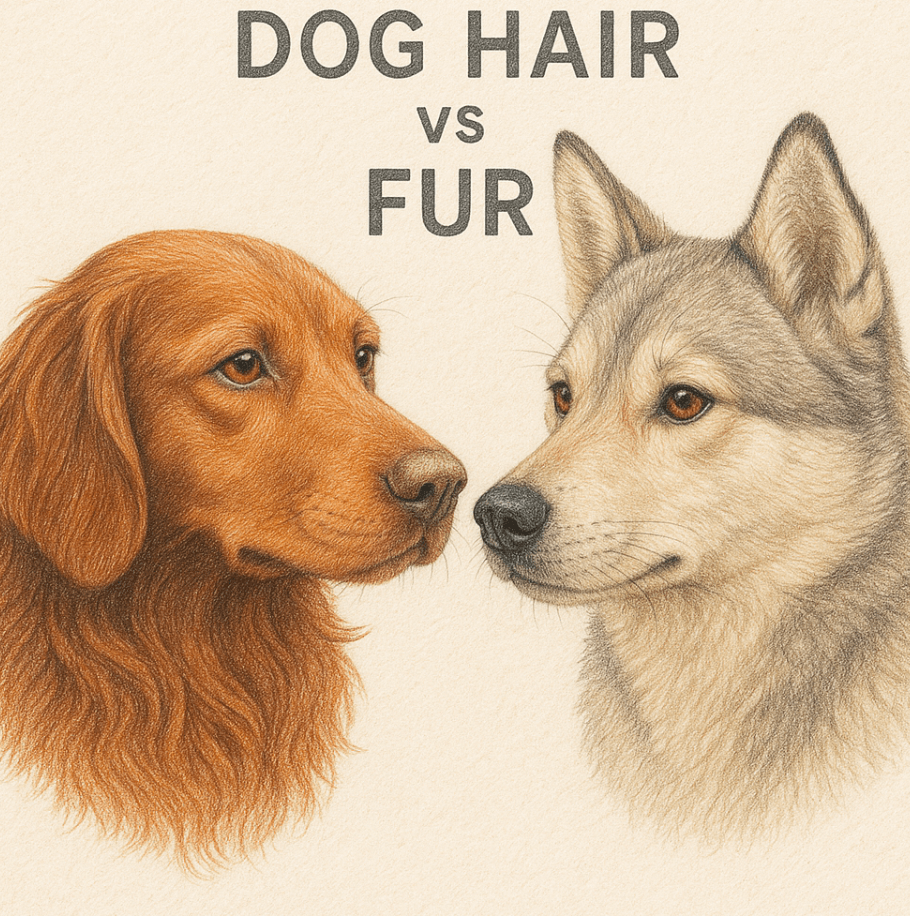

Dog Hair vs Fur: Best 7 Expert Tips!

Dog Hair vs Fur: Best 7 Expert Tips!

Dog Hair vs Fur: Understanding the Difference


When it comes to our furry companions, one common question that arises is whether dogs have hair or fur. While these terms are often used interchangeably in casual conversation, they actually refer to distinct characteristics of a dog’s coat. Understanding the difference between dog hair and fur is essential for grooming, managing shedding, and choosing the right breed for your lifestyle. Whether you’re a seasoned dog owner or considering adopting a pup, this blog post will delve into the nuances of dog hair vs fur, helping you better care for your four-legged friend.

Key Differences Between Dog Hair and Fur


While both hair and fur serve similar purposes—protecting dogs from the elements and regulating body temperature—they differ in structure, growth patterns, and maintenance needs. Here’s a breakdown of their key distinctions:

 
  • Growth Cycle:
    Hair has a longer growth cycle, meaning it grows continuously and doesn’t shed as frequently. Fur, on the other hand, has a shorter growth cycle and sheds more regularly.

  • Texture and Density:
    Hair tends to be finer and smoother, while fur is often denser and thicker, providing better insulation.

  • Shedding Levels:
    Dogs with hair typically shed less than those with fur, making them a better choice for people with allergies (though no dog is truly hypoallergenic).

  • Breed Examples:
    Breeds like Poodles and Bichon Frises have hair, while Huskies and Golden Retrievers are examples of dogs with fur.

  • Maintenance Requirements:
    Hair requires more frequent grooming to prevent matting, whereas fur may need regular brushing to manage shedding.


Understanding these differences can help you tailor your grooming routine to suit your dog’s specific coat type.

Benefits of Dog Hair vs Fur


Both hair and fur come with their own set of advantages, depending on your preferences and lifestyle. Here’s how each type of coat benefits dogs and their owners:

 
  • Hair: Reduced Shedding:
    Dogs with hair tend to shed minimally, keeping your home cleaner and reducing the need for constant vacuuming.

  • Fur: Superior Insulation:
    The dense undercoat of fur provides excellent protection against cold weather, making fur-covered breeds ideal for colder climates.

  • Hair: Lower Allergen Spread:
    While not hypoallergenic, dogs with hair produce fewer allergens, making them more suitable for allergy sufferers.

  • Fur: Natural Weather Resistance:
    Fur helps regulate body temperature, keeping dogs cool in summer and warm in winter.

  • Hair: Easier to Style:
    Hair can be trimmed and styled in various ways, offering more versatility for show dogs or fashion-conscious owners.


Each coat type has its unique perks, so consider your priorities when choosing a dog breed.

Dog Hair vs Fur: Best 7 Expert Tips!
Characteristics of Dog Hair
Characteristics of Dog Fur
Longer growth cycle
Shorter growth cycle
Finer and smoother texture
Thicker and denser texture
Minimal shedding
Regular shedding
Requires frequent grooming
Needs regular brushing to reduce mats
Ideal for allergy-sensitive homes
Provides better insulation

How to Care for Dogs with Hair Coats


Dogs with hair coats require specific grooming practices to maintain their appearance and health. Here are some tips for keeping their coats in top condition:

 
  • Regular Trimming:
    Schedule professional trims every 6-8 weeks to prevent overgrowth and maintain a neat appearance.

  • Daily Brushing:
    Use a slicker brush or comb to remove tangles and prevent matting, especially in long-haired breeds.

  • Moisturizing Products:
    Apply conditioner or leave-in sprays during baths to keep their hair soft and hydrated.

  • Allergy Management:
    Clean your home frequently and use air purifiers to minimize allergens, even though hair-shedding dogs produce fewer irritants.

  • Professional Grooming:
    Consider enlisting a professional groomer for specialized styles or maintenance if you’re unsure about DIY grooming.


Proper care ensures your dog’s hair remains healthy, shiny, and manageable.

How to Manage Dogs with Fur Coats


Caring for dogs with fur involves addressing their shedding tendencies and maintaining their thick coats. Follow these steps to keep your furry friend comfortable and happy:

 
  • Frequent Brushing:
    Use a deshedding tool or slicker brush several times a week to remove loose fur and minimize shedding around the house.

  • Seasonal Grooming:
    Trim their coat slightly during warmer months to help regulate body temperature without compromising insulation.

  • Bathing Routine:
    Bathe your dog monthly or as needed, using shampoos designed for their coat type to avoid dryness or irritation.

  • Check for Mats:
    Inspect areas prone to tangling, such as behind the ears or under the legs, and gently detangle any knots.

  • Nutritional Support:
    Feed a balanced diet rich in omega-3 fatty acids to promote a healthy, shiny coat and reduce excessive shedding.


With consistent care, you can manage shedding and keep your dog’s fur looking its best.

Common Misconceptions About Dog Hair and Fur


Several myths surround dog hair and fur, leading to confusion among pet owners. Clarifying these misconceptions ensures better care for your dog.

 
  • Myth: Hair Doesn’t Shed at All:
    While dogs with hair shed minimally, they still lose some strands—it’s just less noticeable than fur shedding.

  • Myth: Fur Is Always Thick and Warm:
    Not all fur is thick; some breeds have single-layered fur that’s lighter and less insulating.

  • Myth: Hair-Coated Dogs Are Hypoallergenic:
    Hair reduces allergens but doesn’t eliminate them entirely, so allergy sufferers should proceed cautiously.

  • Myth: All Double-Coated Dogs Overheat Easily:
    Double coats regulate temperature naturally; improper grooming can disrupt this balance, causing overheating.

  • Myth: Fur Requires Less Maintenance:
    Without regular brushing, fur can become matted and lead to skin issues, requiring significant upkeep.


Clearing up these myths helps you make informed decisions about coat care.

Seasonal Challenges for Dogs with Hair and Fur


Different coat types face unique challenges depending on the season. Understanding these seasonal effects ensures your dog stays comfortable year-round.

 
  • Summer Heat for Fur-Covered Dogs:
    Dense fur can trap heat, increasing the risk of overheating; ensure access to shade and fresh water.

  • Winter Cold for Hair-Covered Dogs:
    Dogs with thin hair may struggle in cold weather; consider protective clothing like sweaters or jackets.

  • Spring Shedding for Fur Dogs:
    Spring triggers heavy shedding as dogs “blow” their winter coats; increase brushing frequency during this time.

  • Dry Air for Hair-Covered Dogs:
    Winter air can dry out hair, leading to breakage; use moisturizing products to combat dryness.

  • Rainy Weather for Both Types:
    Wet conditions can cause matting in hair and dirt buildup in fur; dry your dog thoroughly after walks.


Adapting to seasonal changes keeps your dog’s coat healthy regardless of its type.


Tips for Reducing Allergens in Homes with Dogs


Living with a dog doesn’t have to mean dealing with constant allergens. These tips can help minimize exposure and keep your home clean.

 
  • Invest in an Air Purifier:
    HEPA filters effectively trap dander and allergens, improving indoor air quality.

  • Wash Bedding Regularly:
    Clean your dog’s bed weekly to remove accumulated hair, fur, and dander.

  • Vacuum Frequently:
    Use a vacuum with strong suction and a HEPA filter to capture particles embedded in carpets and furniture.

  • Bathe Your Dog Regularly:
    Bathing removes loose hair, fur, and dander, reducing the amount spread throughout your home.

  • Create Pet-Free Zones:
    Designate certain areas, like bedrooms, as off-limits to limit allergen exposure in sensitive spaces.


Implementing these strategies creates a cleaner, more comfortable environment for everyone in your household.

Frequently Asked Questions About Dog Hair vs Fur

 
Are there truly hypoallergenic dogs?

No dog is completely hypoallergenic, but breeds with hair produce fewer allergens compared to those with fur.

Not necessarily; shedding levels vary by breed, but fur-covered dogs generally shed more than those with hair.

Regular brushing and proper nutrition can help reduce shedding, but it’s a natural process for these breeds.

Slicker brushes, combs, and clippers work well for maintaining long-haired breeds.

Overactive sebaceous glands or infrequent bathing can cause a greasy coat; consult your vet if the issue persists.

Choosing the Right Coat Type for Your Lifestyle


Whether your dog has hair or fur, understanding the differences and care requirements is key to ensuring their comfort and happiness. Hair offers reduced shedding and easier allergy management, while fur provides superior insulation and weather resistance. By tailoring your grooming routine to your dog’s specific needs, you can enjoy a strong bond and a healthy, beautiful coat. Ultimately, the decision between hair and fur depends on your preferences, environment, and willingness to invest time in grooming. With the right knowledge and tools, you’ll be equipped to care for your furry—or hairy—companion with confidence.

Telomian Chow Chow Mix: Best 7 Expert Tips!

Telomian Chow Chow Mix: Best 7 Expert Tips! – Discover the unique blend of loyalty, agility, and independence in this rare hybrid. Perfect for devoted dog lovers!

Telomian Akita Mix: Best 7 Expert Tips!

Telomian Akita Mix: Best 7 Expert Tips! – Discover the perfect blend of loyalty, strength, and agility in this unique hybrid. Learn care, training, and health tips!

Telomian Bernese Mountain Dog Mix: Best 7 Expert Tips!

Telomian Bernese Mountain Dog Mix: Best 7 Expert Tips! – Discover the perfect blend of agility, loyalty, and charm in this unique hybrid companion.

Telomian Bulldog Mix: Best 7 Expert Tips!

Telomian Bulldog Mix: Best 7 Expert Tips! – Discover the perfect blend of loyalty, energy, and charm with this unique hybrid breed. Ideal for active families!

Leave a Reply

Your email address will not be published. Required fields are marked *

Recent Post

Post Category


