

Saint Bernard Newfoundland Dog: A Gentle Giant’s Guide
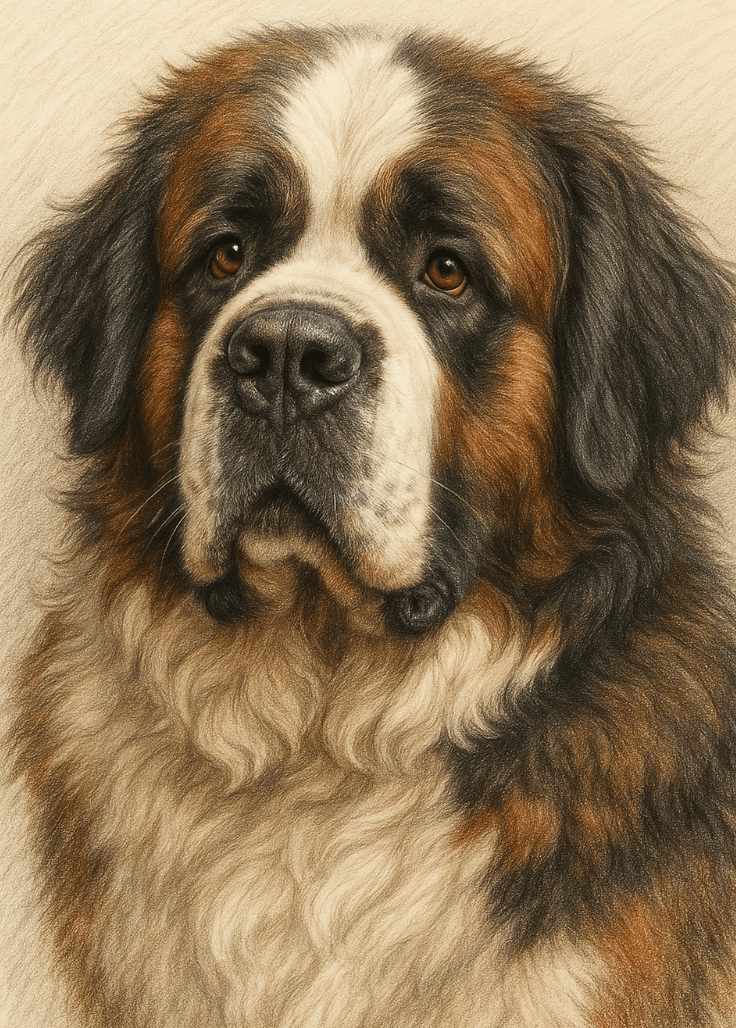
The Saint Bernard Newfoundland dog is a majestic hybrid that combines the best traits of two iconic breeds: the Saint Bernard and the Newfoundland. Known for their massive size, gentle demeanor, and unwavering loyalty, these dogs are perfect for families seeking a loving and protective companion. Whether you’re drawn to their impressive stature or their heartwarming personalities, understanding this unique mix is key to providing them with the care and attention they deserve. In this blog post, we’ll explore everything you need to know about the Saint Bernard Newfoundland dog, from their temperament and physical characteristics to tips for raising a happy and healthy pup.
Key Traits of the Saint Bernard Newfoundland Dog
This hybrid breed inherits a wonderful blend of traits from its parent breeds, making it a standout choice for those who appreciate a balance of strength and gentleness. Here’s what to expect from your Saint Bernard Newfoundland dog.
Gentle and Affectionate Nature:
Known for their calm and loving personalities, these dogs thrive on human companionship and make excellent family pets.Protective Instincts:
With their imposing size and watchful eyes, they naturally take on the role of guardian, keeping your home safe without aggression.High Intelligence:
Both parent breeds are smart and eager to please, making this mix relatively easy to train with consistent guidance.Adaptability to Cold Weather:
Thanks to their thick coats, they excel in colder climates but may struggle in extreme heat.Moderate Exercise Needs:
While not overly energetic, they still require daily walks and playtime to stay healthy and content.
These traits highlight why the Saint Bernard Newfoundland dog is such a beloved companion for those who can accommodate their needs.
Physical Characteristics of the Saint Bernard Newfoundland Dog
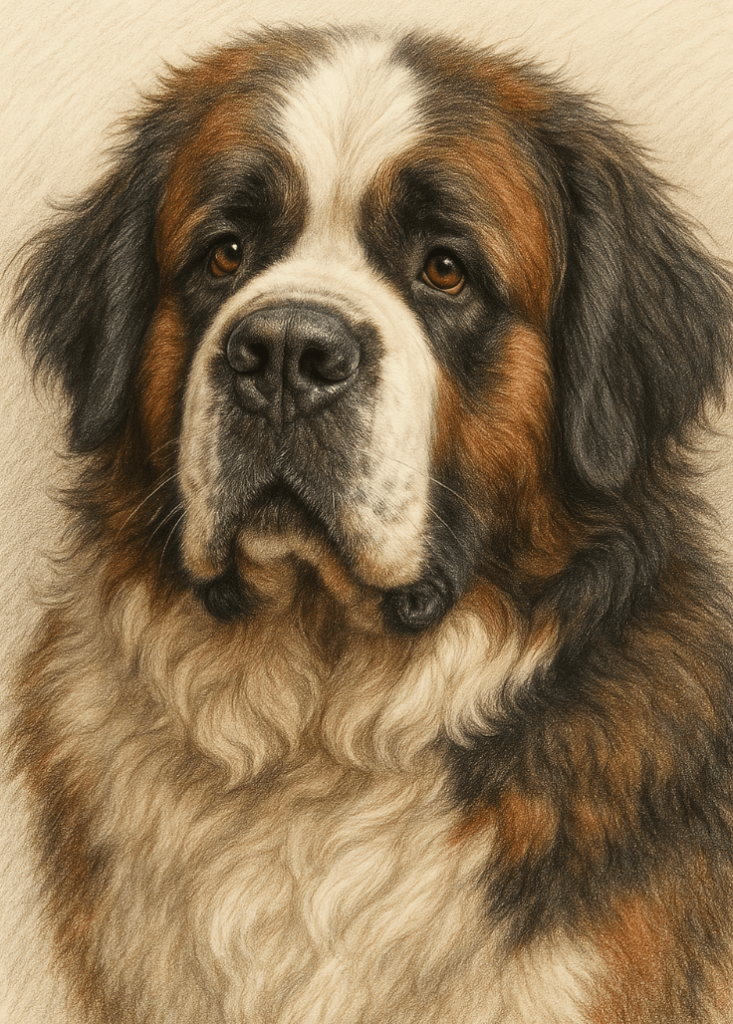
The Saint Bernard Newfoundland dog is a strikingly beautiful breed with a powerful presence. Their physical attributes reflect the best of both parent breeds, ensuring they stand out wherever they go.
Size and Weight:
Typically weighing between 120-180 pounds, they are one of the largest hybrid breeds, standing tall at 26-30 inches at the shoulder.Coat Type and Colors:
Their coat is usually thick and water-resistant, available in colors like black, brown, white, or a combination of these shades.Facial Features:
Expect expressive eyes and a kind face that mirrors the gentle soul behind it—a hallmark of both parent breeds.Lifespan Expectancy:
With proper care, they can live 8-10 years, providing many years of love and loyalty.Distinctive Build:
Muscular yet graceful, their sturdy frame reflects their working heritage while maintaining an air of elegance.
Their imposing yet endearing appearance makes the Saint Bernard Newfoundland dog a true gentle giant.
Check this guide 👉Dog Pale Gums vs Normal: Best 7 Expert Tips!
Check this guide 👉Saint Bernard Bernese Mountain Dog Mix: Best 7 Tips!
Check this guide 👉Saint Bernard Chow Chow Mix: Best 7 Expert Tips!
Pros of Owning a Saint Bernard Newfoundland Dog | Cons of Owning a Saint Bernard Newfoundland Dog |
|---|---|
Exceptionally loyal and affectionate | Requires significant space due to large size |
Great with children and other pets | Heavy shedding, especially during seasonal changes |
Calm and patient demeanor | Prone to health issues like hip dysplasia |
Natural protectors without aggression | Needs regular grooming to maintain coat health |
Thrives in cold weather environments | Not ideal for hot climates |
Training Tips for Your Saint Bernard Newfoundland Dog
Training a Saint Bernard Newfoundland dog requires patience, consistency, and positive reinforcement. Their intelligence and eagerness to please make them responsive learners, but their size means early training is essential.
Start Early:
Begin obedience training as a puppy to establish good habits and prevent behavioral issues later in life.Use Positive Reinforcement:
Treats, praise, and playtime are highly effective motivators for this food-loving and people-pleasing breed.Focus on Socialization:
Expose them to different people, animals, and environments early to build confidence and reduce fearfulness.Address Stubbornness with Patience:
While generally cooperative, they may display moments of stubbornness—stay calm and consistent during training.Teach Basic Commands:
Commands like “sit,” “stay,” and “come” are crucial for managing their large size and ensuring safety.
With the right approach, training becomes a bonding experience that brings out the best in your Saint Bernard Newfoundland dog.
Exercise Needs of the Saint Bernard Newfoundland Dog
Despite their large size, the Saint Bernard Newfoundland dog doesn’t require excessive exercise. However, regular physical activity is still important to keep them healthy and happy.
Daily Walks:
Aim for at least 30-60 minutes of walking each day to meet their moderate exercise needs.Playtime Indoors:
Interactive games like fetch or tug-of-war provide mental stimulation and strengthen your bond.Avoid Overexertion:
Due to their size and potential joint issues, avoid high-impact activities like jumping or running on hard surfaces.Mental Challenges:
Puzzle toys and scent-based games keep their sharp minds engaged and prevent boredom.Supervise Outdoor Time:
Ensure they’re always supervised in open spaces to prevent wandering or accidents.
Meeting their exercise needs ensures a calm and content demeanor at home.
Common Misconceptions About the Saint Bernard Newfoundland Dog
Despite their popularity, several misconceptions surround this hybrid breed. Clarifying these myths helps set realistic expectations for potential owners.
They Are Lazy Due to Their Size:
While calm indoors, they still require regular exercise to stay healthy and prevent obesity.All Mixes Have the Same Coat Length:
Coat length and texture can vary based on genetics, ranging from short to long and dense.They Don’t Need Training Because They’re Gentle:
Even the most docile dogs benefit from structured training to ensure good behavior and safety.They’re Naturally Good Swimmers:
While Newfoundlands are strong swimmers, Saint Bernards may not share this trait, so swimming ability varies.They’re Low-Maintenance Pets:
Their grooming, feeding, and healthcare needs are significant, requiring time and financial commitment.
Dispelling these myths ensures a deeper understanding of this magnificent breed.
Health Considerations for the Saint Bernard Newfoundland Dog
Like all large breeds, the Saint Bernard Newfoundland dog is prone to certain health issues inherited from their parent breeds. Being proactive about their care helps ensure a long and healthy life.
Hip Dysplasia:
A common condition in large breeds; maintaining a healthy weight and avoiding strenuous activity reduces risk.Bloat (Gastric Torsion):
Feeding smaller meals and avoiding vigorous exercise after eating helps prevent this life-threatening condition.Heart Conditions:
Regular cardiac screenings can detect issues early, allowing for timely intervention.Joint Problems:
Their size puts stress on joints; supplements like glucosamine may support joint health.Heat Sensitivity:
Their thick coats make them prone to overheating; provide shade and hydration during warm weather.
Proactive healthcare ensures a longer, healthier life for your beloved pet.
Fun Activities to Enjoy with Your Saint Bernard Newfoundland Dog
Living with this gentle giant means embracing opportunities for fun and bonding. These activities will keep them entertained while strengthening your connection.
Leash Training Adventures:
Take them on scenic walks or hikes to satisfy their curiosity and love for exploration.Interactive Toys:
Puzzle feeders and treat-dispensing toys provide mental stimulation and entertainment during downtime.Water Play (If Comfortable):
If your dog enjoys swimming, introduce them to safe water activities under supervision.Cuddle Time:
Their affectionate nature makes snuggling on the couch a favorite pastime for both of you.Car Rides:
Many Saint Bernard Newfoundland mixes enjoy car trips; secure them in a crate or harness for safety.
Engaging in these activities ensures a fulfilling life for your adventurous companion.
Frequently Asked Questions About the Saint Bernard Newfoundland Dog
Is this mix suitable for apartment living?
While possible, their large size makes them better suited for homes with spacious yards.
Are they good with children?
Yes, their gentle nature makes them excellent companions for kids when properly socialized.
Do they get along with other pets?
Generally yes, they tend to be friendly and tolerant of other animals.
Do they get along with other pets?
Regular brushing (2-3 times a week) is necessary to manage shedding and maintain their thick coat.
What health issues should I watch for?
Potential concerns include hip dysplasia, bloat, and heart conditions; regular vet check-ups are essential.
Embracing Life with a Saint Bernard Newfoundland Dog
The Saint Bernard Newfoundland dog is a remarkable companion that embodies the best qualities of two iconic breeds. Their gentle nature, protective instincts, and striking appearance make them a joy to own, but they also require thoughtful care and attention. By understanding their needs and committing to their well-being, you’ll be rewarded with a loyal and loving friend who brightens your days. If you’re ready to welcome a gentle giant into your life, this incredible mix could be the perfect addition to your family.
Newfoundland Dog Personality: Best 7 Expert Tips! – Discover the gentle, loyal, and protective nature of this giant breed perfect for families.
Can Hot Pavement Burn Your Cats Paws? Best 7 Expert Tips! – Learn how to protect your cat’s paws from hot surfaces and prevent painful burns this summer.
Can Hot Pavement Burn Your Dogs Paws? Best 7 Expert Tips! – Learn how to protect your dog’s paws from hot surfaces and ensure safe summer walks.
Irish Wolfhound Size: Best 7 Expert Tips! – Discover the ideal height, weight, and care tips for this majestic giant breed. Learn how to manage their impressive stature responsibly.


