
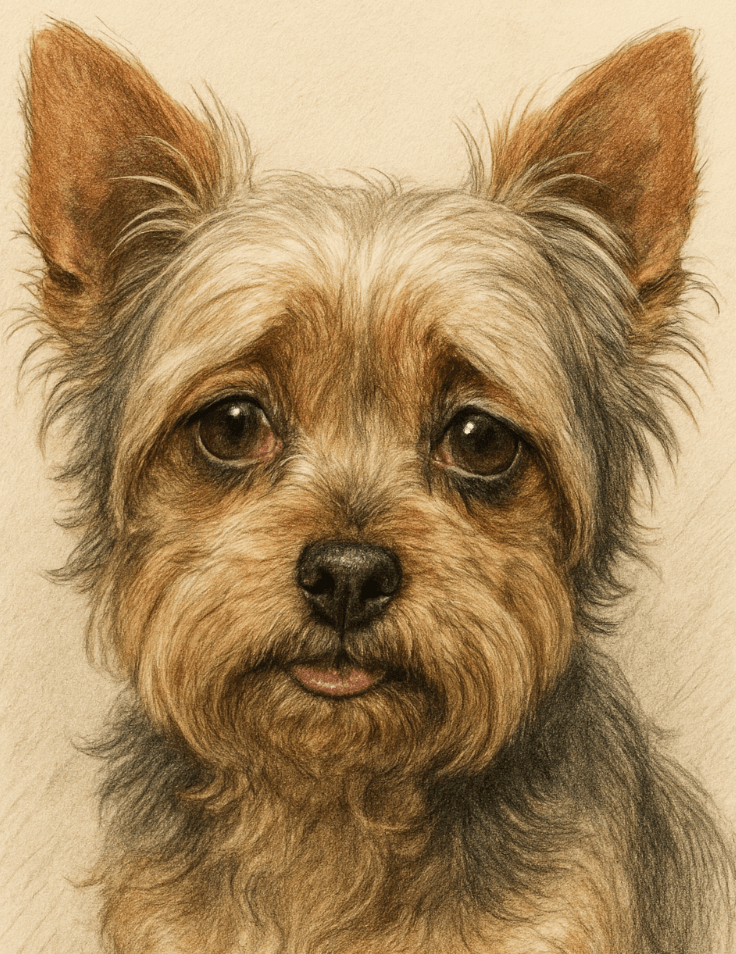

Yorkie Health Issues: Best 7 Expert Tips!

Yorkie Health Issues: Best 7 Expert Tips!

Yorkie Health Issues: What Every Owner Should Know


The Yorkshire Terrier, affectionately known as the Yorkie, is a beloved toy breed cherished for its playful personality, silky coat, and big-dog attitude in a pint-sized package. However, like all breeds, Yorkies are prone to certain health issues that every owner should be aware of to ensure their furry friend lives a long, happy, and healthy life. From dental problems to genetic conditions, understanding these potential challenges allows you to take proactive steps in caring for your Yorkie. In this blog post, we’ll explore common Yorkie health issues, prevention tips, and expert advice to help you provide the best care possible for your tiny companion.

Common Yorkie Health Issues to Watch For


Yorkies, while generally robust for their size, are predisposed to several health concerns that can affect their quality of life if not addressed promptly. Being familiar with these conditions helps you recognize symptoms early and seek appropriate veterinary care.

 
  • Dental Problems:
    Yorkies are highly prone to tartar buildup, gum disease, and tooth loss due to their small mouths and crowded teeth.

  • Luxating Patella:
    This condition, where the kneecap slips out of place, is common in small breeds and can cause lameness or discomfort.

  • Hypoglycemia:
    Low blood sugar levels, especially in puppies, can lead to weakness, seizures, or even collapse if untreated.

  • Tracheal Collapse:
    A collapsed trachea causes coughing and breathing difficulties, often triggered by pulling on a leash or excitement.

  • Portosystemic Shunt (Liver Shunt):
    This congenital condition affects the liver’s ability to filter toxins, leading to stunted growth and neurological symptoms.


By staying vigilant and addressing these issues early, you can minimize their impact on your Yorkie’s well-being.

Preventive Measures to Keep Your Yorkie Healthy


While some health issues are genetic and unavoidable, many can be managed or prevented with proper care and attention. Here are practical steps to safeguard your Yorkie’s health.

 
  • Regular Dental Care:
    Brush your Yorkie’s teeth daily and schedule professional cleanings to prevent dental disease.

  • Balanced Diet and Hydration:
    Feed high-quality food tailored to small breeds and ensure fresh water is always available to prevent hypoglycemia.

  • Safe Exercise Practices:
    Avoid high-impact activities and use harnesses instead of collars to protect their delicate joints and trachea.

  • Routine Vet Check-Ups:
    Schedule annual or biannual vet visits to monitor for early signs of health issues and keep vaccinations up to date.

  • Weight Management:
    Maintain a healthy weight to reduce strain on joints and prevent obesity-related complications.


Proactive measures like these can significantly improve your Yorkie’s chances of living a long and healthy life.

Yorkie Health Issues: Best 7 Expert Tips!
Prevention Tips for Yorkie Health Issues
Signs to Watch For
Daily teeth brushing and vet cleanings
Bad breath, swollen gums, loose teeth
High-quality diet and regular feeding
Lethargy, seizures, or weakness
Use harnesses instead of collars
Persistent coughing or wheezing
Monitor for joint stiffness or limping
Difficulty walking or holding up legs
Avoid overfeeding and unhealthy snacks
Obesity, sluggishness, or digestive issues

Genetic Conditions in Yorkies and How to Manage Them


Some health issues in Yorkies are inherited and require lifelong management. Understanding these conditions empowers you to provide the best care for your pet.

 
  • Progressive Retinal Atrophy (PRA):
    This degenerative eye disease leads to vision loss; regular eye exams can help detect it early.

  • Legg-Calvé-Perthes Disease:
    A hip joint disorder causing pain and lameness; surgery may be necessary in severe cases.

  • Pancreatitis:
    Inflammation of the pancreas can occur due to dietary indiscretion; feed a low-fat diet to reduce risk.

  • Collapsed Trachea Prevention:
    Avoid using collars and manage weight to reduce pressure on the airway.

  • Liver Shunt Management:
    Special diets and medications can help manage symptoms, though surgery may be required in some cases.


With proper care and veterinary guidance, many genetic conditions can be managed effectively.

Lifestyle Adjustments to Support Your Yorkie’s Health


Adapting your home and routines to accommodate your Yorkie’s needs can make a significant difference in their overall health and happiness.

 
  • Create a Safe Environment:
    Remove hazards like small objects, toxic plants, or sharp edges that could harm your curious Yorkie.

  • Provide Mental Stimulation:
    Puzzle toys, training sessions, and interactive play keep their minds sharp and prevent boredom.

  • Limit Stressful Situations:
    Minimize exposure to loud noises or chaotic environments, as stress can exacerbate health issues.

  • Monitor Temperature Changes:
    Yorkies are sensitive to extreme heat or cold; dress them in sweaters during winter and keep them cool in summer.

  • Establish a Routine:
    Consistent feeding, exercise, and sleep schedules help maintain their physical and emotional well-being.


These adjustments create a supportive environment that promotes your Yorkie’s health and happiness.


Tips for Managing Dental Health in Yorkies


Dental problems are one of the most prevalent health issues in Yorkies, but they can be managed with proper care. These tips will help you maintain your Yorkie’s oral hygiene.

 
  • Start Early:
    Begin brushing your Yorkie’s teeth as a puppy to get them accustomed to the routine.

  • Use Dog-Safe Toothpaste:
    Never use human toothpaste, as it contains ingredients toxic to dogs.

  • Incorporate Dental Chews:
    Offer dental treats designed to reduce plaque and tartar buildup.

  • Schedule Professional Cleanings:
    Regular vet cleanings under anesthesia are essential for deep cleaning and preventing advanced dental disease.

  • Monitor for Warning Signs:
    Watch for bad breath, drooling, or difficulty eating, which may indicate dental issues.


A proactive approach to dental care ensures your Yorkie maintains a healthy mouth and avoids painful complications.

Understanding Behavioral Changes Linked to Health Issues


Behavioral shifts in your Yorkie can sometimes signal underlying health problems. Recognizing these changes allows you to act quickly and seek veterinary advice.

 
  • Increased Aggression or Irritability:
    Pain or discomfort from conditions like arthritis or dental disease may cause irritability.

  • Loss of Appetite:
    Refusing food could indicate gastrointestinal issues, dental pain, or systemic illness.

  • Excessive Licking or Chewing:
    This behavior may point to allergies, skin infections, or joint pain.

  • Changes in Sleep Patterns:
    Restlessness or excessive sleeping can be signs of pain, anxiety, or other health concerns.

  • Reluctance to Move or Play:
    Lameness or stiffness may suggest joint problems like luxating patella or Legg-Calvé-Perthes disease.


Paying attention to behavioral cues helps you identify and address health issues promptly.

Nutritional Needs for a Healthy Yorkie


Proper nutrition is vital for supporting your Yorkie’s overall health and preventing common health issues. These guidelines will help you choose the right diet for your pet.

 
  • High-Quality Protein Sources:
    Look for dog food with real meat as the primary ingredient to support muscle development.

  • Low-Fat Formulas:
    Reduce the risk of pancreatitis by avoiding high-fat diets and fatty table scraps.

  • Small-Breed Specific Food:
    Choose kibble designed for small breeds to accommodate their smaller mouths and faster metabolism.

  • Limited Ingredients for Allergies:
    If your Yorkie has food sensitivities, opt for limited-ingredient or hypoallergenic diets.

  • Hydration is Key:
    Ensure constant access to fresh water to prevent dehydration and urinary tract issues.


Feeding a balanced, species-appropriate diet lays the foundation for a healthy and happy Yorkie.

Frequently Asked Questions About Yorkie Health Issues

 
Are Yorkies prone to allergies?

Yes, Yorkies can develop skin or food allergies; consult your vet if you notice itching, redness, or digestive upset.

Brush their teeth daily, provide dental chews, and schedule regular professional cleanings.

Switch to a harness, avoid strenuous activity, and consult your vet for treatment options.

Mild cases can be managed with weight control and joint supplements, but surgery may be needed for severe cases.

Symptoms include lethargy, trembling, and disorientation; offer a sugary snack and contact your vet immediately.

Prioritizing Your Yorkie’s Health and Happiness


Yorkies are delightful companions, but their small size and unique physiology make them susceptible to specific health challenges. By understanding common Yorkie health issues, taking preventive measures, and working closely with your veterinarian, you can ensure your furry friend enjoys a vibrant and fulfilling life. Remember, early detection and consistent care are key to managing any condition that may arise. With love, attention, and dedication, your Yorkie will reward you with years of loyalty, joy, and unforgettable moments.

Spleen Cancer in Cats: Best 7 Expert Tips!

Spleen Cancer in Cats: Best 7 Expert Tips! – Expert insights on symptoms, care, treatment & quality of life for feline spleen cancer.

Dog Mastitis Treatment: Best 7 Expert Tips!

Dog Mastitis Treatment: Best 7 Expert Tips! – Safe, vet-approved care for nursing moms & prevention strategies.

The Shikoku Ken Dog: Best 7 Expert Tips!

The Shikoku Ken Dog: Best 7 Expert Tips! – Discover expert care, training & health advice for this rare, loyal Japanese mountain breed.

The Cairn Terrier Dog Breed: Best 7 Expert Tips!

The Cairn Terrier Dog Breed: Best 7 Expert Tips! – Discover care, training & health advice for this spirited, loyal Scottish terrier.

Leave a Reply

Your email address will not be published. Required fields are marked *

Recent Post

Post Category


