
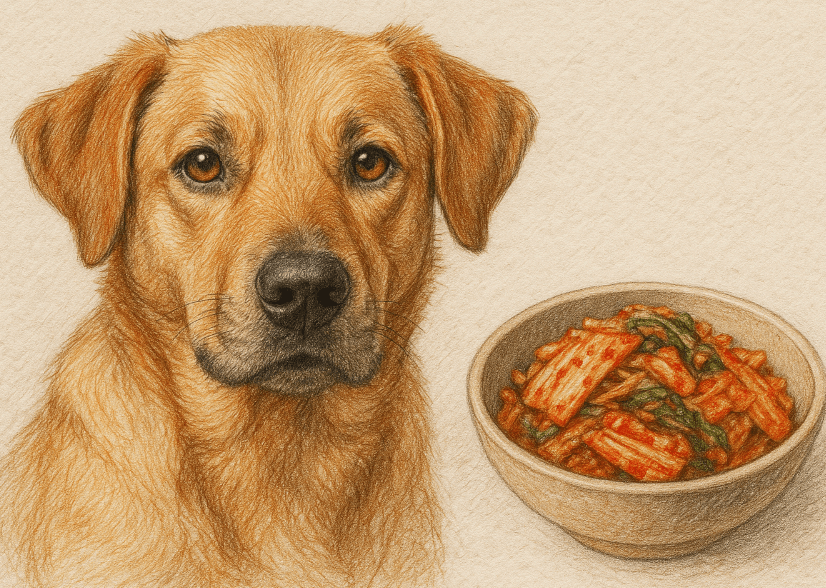

Can Dogs Eat Kimchi? Best 7 Expert Tips!

Can Dogs Eat Kimchi? Best 7 Expert Tips!

Can Dogs Eat Kimchi?


Kimchi, the spicy fermented cabbage dish beloved in Korean cuisine, is packed with flavor and probiotics that are great for human digestion. But what about our furry friends? Can dogs eat kimchi safely, or should it be avoided altogether? While some components of kimchi may offer health benefits, others could pose risks to your dog’s well-being. Understanding the ingredients, potential benefits, and dangers is essential before sharing this tangy treat with your pup. In this blog post, we’ll explore everything you need to know about feeding kimchi to dogs, including expert tips to keep your canine companion safe and healthy.

Key Ingredients in Kimchi and Their Effects on Dogs


Kimchi contains a variety of ingredients, some of which are safe for dogs in moderation, while others can be harmful. Here’s a breakdown of its main components and how they might affect your pet.

 
  • Fermented Vegetables:
    The base of kimchi—fermented cabbage or radishes—is generally safe and can even aid digestion due to its probiotic content.

  • Spices (Chili Peppers):
    The spiciness from chili peppers can irritate your dog’s stomach and cause discomfort, so it’s best avoided.

  • Garlic:
    Garlic is toxic to dogs in large amounts, as it can damage red blood cells and lead to anemia. Even small quantities should be approached with caution.

  • Salt Content:
    Kimchi is high in sodium, which can lead to dehydration, kidney issues, or high blood pressure if consumed excessively.

  • Onions:
    Often included in kimchi recipes, onions are highly toxic to dogs and should never be ingested.


While some parts of kimchi are harmless, others make it unsuitable for regular consumption by dogs. Always prioritize their safety over curiosity.

Potential Benefits of Kimchi for Dogs (When Given Safely)


If prepared carefully and served in tiny amounts, certain aspects of kimchi can benefit your dog’s health. Here’s what to consider.

 
  • Probiotics for Gut Health:
    Fermented foods like kimchi contain beneficial bacteria that support digestive health, potentially reducing issues like diarrhea or constipation.

  • Low-Calorie Treat Option:
    Plain, spice-free kimchi can serve as a low-calorie snack without adding unnecessary weight to your dog’s diet.

  • Rich in Vitamins:
    Kimchi provides vitamins A, C, and K, which contribute to immune function, skin health, and overall vitality.

  • Antioxidant Properties:
    The antioxidants in kimchi help combat free radicals, supporting long-term cellular health.

  • Hydration Boost:
    The water-rich vegetables in kimchi can provide mild hydration, especially during warmer months.


While these benefits exist, they must be weighed against the potential risks of feeding kimchi to ensure your dog’s safety.

Can Dogs Eat Kimchi? Best 7 Expert Tips!
Safe Alternatives to Kimchi for Dogs
Risks of Feeding Kimchi to Dogs
Plain cooked cabbage
High sodium levels harming kidneys
Unsweetened yogurt
Spicy ingredients causing stomach upset
Pureed pumpkin
Toxicity from garlic and onions
Fresh cucumbers
Risk of choking on large chunks
Homemade veggie purees
Overfeeding leading to obesity

How to Safely Introduce Kimchi to Your Dog


If you decide to share kimchi with your dog, it’s crucial to take precautions to minimize risks. Follow these guidelines to ensure a safe experience.

 
  • Choose Plain Varieties:
    Opt for kimchi made without added spices, garlic, or onions to reduce potential harm.

  • Limit Portion Sizes:
    Offer only a teaspoon-sized amount as an occasional treat, not a regular part of their diet.

  • Monitor for Reactions:
    Watch for signs of gastrointestinal upset, such as vomiting, diarrhea, or excessive thirst.

  • Dilute Before Serving:
    Mix a small amount of kimchi with plain water or broth to dilute its strong flavors and salt content.

  • Consult Your Veterinarian:
    Always seek professional advice before introducing new foods, especially those containing potentially harmful ingredients.


By following these steps, you can mitigate risks while allowing your dog to enjoy a taste of kimchi responsibly.

Signs Your Dog May Have Eaten Too Much Kimchi


Even small amounts of kimchi can cause adverse reactions in dogs, depending on their size and sensitivity. Watch for these warning signs if your dog accidentally consumes too much.

 
  • Vomiting or Diarrhea:
    These symptoms indicate irritation or toxicity caused by spices, garlic, or high salt levels.

  • Lethargy or Weakness:
    Garlic or onion poisoning can lead to fatigue and weakness due to damage to red blood cells.

  • Increased Thirst or Urination:
    Excessive sodium intake can cause dehydration, prompting your dog to drink more water than usual.

  • Loss of Appetite:
    If your dog refuses food after eating kimchi, it could signal digestive distress or nausea.

  • Difficulty Breathing:
    In severe cases, allergic reactions or toxicity may cause respiratory issues requiring immediate attention.


Recognizing these signs early allows you to seek veterinary care promptly, preventing further complications.

Common Mistakes to Avoid When Feeding Kimchi to Dogs


Feeding kimchi to your dog requires careful consideration to avoid mistakes that could endanger their health. Here are some pitfalls to watch out for.

 
  • Offering Spicy Varieties:
    Spices can irritate your dog’s stomach and cause significant discomfort. Stick to plain, non-spicy versions if you choose to share.

  • Ignoring Sodium Levels:
    High salt content can harm your dog’s kidneys and lead to dehydration. Dilute kimchi or skip it altogether to stay safe.

  • Leaving Garlic or Onions In:
    These ingredients are toxic to dogs and should never be included in any form.

  • Overfeeding Small Portions:
    Even seemingly harmless amounts can add up quickly, leading to digestive issues or weight gain.

  • Skipping Veterinary Advice:
    Consulting your vet before introducing new foods ensures you’re making informed decisions tailored to your dog’s needs.


Avoiding these mistakes ensures a safer and healthier experience for your dog.


Alternatives That Mimic the Benefits of Kimchi


If you’re hesitant about feeding kimchi, there are plenty of alternatives that mimic its benefits without the associated risks.

 
  • Plain Cooked Vegetables:
    Steamed carrots, green beans, or zucchini provide fiber and nutrients without the added spices or salt.

  • Unsweetened Yogurt or Kefir:
    These dairy products offer probiotics that support gut health and improve digestion naturally.

  • Pumpkin Puree:
    Rich in fiber, pumpkin aids digestion and can relieve both diarrhea and constipation in dogs.

  • Bone Broth:
    Low-sodium bone broth hydrates and soothes the stomach while providing essential minerals.

  • Homemade Veggie Mixes:
    Create your own blend of dog-safe vegetables, such as spinach or kale, to replicate the nutritional value of kimchi.


These alternatives allow you to cater to your dog’s digestive needs while keeping them safe.


Understanding Your Dog’s Dietary Needs and Preferences


Every dog is unique, and their dietary needs vary based on factors like age, breed, and activity level. Understanding their preferences and limitations helps you make smarter choices about what to feed them.

 
  • Age Considerations:
    Puppies require nutrient-dense diets for growth, while senior dogs benefit from lower-calorie options to maintain weight.

  • Breed-Specific Needs:
    Large breeds may need joint-supporting nutrients, while small breeds thrive on easily digestible meals.

  • Allergies and Sensitivities:
    Some dogs are allergic to common ingredients like grains or dairy, so identifying triggers is key to avoiding reactions.

  • Activity Level Impact:
    Highly active dogs burn more calories and may require higher-energy foods compared to sedentary pets.

  • Taste Preferences:
    Experimenting with textures and flavors helps determine which foods your dog enjoys most, ensuring mealtime is stress-free.


By recognizing these factors, you can tailor your dog’s diet to meet their individual needs effectively.

Frequently Asked Questions About Dogs and Kimchi

 
Is it safe to give my dog store-bought kimchi?

Store-bought kimchi often contains garlic, onions, and high salt levels, making it unsafe for dogs.

Puppies have sensitive digestive systems and should avoid kimchi entirely to prevent illness.

Garlic can cause hemolytic anemia in dogs, so contact your vet immediately if ingestion occurs.

Even a few bites can be harmful, depending on your dog’s size and tolerance to spicy or salty foods.

Plain, unsweetened yogurt and kefir are safer alternatives that provide similar probiotic benefits.

Prioritizing Your Dog’s Safety When It Comes to Kimchi


While kimchi offers some nutritional benefits, its potential risks outweigh the rewards for most dogs. Ingredients like garlic, onions, and high sodium levels make it unsuitable as a regular treat, and even small amounts should be approached with caution. By understanding the dangers and opting for safer alternatives, you can ensure your dog stays healthy and happy. Remember, your furry friend relies on you to make the best dietary choices for them—so always prioritize their well-being above all else.

 
Dog Seizure Symptoms: Best 7 Expert Tips!

Dog Seizure Symptoms: Best 7 Expert Tips! – Learn to spot signs, respond effectively, and manage seizures in dogs for a healthier, happier life.

Carprofen Dosage for Cats: Best 7 Expert Tips!

Carprofen Dosage for Cats: Best 7 Expert Tips! – Learn safe dosing, risks, and alternatives to manage pain and inflammation in cats effectively.

Africanis Dog Breed: Best 7 Expert Tips!

Africanis Dog Breed: Best 7 Expert Tips! – Explore the resilience, loyalty, and adaptability of this ancient African breed, perfect for diverse lifestyles.

Cruciate Ligament Injury Symptoms in Dogs: Best 7 Tips!

Cruciate Ligament Injury Symptoms in Dogs: Best 7 Tips! – Discover key signs like limping, swelling, and joint instability to ensure prompt treatment.

Leave a Reply

Your email address will not be published. Required fields are marked *

Post Category


