

Caval Syndrome in Dogs: Best 7 Expert Tips!

Caval Syndrome in Dogs: Best 7 Expert Tips!

Caval Syndrome in Dogs: Understanding the Condition and Its Impact


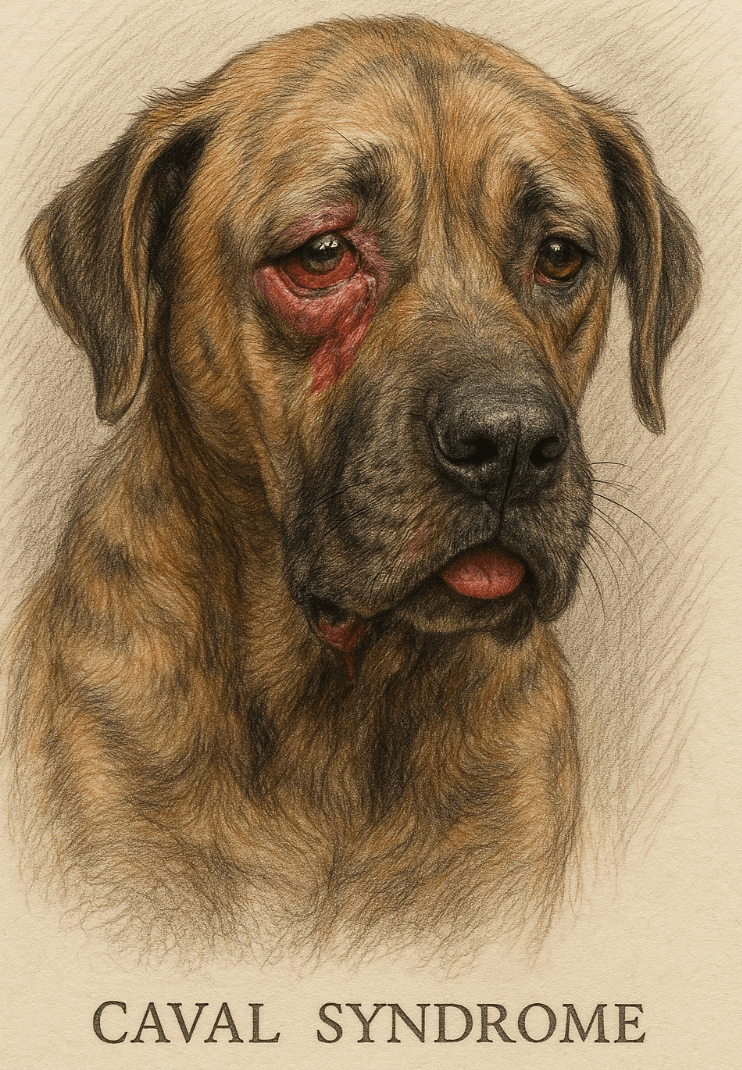
Caval syndrome, also known as heartworm caval syndrome, is a severe and life-threatening condition caused by the presence of heartworms in a dog’s heart and pulmonary arteries. When left untreated, this condition can lead to rapid deterioration of a dog’s health and even death. Caval syndrome occurs when large numbers of adult heartworms migrate into the right side of the heart, obstructing blood flow and causing critical complications. Recognizing the signs early and seeking immediate veterinary care is crucial for improving the chances of survival. In this blog post, we’ll explore everything you need to know about caval syndrome in dogs, including its causes, symptoms, treatment options, and preventive measures to protect your furry friend.


Causes and Risk Factors of Caval Syndrome


Understanding the underlying causes and risk factors of caval syndrome can help dog owners take proactive steps to prevent this devastating condition. Here are some key factors that contribute to the development of caval syndrome.

 
  • Heartworm Infestation:
    Caval syndrome is a direct result of advanced heartworm disease, where large numbers of worms accumulate in the heart and vessels.

  • Lack of Preventive Care:
    Failure to administer regular heartworm prevention medications increases the risk of infection and subsequent complications.

  • Mosquito Exposure:
    Mosquitoes are the primary carriers of heartworm larvae, making areas with high mosquito populations particularly risky.

  • Delayed Diagnosis:
    Untreated or undiagnosed heartworm disease can progress to caval syndrome over time, especially in dogs with compromised immune systems.

  • Breed and Size Variations:
    While all dogs are susceptible, smaller breeds may show symptoms more quickly due to their limited cardiovascular capacity.


By addressing these risk factors, dog owners can significantly reduce the likelihood of their pets developing caval syndrome.

Symptoms of Caval Syndrome in Dogs


Recognizing the signs of caval syndrome early is critical for ensuring timely intervention. These symptoms often appear suddenly and worsen rapidly, requiring immediate attention.

 
  • Labored Breathing:
    Dogs with caval syndrome may exhibit difficulty breathing, panting, or gasping for air due to restricted blood flow.

  • Pale Gums:
    Pale or bluish gums are a sign of poor oxygenation, indicating a serious cardiovascular issue.

  • Weakness or Collapse:
    Sudden weakness, lethargy, or episodes of collapse can occur as the heart struggles to pump blood effectively.

  • Abdominal Distension:
    Fluid accumulation in the abdomen (ascites) may develop as a result of heart failure.

  • Coughing or Vomiting:
    Persistent coughing or vomiting can signal heartworm-related complications affecting the lungs and heart.


If your dog displays any of these symptoms, seek emergency veterinary care immediately to address the underlying cause.

Caval Syndrome in Dogs: Best 7 Expert Tips!
Preventive Measures for Heartworm Disease
Treatment Options for Caval Syndrome
Administer monthly heartworm preventives
Surgical removal of heartworms
Regular veterinary check-ups and testing
Supportive care (IV fluids, oxygen)
Minimize exposure to mosquitoes
Medications to manage pain and inflammation
Use mosquito repellents or protective gear
Long-term monitoring and rehabilitation
Educate yourself about heartworm risks
Blood transfusions if necessary

Treatment Process for Caval Syndrome


Treating caval syndrome is a complex and intensive process that requires immediate veterinary intervention. The goal is to stabilize the dog and remove the heartworm obstruction as quickly as possible.

 
  • Emergency Stabilization:
    Initial treatment focuses on stabilizing the dog’s condition through oxygen therapy, IV fluids, and medications to support the heart.

  • Surgical Worm Removal:
    A specialized surgical procedure is performed to physically extract the heartworms from the right atrium and ventricle.

  • Post-Surgical Care:
    After surgery, dogs require close monitoring and supportive care to manage pain, inflammation, and potential complications.

  • Heartworm Eradication Therapy:
    Once stable, the dog will undergo treatment to eliminate any remaining heartworms using medications like melarsomine.

  • Long-Term Recovery Plan:
    Ongoing care includes strict rest, dietary adjustments, and follow-up visits to ensure complete recovery and prevent recurrence.


While treatment can be successful, early detection and intervention are key to improving outcomes.

Preventive Measures to Avoid Caval Syndrome


Prevention is always better than cure, especially when it comes to life-threatening conditions like caval syndrome. Taking proactive steps can safeguard your dog’s health and well-being.

 
  • Monthly Preventive Medications:
    Administer FDA-approved heartworm preventives consistently, even during colder months when mosquitoes may still be active.

  • Routine Veterinary Screenings:
    Schedule annual heartworm tests to detect infections early before they progress to advanced stages.

  • Mosquito Control Measures:
    Use pet-safe mosquito repellents, keep your home free of standing water, and consider installing screens on windows and doors.

  • Lifestyle Adjustments:
    Limit outdoor activities during peak mosquito hours (dawn and dusk) to reduce exposure to potential carriers.

  • Education and Awareness:
    Stay informed about heartworm disease and share knowledge with fellow dog owners to promote widespread prevention.


By prioritizing prevention, you can protect your dog from the devastating effects of caval syndrome.


Common Misconceptions About Heartworm Disease


Despite widespread awareness, several myths about heartworm disease persist, potentially putting dogs at risk. Clearing up these misconceptions can help owners make informed decisions.

 
  • Heartworms Only Affect Outdoor Dogs:
    Indoor dogs are also at risk, as mosquitoes can easily enter homes and infect pets.

  • Cold Climates Are Safe Zones:
    While mosquitoes thrive in warm climates, they can survive indoors or during brief warm spells in colder regions.

  • Preventives Are Optional:
    Skipping preventives, even for a short period, leaves your dog vulnerable to infection.

  • Heartworm Disease Is Easy to Treat:
    Treatment is expensive, lengthy, and risky, especially in advanced cases like caval syndrome.

  • Dogs Can’t Get Heartworms After Winter:
    Residual larvae from previous infections can mature into adult worms, continuing the cycle of disease.


Dispelling these myths ensures better protection for your dog.

Recovery Challenges After Caval Syndrome Treatment


Even after successful treatment, dogs recovering from caval syndrome face several challenges that require careful management. Understanding these hurdles helps set realistic expectations for recovery.

 
  • Physical Weakness:
    Dogs may experience prolonged fatigue and muscle weakness, requiring gradual reintroduction to physical activity.

  • Risk of Reinfection:
    Without consistent preventive care, dogs remain vulnerable to new heartworm infections.

  • Emotional Stress:
    The trauma of surgery and illness can leave dogs anxious or clingy, necessitating extra comfort and reassurance.

  • Dietary Adjustments:
    A nutrient-rich diet supports healing and boosts the immune system during recovery.

  • Regular Follow-Ups:
    Frequent vet visits are essential to monitor progress and address any lingering issues promptly.


Patience and dedication are key to helping your dog regain strength and vitality.

Heartworm Prevention Tips for Multi-Pet Households


In households with multiple pets, preventing heartworm disease requires extra diligence to ensure all animals stay protected. These tips can help you maintain a heartworm-free environment.

 
  • Coordinate Preventive Schedules:
    Keep track of each pet’s medication schedule to avoid missed doses or overlaps.

  • Separate Sleeping Areas:
    Designate individual sleeping spaces to reduce the risk of shared bedding harboring mosquitoes.

  • Outdoor Supervision:
    Monitor outdoor playtime to minimize exposure to mosquitoes, especially during peak activity hours.

  • Shared Awareness Among Family Members:
    Educate everyone in the household about the importance of heartworm prevention and symptom recognition.

  • Consult Your Vet for Group Plans:
    Some vets offer discounts or tailored plans for multi-pet households, making prevention more affordable.


With teamwork and vigilance, you can protect all your pets from the threat of heartworm disease.

Frequently Asked Questions About Caval Syndrome in Dogs

 
What is caval syndrome?

Caval syndrome is a severe complication of heartworm disease where worms obstruct blood flow in the heart, leading to life-threatening symptoms.

With immediate surgical intervention and proper aftercare, some dogs can recover, but the prognosis depends on the severity of the condition.

Symptoms include coughing, fatigue, weight loss, and difficulty breathing. A vet can confirm the diagnosis through blood tests.

Yes, the condition causes significant discomfort and distress due to impaired circulation and organ strain.

Use monthly preventives, minimize mosquito exposure, and schedule regular vet check-ups to catch infections early.

Protecting Your Dog from Caval Syndrome


Caval syndrome is a devastating condition that underscores the importance of heartworm prevention and early detection. While treatment is possible in some cases, the prognosis is often guarded, making prevention the most effective strategy. By staying vigilant, administering preventive medications, and scheduling routine vet visits, you can shield your dog from the dangers of heartworm disease and caval syndrome. Remember, your furry companion relies on you to keep them safe and healthy—so take the necessary steps today to ensure a long, happy life together.

Telomian Chow Chow Mix: Best 7 Expert Tips!

Telomian Chow Chow Mix: Best 7 Expert Tips! – Discover the unique blend of loyalty, agility, and independence in this rare hybrid. Perfect for devoted dog lovers!

Telomian Akita Mix: Best 7 Expert Tips!

Telomian Akita Mix: Best 7 Expert Tips! – Discover the perfect blend of loyalty, strength, and agility in this unique hybrid. Learn care, training, and health tips!

Telomian Bernese Mountain Dog Mix: Best 7 Expert Tips!

Telomian Bernese Mountain Dog Mix: Best 7 Expert Tips! – Discover the perfect blend of agility, loyalty, and charm in this unique hybrid companion.

Telomian Bulldog Mix: Best 7 Expert Tips!

Telomian Bulldog Mix: Best 7 Expert Tips! – Discover the perfect blend of loyalty, energy, and charm with this unique hybrid breed. Ideal for active families!

Leave a Reply

Your email address will not be published. Required fields are marked *

Recent Post

Post Category


