
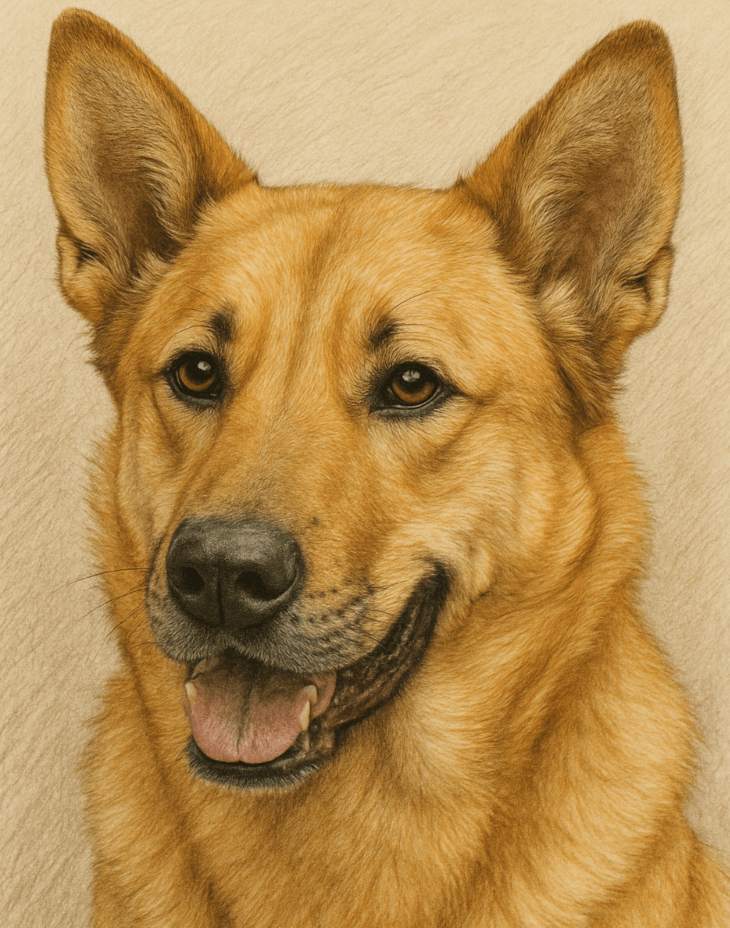

Chinook Dog Temperament: Best 7 Expert Tips!

Chinook Dog Temperament: Best 7 Expert Tips!

Chinook Dog Temperament: The Perfect Blend of Loyalty and Gentleness


The Chinook dog is a rare and remarkable breed known for its friendly, intelligent, and hardworking nature. Originally bred as sled dogs in the early 20th century, these versatile canines have since become cherished family companions due to their calm temperament and affectionate disposition. If you’re considering adding a Chinook to your household, understanding their temperament is key to building a strong bond and ensuring a harmonious relationship.

In this blog post, we’ll explore the unique personality traits of the Chinook dog, their compatibility with families, and tips for nurturing their natural qualities. Whether you’re an active outdoor enthusiast or simply seeking a loyal and loving companion, the Chinook’s temperament makes them a standout choice.

Key Traits of the Chinook Dog Temperament


The Chinook dog’s temperament is a defining feature of the breed, blending intelligence, loyalty, and adaptability into one impressive package. These traits make them exceptional pets for a variety of households.

 
  • Friendly and Social:
    Chinooks are naturally outgoing and enjoy interacting with people, making them excellent family dogs.

  • Patient and Calm:
    Their gentle demeanor allows them to handle children and other pets with ease, creating a peaceful home environment.

  • Intelligent and Trainable:
    Known for their quick learning abilities, Chinooks respond well to positive reinforcement and consistent training methods.

  • Loyal and Devoted:
    This breed forms deep bonds with their family, often staying close by their side and thriving on companionship.

  • Adaptable to Various Lifestyles:
    Whether living in a suburban home or a rural setting, Chinooks adjust well as long as they receive adequate exercise and attention.


These qualities highlight why the Chinook dog is celebrated for its balanced and endearing temperament.

Physical Characteristics That Complement Their Temperament


The Chinook’s physical appearance reflects their temperament—strong yet approachable, athletic yet gentle. Understanding their physical traits helps explain how they excel in various roles, from working dogs to family companions.

 
  • Muscular Build:
    Their robust physique supports endurance and strength, ideal for tasks like sledding or hiking alongside their owners.

  • Expressive Eyes:
    Their warm, almond-shaped eyes convey kindness and intelligence, instantly putting people at ease.

  • Double Coat:
    A thick, weather-resistant coat keeps them comfortable in cold climates, reflecting their origins as sled dogs.

  • Medium to Large Size:
    Standing 21-26 inches tall and weighing 50-90 pounds, they strike a balance between being sturdy and manageable.

  • Graceful Movement:
    Their fluid gait showcases athleticism, making them both functional workers and elegant companions.


Their physical attributes perfectly complement their temperament, enhancing their versatility and appeal.

Chinook Dog Temperament: Best 7 Expert Tips!
Pros of Owning a Chinook Dog
Cons of Owning a Chinook Dog
Extremely friendly and great with kids
Requires significant time and attention
Intelligent and easy to train
Not ideal for first-time dog owners
Highly adaptable to different lifestyles
Needs regular exercise to stay happy
Loyal and forms strong bonds
Can suffer from separation anxiety
Rare breed with unique charm
Limited availability from reputable breeders

Training Tips for Your Chinook Dog


Training a Chinook dog is a rewarding experience thanks to their eagerness to please and sharp intellect. However, their sensitive nature means patience and consistency are essential.

 
  • Use Positive Reinforcement:
    Reward-based techniques, such as treats and praise, motivate Chinooks without causing stress or confusion.

  • Start Early:
    Begin obedience training and socialization during puppyhood to establish good habits and prevent behavioral issues later.

  • Keep Sessions Engaging:
    Short, fun training sessions maintain their interest and prevent boredom or frustration.

  • Be Gentle but Firm:
    While they’re sensitive to harsh corrections, clear boundaries and firm guidance help them understand expectations.

  • Focus on Bonding:
    Training should strengthen your connection, so incorporate activities that build trust and mutual respect.


With the right approach, training becomes a joyful journey that brings out the best in your Chinook.

Exercise Needs of the Chinook Dog


As an active and energetic breed, the Chinook requires regular physical activity to stay healthy and content. Meeting their exercise needs ensures a well-behaved and happy companion.

 
  • Daily Walks and Runs:
    Aim for at least 60 minutes of exercise daily, including brisk walks, jogs, or hikes to burn off excess energy.

  • Mental Stimulation:
    Puzzle toys, scent games, and advanced commands keep their sharp minds engaged and prevent boredom.

  • Tug-of-War and Fetch:
    These interactive games satisfy their playful instincts while strengthening your bond.

  • Outdoor Adventures:
    Activities like camping, swimming, or sledding cater to their adventurous spirit and love for exploration.

  • Supervise Playtime:
    Due to their pack-oriented nature, ensure they interact safely with other dogs to avoid misunderstandings.


Providing ample exercise ensures a calm and balanced demeanor at home.

Common Misconceptions About the Chinook Dog Temperament


Despite their growing popularity, several misconceptions surround the Chinook dog’s temperament. Clarifying these myths helps potential owners set realistic expectations.

 
  • They Are High-Maintenance Dogs:
    While they require attention and exercise, their adaptable nature makes them easier to care for than many think.

  • All Chinooks Are Identical in Personality:
    Like any breed, individual personalities vary based on genetics, upbringing, and environment.

  • They Don’t Do Well Alone:
    While prone to separation anxiety, proper training and gradual acclimation can help them cope with alone time.

  • They’re Only Suitable for Experienced Owners:
    Novice owners can succeed with Chinooks if they commit to learning about the breed’s needs.

  • They’re Too Large for Families:
    Despite their size, their gentle nature makes them ideal for households with children.


Dispelling these myths ensures a deeper appreciation for this wonderful breed.

Health Considerations for the Chinook Dog


Like all breeds, the Chinook is prone to certain health issues that owners should be aware of. Proactive care helps ensure a long and healthy life for your beloved pet.

 
  • Hip Dysplasia:
    A common condition in large breeds; maintaining a healthy weight reduces the risk.

  • Epilepsy:
    Some Chinooks may develop seizures; consult your vet if unusual behavior occurs.

  • Eye Conditions:
    Issues like cataracts or progressive retinal atrophy (PRA) may arise; routine eye exams help detect problems early.

  • Bloat (Gastric Torsion):
    Feeding smaller meals and avoiding vigorous exercise after eating minimizes the risk.

  • Skin Allergies:
    Sensitivities to food or environmental factors can occur; hypoallergenic diets and grooming help manage symptoms.


Proactive healthcare ensures a longer, healthier life for your cherished companion.


Fun Activities to Enjoy with Your Chinook Dog


Living with a Chinook means embracing opportunities for fun and bonding. These activities will keep them physically and mentally stimulated while strengthening your connection.

 
  • Sledding or Cart Pulling:
    Channel their working heritage by teaching them to pull lightweight carts or sleds.

  • Agility Courses:
    Enroll in agility classes to challenge their athleticism and problem-solving skills.

  • Hiking Adventures:
    Explore trails together, allowing them to sniff, run, and burn off energy in a natural setting.

  • Interactive Toys:
    Puzzle feeders and treat-dispensing balls provide mental stimulation during downtime.

  • Cuddle Time:
    Their affectionate nature makes snuggling on the couch a favorite pastime for both of you.


Engaging in these activities ensures a fulfilling life for your energetic and loving companion.

Frequently Asked Questions About the Chinook Dog Temperament

 
Are Chinooks good with children?

Yes, their patient and gentle nature makes them excellent companions for kids when properly socialized.

With proper introductions, Chinooks generally coexist well with other dogs and animals.

Moderate grooming is required; brush their double coat weekly and bathe occasionally to keep it clean and healthy.

While possible, they thrive better in homes with yards where they can stretch their legs and play.

Common concerns include hip dysplasia, epilepsy, and eye conditions; regular vet visits are crucial.

Embracing Life with a Chinook Dog


The Chinook dog’s temperament is truly special, offering a perfect blend of loyalty, gentleness, and intelligence. Whether you’re looking for a devoted family pet or an active adventure buddy, the Chinook excels in every role. By understanding their needs and nurturing their natural qualities, you’ll be rewarded with a lifelong companion who enriches your life in countless ways. If you’re ready to welcome a rare and remarkable breed into your home, the Chinook dog might just be the perfect match for you.

Is Rawhide Bad for Cats? Best 7 Expert Tips!

Is Rawhide Bad for Cats? Best 7 Expert Tips! – Discover the risks, safe alternatives, and expert advice to keep your feline friend healthy and happy.

Is Rawhide Bad for Dogs? Best 7 Expert Tips!

Is Rawhide Bad for Dogs? Best 7 Expert Tips! – Discover the risks, benefits, and safer alternatives to rawhides for your dog’s chewing needs.

Understanding Anorexia in Cats: Best 7 Expert Tips!

Understanding Anorexia in Cats: Best 7 Expert Tips! – Learn why cats stop eating, spot warning signs, and discover how to help your feline regain appetite safely.

Understanding Anorexia in Dogs: Best 7 Expert Tips!

Understanding Anorexia in Dogs: Best 7 Expert Tips! – Learn causes, symptoms, and solutions to help your dog regain appetite and stay healthy.

Leave a Reply

Your email address will not be published. Required fields are marked *