

Dog Abscess Symptoms: Best 7 Health Tips!

Dog Abscess Symptoms: Best 7 Health Tips!

Dog Abscess Symptoms: What Every Pet Owner Should Know


As a dog owner, it’s essential to be vigilant about your pet’s health. One condition that requires immediate attention is an abscess. A dog abscess is a pocket of pus caused by a bacterial infection, often resulting from bites, wounds, or foreign objects embedded in the skin. If left untreated, abscesses can lead to serious complications, including systemic infections. Recognizing the symptoms early and seeking veterinary care promptly can make all the difference in your dog’s recovery. In this blog post, we’ll explore everything you need to know about dog abscess symptoms, treatment options, and preventive measures to keep your furry friend healthy and happy.

Common Dog Abscess Symptoms You Shouldn’t Ignore


Detecting an abscess early is crucial for effective treatment. Here are the most common symptoms to watch for in your dog.

 
  • Swelling or Lump Under the Skin:
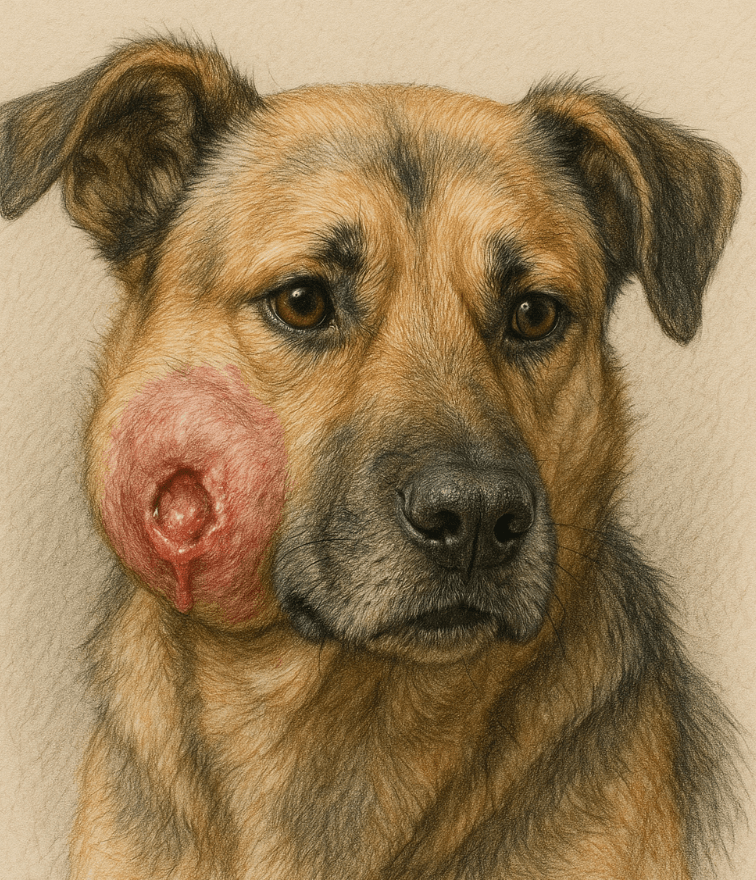
    Abscesses often appear as soft, swollen areas on the skin that may feel warm to the touch.

  • Redness and Warmth Around the Area:
    The affected area may become inflamed, with noticeable redness and warmth indicating infection.

  • Pus Discharge:
    If the abscess ruptures, you may notice foul-smelling pus draining from the site.

  • Lethargy and Loss of Appetite:
    Dogs with abscesses often feel unwell, leading to decreased energy levels and disinterest in food.

  • Licking or Chewing at the Affected Area:
    Excessive licking or chewing is a sign your dog is trying to relieve discomfort caused by the abscess.


These symptoms should prompt immediate action to prevent further complications and ensure your dog receives proper care.

Types of Abscesses in Dogs and Their Causes


Abscesses can develop in various parts of a dog’s body, each with its own potential causes. Understanding these types helps identify the underlying issue more effectively.

 
  • Skin Abscesses:
    Caused by bites, scratches, or puncture wounds, these are the most common type of abscess in dogs.

  • Tooth Abscesses:
    Resulting from dental infections or broken teeth, these abscesses can cause facial swelling and difficulty eating.

  • Anal Gland Abscesses:
    Often caused by blocked or infected anal glands, these abscesses lead to pain during defecation and scooting behavior.

  • Internal Abscesses:
    These occur within organs or body cavities, often due to infections spreading from other areas.

  • Ear Abscesses:
    Caused by ear infections or foreign objects, these abscesses result in head shaking and ear scratching.


Recognizing the type of abscess helps veterinarians determine the best course of treatment for your dog.

Dog Abscess Symptoms: Best 7 Health Tips!
Signs Your Dog May Have an Abscess
Steps to Take if You Suspect an Abscess
Swelling or lump under the skin
Contact your veterinarian immediately
Redness and warmth around the area
Avoid squeezing or bursting the abscess
Pus discharge
Keep the area clean and monitor for changes
Lethargy and loss of appetite
Prevent your dog from licking or chewing
Excessive licking or chewing
Follow professional advice for treatment

How to Care for a Dog with an Abscess


Proper care is essential for managing an abscess and ensuring your dog’s speedy recovery. Follow these steps to support their healing process.

 
  • Seek Veterinary Attention:
    A vet will assess the abscess, clean it thoroughly, and prescribe antibiotics or pain relief medication.

  • Keep the Area Clean:
    If the abscess has ruptured, gently clean the area with warm water and a mild antiseptic solution.

  • Prevent Licking or Chewing:
    Use an Elizabethan collar (cone) to stop your dog from irritating the wound and worsening the infection.

  • Administer Medications as Directed:
    Follow your vet’s instructions carefully when giving antibiotics or other prescribed treatments.

  • Monitor for Improvements:
    Watch for signs of healing, such as reduced swelling or improved behavior, and report any concerns to your vet.


With proper care, most dogs recover fully from abscesses without long-term issues.

Preventing Abscesses in Dogs


While not all abscesses can be prevented, taking proactive measures reduces the risk significantly. Here are some practical tips to safeguard your dog’s health.

 
  • Regular Grooming:
    Inspect your dog’s skin regularly for cuts, bites, or foreign objects that could lead to infection.

  • Dental Hygiene:
    Brush your dog’s teeth regularly and schedule professional cleanings to prevent tooth abscesses.

  • Supervise Playtime:
    Monitor interactions with other animals to minimize the risk of bite wounds or scratches.

  • Check Anal Glands:
    Ensure your dog’s anal glands are expressed during grooming sessions to avoid blockages.

  • Prompt Wound Care:
    Clean and disinfect minor injuries immediately to prevent bacteria from entering the skin.


Preventive care goes a long way in keeping your dog safe from painful abscesses.

Common Mistakes When Dealing with Dog Abscesses


Avoiding common mistakes ensures your dog receives the best possible care during an abscess episode. Here’s what to avoid when handling this condition.

 
  • Squeezing or Popping the Abscess:
    Attempting to drain the abscess yourself can worsen the infection and cause additional pain.

  • Ignoring Symptoms:
    Delaying veterinary care allows the infection to spread, leading to more severe complications.

  • Using Over-the-Counter Remedies:
    Human medications or topical treatments may irritate your dog’s skin or mask underlying issues.

  • Allowing Continued Licking:
    Failing to stop your dog from licking delays healing and increases the risk of reinfection.

  • Skipping Follow-Up Appointments:
    Missing vet visits prevents proper monitoring and adjustment of treatment plans.


By avoiding these pitfalls, you can ensure your dog receives the care they need to recover fully.

When to Seek Emergency Veterinary Care


Some abscess-related situations require immediate attention to prevent life-threatening complications. Here’s when you should contact your vet urgently.

 
  • Severe Swelling or Rapid Growth:
    Sudden or extreme swelling indicates a rapidly progressing infection that needs urgent treatment.

  • High Fever or Shivering:
    These signs suggest a systemic infection that could spread throughout the body.

  • Difficulty Breathing or Eating:
    Abscesses near the throat or mouth can obstruct airways or make eating impossible.

  • Behavioral Changes:
    Extreme lethargy, aggression, or confusion may signal advanced infection or pain.

  • Internal Abscess Suspicions:
    Symptoms like abdominal pain, vomiting, or diarrhea could indicate an internal abscess requiring immediate diagnosis.


Acting quickly in these scenarios can save your dog’s life and prevent further complications.

Home Remedies to Avoid for Dog Abscesses


While home care is important, some remedies can do more harm than good. Avoid these ineffective or dangerous treatments when dealing with an abscess.

 
  • Alcohol or Hydrogen Peroxide:
    These substances can irritate the skin and delay healing rather than promote it.

  • Hot Compresses Without Guidance:
    Applying excessive heat can burn your dog’s skin and worsen inflammation.

  • Herbal Pastes or Oils:
    Unapproved herbal remedies may introduce new bacteria or irritate the wound.

  • Over-the-Counter Antibiotics:
    Human-grade antibiotics are ineffective against canine infections and may cause side effects.

  • DIY Drainage Attempts:
    Trying to lance or drain the abscess yourself can lead to severe complications.


Stick to vet-approved methods to ensure safe and effective treatment for your dog’s abscess.

Frequently Asked Questions About Dog Abscesses

 
What causes an abscess in dogs?

Abscesses are typically caused by bacterial infections resulting from wounds, bites, or foreign objects.

While minor cleaning is possible, veterinary care is essential to properly drain and treat the abscess.

With proper treatment, most abscesses heal within 1-2 weeks, though internal abscesses may take longer.

No, abscesses themselves aren’t contagious, but the bacteria causing them can spread through bites or scratches.

If an abscess bursts, clean the area gently and seek veterinary care to prevent further infection.

Staying Vigilant for Your Dog’s Health


Dog abscesses are painful and potentially dangerous conditions that require prompt attention. By recognizing the symptoms early, understanding the causes, and following proper care guidelines, you can ensure your dog recovers quickly and comfortably. Regular check-ups, preventive care, and vigilance during playtime or grooming sessions go a long way in reducing the risk of abscesses. Remember, your dog relies on you to notice when something isn’t right—being proactive can save them from unnecessary pain and discomfort. With love, care, and attention, you can keep your furry companion happy and healthy for years to come.

Do Cats Have Taste Buds? Best 7 Expert Tips!

Do Cats Have Taste Buds? Best 7 Expert Tips! – Discover how cats experience flavors and why their taste is so unique.

Do Dogs Have Taste Buds? Best 7 Expert Tips!

Do Dogs Have Taste Buds? Best 7 Expert Tips! – Discover how dogs experience taste, their preferences, and what it means for their diet and health.

Can Cats Taste Sweet? Best 7 Expert Tips!

Can Cats Taste Sweet? Best 7 Expert Tips! – Discover why cats can’t taste sweetness, how it affects their diet, and tips to keep them healthy and happy.

Can Dogs Taste Sweet? Best 7 Expert Tips!

Can Dogs Taste Sweet? Best 7 Expert Tips! – Discover how dogs perceive sweetness, which foods are safe, and tips to manage their sweet cravings responsibly.

Leave a Reply

Your email address will not be published. Required fields are marked *

Recent Post

Post Category


