
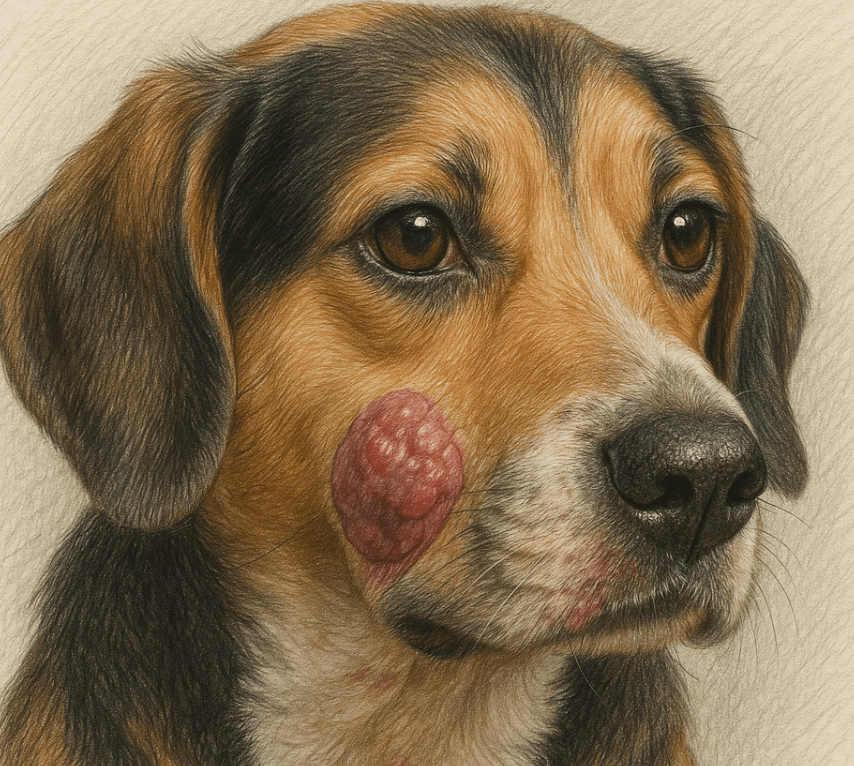

Understanding Dog Hemangioma: Causes, Symptoms, and Treatment Options
A dog hemangioma is a benign tumor that originates from blood vessels and can occur on or under the skin, as well as in internal organs. While not always life-threatening, these growths can cause discomfort and complications depending on their size and location. As a pet owner, understanding what a hemangioma is, how it develops, and the available treatment options is crucial for ensuring your dog’s well-being. In this blog post, we’ll explore everything you need to know about dog hemangiomas, from early detection to managing the condition effectively. With proper care and veterinary guidance, you can help your furry friend live a happy and healthy life despite this condition.
What is a Dog Hemangioma? Key Facts to Know
To better understand dog hemangiomas, it’s important to break down the basics of what they are and how they affect dogs. Here are some key facts about this condition:
Benign Nature:
Most hemangiomas are non-cancerous and do not spread to other parts of the body, making them less aggressive than malignant tumors.Vascular Origin:
These tumors develop from endothelial cells, which line blood vessels, and are often found in areas rich in vascular tissue.Common Locations:
Hemangiomas can appear on the skin, in subcutaneous tissues, or even in internal organs like the liver or spleen.Age Factor:
Older dogs are more prone to developing hemangiomas, likely due to the natural aging process and cumulative cellular changes.Breed Predisposition:
Certain breeds, such as Boxers, Golden Retrievers, and German Shepherds, may have a higher risk of developing vascular tumors.
Understanding these fundamental aspects of dog hemangiomas helps pet owners recognize potential issues and seek timely veterinary care.
Symptoms of Dog Hemangioma: What to Watch For
Identifying the symptoms of a hemangioma early can make a significant difference in managing the condition effectively. Here are some common signs to look out for:
Visible Lumps or Bumps:
Hemangiomas often appear as raised, soft masses on the skin or beneath it, which may feel warm to the touch.Changes in Skin Appearance:
The affected area might show discoloration, such as redness or purplish hues, due to increased blood vessel activity.Bleeding or Ulceration:
If the hemangioma is located on the skin, it may bleed easily or develop ulcers, especially if irritated.Internal Symptoms (if applicable):
Internal hemangiomas can cause lethargy, abdominal swelling, or loss of appetite, depending on their location.Behavioral Changes:
Dogs with discomfort or pain from a hemangioma may exhibit irritability, reluctance to move, or excessive licking of the affected area.
Recognizing these symptoms early allows for prompt diagnosis and treatment, improving outcomes for your dog.
Check this guide 👉Does Dog Blood Work Show Cancer? Best 7 Expert Tips!
Check this guide 👉Understanding the PCT Dog Blood Test: Best 7 Tips!
Check this guide 👉Dog Sneezing Blood: Best 7 Health Tips!
Types of Dog Hemangiomas | Treatment Options Available |
|---|---|
Cutaneous (skin-based) hemangioma | Surgical removal, cryotherapy |
Subcutaneous (under skin) | Laser therapy, medication |
Internal organ hemangioma | Surgery, chemotherapy (if malignant) |
Congenital hemangioma | Monitoring, surgical intervention |
Multiple hemangiomas | Combination therapies, ongoing care |
Diagnosis of Dog Hemangioma: Steps Your Vet May Take
If you suspect your dog has a hemangioma, your veterinarian will conduct a series of diagnostic tests to confirm the condition and rule out other potential causes.
Physical Examination:
Your vet will inspect the lump or affected area, noting its size, texture, and location.Biopsy or Fine Needle Aspiration:
A small sample of the tumor may be extracted for microscopic analysis to determine if it’s benign or malignant.Imaging Tests:
X-rays, ultrasounds, or CT scans may be used to assess whether the hemangioma affects internal organs.Blood Work:
Routine blood tests can help evaluate your dog’s overall health and detect any underlying conditions.Differential Diagnosis:
Other skin or vascular conditions, such as hemangiosarcoma, must be ruled out to ensure accurate treatment planning.
These steps ensure a comprehensive understanding of your dog’s condition, allowing for tailored treatment strategies.
Treatment Options for Dog Hemangioma
Once diagnosed, several treatment options are available to manage or remove a dog hemangioma, depending on its severity and location.
Surgical Removal:
This is the most common approach for accessible hemangiomas, especially those causing discomfort or at risk of bleeding.Laser Therapy:
Non-invasive laser treatments can shrink smaller hemangiomas without the need for surgery.Cryotherapy:
Freezing the tumor with liquid nitrogen is effective for superficial hemangiomas, destroying abnormal cells.Medication:
Anti-inflammatory drugs or medications targeting blood vessel growth may be prescribed for inoperable cases.Monitoring:
For asymptomatic or slow-growing hemangiomas, regular check-ups may suffice to track changes over time.
Choosing the right treatment depends on your dog’s specific needs and your veterinarian’s recommendations.
Preventive Measures for Dog Hemangioma
While there’s no guaranteed way to prevent hemangiomas, certain measures can reduce the risk or help catch the condition early.
Regular Check-Ups:
Routine vet visits allow for early detection of unusual lumps or changes in your dog’s health.Healthy Diet:
Providing a balanced diet supports overall immune function and reduces the likelihood of abnormal cell growth.Avoid Trauma:
Minimizing injuries to your dog’s skin can lower the risk of vascular tumors forming in response to damage.Monitor Breeds at Risk:
Owners of predisposed breeds should be extra vigilant about skin and organ health.Limit Sun Exposure:
Excessive UV exposure may increase the risk of skin-based hemangiomas; provide shade during peak sunlight hours.
Taking these steps can help protect your dog and promote long-term well-being.
Living with a Dog Diagnosed with Hemangioma
Managing a dog with a hemangioma requires adjustments to daily routines and ongoing care. Here are tips to ensure a smooth transition for both you and your pet.
Create a Comfortable Environment:
Provide soft bedding and avoid activities that might irritate the affected area.Follow Veterinary Recommendations:
Adhere to prescribed treatments and medications to prevent complications.Monitor for Changes:
Keep an eye on the tumor’s size, color, or behavior, reporting any developments to your vet promptly.Maintain a Stress-Free Home:
Reducing stress through playtime and relaxation supports your dog’s recovery and overall health.Stay Positive:
Your calm demeanor reassures your dog, helping them cope better with any discomfort.
With consistent care and attention, living with a hemangioma becomes manageable for both you and your pet.
Alternative Therapies for Dog Hemangioma
In addition to conventional treatments, some pet owners explore alternative therapies to complement their dog’s care plan.
Herbal Supplements:
Certain herbs, like turmeric or milk thistle, may support immune function and reduce inflammation.Acupuncture:
This traditional Chinese medicine technique can alleviate pain and improve circulation in affected areas.Dietary Adjustments:
Adding omega-3 fatty acids or antioxidants to your dog’s diet may promote healing and reduce tumor growth.Homeopathy:
Some pet owners turn to homeopathic remedies, though evidence supporting their efficacy is limited.Physical Therapy:
Gentle exercises can improve mobility and comfort, especially for dogs with internal hemangiomas.
Always consult your vet before trying alternative therapies to ensure they’re safe and compatible with your dog’s treatment plan.
Frequently Asked Questions About Dog Hemangioma
Is a dog hemangioma cancerous?
No, most hemangiomas are benign, but they should still be evaluated by a vet to confirm.
Can hemangiomas go away on their own?
Rarely. While some may remain stable, others require treatment to prevent complications.
How much does treatment cost?
Costs vary widely based on the type of treatment, ranging from $200 for minor procedures to several thousand dollars for surgery or advanced therapies.
Are certain breeds more prone to hemangiomas?
Yes, breeds like Boxers, Golden Retrievers, and German Shepherds may have a higher predisposition.
What happens if a hemangioma is left untreated?
Untreated hemangiomas can grow, bleed excessively, or, in rare cases, become malignant, leading to serious health risks.
Supporting Your Dog Through Hemangioma Treatment
While a dog hemangioma can be concerning, it’s important to remember that many cases are manageable with proper care and veterinary guidance. By staying vigilant for symptoms, seeking timely diagnosis, and exploring appropriate treatment options, you can ensure your furry companion remains comfortable and healthy. With love, patience, and proactive care, your dog can continue to enjoy a fulfilling life despite this condition. Always consult your veterinarian for personalized advice tailored to your pet’s unique needs.
Is Rawhide Bad for Cats? Best 7 Expert Tips! – Discover the risks, safe alternatives, and expert advice to keep your feline friend healthy and happy.

Is Rawhide Bad for Dogs? Best 7 Expert Tips! – Discover the risks, benefits, and safer alternatives to rawhides for your dog’s chewing needs.

Understanding Anorexia in Cats: Best 7 Expert Tips! – Learn why cats stop eating, spot warning signs, and discover how to help your feline regain appetite safely.

Understanding Anorexia in Dogs: Best 7 Expert Tips! – Learn causes, symptoms, and solutions to help your dog regain appetite and stay healthy.