
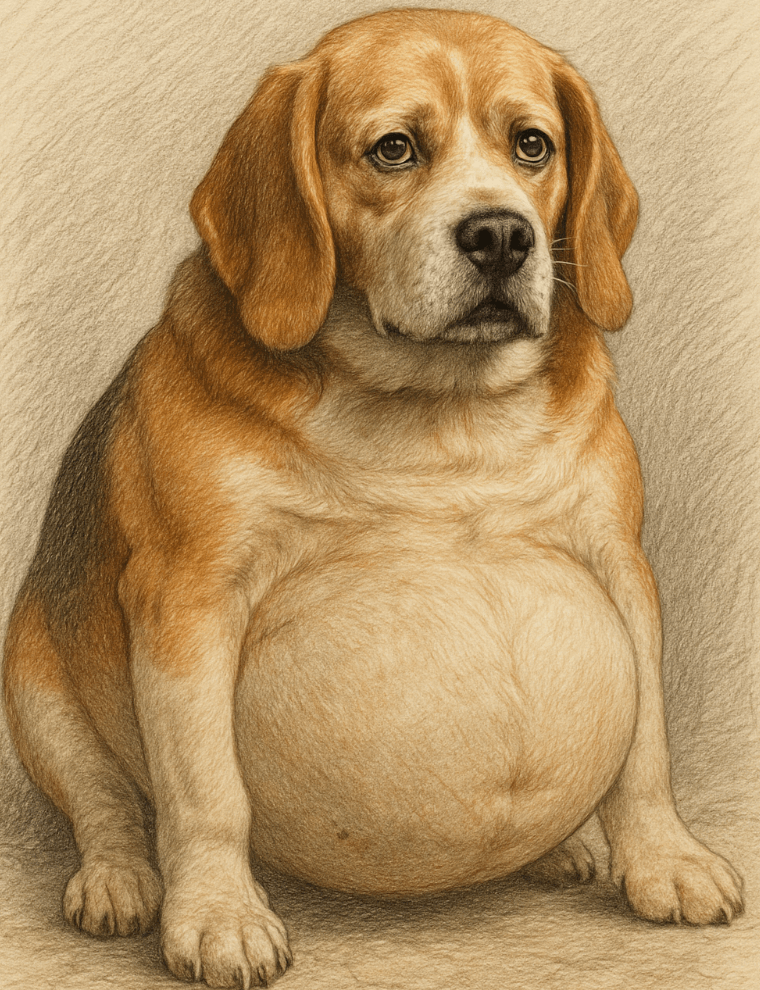

Distended Stomach in Dogs: Best 7 Expert Tips!

Distended Stomach in Dogs: Best 7 Expert Tips!

Distended Stomach in Dogs: What You Need to Know


A distended stomach in dogs can be alarming for pet owners, but understanding its causes, symptoms, and treatment options is crucial for your furry friend’s well-being. While some cases may be harmless, others could indicate a serious underlying condition, such as bloat (gastric dilatation-volvulus) or other gastrointestinal issues. Recognizing the signs early and seeking prompt veterinary care can make all the difference in ensuring your dog’s health and safety. In this blog post, we’ll explore everything you need to know about a distended stomach in dogs, from identifying potential causes to providing effective care and prevention strategies.

Common Causes of a Distended Stomach in Dogs


A distended stomach in dogs can arise from a variety of factors, ranging from dietary habits to severe medical conditions. Understanding these causes helps you identify whether the issue is mild or requires immediate attention.

 
  • Overeating or Rapid Eating:
    Consuming large amounts of food quickly can lead to gas buildup and temporary stomach distension.

  • Bloat (Gastric Dilatation-Volvulus):
    A life-threatening condition where the stomach fills with gas and twists, cutting off blood flow and requiring emergency care.

  • Intestinal Blockage:
    Swallowed objects like toys or bones can obstruct the digestive tract, causing bloating and discomfort.

  • Parasites or Worms:
    Internal parasites such as roundworms can cause abdominal swelling due to infestation.

  • Fluid Accumulation:
    Conditions like ascites (fluid in the abdomen) or heart disease may result in a visibly swollen belly.


Identifying the root cause is essential for determining the appropriate course of action and ensuring your dog receives timely care.

Symptoms of a Distended Stomach in Dogs


Recognizing the signs of a distended stomach in dogs allows you to act quickly and potentially save your pet’s life. Look out for these symptoms, especially if they appear suddenly or worsen over time.

 
  • Visible Swelling of the Abdomen:
    The most obvious sign is an enlarged or bloated belly that feels firm or tight to the touch.

  • Restlessness or Pacing:
    Dogs with bloat or discomfort may pace anxiously, unable to settle down.

  • Excessive Drooling or Vomiting Attempts:
    Unproductive retching or excessive drooling can indicate nausea or blockages.

  • Lethargy or Weakness:
    A lack of energy or reluctance to move may signal pain or a serious underlying issue.

  • Rapid Breathing or Panting:
    Difficulty breathing often accompanies severe bloating or internal distress.


If you notice any combination of these symptoms, it’s important to consult a veterinarian immediately to rule out emergencies like bloat.

Distended Stomach in Dogs: Best 7 Expert Tips!
Signs Your Dog Needs Immediate Care
Steps to Take at Home Before Visiting the Vet
Sudden, severe abdominal swelling
Keep your dog calm and restrict physical activity
Unproductive vomiting or retching
Offer small sips of water if dehydration is suspected
Signs of pain or whining
Avoid feeding until you’ve consulted the vet
Rapid breathing or pale gums
Monitor vital signs and note symptoms for the vet
Collapse or inability to stand
Transport your dog to the vet immediately

Prevention Tips for a Distended Stomach in Dogs


Preventing a distended stomach in dogs involves proactive measures to minimize risks and promote overall digestive health. These tips can help reduce the likelihood of serious issues like bloat or blockages.

 
  • Feed Smaller, Frequent Meals:
    Instead of one large meal, divide your dog’s daily food intake into two or three smaller portions to prevent overeating.

  • Use Elevated Bowls:
    Feeding from raised bowls can reduce air swallowing and improve digestion, particularly for large breeds prone to bloat.

  • Avoid Vigorous Exercise After Eating:
    Wait at least an hour after meals before allowing strenuous play or exercise.

  • Monitor Chew Toys and Bones:
    Ensure chew toys are durable and appropriately sized to prevent choking or intestinal blockages.

  • Schedule Regular Vet Check-Ups:
    Routine exams help detect underlying health issues early, including parasite infestations or chronic conditions.


By implementing these preventive measures, you can significantly lower the risk of a distended stomach in your dog.

Treatment Options for a Distended Stomach in Dogs


The treatment for a distended stomach depends on the underlying cause and severity of the condition. Early intervention is critical for improving outcomes, especially in life-threatening cases.

 
  • Veterinary Examination:
    A thorough physical exam, X-rays, or ultrasounds helps diagnose the cause of the distension.

  • Decompression for Bloat:
    In cases of gastric dilatation-volvulus, the vet may insert a tube to release trapped gas or perform surgery to untwist the stomach.

  • Medications for Parasites:
    Deworming treatments can address abdominal swelling caused by parasitic infections.

  • Dietary Adjustments:
    Switching to a bland diet or prescription food may help manage digestive issues contributing to bloating.

  • Surgery for Blockages:
    If an object is obstructing the intestines, surgical removal may be necessary to resolve the issue.


Prompt veterinary care ensures the best chance of recovery and minimizes complications from a distended stomach.

Common Mistakes to Avoid When Dealing with a Distended Stomach


Handling a distended stomach incorrectly can exacerbate the situation and put your dog’s life at risk. Avoid these common mistakes to ensure proper care.

 
  • Delaying Veterinary Attention:
    Waiting too long to seek help can allow minor issues to escalate into emergencies.

  • Feeding Immediately After Noticing Symptoms:
    Offering food without knowing the cause can worsen conditions like bloat or blockages.

  • Allowing Strenuous Activity:
    Encouraging exercise while your dog’s stomach is distended increases the risk of complications.

  • Attempting DIY Treatments Without Guidance:
    Home remedies may do more harm than good if the underlying issue isn’t fully understood.

  • Ignoring Behavioral Changes:
    Subtle signs like restlessness or lethargy shouldn’t be dismissed, as they often indicate pain or distress.


By avoiding these pitfalls, you can provide safer and more effective care for your dog.


Alternative Causes of Abdominal Swelling in Dogs


While a distended stomach is often linked to gastrointestinal issues, other conditions can also cause abdominal swelling. Understanding these possibilities helps narrow down potential diagnoses.

 
  • Liver Disease:
    Liver dysfunction can lead to fluid retention and visible abdominal enlargement.

  • Heart Failure:
    Congestive heart failure may cause fluid buildup in the abdomen, known as ascites.

  • Tumors or Growths:
    Abdominal masses or tumors can create localized swelling or generalized distension.

  • Hormonal Imbalances:
    Conditions like Cushing’s disease can result in muscle weakening and abdominal bloating.

  • Infections or Inflammation:
    Peritonitis or other inflammatory conditions may cause swelling and require immediate treatment.


Exploring these alternatives ensures a comprehensive approach to diagnosing and treating your dog’s condition.

Tips for Supporting Digestive Health in Dogs


Promoting good digestive health reduces the risk of issues like a distended stomach. These tips focus on maintaining a balanced diet and active lifestyle for your dog.

 
  • Provide High-Quality Food:
    Choose nutrient-rich, easily digestible foods tailored to your dog’s size, age, and breed.

  • Encourage Hydration:
    Ensure your dog has constant access to fresh water to support digestion and prevent constipation.

  • Limit Table Scraps and Human Food:
    Many human foods are toxic or difficult for dogs to digest, increasing the risk of stomach upset.

  • Incorporate Probiotics:
    Adding probiotic supplements can improve gut flora and enhance overall digestive function.

  • Maintain a Consistent Routine:
    Feeding and walking your dog at the same times each day promotes stability and reduces stress-related digestive issues.


By prioritizing digestive health, you can help prevent many common causes of a distended stomach in dogs.

Frequently Asked Questions About a Distended Stomach in Dogs

 
What should I do if my dog has a bloated stomach?

Contact your veterinarian immediately, as bloat can be life-threatening and requires urgent care.

Mild cases caused by gas may resolve naturally, but persistent swelling indicates a more serious problem needing professional attention.

Yes, large and deep-chested breeds like Great Danes, German Shepherds, and Boxers are at higher risk for bloat.

Signs include restlessness, whining, panting excessively, or avoiding touch around the abdomen.

Not always, but it’s important to rule out serious conditions like bloat or blockages through veterinary evaluation.

Prioritizing Your Dog’s Health When Facing a Distended Stomach


A distended stomach in dogs is not something to take lightly, especially given the potential for life-threatening conditions like bloat or obstructions. By staying informed about the causes, symptoms, and preventive measures, you can better protect your beloved pet from harm. Remember, early detection and professional veterinary care are key to addressing this issue effectively. Whether through dietary adjustments, lifestyle changes, or regular check-ups, taking proactive steps ensures your dog remains happy, healthy, and free from unnecessary discomfort.

Dog Mastiff Breeds: Best 7 Expert Tips!

Dog Mastiff Breeds: Best 7 Expert Tips! – Discover the unique traits, care needs, and training tips for majestic mastiffs to find your perfect gentle giant.

Lakeland Terrier Dog: Best 7 Expert Tips!

Lakeland Terrier Dog: Best 7 Expert Tips! – Discover the bold personality, care needs, and training tips for this lively terrier breed. Perfect for active families!

Can Cat Bloat Resolve on Its Own? Best 7 Expert Tips!

Can Cat Bloat Resolve on Its Own? Best 7 Expert Tips! – Learn when bloat may pass naturally, spot warning signs, and know when to seek urgent vet care.

Maltipoo Dog Size: Best 7 Expert Tips!

Maltipoo Dog Size: Best 7 Expert Tips! – Discover the ideal weight, height, and growth stages for your Maltipoo to ensure a healthy, happy companion.

Leave a Reply

Your email address will not be published. Required fields are marked *

Recent Post

Post Category


