
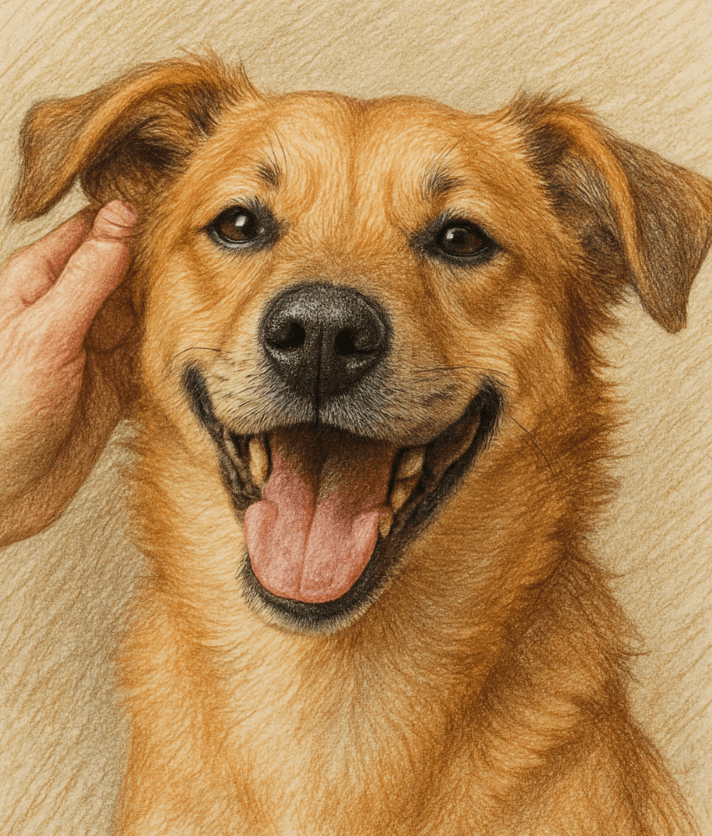

How to Make My Dog Happy: Unlocking the Secrets to a Joyful Pup
Every dog owner wants their furry friend to live their best life, filled with happiness and contentment. But what does it truly take to make your dog happy? While every dog is unique, there are universal principles that apply to all breeds and personalities. From physical exercise to mental stimulation, quality time with you, and proper care, ensuring your dog’s happiness is a blend of meeting their needs and building a strong bond. In this blog post, we’ll explore practical tips and expert advice on how to make your dog happy, helping you create a joyful and fulfilling life for your four-legged companion.
Physical Exercise: The Foundation of a Happy Dog
One of the most effective ways to boost your dog’s happiness is through regular physical activity. Exercise not only keeps them healthy but also reduces stress, burns excess energy, and strengthens your bond. Here’s how to incorporate exercise into your dog’s routine.
Daily Walks:
Aim for at least 30-60 minutes of walking each day, depending on your dog’s breed and energy level. This satisfies their need for exploration and fresh air.Playtime in the Yard:
If you have a yard, let your dog run freely and play fetch or tug-of-war to engage their natural instincts.Interactive Toys:
Puzzle toys and treat-dispensing balls provide both physical activity and mental challenges during solo play.Dog Parks:
Social dogs thrive in dog parks, where they can interact with other pups and burn energy through play.Swimming Sessions:
For water-loving breeds, swimming is an excellent low-impact exercise that’s easy on the joints.
By prioritizing physical exercise, you’ll notice a calmer, happier dog who’s less likely to exhibit destructive behaviors.
Mental Stimulation: Keeping Your Dog’s Mind Sharp
A happy dog isn’t just physically active—they’re mentally engaged too. Dogs are intelligent creatures who thrive on problem-solving and learning new things. Here’s how to keep their minds sharp and stimulated.
Training Sessions:
Teach your dog new tricks or reinforce existing commands using positive reinforcement like treats and praise.Scent Games:
Hide treats around the house or yard and encourage your dog to “find” them using their incredible sense of smell.Interactive Feeders:
Replace traditional bowls with puzzle feeders or slow-feed bowls to make mealtime more engaging.Rotate Toys:
Keep your dog’s interest by rotating their toys regularly, introducing novelty and preventing boredom.Agility Training:
Set up a mini agility course in your backyard or living room to challenge their coordination and focus.
Providing mental stimulation ensures your dog feels accomplished and entertained, reducing anxiety and restlessness.
Check this guide 👉How to Train a Deaf Dog: Best 7 Expert Tips!
Check this guide 👉Understanding Happy Dog Syndrome: Best 7 Expert Tips!
Check this guide 👉Are Zoomies a Sign of a Happy Dog? Best 7 Expert Tips!
Ways to Boost Physical Happiness | Ways to Boost Mental Happiness |
|---|---|
Daily walks and runs | Teaching new tricks and commands |
Playtime with interactive toys | Scent-based games and treasure hunts |
Visits to the dog park | Rotating toys for variety |
Swimming sessions (if your dog enjoys it) | Using puzzle feeders for meals |
Fetch and tug-of-war games | Introducing agility training |
Quality Time Together: Strengthening Your Bond
Spending quality time with your dog is one of the simplest yet most powerful ways to make them happy. Dogs are social animals who crave companionship and thrive on human interaction. Here’s how to deepen your connection.
Cuddle Sessions:
Many dogs love snuggling with their owners—it’s a great way to show affection and build trust.Grooming Time:
Brushing your dog’s coat not only keeps them clean but also provides comfort and bonding opportunities.Talking and Listening:
Engage your dog in conversation—even if they don’t understand every word, they appreciate the attention and tone of your voice.Adventures Together:
Take your dog on car rides, hikes, or trips to pet-friendly places to create lasting memories.Eye Contact and Affection:
Regular eye contact and gentle petting release oxytocin (the “love hormone”) in both you and your dog, strengthening your bond.
By dedicating time to connect with your dog, you’ll foster a relationship built on trust, love, and mutual joy.
Proper Care and Nutrition: The Backbone of Happiness
A happy dog starts with proper care and nutrition. Ensuring your dog’s basic needs are met lays the foundation for overall well-being and happiness.
Balanced Diet:
Feed your dog high-quality food tailored to their age, size, and dietary requirements to support their health and energy levels.Regular Vet Check-Ups:
Schedule annual visits to monitor your dog’s health and catch potential issues early.Comfortable Living Space:
Provide a cozy bed, access to fresh water, and a safe environment free from hazards.Dental Hygiene:
Brush your dog’s teeth regularly to prevent dental disease, which can impact their overall happiness.Consistent Routine:
Dogs thrive on predictability—establish a consistent schedule for feeding, walks, and bedtime.
When your dog feels secure and cared for, they’re more likely to exude happiness and confidence.
Common Mistakes That Affect a Dog’s Happiness
Even well-meaning owners can unintentionally overlook factors that impact their dog’s happiness. Avoid these common mistakes to ensure your pup stays content and fulfilled.
Skipping Exercise:
Neglecting daily walks or playtime can lead to pent-up energy and behavioral problems.Ignoring Mental Stimulation:
Failing to challenge your dog’s mind may result in boredom and destructive behaviors.Overlooking Socialization:
Isolating your dog from other people or pets can hinder their social skills and confidence.Inconsistent Routines:
Sudden changes in schedules can confuse dogs, causing stress and anxiety.Using Punishment-Based Training:
Harsh corrections damage trust and can lead to fear-based behaviors instead of happiness.
Avoiding these pitfalls ensures your dog remains happy and well-adjusted.
Signs Your Dog Is Truly Happy
Understanding the signs of a happy dog helps you gauge whether your efforts are paying off. Look for these indicators of canine contentment.
Wagging Tail:
A loose, wagging tail often signals excitement and happiness.Relaxed Body Language:
Soft eyes, floppy ears, and a loose posture indicate a calm and content state.Playful Behavior:
Initiating games or bouncing around shows enthusiasm and joy.Eager Greetings:
A happy dog greets you enthusiastically when you return home, tail wagging and eyes bright.Healthy Appetite:
Consistent eating habits reflect emotional and physical well-being.
Recognizing these signs reassures you that your dog is thriving under your care.
Fun Ways to Celebrate Your Dog’s Happiness
Once you’ve mastered the basics of making your dog happy, why not go the extra mile with special celebrations? These ideas will bring even more joy to your pup’s life.
Host a Doggy Playdate:
Invite friends and their dogs over for a fun afternoon of play and socialization.Bake Homemade Treats:
Whip up healthy, homemade treats using ingredients like peanut butter, pumpkin, and oats.Plan a Day Out:
Visit a pet-friendly beach, park, or café to give your dog a change of scenery.Create a Photo Album:
Capture your adventures together in a scrapbook or digital album to cherish forever.Surprise Them with New Toys:
Occasionally gift your dog a new toy to spark excitement and curiosity.
Celebrating your dog’s happiness strengthens your bond and creates cherished memories for years to come.
Frequently Asked Questions About Making Your Dog Happy
How much exercise does my dog need daily?
Most dogs require at least 30-60 minutes of exercise per day, but this varies based on breed and age.
Can I leave my dog alone while I’m at work?
Yes, but ensure they have toys, water, and a comfortable space. Consider hiring a dog walker for midday breaks.
What if my dog seems bored?
Introduce new activities, rotate toys, or try scent games to reignite their interest and curiosity.
Do dogs get lonely?
Yes, dogs are social animals and may feel lonely without companionship. Spend quality time together to prevent this.
Is it okay to spoil my dog?
Occasional treats and indulgences are fine, but prioritize balanced nutrition and healthy habits over constant spoiling.
Creating a Lifetime of Happiness for Your Dog
Making your dog happy doesn’t require extravagant gestures—it’s about understanding their needs and providing consistent care, love, and attention. By focusing on physical exercise, mental stimulation, quality time, and proper care, you’ll nurture a joyful, well-adjusted companion who enriches your life as much as you do theirs. Remember, a happy dog is a reflection of a loving owner who prioritizes their well-being. With these tips and a little effort, you can ensure your dog leads a life full of wagging tails, playful barks, and endless happiness.
Is Rawhide Bad for Cats? Best 7 Expert Tips! – Discover the risks, safe alternatives, and expert advice to keep your feline friend healthy and happy.

Is Rawhide Bad for Dogs? Best 7 Expert Tips! – Discover the risks, benefits, and safer alternatives to rawhides for your dog’s chewing needs.

Understanding Anorexia in Cats: Best 7 Expert Tips! – Learn why cats stop eating, spot warning signs, and discover how to help your feline regain appetite safely.

Understanding Anorexia in Dogs: Best 7 Expert Tips! – Learn causes, symptoms, and solutions to help your dog regain appetite and stay healthy.