
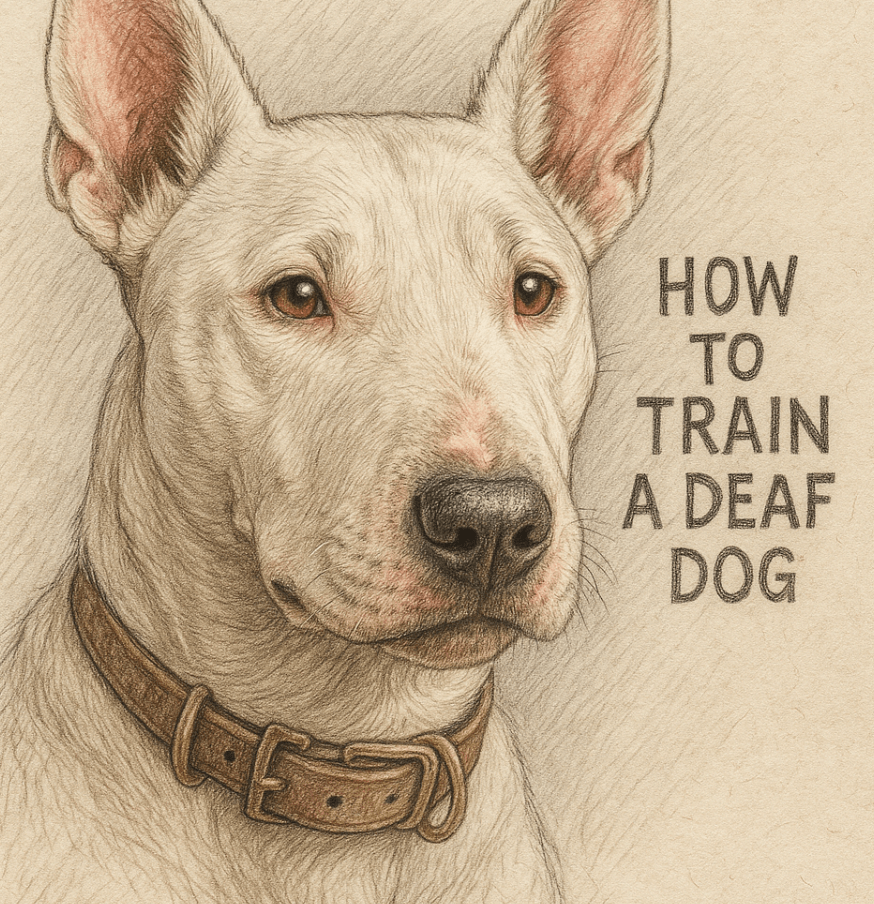

How to Train a Deaf Dog: Building a Strong Bond Through Communication
Training a deaf dog may seem challenging at first, but it’s entirely possible—and even rewarding—with the right approach. Deaf dogs are just as intelligent, loving, and capable as hearing dogs; they simply require alternative methods of communication. By using visual cues, hand signals, and positive reinforcement, you can create a strong bond with your furry friend while teaching them essential commands and behaviors. In this blog post, we’ll explore practical tips, tools, and techniques to help you successfully train a deaf dog. Whether you’re a first-time owner or an experienced pet parent, these strategies will empower you to build trust and confidence with your deaf companion.
Essential Tips for Training a Deaf Dog
Training a deaf dog requires patience, creativity, and consistency. These key tips will set you up for success and ensure a positive learning experience for both you and your dog.
Use Visual Signals Instead of Verbal Commands:
Replace spoken words with clear, distinct hand signals that your dog can easily recognize and respond to.Incorporate Vibrations as Cues:
Stomp your foot or use a vibrating collar (not a shock collar) to get your dog’s attention without startling them.Leverage Positive Reinforcement:
Reward desired behaviors with treats, toys, or affection to encourage repetition and build trust.Maintain Consistency in Training:
Use the same signals and routines every time to avoid confusion and reinforce learning.Start with Basic Commands:
Begin with foundational cues like “sit,” “stay,” and “come” before progressing to more complex tasks.
By following these tips, you’ll lay a solid foundation for effective communication and foster a deeper connection with your deaf dog.
Creative Tools and Techniques for Deaf Dog Training
Deaf dogs rely heavily on visual and tactile cues, so incorporating creative tools and techniques into their training can make a big difference. Here are some ideas to enhance the learning process.
Flashlights or Laser Pointers:
Use a flashlight or laser pointer to signal your dog’s attention during training sessions or playtime.Glow-in-the-Dark Toys:
These toys are perfect for nighttime play and can help reinforce recall commands in low-light conditions.Visual Markers for Rewards:
Pair a thumbs-up gesture or a specific hand signal with rewards to let your dog know they’ve done something right.Target Sticks for Guidance:
A target stick can guide your dog through movements like turning, spinning, or walking in a straight line.Consistent Routine Signals:
Establish daily routines with visual cues, such as a wave for mealtime or a tap on the shoulder for bedtime.
These creative approaches not only make training fun but also strengthen the bond between you and your deaf dog.
Check this guide 👉The Journey of Seeing Eye Dog Training: Best 7 Tips!
Check this guide 👉Emotional Support Dog Training: Best 7 Expert Tips!
Check this guide 👉Embracing Force Free Dog Training: Best 7 Expert Tips!
Training Tools for Deaf Dogs | Benefits of Each Tool |
|---|---|
Hand signals | Clear and consistent communication |
Vibrating collars | Non-intrusive way to grab attention |
Flashlights | Effective for signaling in dim lighting |
Treat pouches | Keeps rewards handy for quick reinforcement |
Target sticks | Helps guide movements and teach tricks |
Common Challenges in Training a Deaf Dog
While training a deaf dog is highly rewarding, it does come with unique challenges. Understanding these obstacles can help you address them proactively.
Difficulty Gaining Attention:
Without auditory cues, getting your dog’s focus can be tricky, especially in distracting environments.Over-Reliance on Touch:
Some owners accidentally startle their dogs by relying too much on physical touch for communication.Misinterpreting Body Language:
Misreading your dog’s body language can lead to misunderstandings and hinder progress.Limited Recall in Open Spaces:
Teaching a reliable “come” command in uncontrolled areas requires extra effort and creativity.Socialization Challenges:
Deaf dogs may struggle to interact with other animals or people due to their inability to hear social cues.
By recognizing and addressing these challenges, you can create a supportive environment that fosters growth and confidence.
Building Trust and Strengthening Your Bond
Training a deaf dog is about more than teaching commands—it’s about building trust and strengthening your relationship. These strategies will help deepen your connection.
Spend Quality Time Together:
Engage in activities like walks, playtime, and cuddles to reinforce your bond outside of formal training sessions.Respect Their Space:
Avoid startling your dog by approaching them gently and ensuring they’re aware of your presence.Celebrate Small Wins:
Acknowledge and reward even minor achievements to boost your dog’s confidence and motivation.Practice Patience:
Progress may take longer than expected, but staying patient ensures a positive experience for both of you.Be Consistent with Affection:
Show love and reassurance regularly to create a sense of security and belonging.
A strong bond built on trust and understanding is the foundation of successful deaf dog training.
Signs Your Deaf Dog Is Ready to Learn
Recognizing when your dog is focused and receptive can make training sessions more productive. Look for these signs to determine if your deaf dog is ready to engage.
Eyes on You:
Your dog looks directly at you, indicating they’re paying attention and ready to learn.Relaxed Body Language:
A calm posture shows they feel safe and comfortable, making them more open to new experiences.Curiosity About Their Environment:
If your dog is exploring and interacting with their surroundings, they’re likely in a receptive state.Excitement for Rewards:
Wagging tails or perked ears when you present treats or toys signal enthusiasm for training.Following Visual Cues Naturally:
If your dog already responds to gestures like pointing, they’re primed for structured learning.
Understanding these signs helps you maximize training opportunities and achieve better results.
Tips for Socializing a Deaf Dog
Socialization is crucial for all dogs, including those who are deaf. These tips will help your deaf dog feel confident and comfortable around others.
Introduce Them Gradually:
Start with one-on-one interactions before exposing them to larger groups of people or animals.Use Calm, Predictable Environments:
Choose quiet settings where your dog feels secure and isn’t overwhelmed by sensory overload.Teach Others How to Approach:
Educate friends and family to approach slowly and avoid sudden movements that might startle your dog.Monitor Body Language:
Watch for signs of stress or discomfort and step in to remove your dog from overwhelming situations.Reward Positive Interactions:
Praise and reward your dog for calm and friendly behavior during social encounters.
Proper socialization ensures your deaf dog grows into a well-adjusted and happy companion.
Fun Activities to Enjoy with Your Deaf Dog
Engaging in fun activities not only strengthens your bond but also provides mental and physical stimulation for your deaf dog. Try these ideas to keep them entertained and enriched.
Hand Signal Games:
Play games like “Simon Says” using hand signals to reinforce obedience and have fun simultaneously.Agility Courses:
Set up a simple agility course in your backyard to challenge their skills and boost confidence.Hide-and-Seek:
Hide treats or toys around the house and use visual cues to guide them to the hidden treasures.Interactive Toys:
Puzzle toys and treat-dispensing gadgets keep their minds sharp and provide hours of entertainment.Outdoor Adventures:
Take your dog on hikes, picnics, or trips to dog-friendly parks to explore new sights and smells.
These activities ensure your deaf dog stays active, engaged, and happy throughout their life.
Frequently Asked Questions About Training a Deaf Dog
Can a deaf dog learn commands?
Yes, deaf dogs can learn commands using visual signals and consistent training methods.
Do I need special equipment to train a deaf dog?
While not mandatory, tools like vibrating collars and target sticks can enhance the training process.
How do I get my deaf dog’s attention?
Use vibrations, hand signals, or visual cues like waving a light to capture their focus.
Is it harder to train a deaf dog than a hearing dog?
It requires adaptation, but deaf dogs are just as trainable and eager to learn as hearing dogs.
What should I avoid when training a deaf dog?
Avoid startling them with sudden touches and never use punishment-based methods, as they damage trust.
Empowering Your Deaf Dog Through Training
Training a deaf dog is a fulfilling journey that strengthens your bond and showcases their incredible adaptability. With patience, creativity, and the right techniques, you can unlock your dog’s full potential and enjoy a harmonious relationship filled with mutual trust and respect. Remember, deafness is not a limitation—it’s simply a different way of communicating. By embracing this challenge, you’ll discover the joy of connecting with your dog in meaningful and innovative ways. Together, you’ll prove that love truly transcends all barriers.
Spleen Cancer in Cats: Best 7 Expert Tips! – Expert insights on symptoms, care, treatment & quality of life for feline spleen cancer.
Dog Mastitis Treatment: Best 7 Expert Tips! – Safe, vet-approved care for nursing moms & prevention strategies.
The Shikoku Ken Dog: Best 7 Expert Tips! – Discover expert care, training & health advice for this rare, loyal Japanese mountain breed.
The Cairn Terrier Dog Breed: Best 7 Expert Tips! – Discover care, training & health advice for this spirited, loyal Scottish terrier.


