
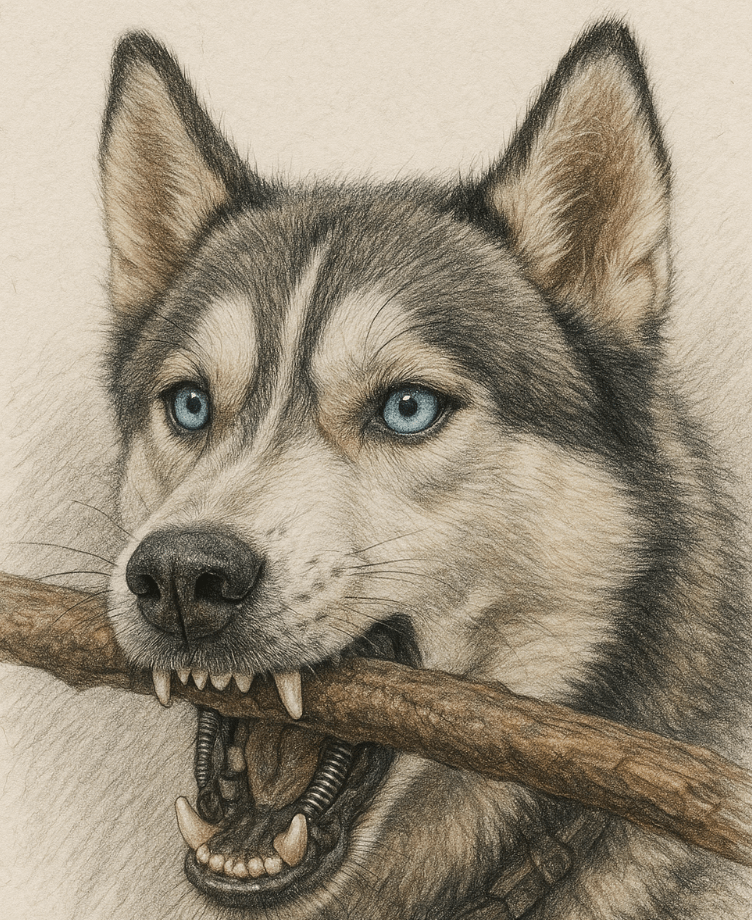

Husky Bite Force: Understanding the Power Behind Those Teeth
Siberian Huskies are beloved for their striking appearance, playful nature, and boundless energy. However, like all dogs, they possess a bite force that reflects their strength and evolutionary background. While Huskies are generally friendly and not aggressive by nature, understanding their bite force is essential for responsible ownership. This knowledge helps ensure safety, proper training, and a harmonious relationship between you and your furry companion.
In this blog post, we’ll explore the science behind Husky bite force, its implications, and how to manage it effectively. Whether you’re a Husky owner or simply curious about these majestic dogs, this guide will provide valuable insights into their powerful jaws.
What Is Husky Bite Force?
The term “bite force” refers to the amount of pressure a dog’s jaws can exert when biting down. For Huskies, their bite force is a reflection of their physical capabilities and ancestral traits. Here’s what you need to know about Husky bite force and its significance.
Average Bite Force Measurement:
A Husky’s bite force is estimated to be around 320 PSI (pounds per square inch), which is moderate compared to larger breeds like Rottweilers or Mastiffs.Evolutionary Purpose:
Huskies were bred as working dogs in harsh Arctic conditions, where their strong jaws helped them survive by breaking ice and chewing tough food.Comparison to Other Breeds:
While not the strongest bite force among dogs, Huskies’ jaws are still powerful enough to cause injury if provoked or mishandled.Playful vs. Aggressive Biting:
Huskies often use their mouths during play, but this behavior should be monitored to prevent accidental bites or misunderstandings.Impact on Training:
Understanding their bite force underscores the importance of teaching bite inhibition and proper socialization from an early age.
By recognizing the power behind a Husky’s bite, owners can take proactive steps to ensure safe interactions with people and other animals.
Factors Influencing Husky Bite Force
Several factors contribute to the strength and intensity of a Husky’s bite. These variables highlight why individual Huskies may exhibit different levels of bite force.
Genetics and Breed Traits:
As descendants of sled-pulling ancestors, Huskies naturally possess strong jaw muscles designed for endurance and power.Age and Development:
Puppies have weaker bite forces than adult Huskies, whose jaw strength peaks as they mature physically.Health and Nutrition:
A well-balanced diet supports muscle development and overall health, indirectly influencing a Husky’s bite strength.Temperament and Environment:
A calm, well-trained Husky is less likely to exert full bite force compared to one that feels threatened or stressed.Training and Socialization:
Properly trained Huskies learn to control their bite force, reducing the risk of accidental injuries during play or excitement.
These factors emphasize the importance of nurturing a Husky’s physical and mental well-being to manage their natural instincts responsibly.
Check this guide 👉Agouti Husky: Best 7 Expert Tips!
Check this guide 👉Akita vs Husky: Best 7 Expert Tips!
Check this guide 👉Can a Husky Be a Service Dog? Best 7 Expert Tips!
Breeds with Strong Bite Forces | Breeds with Moderate Bite Forces |
|---|---|
Rottweiler (328 PSI) | Siberian Husky (320 PSI) |
German Shepherd (238 PSI) | Labrador Retriever (230 PSI) |
Pit Bull Terrier (235 PSI) | Golden Retriever (190 PSI) |
Kangal (743 PSI) | Boxer (245 PSI) |
Mastiff (556 PSI) | Border Collie (200 PSI) |
Managing Husky Bite Force Through Training
Training plays a crucial role in managing a Husky’s bite force and ensuring they interact safely with others. Here are some effective strategies to guide your Husky’s behavior.
Teach Bite Inhibition Early:
Start training puppies to understand gentle mouthing by redirecting aggressive chewing to appropriate toys.Use Positive Reinforcement:
Reward calm behavior and discourage rough play to reinforce good habits around biting.Provide Chew Toys:
Offering durable chew toys satisfies a Husky’s natural urge to gnaw and prevents destructive behavior.Practice Obedience Commands:
Commands like “leave it” or “drop it” help control situations where a Husky might use excessive force with their mouth.Monitor Playtime Interactions:
Supervise interactions with children or other pets to prevent overly enthusiastic biting or accidental injuries.
With consistent training, Huskies can learn to control their bite force and become well-mannered companions.
Preventing Accidents Related to Husky Bite Force
While Huskies are typically friendly, accidents involving their bite force can occur without proper precautions. Here’s how to minimize risks and keep everyone safe.
Supervise Young Children:
Always monitor interactions between Huskies and toddlers to prevent playful nipping from escalating.Avoid Provoking Aggression:
Never tease or threaten a Husky, as fear or stress can trigger defensive biting.Address Resource Guarding:
Train Huskies to share food, toys, and space calmly to reduce territorial behaviors.Seek Professional Help if Needed:
If your Husky displays signs of aggression, consult a professional trainer or behaviorist for guidance.Regular Vet Check-Ups:
Ensure your Husky is healthy, as pain or discomfort can lead to uncharacteristic biting behavior.
Taking these preventive measures fosters a safe environment for both your Husky and those around them.
Signs Your Husky Needs Better Bite Control
If your Husky struggles with controlling their bite, there are clear signs that indicate the need for additional training or intervention.
Frequent Nipping During Play:
Excessive mouthing or nipping can escalate into harder bites if not addressed promptly.Growling or Snarling When Approached:
This behavior may signal discomfort or resource guarding, requiring immediate attention.Destructive Chewing Around the House:
Unchecked chewing can damage property and indicate a lack of outlet for their energy.Aggression Toward Strangers or Pets:
Biting out of fear or territoriality points to underlying behavioral issues.Ignoring Commands to Stop Biting:
Failure to respond to verbal cues suggests a need for more structured training sessions.
Recognizing these signs allows you to address problems proactively and create a safer home environment.
Fun Ways to Redirect a Husky’s Chewing Behavior
Redirecting a Husky’s natural tendency to chew can prevent unwanted incidents while keeping them entertained.
Interactive Puzzle Toys:
These toys challenge your Husky mentally and physically, satisfying their need to chew productively.Tug-of-War Games:
Controlled tug games teach bite inhibition while providing an outlet for their energy.Frozen Treats:
Freeze peanut butter or broth inside a Kong toy to keep your Husky occupied and cool on hot days.Outdoor Adventures:
Long hikes, runs, or fetch sessions reduce pent-up energy that might otherwise manifest as destructive chewing.Training Sessions with Rewards:
Incorporate bite inhibition exercises into daily training routines, rewarding calm behavior consistently.
These activities channel your Husky’s instincts positively, fostering a happier and healthier pet.
Myths About Husky Bite Force Debunked
Misconceptions about Husky bite force abound, leading to unnecessary fear or misunderstanding. Let’s separate fact from fiction.
“Huskies Are Naturally Aggressive”:
False. Huskies are friendly by nature; aggression stems from poor training or environmental factors.“Their Bite Force Makes Them Dangerous”:
Not true. With proper training, Huskies pose no greater risk than any other breed.“They Can’t Be Trusted Around Kids”:
Incorrect. Well-socialized Huskies make excellent family pets who adore children.“All Huskies Have Identical Bite Strength”:
Wrong. Individual differences exist based on genetics, health, and upbringing.“You Can’t Train a Husky to Stop Biting”:
False. Consistent training and patience can curb biting behaviors effectively.
Dispelling these myths promotes a better understanding of Huskies and their capabilities.
Frequently Asked Questions About Husky Bite Force
Is a Husky’s bite dangerous?
While Huskies have a strong bite force, they are not inherently aggressive. Proper training minimizes risks.
How does Husky bite force compare to other breeds?
Huskies fall within the moderate range, stronger than retrievers but weaker than breeds like Rottweilers or Mastiffs.
Can I train my Husky to stop biting?
Yes, with consistent training and positive reinforcement, Huskies can learn to control their biting behavior.
Why do Huskies mouth so much?
Mouthing is a natural behavior for Huskies, often used during play or exploration.
What should I do if my Husky bites someone?
Stay calm, assess the situation, and seek medical attention if necessary. Address the behavior through training immediately.
Living Harmoniously with Your Husky’s Bite Force
Understanding and managing your Husky’s bite force is key to building a trusting and safe relationship. While their powerful jaws are a testament to their strength and heritage, they also require careful handling and training to ensure everyone’s safety. By investing time in education, socialization, and prevention, you can enjoy the companionship of these incredible dogs without compromising peace of mind. Remember, a well-trained Husky is not only a joy to live with but also a shining example of responsible pet ownership.
Is Rawhide Bad for Cats? Best 7 Expert Tips! – Discover the risks, safe alternatives, and expert advice to keep your feline friend healthy and happy.

Is Rawhide Bad for Dogs? Best 7 Expert Tips! – Discover the risks, benefits, and safer alternatives to rawhides for your dog’s chewing needs.

Understanding Anorexia in Cats: Best 7 Expert Tips! – Learn why cats stop eating, spot warning signs, and discover how to help your feline regain appetite safely.

Understanding Anorexia in Dogs: Best 7 Expert Tips! – Learn causes, symptoms, and solutions to help your dog regain appetite and stay healthy.