
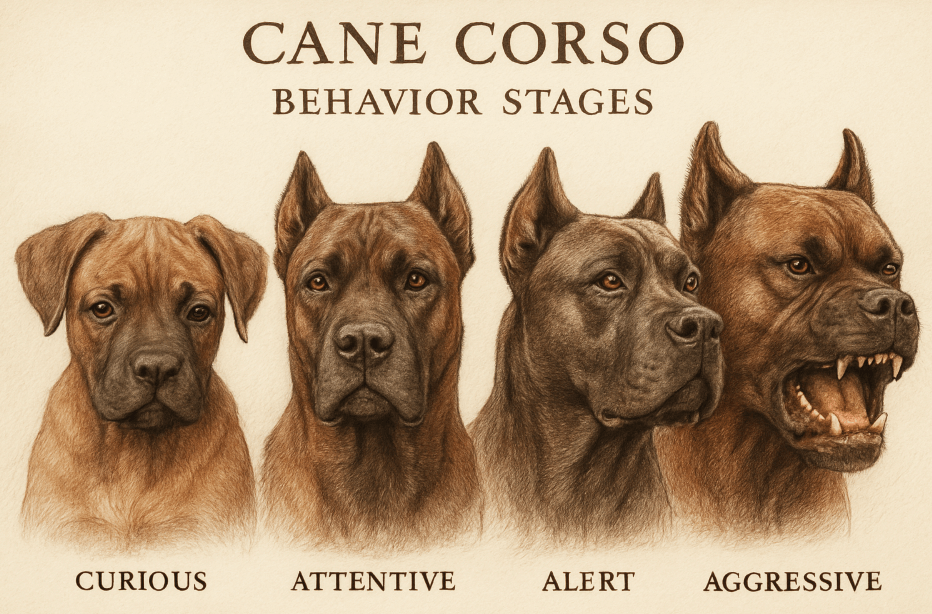

Cane Corso Behavior Stages: Understanding Your Dog’s Development
The Cane Corso is a majestic and powerful breed known for its loyalty, intelligence, and protective instincts. However, like all dogs, they go through distinct behavior stages as they grow from playful puppies to confident adults. Understanding these stages is crucial for raising a well-behaved and balanced companion. Whether you’re a new Cane Corso owner or considering adding one to your family, recognizing their developmental milestones will help you provide the right guidance and care at every step. In this blog post, we’ll explore the key behavior stages of a Cane Corso, offering insights into their needs, challenges, and how to nurture their natural traits effectively.
Puppyhood (0-6 Months): The Foundation Stage
The first six months of a Cane Corso’s life are critical for shaping their personality and behavior. This stage is all about exploration, learning, and building trust with their human family.
Rapid Physical Growth:
Cane Corsos grow quickly during this period, gaining significant weight and height. Proper nutrition and exercise are essential to support their development.Curiosity and Playfulness:
Puppies are naturally curious and eager to explore their surroundings. Provide safe toys and environments to satisfy their curiosity.Socialization Window:
Between 8 and 16 weeks, puppies are most receptive to socialization. Introduce them to different people, animals, and environments to build confidence.Teething Challenges:
Expect chewing behaviors as their adult teeth come in. Offer durable chew toys to prevent destructive habits.Early Training Starts:
Begin basic obedience training, focusing on commands like “sit,” “stay,” and “come.” Positive reinforcement works best at this age.
By investing time and effort during puppyhood, you lay the groundwork for a well-adjusted adult Cane Corso.
Adolescence (6-18 Months): Testing Boundaries
As your Cane Corso enters adolescence, their behavior may become more challenging. This stage is marked by testing limits, increased energy, and a desire for independence.
Testing Authority:
Adolescents often push boundaries to see what they can get away with. Consistent rules and firm leadership are vital during this phase.Energy Surges:
Expect bursts of energy that may lead to rowdy play or even destructive behavior if not properly channeled.Heightened Protective Instincts:
Their natural guarding instincts start to emerge, which can manifest as barking at strangers or territorial behavior.Training Continuation:
Reinforce obedience training and introduce more advanced commands to keep them mentally stimulated.Bond Strengthening:
Spend quality time together through activities like walks, play, and training sessions to reinforce your role as their leader.
Navigating adolescence requires patience and consistency, but it’s a crucial phase for shaping their long-term behavior.
Check this guide 👉Cane Corso Weimaraner Mix: Best 7 Expert Tips!
Check this guide 👉Irish Wolfhound Cane Corso Mix: Best 7 Expert Tips!
Check this guide 👉Cane Corso Greyhound Mix: Best 7 Expert Tips!
Behavioral Traits in Early Stages | Tips for Managing Each Stage |
|---|---|
Curiosity in Puppyhood | Provide safe exploration opportunities |
Teething and Chewing | Offer durable chew toys |
Boundary Testing in Adolescence | Maintain consistent rules and routines |
Increased Energy Levels | Schedule regular physical activities |
Emerging Protective Instincts | Train calm responses to unfamiliar stimuli |
Adulthood (18 Months – 3 Years): Maturity and Stability
By the time a Cane Corso reaches adulthood, their personality and behavior stabilize significantly. This stage is characterized by confidence, loyalty, and a strong bond with their family.
Settling Into Routine:
Adult Cane Corsos thrive on predictable schedules for feeding, exercise, and rest. Stick to a consistent routine for their well-being.Guardian Role Solidifies:
Their protective instincts peak, making them excellent watchdogs. Teach them when it’s appropriate to be alert versus relaxed.Mental Stimulation Needs:
Boredom can lead to unwanted behaviors. Incorporate puzzle toys, scent games, or agility training to keep them engaged.Physical Exercise Requirements:
Daily walks, runs, or playtime are necessary to maintain their muscular physique and burn off excess energy.Deepening Family Bonds:
They form lifelong attachments to their owners, showing affection and devotion while remaining vigilant protectors.
This stage represents the peak of a Cane Corso’s capabilities, provided their early training and care were effective.
Senior Years (7+ Years): Adjusting to Aging
As Cane Corsos enter their senior years, their behavior and needs shift once again. This stage requires adjustments to ensure their comfort and happiness in their golden years.
Reduced Energy Levels:
Older dogs tend to slow down, requiring less strenuous exercise and shorter walks.Health Monitoring:
Regular vet check-ups are essential to catch age-related issues like arthritis or joint pain early.Dietary Changes:
Switch to senior-specific diets that cater to their changing nutritional needs and metabolism.Comfort Prioritization:
Provide soft bedding and easy access to food, water, and favorite resting spots.Maintaining Engagement:
Keep them mentally active with light training sessions or interactive toys to prevent cognitive decline.
With proper care and attention, senior Cane Corsos remain loving companions who bring joy to their families.
Common Misconceptions About Cane Corso Behavior
There are several myths surrounding the Cane Corso’s temperament and behavior. Clearing up these misconceptions helps potential and current owners better understand the breed.
They Are Naturally Aggressive:
While protective, aggression stems from poor training or lack of socialization—not inherent traits.They Don’t Need Much Attention:
On the contrary, they crave companionship and thrive on human interaction.All Cane Corsos Act the Same Way:
Individual personalities vary widely based on genetics, upbringing, and environment.They’re Too Stubborn to Train:
With patience and consistency, they respond exceptionally well to structured training.They’re Only Suitable for Experienced Owners:
First-time owners can succeed with dedication, research, and professional guidance.
Understanding the truth behind these myths ensures realistic expectations for living with a Cane Corso.
Tips for Socializing Your Cane Corso Across Stages
Socialization is key to raising a well-rounded Cane Corso. Here are some tips tailored to different stages of their development.
Puppy Socialization:
Arrange playdates with friendly dogs and expose them to various sounds, surfaces, and people.Adolescent Reinforcement:
Continue meeting new people and pets under controlled circumstances to reinforce earlier lessons.Adult Confidence Building:
Participate in group training classes or dog-friendly events to refine their social skills.Senior Adaptability:
Allow them to set the pace for interactions, respecting any discomfort due to aging.Ongoing Positive Experiences:
Reward calm and polite behavior during encounters to create lasting positive associations.
Proper socialization ensures your Cane Corso remains confident and adaptable throughout their life.
Fun Activities to Bond With Your Cane Corso
Engaging in activities with your Cane Corso strengthens your bond and keeps them physically and mentally stimulated.
Long Walks and Runs:
These high-energy dogs love outdoor adventures that allow them to stretch their legs.Tug-of-War Games:
A classic favorite that satisfies their natural instinct to pull and tug.Obedience Competitions:
Showcase their intelligence and trainability in structured events like rally or agility trials.Swimming Sessions:
Many Cane Corsos enjoy water; swimming provides excellent low-impact exercise.Interactive Toys:
Puzzle feeders and treat-dispensing balls keep them entertained while rewarding problem-solving.
These activities ensure a happy, healthy, and deeply connected relationship with your beloved Cane Corso.
Frequently Asked Questions About Cane Corso Behavior Stages
At what age does a Cane Corso become fully mature?
Most Cane Corsos reach full physical and behavioral maturity between 18 months and 3 years of age.
How do I handle my adolescent Cane Corso’s stubbornness?
Use consistent training methods, clear boundaries, and positive reinforcement to guide their behavior.
Are Cane Corsos good with children?
Yes, when properly socialized and trained, they are gentle and protective around kids.
Why is my Cane Corso so clingy?
Their strong bond with their owners makes them affectionate and loyal companions.
What should I watch for in my senior Cane Corso?
Look out for signs of arthritis, weight changes, or decreased mobility, and consult your vet regularly.
Raising a Well-Behaved Cane Corso Through Every Stage
Understanding the behavior stages of a Cane Corso is essential for fostering a harmonious relationship with this remarkable breed. From their playful puppy days to their dignified senior years, each stage presents unique opportunities and challenges. By providing consistent training, proper care, and plenty of love, you can ensure your Cane Corso grows into a loyal, well-mannered, and cherished member of your family. Remember, the effort you invest in their development pays off in the form of a lifelong partnership filled with trust and devotion.
Is Rawhide Bad for Cats? Best 7 Expert Tips! – Discover the risks, safe alternatives, and expert advice to keep your feline friend healthy and happy.

Is Rawhide Bad for Dogs? Best 7 Expert Tips! – Discover the risks, benefits, and safer alternatives to rawhides for your dog’s chewing needs.

Understanding Anorexia in Cats: Best 7 Expert Tips! – Learn why cats stop eating, spot warning signs, and discover how to help your feline regain appetite safely.

Understanding Anorexia in Dogs: Best 7 Expert Tips! – Learn causes, symptoms, and solutions to help your dog regain appetite and stay healthy.