

How to Make a Dog Laugh: Unleashing Joy in Your Furry Friend
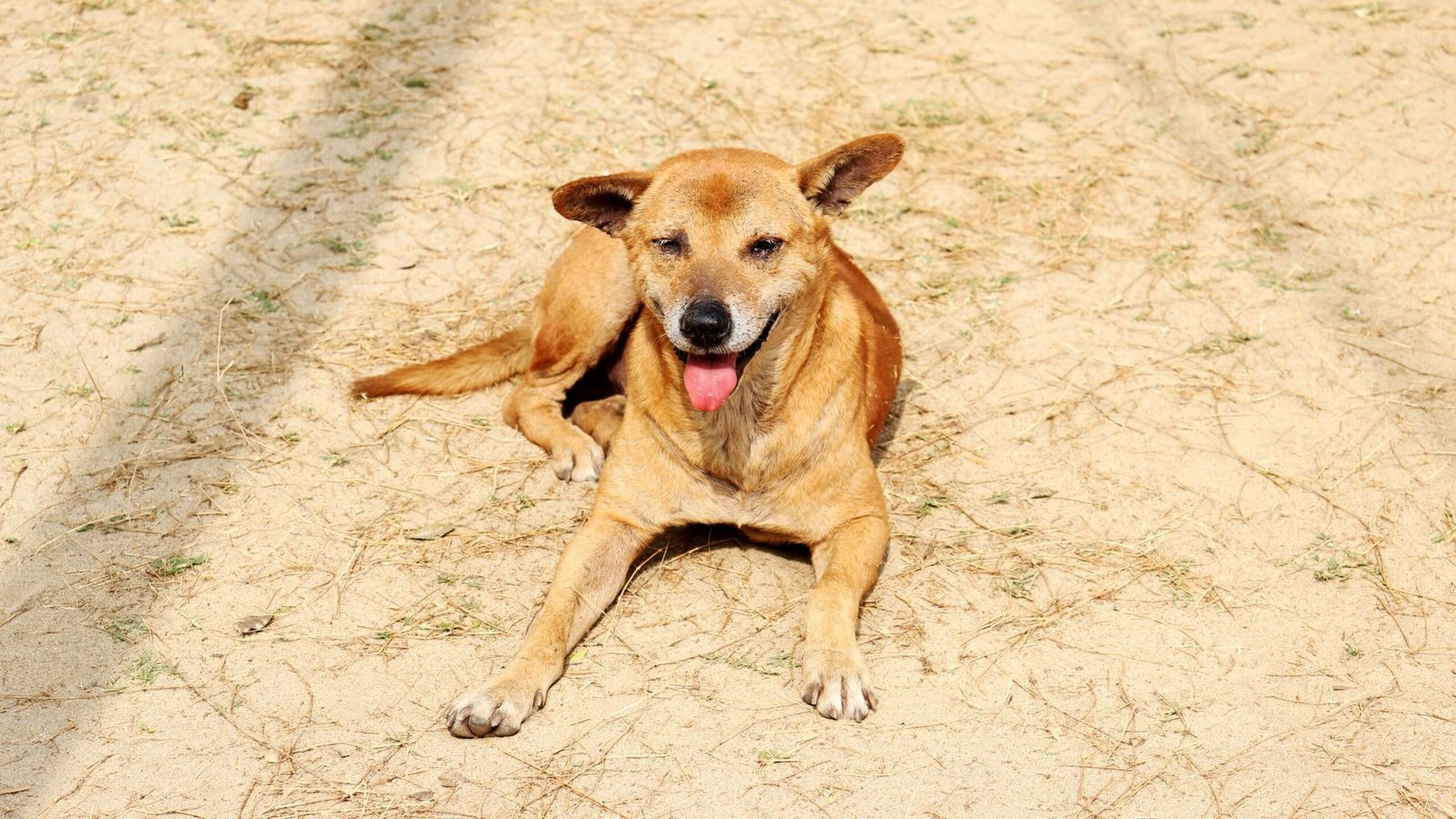
Dogs are known for their boundless enthusiasm, wagging tails, and infectious happiness. But did you know that dogs can also “laugh”? While they may not express joy the way humans do, dogs have unique ways of showing delight—and even mimicking laughter-like behaviors. Understanding how to make your dog laugh isn’t just about creating moments of fun; it’s about strengthening your bond and ensuring your pup feels loved and cared for. In this blog post, we’ll explore the science behind dog laughter, practical tips to elicit those joyful responses, and why these moments matter so much for your dog’s emotional well-being.
What Does Dog Laughter Look Like?
Before diving into how to make your dog laugh, it’s important to understand what dog laughter actually entails. Unlike human laughter, dog laughter is more subtle and often expressed through body language and vocalizations.
Playful Panting:
Dogs often pant in a specific rhythm during play, which researchers believe mimics laughter. This behavior signals joy and excitement.Relaxed Body Posture:
A happy, laughing dog typically has a loose, wiggly body posture, with relaxed ears and a wagging tail.Play Bow Stance:
When a dog lowers its front legs and raises its hindquarters, it’s inviting play—a clear sign of happiness and readiness to engage.High-Pitched Vocalizations:
Some dogs emit soft, high-pitched sounds during play or when excited, resembling a form of laughter.Eyes Wide Open with Soft Expression:
Happy dogs often display bright, alert eyes coupled with a soft, relaxed facial expression.
Recognizing these signs helps you better understand your dog’s emotions and ensures you’re fostering an environment where they feel safe and joyful.
Fun Activities That Make Your Dog Laugh
Engaging your dog in playful activities is one of the best ways to bring out their inner joy. These activities not only entertain but also strengthen your bond and keep your pup mentally stimulated.
Tug-of-War Games:
Tugging on a rope toy encourages friendly competition and often leads to playful growls and excited movements.Chase and Fetch Sessions:
Throwing a ball or frisbee allows your dog to run freely, triggering bursts of energy and happiness.Hide-and-Seek Challenges:
Hiding treats or toys around the house taps into your dog’s natural curiosity and rewards them with moments of triumph.Interactive Puzzle Toys:
Solving puzzles provides mental stimulation and elicits joy as your dog figures out how to access hidden treats.Dance or Spin Commands:
Teaching tricks like spinning in circles or “dancing” adds an element of fun and showcases your dog’s playful side.
These activities not only make your dog laugh but also ensure they stay physically fit and emotionally content.
Check this guide 👉Dog Behavior Changes: Best 7 Expert Tips!
Check this guide 👉What Is a Dog Behaviorist? Best 7 Expert Tips!
Check this guide 👉Understanding Old Dog Behavior Before Death: Best 7 Tips!
Signs of a Happy Dog | Ways to Encourage Joy |
|---|---|
Play bow stance | Engage in interactive games |
Relaxed, wagging tail | Offer regular playtime outdoors |
Soft, panting breaths | Use positive reinforcement techniques |
Bright, alert eyes | Provide mental stimulation with puzzles |
Loose, wiggly body posture | Introduce new toys or challenges |
The Science Behind Dog Laughter
Understanding the science behind dog laughter sheds light on why certain actions evoke such strong emotional responses from our furry friends. Researchers have explored this phenomenon extensively, uncovering fascinating insights.
Behavioral Studies on Playful Panting:
Scientists have identified rhythmic panting patterns in dogs during play, suggesting it serves as a form of communication akin to laughter.Neurochemical Responses:
Playful activities trigger the release of endorphins and dopamine, chemicals associated with happiness and pleasure in both humans and dogs.Social Bonding Through Laughter:
Shared laughter-like behaviors between dogs and their owners strengthen social bonds, reinforcing trust and companionship.Evolutionary Roots:
Playful behaviors likely evolved as a way for dogs to establish hierarchies and build relationships within packs.Impact on Stress Levels:
Engaging in laughter-inducing activities reduces cortisol levels, helping dogs manage stress and anxiety effectively.
By understanding the science, we can better appreciate the importance of fostering joyful experiences for our canine companions.
Tips for Making Your Dog Laugh Daily
Incorporating laughter-inducing habits into your daily routine ensures your dog remains happy and engaged. Here are some simple yet effective strategies to try.
Start Each Day with Playtime:
Begin mornings with a short game of fetch or tug-of-war to set a positive tone for the day.Use Funny Sounds or Voices:
Experiment with silly noises or exaggerated tones—dogs love responding to unusual sounds!Rotate Toys Regularly:
Keep things fresh by introducing new toys periodically to maintain your dog’s interest and excitement.Practice Agility Training:
Set up mini obstacle courses in your backyard to challenge your dog physically and mentally.End the Day with Cuddles:
Gentle affection before bed reassures your dog and reinforces feelings of safety and happiness.
These small efforts go a long way in keeping your dog’s tail wagging and spirit soaring every single day.
Understanding Canine Communication
Dogs communicate their emotions in various ways, and recognizing these signals can enhance your ability to make them laugh. Here’s how to decode their language and respond appropriately.
Tail Wagging Variations:
A fast-wagging tail indicates excitement, while a slow wag suggests curiosity. Respond with matching energy levels to amplify their joy.Barking Patterns:
High-pitched barks during play signal happiness, while low growls may indicate discomfort. Adjust your approach based on their vocal cues.Facial Expressions:
A relaxed mouth with a slight grin shows contentment, while tense lips suggest unease. Reward relaxed expressions with praise or treats.Ear Position Changes:
Perked-up ears mean attentiveness, while flattened ears could signify fear or submission. Adapt your interaction style accordingly.Body Movements:
Wiggly, bouncy movements reflect pure joy, while stiff postures may indicate hesitation. Encourage playful gestures to boost their mood.
Understanding these nuances helps you tailor interactions that maximize your dog’s happiness.
Benefits of Laughter for Dogs
Laughter—or playful behavior—offers numerous benefits for dogs beyond mere amusement. These advantages highlight why prioritizing joy is crucial for their overall well-being.
Improved Physical Health:
Regular play reduces obesity risks and keeps joints flexible, promoting long-term mobility.Enhanced Mental Agility:
Stimulating activities sharpen cognitive skills, preventing boredom-related behavioral issues.Reduced Anxiety and Stress:
Playful interactions lower cortisol levels, helping anxious dogs feel calmer and more secure.Strengthened Bond with Owners:
Shared laughter fosters deeper connections, enhancing mutual trust and companionship.Increased Lifespan Potential:
Happy, active dogs tend to live longer due to reduced stress and improved overall health.
By focusing on laughter, you’re investing in your dog’s physical, mental, and emotional vitality.
Creative Ways to Spark Joy in Stubborn Dogs
Some dogs require extra creativity to coax out their playful side. If your pup seems resistant to traditional methods, try these innovative approaches.
Introduce Water Play:
Many dogs adore splashing in pools or sprinklers, especially breeds like Retrievers or Spaniels.Use Scent-Based Games:
Hide treats or scented items around the yard to engage their powerful sense of smell and ignite curiosity.Incorporate Music or Sounds:
Play calming music or funny sound effects to capture their attention and inspire playful reactions.Try Bubble Machines:
Non-toxic pet-safe bubbles fascinate many dogs, encouraging them to chase and “catch” floating orbs.Experiment with Costume Props:
Dressing up (for willing participants!) or using props like hats can spark laughter and playful antics.
With patience and creativity, even the most stubborn dogs can discover their inner comedian.
Frequently Asked Questions About Making Your Dog Laugh
Can dogs really laugh?
While dogs don’t laugh like humans, they exhibit behaviors such as playful panting and wagging tails that signify happiness.
What activities make dogs happiest?
Fetch, tug-of-war, agility training, and interactive games are excellent ways to bring joy to your dog.
How do I know if my dog is enjoying themselves?
Look for signs like a wagging tail, relaxed body posture, and vocalizations such as barking or chirping.
Are toys necessary for making my dog laugh?
Toys are helpful but not mandatory. Simple activities like hide-and-seek or dancing with your dog can also elicit joy.
Can older dogs still experience laughter?
Absolutely! While older dogs may have less energy, they can still enjoy gentle play and interaction tailored to their abilities.
What should I avoid when trying to make my dog laugh?
Avoid overstimulating your dog or forcing them into activities they dislike. Respect their boundaries and preferences.
Spreading Happiness Through Laughter
Making your dog laugh isn’t just about creating fleeting moments of joy—it’s about nurturing a lifelong relationship built on trust, love, and shared happiness. By understanding what makes your dog tick and incorporating playful activities into your routine, you can ensure your furry friend lives their best life. Whether through games, training, or simply spending quality time together, every effort counts toward making your dog’s world brighter. So grab a toy, get down on the floor, and let the laughter begin—you might just find yourself smiling too!
Is Rawhide Bad for Cats? Best 7 Expert Tips! – Discover the risks, safe alternatives, and expert advice to keep your feline friend healthy and happy.

Is Rawhide Bad for Dogs? Best 7 Expert Tips! – Discover the risks, benefits, and safer alternatives to rawhides for your dog’s chewing needs.

Understanding Anorexia in Cats: Best 7 Expert Tips! – Learn why cats stop eating, spot warning signs, and discover how to help your feline regain appetite safely.

Understanding Anorexia in Dogs: Best 7 Expert Tips! – Learn causes, symptoms, and solutions to help your dog regain appetite and stay healthy.