

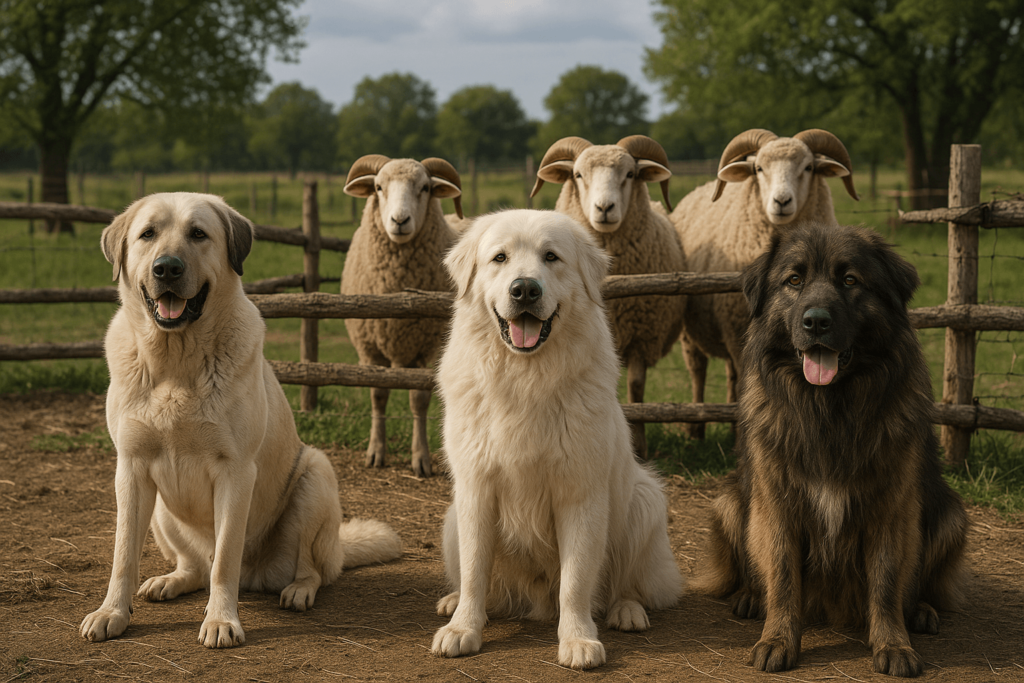
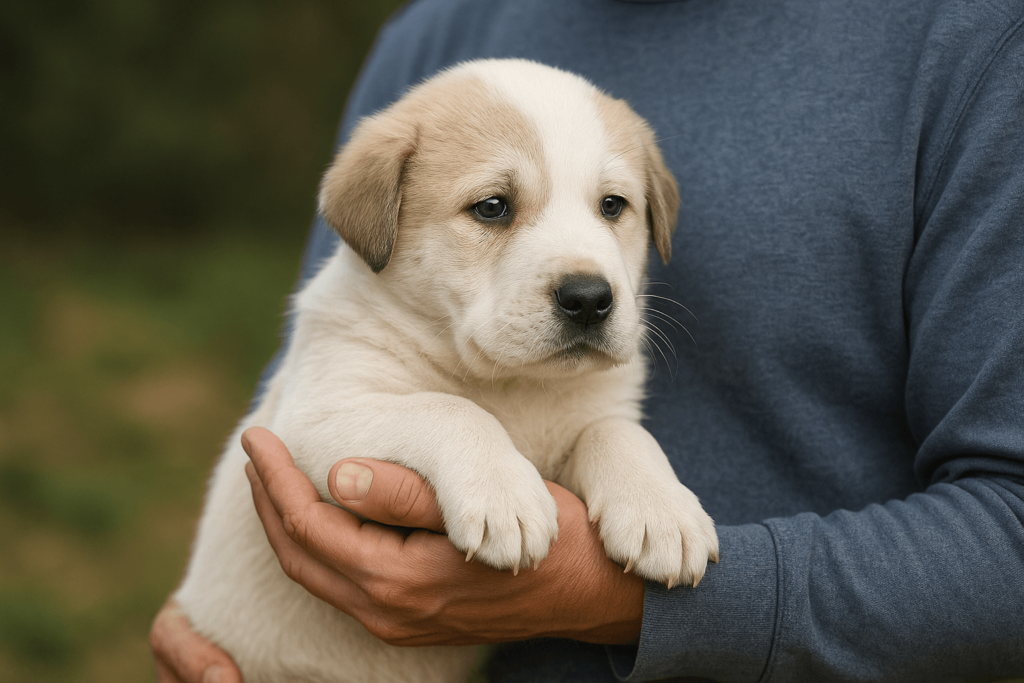
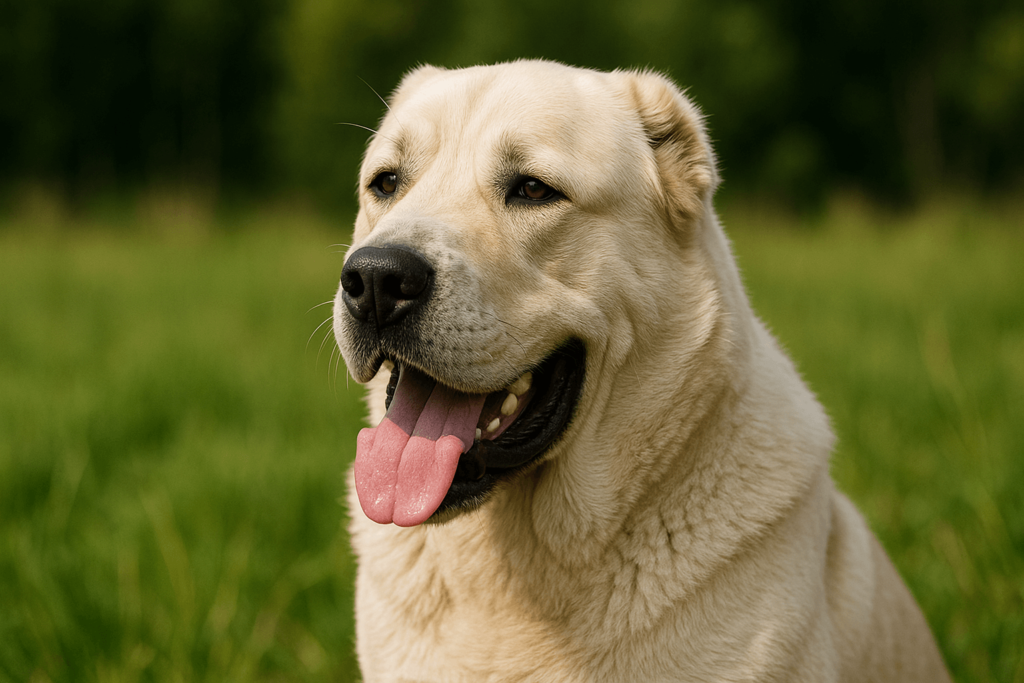

Discover the Majestic Alabai Dog
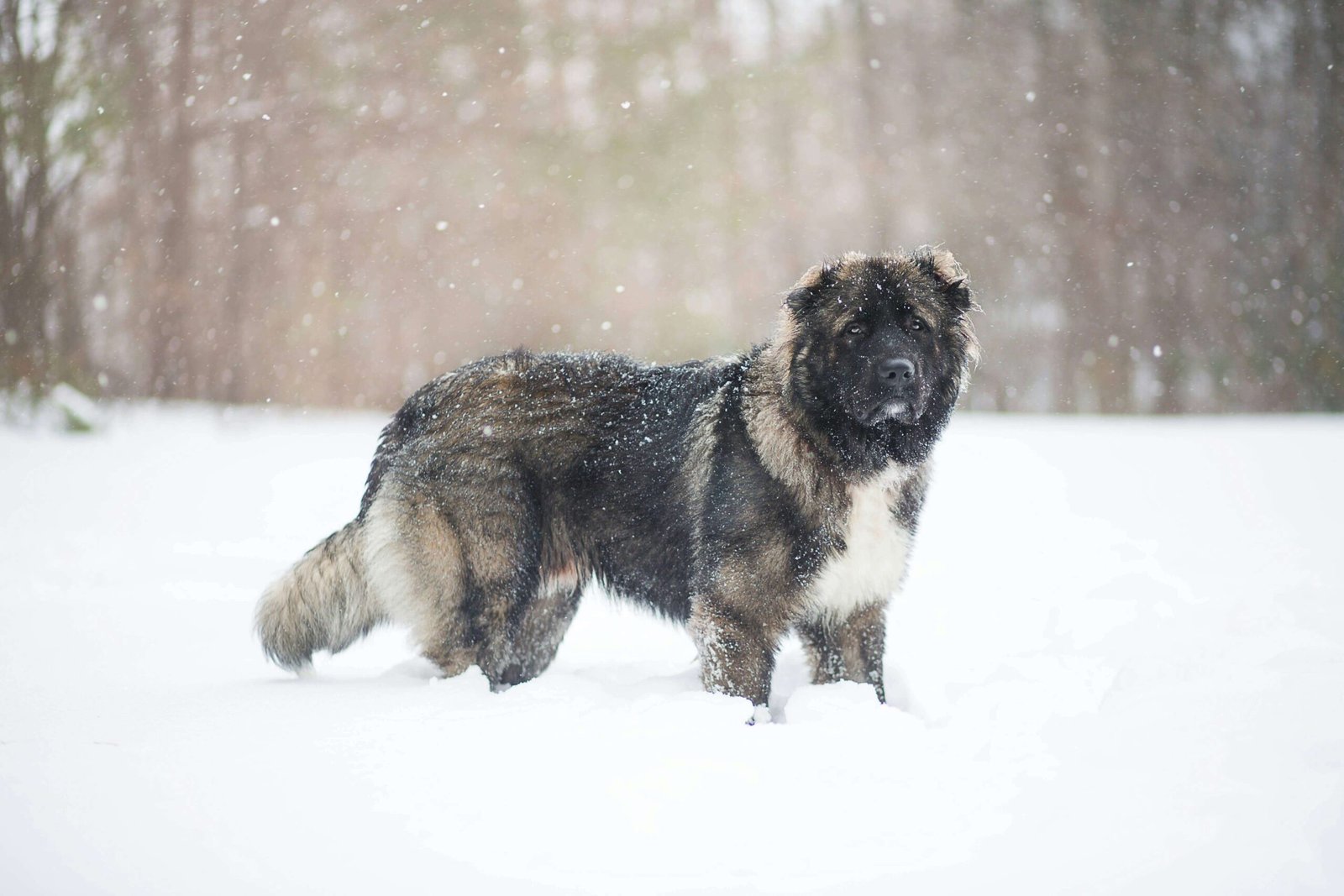
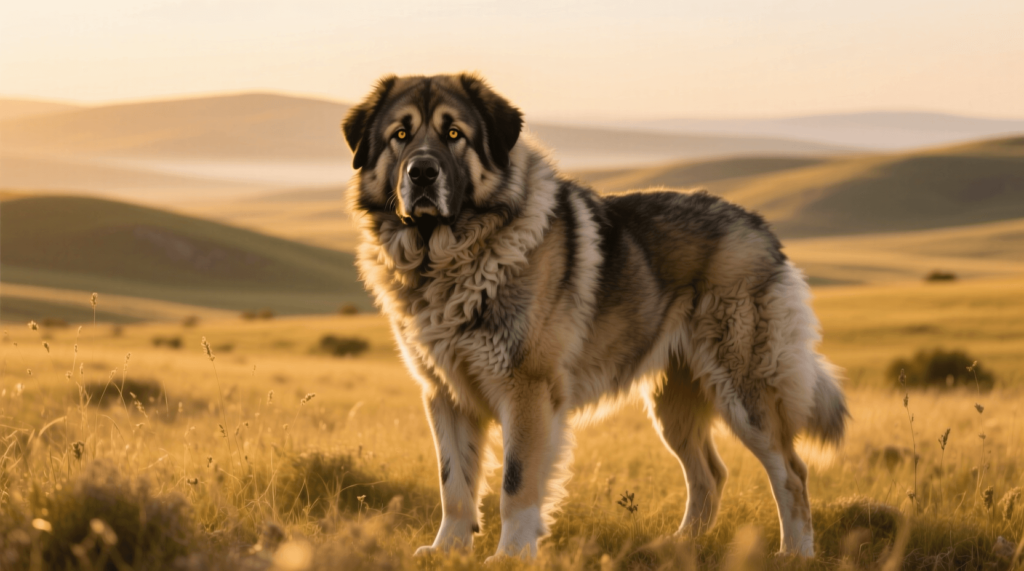
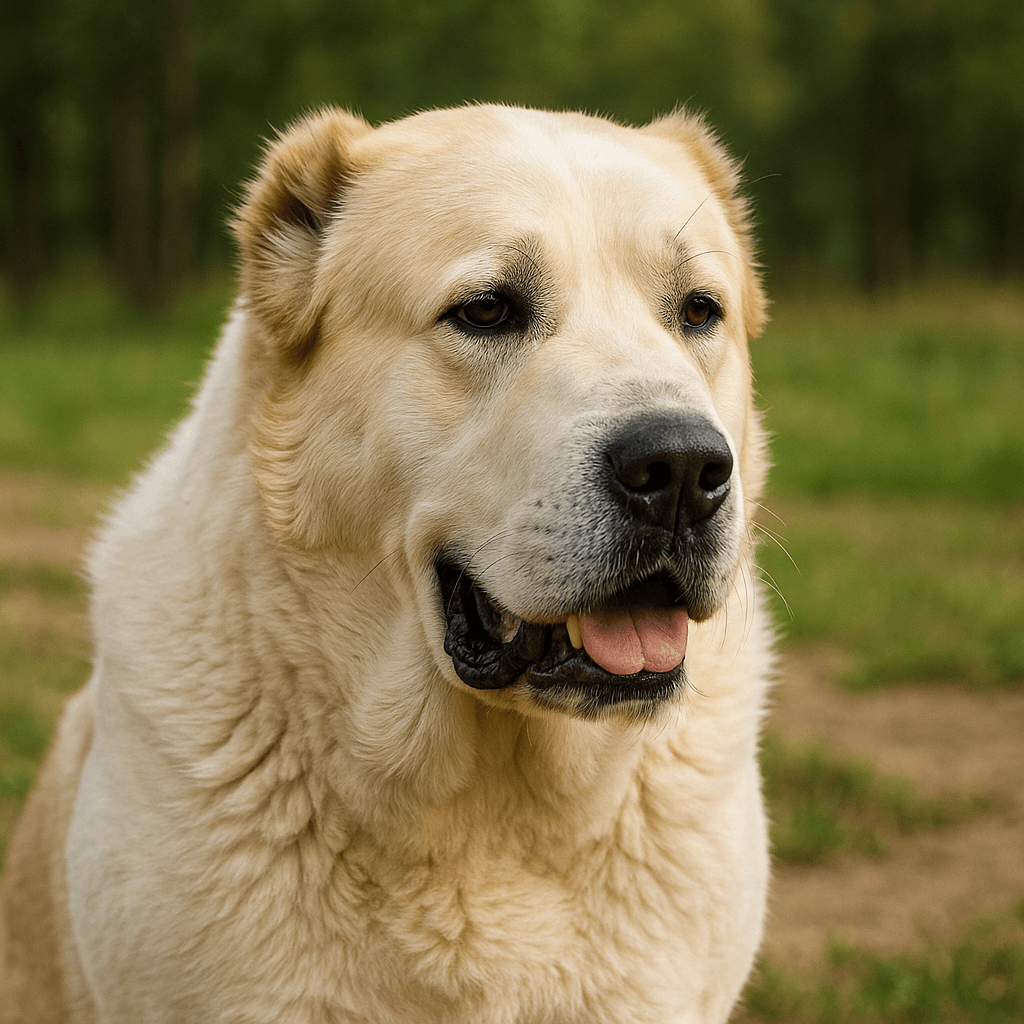
The Alabai dog, also known as the Central Asian Shepherd, is a breed steeped in history and revered for its strength, loyalty, and protective instincts. Originating from the vast steppes of Central Asia, this ancient working dog has been a trusted companion to nomadic tribes and farmers for centuries. Today, the Alabai continues to captivate dog enthusiasts worldwide with its imposing stature, calm demeanor, and unwavering devotion to its family. Whether you’re considering adding an Alabai to your household or simply curious about this remarkable breed, this blog post will explore everything you need to know about the Alabai dog—from its origins to its care requirements.
Key Characteristics of the Alabai Dog
The Alabai is a breed that stands out not only for its impressive size but also for its unique temperament and physical traits. Understanding these characteristics is essential for anyone interested in this majestic canine.
Massive Build and Strength:
The Alabai is a large, muscular dog with a robust frame designed for endurance and power. Males can weigh up to 175 pounds, while females are slightly smaller but equally strong.Thick Double Coat:
Their dense coat provides insulation against harsh climates, making them well-suited for both cold winters and hot summers.Protective Nature:
Bred as livestock guardians, Alabais are naturally territorial and excel at protecting their family and property from potential threats.Independent Thinker:
While loyal, the Alabai is known for its independent streak, often assessing situations before acting—a trait inherited from its herding days.Calm and Composed Demeanor:
Despite their imposing appearance, Alabais are typically calm and gentle with their family, especially when properly socialized.
These traits make the Alabai a versatile and reliable companion, though they require an owner who understands their needs and capabilities.
Training Tips for Raising an Alabai Dog
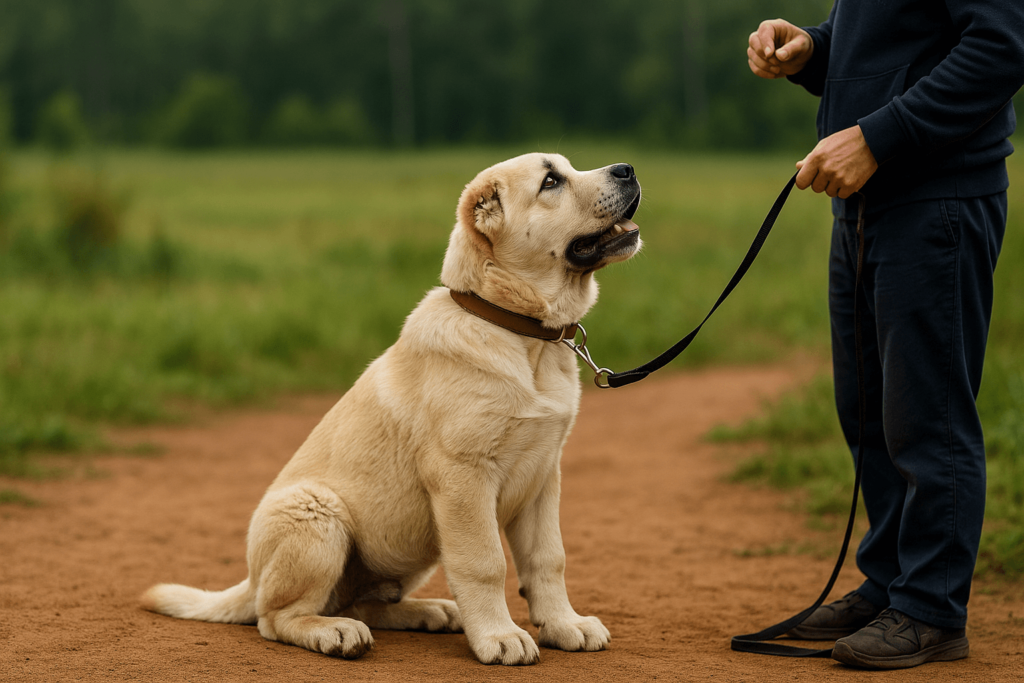
Training an Alabai requires patience, consistency, and respect for their independent nature. With the right approach, you can foster a harmonious relationship with this powerful breed.
Start Early with Socialization:
Expose your Alabai puppy to various people, animals, and environments to build confidence and reduce fear-based aggression later in life.Use Positive Reinforcement:
Reward good behavior with treats, praise, or playtime to encourage cooperation without resorting to harsh discipline.Focus on Obedience Training:
Teach basic commands like “sit,” “stay,” and “come” to establish boundaries and ensure your Alabai responds reliably in different situations.Respect Their Independence:
Avoid overbearing training methods; instead, work with their natural instincts and allow them to think through tasks.Be Patient and Consistent:
Alabais may take longer to learn than other breeds due to their thoughtful nature. Consistency is key to building trust and achieving results.
With dedication and understanding, training an Alabai can lead to a lifetime of mutual respect and companionship.
Check this guide 👉 Central Asian Shepherd Dog Lifespan: Best 7 Expert Tips!
Check this guide 👉What Frequency is a Dog Whistle? Best 7 Tips!
Check this guide 👉 Is the Alabai Dog Dangerous? Best 7 Expert Tips!
Alabai Dog Pros | Alabai Dog Cons |
|---|---|
Loyal and protective family guardian | Requires experienced handling |
Low energy indoors | Not ideal for small living spaces |
Independent thinker | Can be wary of strangers |
Adaptable to various climates | Needs early socialization |
Long lifespan (10-12 years) | High exercise and mental stimulation needs |
Health Considerations for the Alabai Dog
Like all breeds, the Alabai is prone to certain health issues that prospective owners should be aware of. Regular veterinary care and a healthy lifestyle can help minimize risks and ensure a long, happy life for your furry friend.
Hip Dysplasia:
Large breeds like the Alabai are susceptible to hip dysplasia, a condition affecting joint mobility. Proper nutrition and controlled exercise during puppyhood can reduce the risk.Bloat (Gastric Torsion):
This serious condition occurs when the stomach twists, cutting off blood flow. Feeding smaller meals and avoiding vigorous activity after eating can help prevent it.Skin Allergies:
Alabais may develop skin allergies due to environmental factors or food sensitivities. Regular grooming and vet check-ups can address these concerns.Eye Issues:
Conditions such as entropion (inward folding eyelids) can occur in some individuals. Regular eye exams ensure early detection and treatment.Obesity Risk:
Due to their laid-back indoor demeanor, Alabais can gain weight if not given sufficient exercise. A balanced diet and daily walks are crucial.
By staying proactive about their health, you can enjoy many years of companionship with your Alabai dog.
Living with an Alabai Dog: What to Expect
Sharing your home with an Alabai comes with unique joys and responsibilities. Knowing what to expect helps create a harmonious environment for both you and your pet.
Space Requirements:
Alabais thrive in homes with large yards where they can roam and patrol their territory. Apartments or small spaces may not suit their needs.Exercise Needs:
While not overly energetic indoors, Alabais benefit from daily walks and outdoor playtime to maintain physical and mental health.Family Dynamics:
They form strong bonds with their family members, including children, but supervision is recommended around young kids due to their size.Guardian Instincts:
Their protective nature makes them excellent watchdogs, but proper training ensures they don’t become overly aggressive toward guests.Minimal Grooming Needs:
Despite their thick coats, Alabais require only occasional brushing to remove loose fur and keep their coat shiny.
Understanding these aspects prepares you for a rewarding experience with this extraordinary breed.
Famous Roles of Livestock Guardian Dogs
Throughout history, livestock guardian dogs like the Alabai have played vital roles in protecting herds and flocks. Here’s how these dogs contribute to farming communities and beyond.
Sheep Herd Protection:
Alabais excel at guarding sheep from predators like wolves and coyotes, ensuring the safety of valuable livestock.Property Security:
Beyond herding duties, they serve as vigilant sentinels, deterring trespassers and safeguarding rural properties.Companionship for Farmers:
Their presence offers emotional support and companionship to isolated farmers working long hours outdoors.Natural Predator Control:
By intimidating predators, Alabais reduce the need for lethal control measures, promoting ecological balance.Symbol of Heritage:
For many cultures, the Alabai represents tradition and pride, embodying centuries of shared history between humans and dogs.
These roles underscore the enduring value of the Alabai as both a working dog and a cherished companion.
Caring for an Alabai Puppy
Raising an Alabai puppy requires careful planning and attention to detail. Follow these tips to set your pup up for success.
Provide Balanced Nutrition:
Feed high-quality puppy food formulated for large breeds to support healthy growth and development.Monitor Growth Plates:
Limit strenuous activities like jumping or running until the puppy’s bones fully develop to prevent joint problems.Establish Boundaries Early:
Set clear rules and routines to help your Alabai understand expectations from a young age.Encourage Playful Interaction:
Allow supervised playtime with other friendly dogs to teach appropriate social skills.Build Trust Through Bonding:
Spend quality time with your puppy to strengthen your connection and foster lifelong loyalty.
Proper care during puppyhood lays the foundation for a well-adjusted adult Alabai.
Fun Facts About Alabai Dogs
The Alabai is full of surprises, with fascinating traits and stories that highlight its uniqueness. Here are some fun facts to deepen your appreciation for this incredible breed.
Ancient Origins:
The Alabai’s lineage dates back over 5,000 years, making it one of the oldest dog breeds in existence.No Standard Size:
Unlike many breeds, there’s no strict height or weight standard for Alabais, allowing for individual variation within the breed.Strong Prey Drive:
While primarily guardians, Alabais retain a strong prey drive inherited from their hunting ancestors.Rare Outside Central Asia:
Though gaining popularity globally, Alabais remain relatively rare outside their native regions.Devotion to Family:
Once bonded, an Alabai will go to great lengths to protect and care for its human pack.
These intriguing details showcase the rich heritage and captivating personality of the Alabai dog.
Common Questions About Alabais
Are Alabais good with children?
Yes! They are gentle and protective with kids, often acting as a “nanny” dog. Always supervise interactions due to their size.
Do Alabais require a lot of space?
Ideally, they thrive in homes with large yards. However, they can adapt to smaller spaces if exercised adequately.
How much do Alabais shed?
They shed moderately year-round and heavily during seasonal changes. Weekly brushing helps manage loose fur.
Are Alabais aggressive?
Not inherently. Proper socialization ensures they are discerning rather than indiscriminately aggressive.
Can Alabais live in hot climates?
Their thick coats protect them from cold, but they can adapt to warmth with shade, water, and grooming.
Understanding Bone Supplement for Cats: Best 7 Expert Tips! – Safe, vet-approved guidance for strong feline bones & balanced nutrition.
Bone Supplement for Dogs: Best 7 Expert Tips! – Expert guide to calcium, collagen & bone health for every life stage.
Understanding Can Cats Get Sunburn: Best 7 Expert Tips! – Protect your feline from UV damage with vet-backed prevention strategies.
How to Train a Seizure Alert Dog: Best 7 Expert Tips! – Learn expert-backed steps to nurture natural instincts into reliable, life-saving seizure alerts.


