

White Siberian Husky: Best 7 Expert Tips!

White Siberian Husky: Best 7 Expert Tips!

White Siberian Husky: The Majestic Snowflake of the Canine World


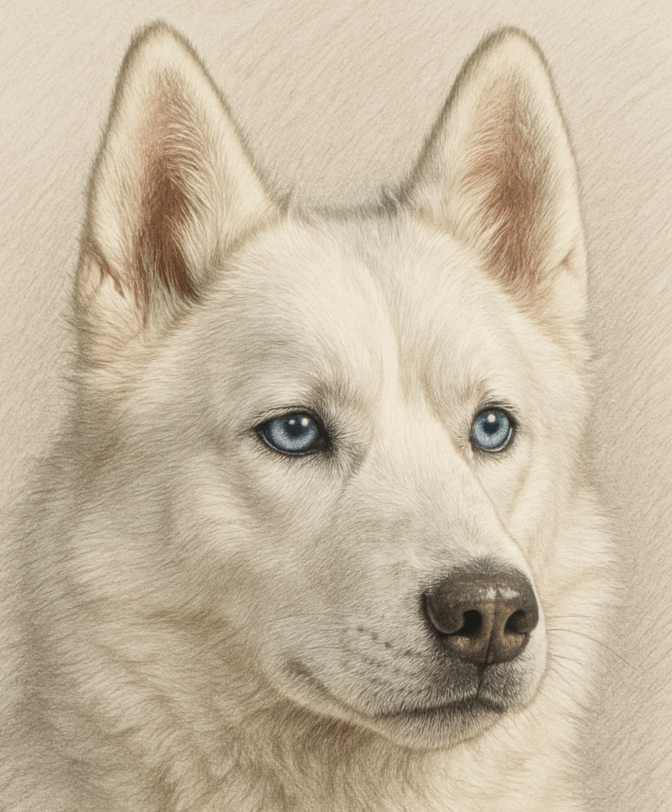
The White Siberian Husky is a breathtaking variation of the classic Siberian Husky breed, known for its striking all-white coat and piercing blue or multicolored eyes. Often mistaken for albino dogs, these stunning canines are not only beautiful but also intelligent, energetic, and full of personality. Their wolf-like appearance and friendly demeanor make them a popular choice for families and individuals alike. However, owning a White Siberian Husky comes with unique challenges and responsibilities.

From their high exercise needs to their independent nature, understanding what makes this breed special is essential for anyone considering bringing one into their home. In this blog post, we’ll explore everything you need to know about the White Siberian Husky, from their origins to tips for raising a happy and healthy pup.

Key Characteristics of the White Siberian Husky


The White Siberian Husky stands out not just for its stunning appearance but also for its unique personality traits. Here’s what makes this breed so special.

 
  • All-White Coat:
    Unlike standard Siberian Huskies, the White Siberian Husky has a pure white coat that gives it an ethereal, snowflake-like appearance.

  • Blue or Bi-Colored Eyes:
    Many White Siberian Huskies have mesmerizing blue eyes, though some may have heterochromia (two different colored eyes) or brown eyes.

  • High Energy Levels:
    These dogs were bred to pull sleds across vast distances, meaning they require plenty of physical activity to stay happy and healthy.

  • Independent Thinkers:
    Known for their intelligence, Huskies often exhibit a stubborn streak, making training both rewarding and challenging.

  • Friendly and Social Nature:
    White Siberian Huskies are typically affectionate and enjoy being around people, making them poor guard dogs but excellent companions.


These characteristics make the White Siberian Husky a unique and captivating breed, but they also demand an owner who can meet their specific needs.


Physical Traits of the White Siberian Husky


The White Siberian Husky is as beautiful as it is functional, with physical features that reflect its working heritage.

 
  • Size and Build:
    Standing between 20-24 inches tall and weighing 35-60 pounds, they have a medium-sized, athletic build perfect for endurance activities.

  • Thick Double Coat:
    Their dense, weather-resistant coat helps them withstand cold temperatures, though it requires regular grooming to manage shedding.

  • Distinctive Facial Markings:
    While their coat is entirely white, their expressive eyes and nose create a striking contrast against their fur.

  • Graceful Movement:
    Huskies are known for their smooth, effortless gait, which reflects their history as sled-pulling dogs.

  • Lifespan Expectancy:
    With proper care, White Siberian Huskies typically live 12-14 years, providing many years of companionship and adventure.


Their elegant appearance and robust physique make the White Siberian Husky a standout breed for those who appreciate beauty and functionality.

White Siberian Husky: Best 7 Expert Tips!
Pros of Owning a White Siberian Husky
Cons of Owning a White Siberian Husky
Striking all-white coat
High grooming needs due to heavy shedding
Friendly and social temperament
Prone to escaping or wandering off
Intelligent and trainable
Requires extensive daily exercise
Great with children and other pets
Can be stubborn during training
Long lifespan with proper care
Not suited for warm climates

Training Tips for Your White Siberian Husky


Training a White Siberian Husky requires patience, consistency, and creativity due to their independent nature and high energy levels.

 
  • Start Early:
    Begin obedience training and socialization as a puppy to establish good habits and prevent behavioral issues later.

  • Use Positive Reinforcement:
    Reward-based methods, such as treats, praise, and playtime, work best to motivate this intelligent breed.

  • Keep Sessions Short and Fun:
    Huskies have short attention spans, so aim for brief, engaging training sessions to hold their interest.

  • Focus on Recall Training:
    Given their tendency to wander, teaching a reliable recall command is crucial for their safety.

  • Be Patient with Stubbornness:
    Huskies are known for testing boundaries; remain calm and consistent to earn their respect without resorting to harsh methods.


With dedication and positivity, training becomes a bonding experience that brings out the best in your White Siberian Husky.

Exercise Needs of the White Siberian Husky


As a high-energy breed, the White Siberian Husky thrives on physical activity and mental stimulation. Neglecting their exercise needs can lead to destructive behaviors or anxiety.

 
  • Daily Walks and Runs:
    Aim for at least 1-2 hours of vigorous exercise daily, including brisk walks, runs, or hikes.

  • Interactive Playtime:
    Games like fetch, tug-of-war, and frisbee provide both physical exertion and bonding opportunities.

  • Mental Challenges:
    Incorporate puzzle toys, scent games, and advanced commands to keep their sharp minds engaged and prevent boredom.

  • Supervision During Outdoor Time:
    Avoid leaving them unsupervised in open spaces, as their prey drive may lead them to chase after small animals or wander off.

  • Consider Dog Sports:
    Activities like agility, sledding, or obedience competitions are excellent outlets for their energy and intelligence.


Meeting their exercise requirements ensures a calm, content, and well-adjusted companion at home.


Common Misconceptions About the White Siberian Husky


Despite their popularity, several misconceptions surround this stunning breed. Clarifying these myths helps set realistic expectations for potential owners.

 
  • They Are Aggressive by Nature:
    On the contrary, Huskies are friendly and rarely show aggression unless poorly socialized or mistreated.

  • They Don’t Need Much Grooming:
    Their thick double coat sheds heavily and requires regular brushing to prevent matting and excessive hair around the house.

  • All Huskies Have Blue Eyes:
    While many do, some have brown eyes or heterochromia (two different colored eyes).

  • They’re Easy to Train:
    Though intelligent, their independent streak means training requires patience, consistency, and creativity.

  • They Make Good Guard Dogs:
    Huskies are too friendly and trusting to deter intruders effectively.


Dispelling these myths ensures a deeper understanding of this incredible breed.

Health Considerations for the White Siberian Husky


Like all breeds, the White Siberian Husky is prone to certain health issues. Being aware of these risks allows you to take preventive measures.

 
  • Hip Dysplasia:
    A common condition in active breeds; maintaining a healthy weight and avoiding strenuous exercise as a puppy reduces risk.

  • Eye Conditions:
    Problems like cataracts, progressive retinal atrophy (PRA), and corneal dystrophy are prevalent; annual eye exams are recommended.

  • Bloat (Gastric Torsion):
    Rapid eating and stress increase the likelihood of bloat; feeding smaller meals and using slow-feed bowls helps mitigate this.

  • Skin Allergies:
    Some Huskies may develop sensitivities; hypoallergenic diets and regular grooming can alleviate symptoms.

  • Heat Intolerance:
    Their thick coats make them susceptible to overheating; ensure access to shade and water during warm weather.


Proactive healthcare ensures a longer, healthier life for your beloved pet.

Fun Activities to Enjoy with Your White Siberian Husky


Living with this energetic breed means embracing an active lifestyle. These fun activities will strengthen your bond while keeping them physically and mentally stimulated.

 
  • Hiking Adventures:
    Explore trails together, allowing them to sniff, run, and burn off excess energy in a natural setting.

  • Sledding or Cart Pulling:
    For a true taste of their heritage, teach them to pull a sled or cart during winter months.

  • Swimming Sessions:
    Many Huskies enjoy water; swimming provides excellent low-impact exercise.

  • Obedience Challenges:
    Create mini obstacle courses at home or practice advanced tricks to sharpen their focus and discipline.

  • Interactive Toys:
    Puzzle feeders, treat-dispensing balls, and chew toys keep them entertained when you’re busy.


Engaging in these activities ensures a fulfilling life for your adventurous companion.

Frequently Asked Questions About the White Siberian Husky

 
Are they good apartment dogs?

While possible, they are better suited for homes with yards due to their high energy levels and need for space.

Yes, their friendly nature makes them great companions for children when properly trained and supervised.

They shed heavily twice a year during “blowout” seasons and moderately throughout the rest of the year.

Their thick coats make them better suited for cooler environments; extra care is needed in hot weather.

Potential concerns include hip dysplasia, eye conditions, and bloat; regular vet check-ups are essential.

Embracing Life with a White Siberian Husky


The White Siberian Husky is more than just a pretty face—they’re intelligent, energetic, and loyal companions who thrive on love, attention, and adventure. While their striking appearance may draw you in, their unique personality and needs will keep you engaged and inspired. By understanding their traits, meeting their exercise and grooming requirements, and committing to consistent training, you’ll unlock the full potential of this remarkable breed. If you’re ready for the challenge, the White Siberian Husky will reward you with years of joy, loyalty, and unforgettable memories.

Spleen Cancer in Cats: Best 7 Expert Tips!

Spleen Cancer in Cats: Best 7 Expert Tips! – Expert insights on symptoms, care, treatment & quality of life for feline spleen cancer.

Dog Mastitis Treatment: Best 7 Expert Tips!

Dog Mastitis Treatment: Best 7 Expert Tips! – Safe, vet-approved care for nursing moms & prevention strategies.

The Shikoku Ken Dog: Best 7 Expert Tips!

The Shikoku Ken Dog: Best 7 Expert Tips! – Discover expert care, training & health advice for this rare, loyal Japanese mountain breed.

The Cairn Terrier Dog Breed: Best 7 Expert Tips!

The Cairn Terrier Dog Breed: Best 7 Expert Tips! – Discover care, training & health advice for this spirited, loyal Scottish terrier.

Leave a Reply

Your email address will not be published. Required fields are marked *

Recent Post

Post Category


