
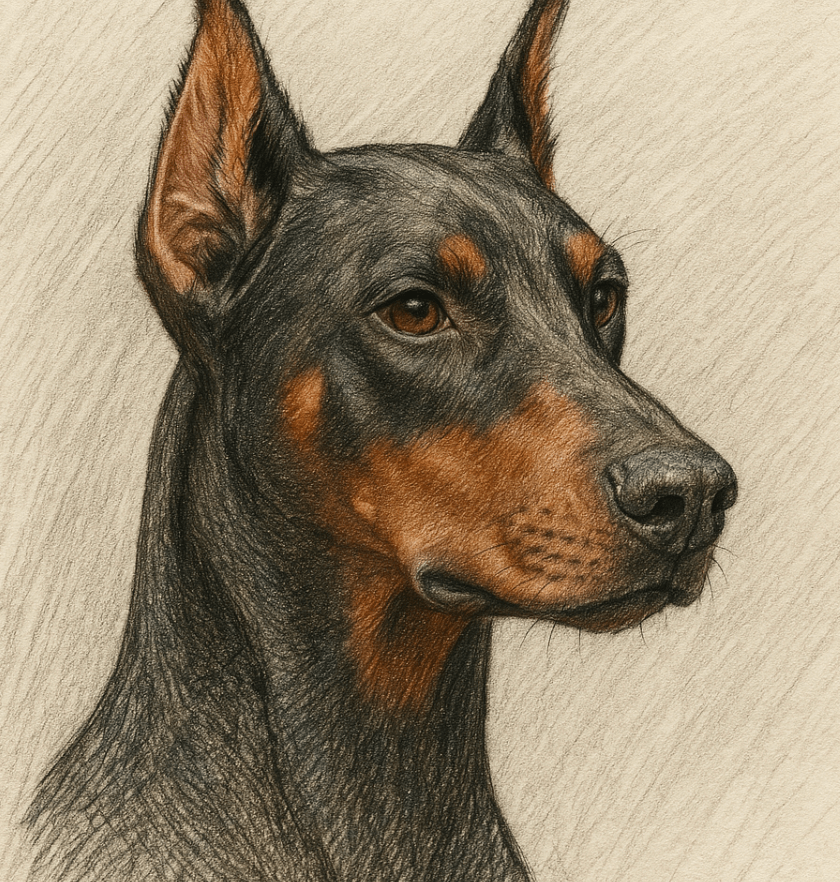

Why Do They Cut Doberman Tails? Best 7 Expert Tips!

Why Do They Cut Doberman Tails? Best 7 Expert Tips!

Why Do They Cut Doberman Tails? Understanding the Controversy


The practice of cutting Doberman tails, also known as tail docking, has been a topic of debate among dog owners, breeders, and animal welfare advocates for decades. While some argue that it’s a necessary tradition rooted in the breed’s history, others believe it’s an outdated and unnecessary procedure. Originally performed for practical reasons, tail docking is now scrutinized for its ethical implications and impact on a dog’s well-being. In this blog post, we’ll explore the origins of tail docking, its purpose, and the controversies surrounding it. By understanding the facts, you can make informed decisions about whether this practice aligns with your values and your dog’s needs.

Historical Reasons Behind Tail Docking in Dobermans


Tail docking in Dobermans dates back to their origins as working dogs, where the procedure was believed to serve practical purposes. Here are some historical justifications for tail docking in this breed.

 
  • Preventing Injuries in Working Roles:
    Dobermans were originally bred for guarding, protection, and military work. Docking was thought to reduce the risk of tail injuries during combat or intense physical activities.

  • Hygiene and Maintenance:
    A shorter tail was considered easier to clean, particularly for Dobermans working in environments where dirt and debris could accumulate.

  • Breed Standard Compliance:
    Many kennel clubs historically required docked tails for Dobermans to meet breed standards, reinforcing the practice as a norm.

  • Aesthetic Preferences:
    Over time, the sleek, streamlined appearance of a docked tail became associated with the breed’s iconic look, influencing breeder and owner preferences.

  • Traditional Practices:
    Tail docking became a deeply ingrained tradition, passed down through generations without much questioning of its necessity.


While these reasons may have justified the practice in the past, modern perspectives challenge whether they remain relevant today.

Controversies Surrounding Tail Docking in Dobermans


As societal attitudes toward animal welfare evolve, tail docking has come under scrutiny for ethical, medical, and legal reasons. These controversies highlight the need for careful consideration of the practice.

 
  • Pain and Stress for Puppies:
    Tail docking is typically performed on young puppies without anesthesia, raising concerns about the pain and stress it causes.

  • Lack of Medical Necessity:
    Many veterinarians argue that tail injuries are rare in modern domestic settings, making docking unnecessary for most Dobermans.

  • Legal Restrictions:
    Several countries and regions have banned cosmetic tail docking, deeming it unethical unless medically required.

  • Impact on Communication:
    A dog’s tail plays a crucial role in expressing emotions and communicating with humans and other animals, which docking can impair.

  • Shifting Public Opinion:
    Increasing awareness of animal rights has led many to view tail docking as an outdated and cruel practice.


These controversies underscore the importance of reevaluating the necessity and ethics of tail docking in Dobermans.

Why Do They Cut Doberman Tails? Best 7 Expert Tips!
Arguments For Tail Docking
Arguments Against Tail Docking
Prevents tail injuries in working roles
Causes unnecessary pain to puppies
Maintains traditional breed appearance
Rarely provides medical benefits
May improve hygiene in specific cases
Impairs communication and expression
Aligns with historical breed standards
Banned or restricted in many countries
Preferred by some breed enthusiasts
Viewed as unethical and outdated

Alternatives to Tail Docking for Doberman Owners


For those who wish to avoid tail docking, there are several alternatives that prioritize the health and well-being of Dobermans while addressing potential concerns.

 
  • Focus on Injury Prevention:
    Provide safe environments and proper training to minimize the risk of tail injuries, eliminating the perceived need for docking.

  • Regular Grooming and Hygiene:
    Maintain cleanliness through regular grooming, ensuring the tail area remains free of dirt and debris.

  • Embrace Natural Appearance:
    Celebrate the natural beauty of a Doberman’s full tail, challenging outdated aesthetic preferences.

  • Advocate for Ethical Standards:
    Support breed clubs and organizations that promote humane practices and discourage unnecessary procedures.

  • Educate Yourself and Others:
    Learn about the impacts of tail docking and share knowledge to encourage more compassionate choices within the dog community.


These alternatives allow Doberman owners to care for their pets responsibly without resorting to invasive procedures.


How to Care for a Doberman with an Undocked Tail


If you choose to keep your Doberman’s tail natural, proper care ensures their comfort and well-being. Here are some tips for maintaining a healthy and happy dog.

 
  • Regular Cleaning:
    Use a damp cloth to gently clean the tail area, especially after outdoor activities, to prevent dirt buildup.

  • Inspect for Injuries:
    Routinely check the tail for signs of injury, such as swelling, cuts, or limping, and seek veterinary care if needed.

  • Trim Excess Fur:
    If your Doberman has longer fur around the tail, trim it carefully to maintain hygiene and prevent matting.

  • Monitor Behavior:
    Watch for changes in tail movement or posture, which could indicate discomfort or underlying health issues.

  • Socialize Your Dog:
    Ensure your Doberman interacts with other dogs and people to build confidence and effective communication skills using their full tail.


With proper care, a Doberman with an undocked tail can thrive and lead a fulfilling life.

Common Misconceptions About Tail Docking in Dobermans


Several myths surround the practice of tail docking, often leading to misunderstandings about its purpose and necessity. Here are some common misconceptions debunked.

 
  • Docking Is Painless for Puppies:
    Contrary to popular belief, puppies feel pain during docking, even if they’re too young to vocalize it fully.

  • Docking Prevents All Tail Injuries:
    While it may reduce certain risks, it doesn’t eliminate all potential tail injuries, especially in non-working dogs.

  • Undocked Tails Are Harder to Maintain:
    With regular grooming, an undocked tail is just as easy to care for as a docked one.

  • Docking Is Required for Show Dogs:
    Many kennel clubs now accept undocked tails, reflecting changing attitudes toward the practice.

  • All Doberman Owners Prefer Docking:
    Opinions vary widely, with many modern owners embracing the natural look of their dogs.


Dispelling these myths fosters a better understanding of the realities behind tail docking.

The Role of Breed Standards in Tail Docking


Breed standards have historically played a significant role in perpetuating tail docking, but their influence is evolving. Here’s how they’ve shaped the practice over time.

 
  • Historical Requirements:
    Many kennel clubs once mandated docked tails for Dobermans to conform to breed ideals.

  • Changing Perspectives:
    Organizations like the American Kennel Club (AKC) now recognize both docked and undocked tails, reflecting shifting priorities.

  • Global Variations:
    International breed standards differ, with some countries outright banning cosmetic docking in competitions.

  • Pressure on Breeders:
    Breeders often face pressure to dock tails to meet show standards, despite growing opposition to the practice.

  • Influence on Public Perception:
    Breed standards have historically shaped public expectations, though education is helping to change this narrative.


Understanding these dynamics highlights the complex relationship between breed standards and tail docking.

Promoting Ethical Practices in Dog Breeding


As awareness of animal welfare grows, promoting ethical practices in dog breeding becomes increasingly important. Here are steps breeders and owners can take to advocate for humane treatment.

 
  • Avoid Cosmetic Procedures:
    Refrain from performing unnecessary surgeries like tail docking or ear cropping unless medically required.

  • Educate Potential Owners:
    Inform prospective owners about the benefits of keeping dogs’ natural features intact.

  • Support Humane Legislation:
    Advocate for laws that protect dogs from unethical practices and promote their well-being.

  • Collaborate with Veterinarians:
    Work closely with vets to ensure all breeding and care practices prioritize health and safety.

  • Celebrate Natural Beauty:
    Encourage appreciation for dogs’ natural appearances, fostering a culture of acceptance and kindness.


By adopting these practices, we can create a brighter future for all dogs, including beloved Dobermans.

Frequently Asked Questions About Tail Docking in Dobermans

 
Is tail docking painful for Dobermans?

Yes, tail docking can cause significant pain and distress, especially when performed without anesthesia.

Some breeders adhere to tradition or aim to meet breed standards, though this practice is declining in popularity.

While it doesn’t directly alter behavior, it may limit a dog’s ability to communicate effectively through tail movements.

No, many countries and regions have banned cosmetic tail docking, allowing it only for medical reasons.

Focus on providing love, care, and attention to ensure their overall well-being, regardless of their tail length.

Making Compassionate Choices for Your Doberman


The decision to dock a Doberman’s tail is deeply personal and influenced by tradition, ethics, and practical considerations. However, as our understanding of animal welfare grows, so does the responsibility to prioritize the health and happiness of our canine companions. Whether you choose to embrace a natural tail or navigate the complexities of tail docking, the most important thing is to act with compassion and respect for your dog’s needs. By staying informed and advocating for humane practices, you can contribute to a future where all dogs, including Dobermans, live free from unnecessary pain and suffering.

Is Rawhide Bad for Cats? Best 7 Expert Tips!

Is Rawhide Bad for Cats? Best 7 Expert Tips! – Discover the risks, safe alternatives, and expert advice to keep your feline friend healthy and happy.

Is Rawhide Bad for Dogs? Best 7 Expert Tips!

Is Rawhide Bad for Dogs? Best 7 Expert Tips! – Discover the risks, benefits, and safer alternatives to rawhides for your dog’s chewing needs.

Understanding Anorexia in Cats: Best 7 Expert Tips!

Understanding Anorexia in Cats: Best 7 Expert Tips! – Learn why cats stop eating, spot warning signs, and discover how to help your feline regain appetite safely.

Understanding Anorexia in Dogs: Best 7 Expert Tips!

Understanding Anorexia in Dogs: Best 7 Expert Tips! – Learn causes, symptoms, and solutions to help your dog regain appetite and stay healthy.

Leave a Reply

Your email address will not be published. Required fields are marked *