
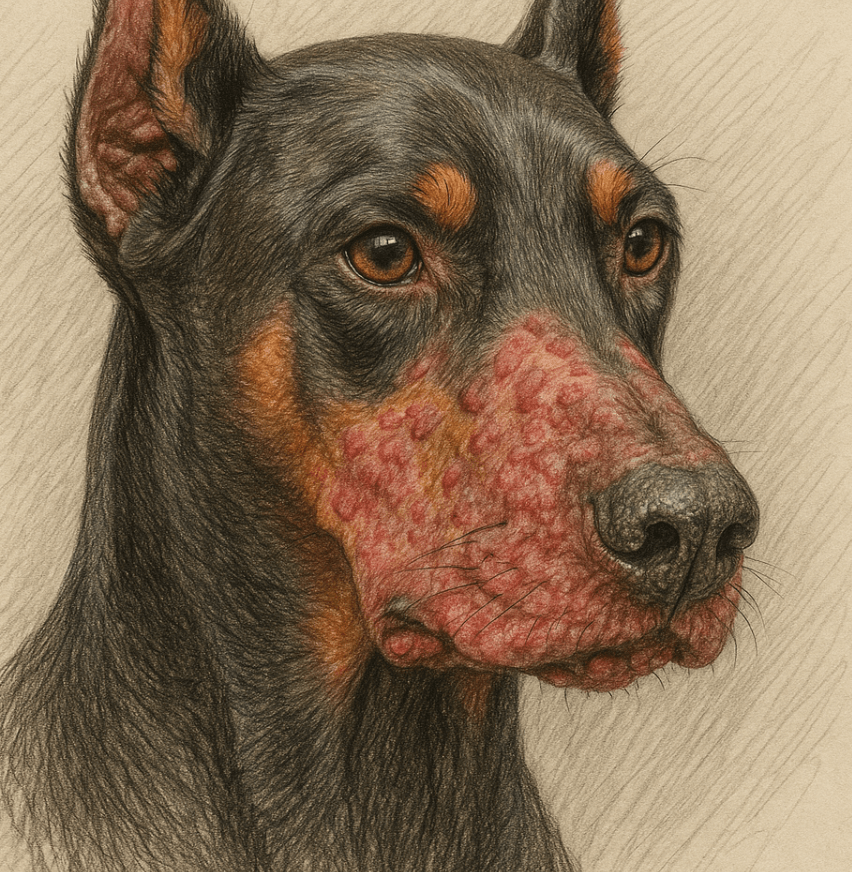

Doberman Allergies: Best 7 Expert Tips!

Doberman Allergies: Best 7 Expert Tips!

Doberman Allergies: What You Need to Know


Dobermans are known for their loyalty, intelligence, and sleek appearance, but like many dog breeds, they can suffer from allergies. While allergies may not be life-threatening, they can significantly impact your Doberman’s quality of life if left untreated. From itchy skin to gastrointestinal issues, allergies in Dobermans can manifest in various ways, making early detection and management crucial. In this blog post, we’ll explore the causes, symptoms, and treatment options for Doberman allergies, as well as tips for keeping your furry friend comfortable and healthy. Whether you’re a seasoned Doberman owner or considering adopting one, understanding how to handle allergies is an important part of responsible pet care.

Common Types of Allergies in Dobermans


Dobermans can develop allergies to a variety of environmental, dietary, and parasitic triggers. Identifying the type of allergy is the first step toward effective management.

 
  • Food Allergies:
    Certain ingredients like beef, chicken, dairy, or grains can trigger allergic reactions in sensitive Dobermans.

  • Environmental Allergies:
    Pollen, dust mites, mold spores, and grass are common culprits that cause seasonal or year-round discomfort.

  • Flea Allergy Dermatitis (FAD):
    A single flea bite can lead to intense itching and skin irritation in Dobermans with flea allergies.

  • Contact Allergies:
    Direct exposure to chemicals, fabrics, or cleaning products can irritate your Doberman’s skin.

  • Atopic Dermatitis:
    This chronic condition often stems from environmental allergens and results in persistent scratching and skin infections.


Understanding these allergy types helps you pinpoint the source of your Doberman’s discomfort and take appropriate action.

Symptoms of Allergies in Dobermans


Recognizing the signs of allergies is essential for timely intervention. Here are some common symptoms to watch for in your Doberman.

 
  • Excessive Scratching or Licking:
    Persistent scratching, especially around the ears, paws, and belly, is a hallmark sign of allergies.

  • Red or Inflamed Skin:
    Allergic reactions often cause irritated, red patches on the skin that may become raw or infected.

  • Hair Loss:
    Constant licking and scratching can lead to bald spots or thinning fur in affected areas.

  • Ear Infections:
    Dobermans with allergies frequently suffer from recurring ear infections, characterized by odor, discharge, or head shaking.

  • Gastrointestinal Issues:
    Food allergies may cause vomiting, diarrhea, or excessive gas in addition to skin-related symptoms.


If you notice any of these symptoms, consult your veterinarian to determine the underlying cause and begin treatment promptly.

Doberman Allergies: Best 7 Expert Tips!
Common Allergy Triggers
Symptoms to Watch For
Beef, chicken, dairy, grains
Vomiting, diarrhea, gas
Pollen, dust mites, mold
Itching, sneezing, watery eyes
Fleas and flea saliva
Intense scratching, hair loss
Cleaning products, fabrics
Redness, swelling, rashes
Grass, weeds, tree pollen
Seasonal itching, inflamed skin

Managing Doberman Allergies Effectively


Once you’ve identified the cause of your Doberman’s allergies, implementing a management plan is key to improving their comfort and well-being.

 
  • Switch to Hypoallergenic Diets:
    If food allergies are suspected, try feeding your Doberman a limited-ingredient or hypoallergenic diet to identify trigger ingredients.

  • Use Flea Prevention Products:
    Regular flea control treatments help prevent flea bites and reduce the risk of flea allergy dermatitis.

  • Bathe Regularly with Gentle Shampoos:
    Medicated or oatmeal-based shampoos soothe irritated skin and remove allergens from your Doberman’s coat.

  • Minimize Environmental Exposure:
    Keep your home clean by vacuuming frequently, washing bedding, and using air purifiers to reduce allergens.

  • Consult Your Veterinarian:
    For severe cases, your vet may prescribe antihistamines, corticosteroids, or other medications to alleviate symptoms.


With consistent care, you can minimize the impact of allergies on your Doberman’s daily life.

Preventing Allergies in Dobermans


While not all allergies can be prevented, there are steps you can take to reduce your Doberman’s risk of developing them.

 
  • Introduce New Foods Gradually:
    Slowly introduce new foods to monitor for adverse reactions and avoid sudden dietary changes.

  • Maintain a Clean Environment:
    Regularly clean your home to minimize dust, mold, and other potential allergens.

  • Invest in Quality Bedding:
    Choose hypoallergenic bedding materials to reduce the risk of contact allergies.

  • Schedule Routine Vet Check-Ups:
    Early detection of allergies through regular vet visits allows for proactive management before symptoms worsen.

  • Limit Outdoor Exposure During Peak Seasons:
    Keep your Doberman indoors during high pollen counts or after mowing the lawn to avoid exposure to allergens.


By taking preventive measures, you can help your Doberman stay healthy and allergy-free.


Common Misconceptions About Doberman Allergies


There are several myths surrounding Doberman allergies that can lead to confusion. Clarifying these misconceptions ensures better care for your pet.

 
  • Myth: Allergies Only Affect the Skin:
    While skin issues are common, allergies can also cause digestive problems or respiratory symptoms.

  • Myth: Allergies Are Always Seasonal:
    Some allergies, like food or flea allergies, can occur year-round rather than just during certain seasons.

  • Myth: Bathing Too Often Causes Allergies:
    Frequent bathing with hypoallergenic shampoos actually helps remove allergens and soothe irritated skin.

  • Myth: Allergies Are a Sign of Poor Health:
    Even healthy Dobermans can develop allergies due to genetic predispositions or environmental factors.

  • Myth: Over-the-Counter Treatments Always Work:
    Severe allergies often require prescription medications or specialized diets for effective relief.


Dispelling these myths helps you approach your Doberman’s allergies with accurate information.

Natural Remedies for Managing Doberman Allergies


For those seeking alternative approaches to traditional treatments, natural remedies can complement veterinary care.

 
  • Coconut Oil:
    Applied topically or added to food, coconut oil moisturizes skin and reduces inflammation.

  • Omega-3 Fatty Acids:
    Supplements like fish oil promote skin health and reduce itchiness caused by allergies.

  • Aloe Vera Gel:
    Natural aloe vera soothes irritated skin and promotes healing when applied carefully.

  • Probiotics:
    Adding probiotics to your Doberman’s diet supports gut health and strengthens the immune system.

  • Herbal Teas for Soothing Baths:
    Chamomile or calendula tea rinses can calm inflamed skin without harsh chemicals.


These natural solutions offer gentle ways to support your Doberman’s allergy management plan.

When to Seek Veterinary Help for Doberman Allergies


Knowing when to consult your veterinarian is critical for addressing severe or persistent allergy symptoms.

 
  • Persistent Scratching or Hair Loss:
    If your Doberman continues to scratch excessively despite treatment, it’s time to revisit your vet.

  • Recurring Ear Infections:
    Chronic ear issues may indicate underlying allergies requiring further investigation.

  • Severe Skin Lesions or Infections:
    Open wounds or pus-filled sores need professional attention to prevent complications.

  • Sudden Onset of Symptoms:
    Rapid development of symptoms like swelling or difficulty breathing requires immediate veterinary care.

  • Lack of Improvement with Home Care:
    If home remedies and over-the-counter treatments fail, your vet can provide stronger interventions.


Seeking timely veterinary help ensures your Doberman receives the care they need to overcome allergies effectively.

Frequently Asked Questions About Doberman Allergies

 
Are Dobermans more prone to allergies than other breeds?

Yes, Dobermans are considered a breed with a higher predisposition to allergies due to their genetic makeup.

While allergies cannot be cured, they can be managed effectively with proper care and treatment.

Limited-ingredient diets or hypoallergenic formulas tailored to your dog’s needs are ideal.

Look for intense scratching, hair loss, and scabs, even after a single flea bite.

Yes, pollen and other seasonal allergens can cause itching, sneezing, and skin irritation in Dobermans.

Helping Your Doberman Thrive Despite Allergies


Allergies can be a frustrating challenge for both Dobermans and their owners, but with patience and proper care, they don’t have to diminish your dog’s quality of life. By identifying triggers, managing symptoms, and taking preventive measures, you can ensure your Doberman remains happy, healthy, and comfortable. Remember, your veterinarian is your best ally in navigating the complexities of allergies. With love, attention, and a well-thought-out plan, you can help your loyal companion enjoy life to the fullest, free from the discomfort of unmanaged allergies.

Is Rawhide Bad for Cats? Best 7 Expert Tips!

Is Rawhide Bad for Cats? Best 7 Expert Tips! – Discover the risks, safe alternatives, and expert advice to keep your feline friend healthy and happy.

Is Rawhide Bad for Dogs? Best 7 Expert Tips!

Is Rawhide Bad for Dogs? Best 7 Expert Tips! – Discover the risks, benefits, and safer alternatives to rawhides for your dog’s chewing needs.

Understanding Anorexia in Cats: Best 7 Expert Tips!

Understanding Anorexia in Cats: Best 7 Expert Tips! – Learn why cats stop eating, spot warning signs, and discover how to help your feline regain appetite safely.

Understanding Anorexia in Dogs: Best 7 Expert Tips!

Understanding Anorexia in Dogs: Best 7 Expert Tips! – Learn causes, symptoms, and solutions to help your dog regain appetite and stay healthy.

Leave a Reply

Your email address will not be published. Required fields are marked *