
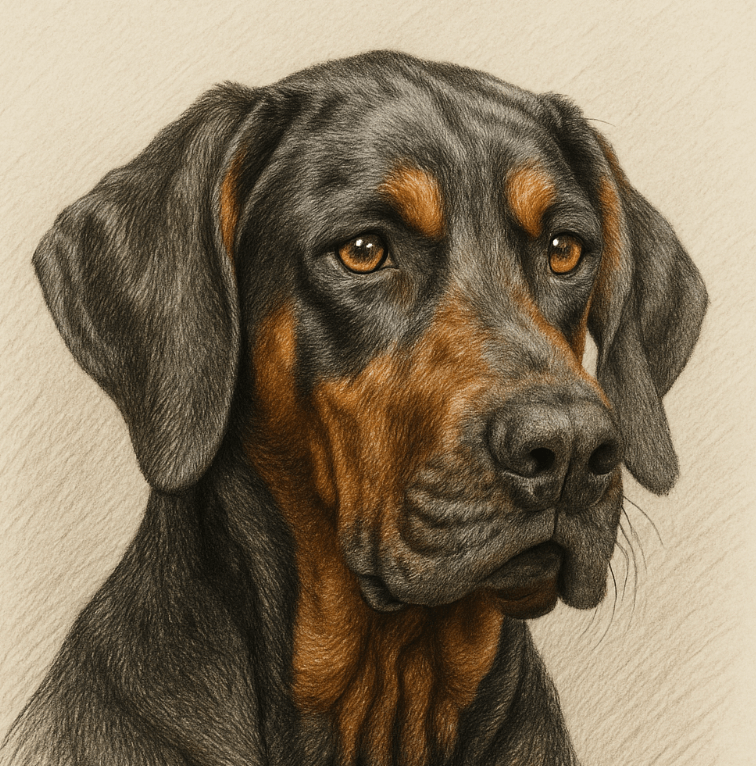

Doberman Bloodhound Mix: A Unique Blend of Strength and Scent
The Doberman Bloodhound mix is a fascinating hybrid that combines the intelligence, loyalty, and athleticism of the Doberman Pinscher with the incredible scent-tracking abilities and gentle nature of the Bloodhound. This crossbreed, often referred to as a “designer dog,” offers a unique combination of traits that make it an excellent companion for active families or individuals seeking a versatile and devoted pet. Whether you’re considering adopting one or simply curious about this remarkable mix, understanding their temperament, physical characteristics, and care requirements is essential. In this blog post, we’ll explore everything you need to know about the Doberman Bloodhound mix, from their origins to tips for raising a happy and healthy pup.
Key Traits of the Doberman Bloodhound Mix
This hybrid breed inherits a blend of qualities from both parent breeds, making them a standout choice for those who appreciate versatility and loyalty. Here’s what you can expect in terms of temperament and behavior.
Intelligent and Trainable:
Thanks to the Doberman’s sharp mind, this mix excels in obedience training and problem-solving tasks. Consistency and positive reinforcement are key.Strong Scenting Ability:
The Bloodhound’s legendary nose gives this mix an incredible talent for tracking scents, making them ideal for search-and-rescue work or outdoor adventures.Loyal and Protective:
Like the Doberman, this mix tends to form strong bonds with their family and acts as a vigilant guardian when needed.Gentle and Affectionate:
The Bloodhound’s calm and friendly nature balances the Doberman’s intensity, creating a loving and patient companion.High Energy Levels:
Both parent breeds are active, so expect a dog that requires plenty of exercise and mental stimulation daily.
These traits make the Doberman Bloodhound mix a well-rounded and adaptable companion, but they also demand commitment and dedication from their owners.
Physical Characteristics of the Doberman Bloodhound Mix
The Doberman Bloodhound mix boasts a striking appearance that reflects the best of both parent breeds. Their physical attributes are a testament to their strength, agility, and endurance.
Size and Build:
Typically medium to large-sized, these dogs have a muscular frame, weighing between 60-110 pounds depending on genetics.Coat Color Variations:
Common colors include black, tan, brown, and brindle, often with distinctive markings like the Doberman’s rust accents or the Bloodhound’s darker shading.Elegant Ears:
Their ears may be floppy like the Bloodhound’s or semi-erect like the Doberman’s, adding to their unique look.Height Range:
Standing between 22-27 inches at the shoulder, they have a commanding presence that suits their protective instincts.Lifespan Expectancy:
With proper care, this mix can live 10-12 years, providing many years of companionship and devotion.
Their strong, athletic physique and expressive features make the Doberman Bloodhound mix a standout breed for those who appreciate beauty and functionality.
Check this guide 👉Doberman Bulldog Mix: Best 7 Expert Tips!
Check this guide 👉Weimaraner Doberman Mix: Best 7 Expert Tips!
Check this guide 👉Doberman Terrier Mix: Best 7 Expert Tips!
Pros of Owning a Doberman Bloodhound Mix | Cons of Owning a Doberman Bloodhound Mix |
|---|---|
Highly intelligent and trainable | Requires significant time and energy investment |
Excellent scent-tracking abilities | May display stubbornness without consistent training |
Loyal and protective family guardian | Can be sensitive to harsh corrections |
Versatile for various roles (work, home) | Not ideal for first-time dog owners |
Gentle and affectionate with loved ones | Prone to separation anxiety if left alone |
Training Tips for Your Doberman Bloodhound Mix
Training is a critical aspect of raising a well-behaved and balanced Doberman Bloodhound mix. Their high intelligence and energy levels demand structured guidance and consistency.
Start Early:
Begin obedience training and socialization during puppyhood to establish good habits and prevent behavioral issues later.Use Positive Reinforcement:
Reward-based methods, such as treats, praise, and playtime, work best to motivate this eager-to-please breed.Focus on Mental Stimulation:
Incorporate puzzle toys, scent games, and advanced commands to keep their sharp minds engaged and prevent boredom.Set Clear Boundaries:
Establish rules early on and enforce them consistently to avoid confusion or disobedience.Enroll in Obedience Classes:
Professional guidance can help refine skills and strengthen the bond between you and your dog.
With patience and persistence, training becomes a rewarding experience that enhances your relationship with your Doberman Bloodhound mix.
Exercise Needs of the Doberman Bloodhound Mix
As a high-energy breed, the Doberman Bloodhound mix requires ample physical activity to stay happy and healthy. Neglecting their exercise needs can lead to destructive behaviors or anxiety.
Daily Walks and Runs:
Aim for at least 1-2 hours of vigorous exercise daily, including brisk walks, runs, or hikes.Scent Work and Tracking:
Engage them in activities that utilize their incredible sense of smell, such as hide-and-seek games or formal tracking exercises.Interactive Playtime:
Games like fetch, tug-of-war, and frisbee provide both physical exertion and bonding opportunities.Mental Challenges:
Combine physical activity with mental tasks, such as hiding treats for them to find or teaching new tricks.Supervision During Play:
Avoid leaving them unsupervised in open spaces, as their prey drive may lead them to wander off or chase after scents.
Meeting their exercise requirements ensures a calm, content, and well-adjusted companion at home.
Common Misconceptions About the Doberman Bloodhound Mix
Despite their popularity, several misconceptions surround this hybrid breed. Clarifying these myths helps set realistic expectations for potential owners.
They Are Aggressive by Nature:
While protective, they are not inherently aggressive when properly trained and socialized.They Don’t Need Much Attention:
On the contrary, they thrive on human interaction and suffer from separation anxiety if neglected.All Mixes Look the Same:
Appearance varies widely depending on which parent breed traits dominate genetically.They’re Only Suitable for Experienced Owners:
While challenging, novice owners can succeed with research, preparation, and professional guidance.They’re Too Stubborn to Train:
With patience and consistency, even the most independent-minded mixes can learn quickly.
Dispelling these myths ensures a deeper understanding of this incredible breed.
Health Considerations for the Doberman Bloodhound Mix
Like all breeds, the Doberman Bloodhound mix is prone to certain health issues inherited from their parents. Being aware of these risks allows you to take preventive measures.
Hip Dysplasia:
A common condition in large breeds, causing joint pain and mobility issues. Regular exercise and weight management help reduce risk.Bloat (Gastric Torsion):
Rapid eating and stress increase the likelihood of bloat; feeding smaller meals and using slow-feed bowls helps mitigate this.Ear Infections:
Floppy ears inherited from the Bloodhound can trap moisture, leading to infections; regular cleaning is essential.Skin Allergies:
Some mixes may develop sensitivities; hypoallergenic diets and regular grooming can alleviate symptoms.Eye Disorders:
Progressive retinal atrophy (PRA) can occur; routine eye exams help detect problems early.
Proactive healthcare ensures a longer, healthier life for your beloved pet.
Fun Activities to Enjoy with Your Doberman Bloodhound Mix
Living with this energetic hybrid means embracing an active lifestyle. These fun activities will strengthen your bond while keeping them physically and mentally stimulated.
Canine Sports:
Participate in competitions like agility, tracking, or obedience trials to showcase their skills and boost confidence.Long Hikes in Nature:
Explore trails together, allowing them to sniff, run, and burn off excess energy in a natural setting.Scent Training Sessions:
Teach them to identify specific scents or track hidden objects, utilizing their Bloodhound heritage.Obedience Challenges:
Create mini obstacle courses at home or practice advanced tricks to sharpen their focus and discipline.Interactive Toys:
Puzzle feeders, treat-dispensing balls, and chew toys keep them entertained when you’re busy.
Engaging in these activities ensures a fulfilling life for your adventurous companion.
Frequently Asked Questions About the Doberman Bloodhound Mix
Is this mix suitable for apartment living?
While possible, they are better suited for homes with yards due to their high energy levels and need for space.
Are they good with children?
Yes, with proper training and supervision, they can be excellent family pets who form strong bonds with kids.
Do they get along with other pets?
Early socialization is key to fostering positive relationships with other dogs and animals.
How much grooming do they need?
Moderate grooming is required—regular brushing and occasional baths suffice to maintain their coat.
What health issues should I watch for?
Potential concerns include hip dysplasia, bloat, and ear infections; regular vet check-ups are essential.
Embracing Life with a Doberman Bloodhound Mix
The Doberman Bloodhound mix is a dynamic and devoted companion, blending the best qualities of two exceptional breeds. Their intelligence, loyalty, and versatility make them a joy to own, but they also require significant time, effort, and dedication. By understanding their needs and committing to their care, you’ll be rewarded with a lifelong partnership filled with love, protection, and unwavering companionship. If you’re ready for the challenge, this remarkable hybrid could become your ultimate furry best friend.
Cat Anaphylactic Shock Treatment Costs: Best 7 Expert Tips! – Learn about costs, treatments, and financial aid options to save your cat’s life.
Exocrine Pancreatic Insufficiency in Cats: Best 7 Tips! – Learn to spot symptoms, manage EPI effectively, and improve your cat’s quality of life with expert advice.
Cost of Dog Anaphylactic Shock Treatment: Best 7 Tips! – Learn about emergency costs, financial planning, and ways to manage expenses for your dog’s care.
Exocrine Pancreatic Insufficiency in Dogs: Best 7 Tips! – Learn to spot symptoms, manage EPI effectively, and improve your dog’s quality of life with expert guidance.


