
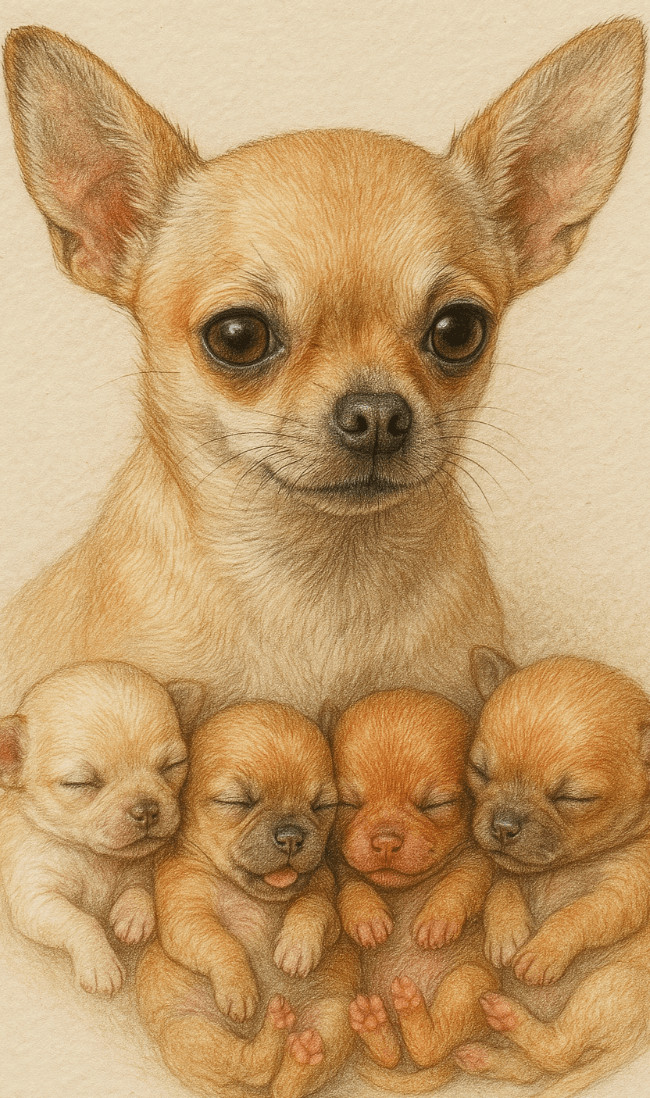

How Many Puppies Can a Chihuahua Have?
Chihuahuas, the world’s smallest dog breed, are known for their big personalities and adorable size. But when it comes to reproduction, many owners wonder, “How many puppies can a Chihuahua have?” The answer depends on various factors, including the dog’s age, health, and genetics. Understanding these elements is crucial for ensuring a safe pregnancy and delivery for your tiny companion. In this blog post, we’ll explore everything you need to know about Chihuahua litters, from average sizes to tips for managing pregnancies responsibly. Whether you’re a breeder or simply curious, this guide will provide valuable insights into the reproductive capabilities of these pint-sized pups.
Factors That Influence Litter Size in Chihuahuas
The number of puppies a Chihuahua can have varies based on several key factors. These influences play a significant role in determining litter size and overall health during pregnancy.
Age of the Mother:
Younger Chihuahuas (between 1-3 years old) tend to have smaller litters, while mature dogs (2-5 years) often produce more puppies.Health and Nutrition:
A well-nourished and healthy Chihuahua is more likely to carry a larger litter compared to one with poor nutrition or underlying health issues.Genetics and Breed Line:
Some Chihuahuas may come from bloodlines that naturally produce larger or smaller litters, depending on their ancestors’ traits.Size of the Dog:
As a toy breed, Chihuahuas are physically limited in how many puppies they can safely carry, typically resulting in smaller litters.First-Time Pregnancy vs. Subsequent Pregnancies:
First-time mothers often have fewer puppies, while subsequent pregnancies may yield slightly larger litters if the mother remains healthy.
Understanding these factors helps set realistic expectations and ensures proper care for both the mother and her puppies.
Average Litter Sizes for Chihuahuas
Chihuahuas generally have small litters due to their diminutive size, but averages can vary depending on individual circumstances. Here’s what you can expect:
Typical Range:
Most Chihuahuas give birth to 1-3 puppies per litter, making them one of the breeds with the smallest litter sizes.Rare Larger Litters:
In exceptional cases, a Chihuahua may have up to 5 puppies, though this is uncommon and often riskier for the mother.Singleton Puppies:
It’s not unusual for a Chihuahua to deliver just one puppy, which requires close monitoring to ensure proper development.Impact of Mixed Breeds:
If a Chihuahua is bred with a larger dog, the litter size might increase, but so do the risks associated with mismatched sizes.Veterinary Guidance Matters:
Consulting a vet before breeding provides insight into potential litter sizes and prepares you for any complications.
Knowing the average litter size helps owners plan responsibly and prioritize the health of their pets.
Check this guide 👉Are Chihuahuas Smart? Best 7 Expert Tips!
Check this guide 👉How Much Food Should a Chihuahua Eat? Best 7 Expert Tips!
Check this guide 👉What Are Chihuahuas Allergic To? Best 7 Expert Tips!
Factors Influencing Litter Size | Tips for Managing Pregnancy |
|---|---|
Age of the mother | Provide high-quality prenatal nutrition |
Health and genetic background | Schedule regular vet check-ups |
Size of the Chihuahua | Avoid breeding too young or too old |
First-time vs. repeat pregnancies | Monitor weight gain closely |
Environmental stress levels | Keep the mother calm and comfortable |
Signs Your Chihuahua Is Pregnant
Recognizing the signs of pregnancy early allows you to prepare for the arrival of the puppies and ensure your dog receives proper care throughout her gestation period.
Changes in Appetite:
Increased hunger or occasional loss of appetite can indicate pregnancy, especially during the first few weeks.Weight Gain and Enlarged Abdomen:
As the pregnancy progresses, your Chihuahua’s belly will expand noticeably, signaling fetal growth.Behavioral Shifts:
Hormonal changes may cause mood swings, nesting behaviors, or increased affection toward their owner.Nipple Enlargement:
Swollen or darker nipples are a common sign of pregnancy as the body prepares for nursing.Decreased Energy Levels:
Fatigue and reduced activity are typical during the early stages of pregnancy but should improve later.
Identifying these signs early ensures timely veterinary care and minimizes risks during pregnancy.
Caring for a Pregnant Chihuahua
Proper care during pregnancy is essential to support the health of both the mother and her unborn puppies. Follow these guidelines to ensure a smooth journey through gestation and delivery.
Provide Balanced Nutrition:
Feed a high-quality, nutrient-rich diet formulated for pregnant dogs to meet increased caloric needs.Schedule Regular Vet Visits:
Routine check-ups allow your vet to monitor the pregnancy and address any concerns promptly.Limit Physical Activity:
While moderate exercise is beneficial, avoid strenuous activities that could stress the mother or harm the puppies.Prepare a Whelping Area:
Create a quiet, clean space where your Chihuahua can give birth comfortably and nurse her puppies safely.Watch for Warning Signs:
Symptoms like excessive panting, lethargy, or vaginal discharge may indicate complications requiring immediate attention.
By following these steps, you can help your Chihuahua navigate pregnancy with minimal risks and maximum comfort.
Common Challenges During Chihuahua Pregnancies
Pregnancy in Chihuahuas comes with unique challenges due to their petite stature. Being aware of these potential issues helps you address them proactively.
Dystocia (Difficult Birth):
Narrow hips and small size increase the risk of obstructed labor, requiring emergency veterinary intervention.Low Birth Weight Puppies:
Tiny puppies may struggle to thrive and need supplemental feeding or intensive care.Nutritional Deficiencies:
Poor diet can lead to malnutrition in the mother and developmental problems in the puppies.Stress and Anxiety:
Chihuahuas are prone to stress, which can complicate pregnancy if not managed properly.Overbreeding Risks:
Frequent pregnancies strain the mother’s body and reduce her lifespan significantly.
Addressing these challenges ensures safer outcomes for both the mother and her litter.
Tips for Supporting Newborn Chihuahua Puppies
Once the puppies are born, ongoing care is essential to ensure they grow strong and healthy. Here are some tips for supporting newborn Chihuahuas.
Monitor Feeding:
Ensure each puppy nurses frequently; weak or rejected pups may need hand-feeding with formula.Maintain Warmth:
Newborns cannot regulate their body temperature; keep them warm using blankets or heating pads.Weigh Regularly:
Track daily weight gain to identify any puppies struggling to thrive.Keep the Environment Clean:
Sanitize the whelping area regularly to prevent infections in vulnerable newborns.Introduce Solid Food Gradually:
Start introducing soft food around 3-4 weeks of age to transition them off milk.
By providing attentive care, you give these fragile puppies the best start in life.
Ethical Considerations When Breeding Chihuahuas
Breeding Chihuahuas responsibly involves ethical considerations beyond just litter size. These principles guide humane and conscientious practices.
Avoid Backyard Breeding:
Unregulated breeding increases the risk of health problems and contributes to overpopulation.Prioritize Health Testing:
Screen breeding pairs for genetic conditions to reduce the likelihood of passing on diseases.Prevent Overbreeding:
Allow adequate recovery time between pregnancies, ideally spacing them at least 12-18 months apart.Focus on Quality Over Quantity:
Aim for healthy, well-adjusted puppies rather than maximizing litter sizes.Adopt Responsible Ownership Practices:
Ensure all puppies go to loving homes equipped to care for their specific needs.
Following these ethical guidelines promotes the welfare of Chihuahuas and their offspring.
Frequently Asked Questions About Chihuahua Pregnancies
How long is a Chihuahua’s pregnancy?
A Chihuahua’s gestation period lasts approximately 58-68 days, averaging around 63 days.
Can a Chihuahua have too many puppies?
Yes, large litters pose risks to the mother’s health due to her small size and limited uterine capacity.
What happens if a Chihuahua has only one puppy?
Singleton pregnancies require special attention to ensure the puppy develops properly and doesn’t become oversized.
Should I breed my Chihuahua at home?
Breeding should only be done by experienced individuals under veterinary supervision to minimize risks.
When do Chihuahuas stop being able to reproduce?
Female Chihuahuas typically remain fertile until 6-8 years of age, though breeding after 5 years is not recommended.
Responsible Care for Chihuahua Mothers and Their Puppies
Understanding how many puppies a Chihuahua can have—and the factors influencing litter size—is vital for anyone considering breeding or caring for a pregnant dog. Due to their small size, Chihuahuas require extra attention and care during pregnancy and delivery to ensure the safety of both mother and pups. By prioritizing health, seeking professional guidance, and preparing thoroughly, you can create a nurturing environment for your furry family. Remember, responsible breeding isn’t just about numbers; it’s about ensuring the well-being of every life involved.
Newfoundland Dog Personality: Best 7 Expert Tips! – Discover the gentle, loyal, and protective nature of this giant breed perfect for families.
Can Hot Pavement Burn Your Cats Paws? Best 7 Expert Tips! – Learn how to protect your cat’s paws from hot surfaces and prevent painful burns this summer.
Can Hot Pavement Burn Your Dogs Paws? Best 7 Expert Tips! – Learn how to protect your dog’s paws from hot surfaces and ensure safe summer walks.
Irish Wolfhound Size: Best 7 Expert Tips! – Discover the ideal height, weight, and care tips for this majestic giant breed. Learn how to manage their impressive stature responsibly.


