
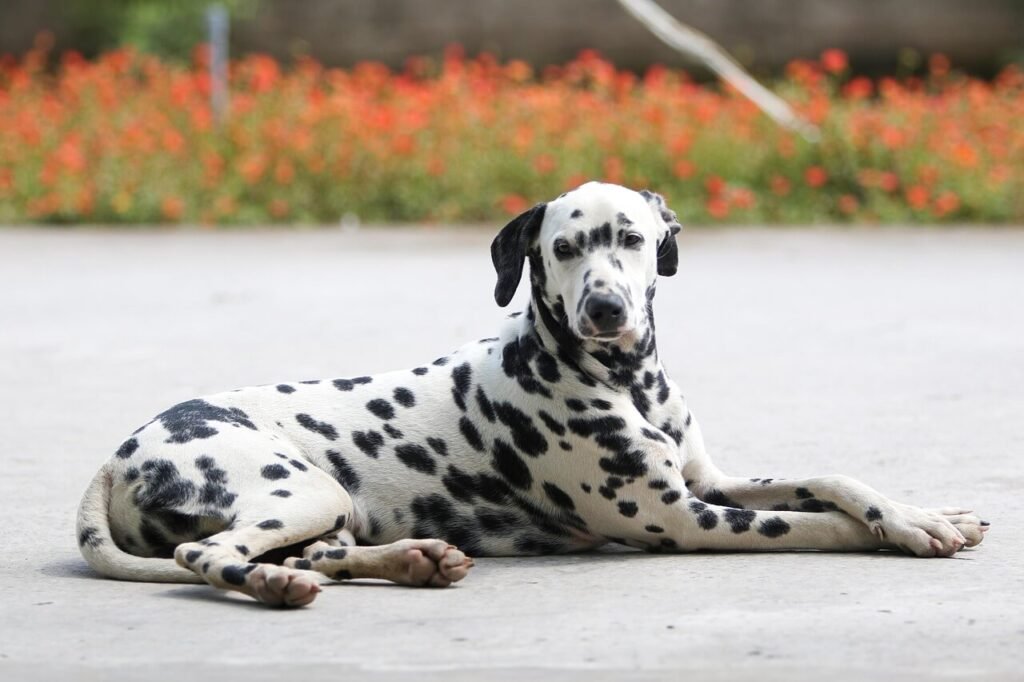

Dalmatian Hunting Dog: A Versatile and Energetic Companion
When you think of Dalmatians, images of sleek, spotted dogs riding alongside fire trucks or starring in Disney movies might come to mind. However, beyond their iconic appearance lies a rich history as skilled hunting dogs. Originally bred for endurance and agility, Dalmatians were valued companions for hunters, capable of tracking game, retrieving prey, and even guarding campsites. Today, while they are more commonly seen as family pets, their hunting instincts and working spirit remain deeply ingrained.
In this blog post, we’ll explore the fascinating role of the Dalmatian hunting dog, their unique traits, and how you can channel their energy and intelligence into modern-day activities. Whether you’re a hunter, an active pet owner, or simply curious about this breed, there’s much to discover about these remarkable spotted companions.
Key Traits of the Dalmatian Hunting Dog
The Dalmatian’s success as a hunting dog stems from its impressive combination of physical and mental attributes. These traits make them well-suited for various roles, both in the field and at home.
High Energy Levels:
Dalmatians are built for endurance, capable of running long distances without tiring—a trait that made them invaluable to hunters.Keen Sense of Smell:
Their strong olfactory abilities allow them to track scents effectively, whether it’s game animals or modern-day search-and-rescue tasks.Intelligence and Trainability:
Dalmatians are quick learners, excelling in obedience training and problem-solving challenges when given clear guidance.Protective Instincts:
Historically, Dalmatians guarded carriages and campsites; today, they remain vigilant watchdogs who alert their owners to potential threats.Agility and Speed:
Their lean build and athleticism enable them to navigate rough terrain and chase down fast-moving prey with ease.
These characteristics highlight why Dalmatians were prized as hunting dogs and continue to thrive in active roles today.
Historical Role of Dalmatians as Hunting Dogs
Dalmatians have a storied history as versatile hunting companions, contributing to their reputation as hardworking and loyal dogs. Here’s a closer look at their traditional roles in the field.
Coaching Companions:
Before their association with firefighting, Dalmatians were bred to run alongside horse-drawn carriages, protecting horses and clearing paths for hunters.Game Retrievers:
They retrieved small game like birds or rabbits, using their speed and precision to bring back prey without damaging it.Trail Trackers:
Dalmatians were often used to track larger game such as deer or boar, relying on their stamina and scent-tracking abilities.Guardians of Campsites:
After a day of hunting, they stood guard over equipment and supplies, deterring thieves and predators.Versatility in Terrain:
Their adaptability allowed them to work in diverse environments, from dense forests to open plains, making them ideal all-purpose hunting dogs.
This historical legacy showcases the Dalmatian’s versatility and dedication, qualities that still define the breed today.
Check this guide 👉How Many Puppies Can a Dalmatian Have? Best 7 Expert Tips!
Check this guide 👉Are Dalmatians Hypoallergenic? Best 7 Expert Tips!
Check this guide 👉Corgi Dalmatian Mix: Best 7 Expert Tips!
Strengths of Dalmatians as Hunting Dogs | Challenges of Owning a Dalmatian |
|---|---|
High energy and endurance | Requires extensive daily exercise |
Strong sense of smell | Prone to separation anxiety if left alone |
Intelligent and trainable | Can be stubborn without consistent leadership |
Protective nature | Needs early socialization to prevent shyness |
Agile and athletic | Sensitive hearing; dislikes loud noises |
Training Tips for Your Dalmatian Hunting Dog
Training is essential to harness the full potential of your Dalmatian’s hunting instincts and ensure they become a well-behaved companion. Follow these tips to maximize their natural talents.
Start Early:
Begin training during puppyhood to establish good habits and prevent behavioral issues as they mature.Use Positive Reinforcement:
Reward-based methods, such as treats and praise, motivate Dalmatians better than harsh corrections.Focus on Obedience First:
Teach basic commands like “sit,” “stay,” and “come” before advancing to specialized hunting skills.Incorporate Mental Stimulation:
Puzzle toys and scent-tracking games keep their sharp minds engaged and reduce boredom-related behaviors.Practice Consistency:
Regular, structured training sessions reinforce learning and strengthen your bond with your dog.
With patience and persistence, you can unlock your Dalmatian’s potential as a skilled and obedient hunting partner.
Modern Activities for Dalmatian Hunting Dogs
While traditional hunting roles may not suit every Dalmatian today, their energy and intelligence make them excellent candidates for various modern activities. Here are some ways to channel their natural instincts.
Agility Competitions:
Dalmatians excel in obstacle courses, showcasing their speed, agility, and focus in a fun and competitive environment.Search-and-Rescue Work:
Their keen sense of smell and endurance make them ideal for locating missing persons in challenging terrains.Obedience Trials:
Participating in obedience competitions allows Dalmatians to demonstrate their discipline and trainability.Jogging or Biking Partners:
Their love for running makes them perfect companions for outdoor enthusiasts seeking an active lifestyle.Therapy Work:
With proper training, Dalmatians can serve as therapy dogs, providing comfort and support to those in need.
These activities provide fulfilling outlets for your Dalmatian’s energy and talents, ensuring a happy and balanced life.
Common Misconceptions About Dalmatians
Despite their popularity, several myths surround Dalmatians that can lead to misunderstandings about their care and behavior. Clarifying these misconceptions helps set realistic expectations.
They Are Only Good as Firehouse Mascots:
While famous for this role, Dalmatians were originally bred for hunting and coaching duties, showcasing their versatility.All Dalmatians Are Hyperactive:
Proper training and exercise can channel their energy constructively, preventing destructive behaviors.They Don’t Get Along with Kids:
With early socialization, Dalmatians can form strong bonds with children and make loving family pets.They Don’t Need Much Grooming:
Though short-haired, their coats shed heavily and require regular brushing to maintain cleanliness.They’re Easy to Train:
While intelligent, Dalmatians can be stubborn; consistent leadership and patience are key to successful training.
Understanding these truths ensures a deeper appreciation for what makes Dalmatians unique.
Health Considerations for Dalmatians
Like all breeds, Dalmatians are prone to certain health issues that require proactive management. Being aware of these risks helps ensure a long and healthy life for your pet.
Deafness:
Up to 30% of Dalmatians are born deaf in one or both ears; responsible breeding practices can reduce this risk.Urinary Stones (Urolithiasis):
Their unique metabolism predisposes them to forming bladder stones; a low-purine diet can help prevent this condition.Hip Dysplasia:
A common joint issue in large breeds; maintaining a healthy weight and avoiding strenuous activity during growth phases minimizes risk.Skin Allergies:
Dalmatians may develop allergies to food, pollen, or flea bites; regular grooming and vet care can manage symptoms.Heart Conditions:
Dilated cardiomyopathy (DCM) can occur; annual cardiac screenings are recommended for early detection.
Proactive healthcare ensures your Dalmatian remains vibrant and active throughout their life.
Fun Ways to Bond with Your Dalmatian Hunting Dog
Building a strong relationship with your Dalmatian involves engaging in activities that cater to their energetic and intelligent nature. These fun ideas will deepen your connection while keeping them entertained.
Long Runs or Hikes:
Explore trails together, allowing them to burn off energy and enjoy the great outdoors.Fetch Games:
Play fetch with balls, frisbees, or flying discs to satisfy their instinctual drive to chase and retrieve.Swimming Sessions:
Many Dalmatians love water; swimming provides excellent exercise while being gentle on their joints.Interactive Toys:
Puzzle feeders and treat-dispensing toys keep them mentally stimulated when you’re busy.Canine Sports:
Enroll them in activities like flyball, dock diving, or nosework to challenge their skills and boost confidence.
Engaging in these activities ensures a fulfilling life for your energetic and devoted Dalmatian.
Frequently Asked Questions About Dalmatian Hunting Dogs
Are Dalmatians good hunting dogs?
Yes, their endurance, intelligence, and versatility make them excellent companions for hunting and related activities.
Do Dalmatians require a lot of exercise?
Absolutely—Dalmatians need at least 1-2 hours of vigorous exercise daily to stay healthy and content.
Are they suitable for first-time dog owners?
While possible, their high energy and training needs may be challenging for novice owners without experience.
How do I socialize my Dalmatian puppy?
Expose them to different people, animals, and environments early on to build confidence and prevent fearfulness.
What health issues should I watch for?
Dalmatians are prone to deafness, urinary stones, and hip dysplasia; regular vet check-ups are crucial.
Embracing Life with a Dalmatian Hunting Dog
The Dalmatian hunting dog is a testament to the power of versatility, combining beauty, brains, and brawn in one striking package. Whether you’re drawn to their rich history as hunting companions or their modern-day adaptability, owning a Dalmatian is a rewarding yet demanding responsibility. By understanding their needs, investing time in training, and providing ample opportunities for physical and mental stimulation, you’ll unlock the full potential of this incredible breed. With dedication and love, your Dalmatian will become not just a pet but a cherished partner in adventure and everyday life.
Understanding Cryptosporidium in Cats: Best 7 Expert Tips! – Spot symptoms, treat safely, and stop parasite spread in your home.
Understanding Cryptosporidium in Dogs: Best 7 Expert Tips! – Learn symptoms, treatment & prevention for this stubborn gut parasite.
Understanding Syringomyelia in Cats: Best 7 Expert Tips! – Recognize signs, manage pain, and support your cat’s neurological health with vet-backed guidance.
Understanding Syringomyelia in Dogs: Best 7 Expert Tips! – Expert insights on symptoms, MRI diagnosis, pain management & quality of life.


