
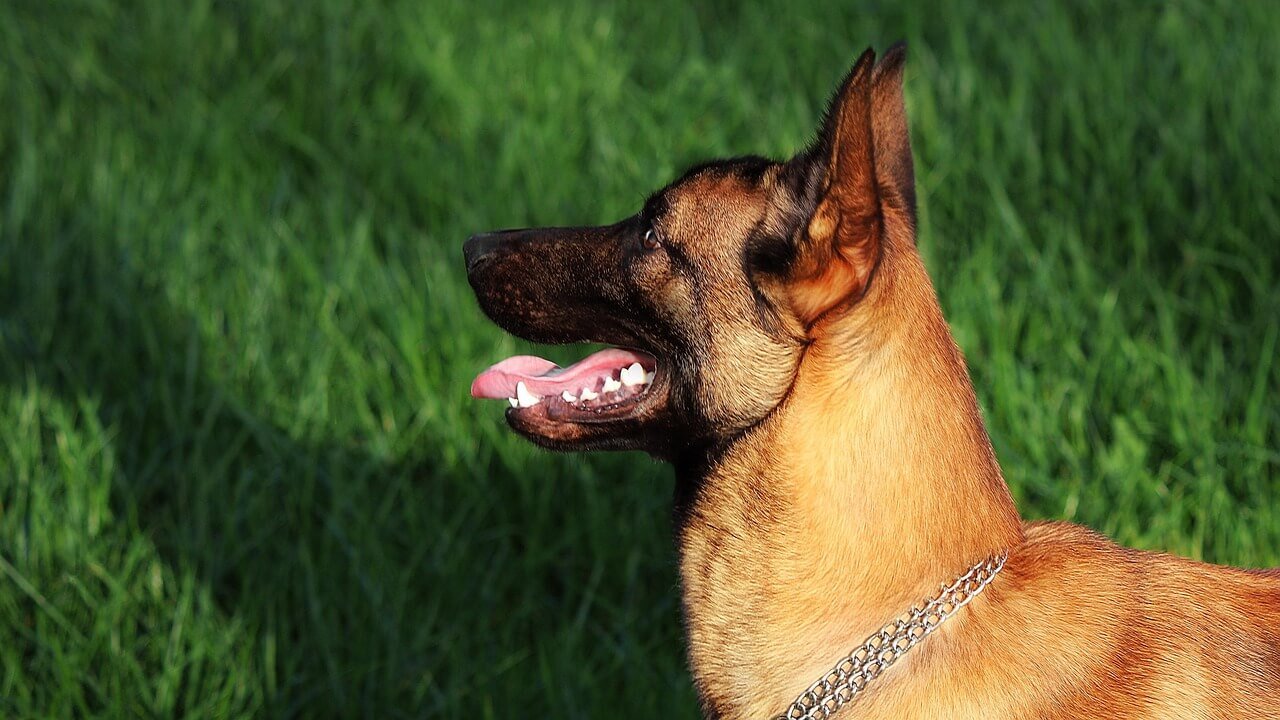
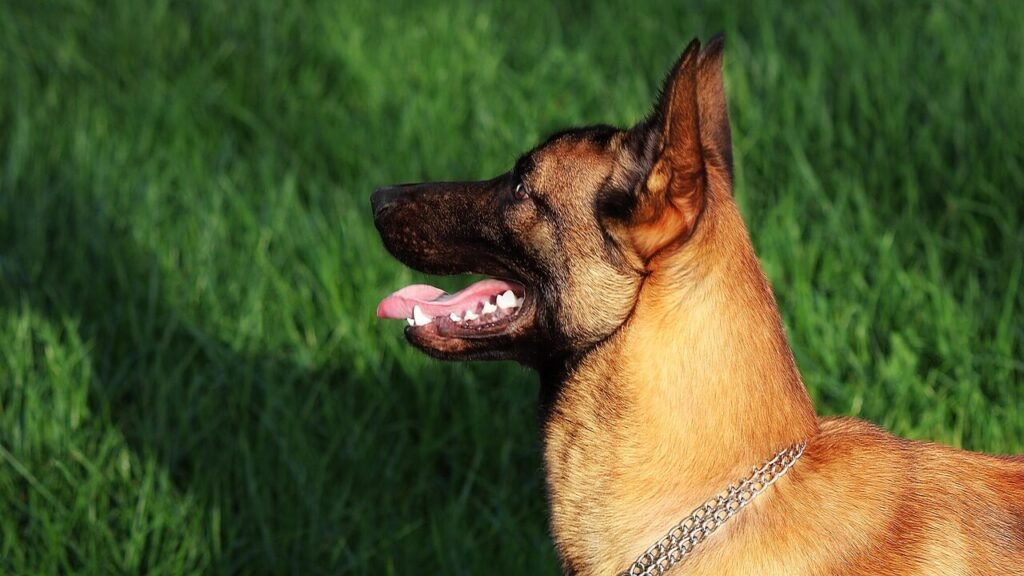

How Much Should a Belgian Malinois Eat?
The Belgian Malinois is a high-energy, intelligent breed known for its athleticism and loyalty. As a working dog, this breed requires a well-balanced diet to fuel its active lifestyle and maintain optimal health. But how much should a Belgian Malinois eat? The answer depends on factors like age, activity level, and overall health. Feeding your Malinois the right amount of food ensures they stay energetic, fit, and free from common issues like obesity or malnutrition. In this blog post, we’ll explore everything you need to know about feeding your Belgian Malinois, from portion sizes to dietary tips, so you can provide the best care for your four-legged companion.
Daily Food Requirements for a Belgian Malinois
Understanding how much food your Belgian Malinois needs is crucial for their growth and well-being. These guidelines will help you determine the appropriate portion sizes based on their life stage and activity level.
Puppies (8 Weeks to 1 Year):
Puppies require frequent meals—about three to four times daily—to support their rapid growth and development.Adults (1 to 7 Years):
Adult Malinois typically need two meals per day, with portions adjusted according to their weight and activity level.Senior Dogs (7+ Years):
Older dogs may require fewer calories and lower-protein diets to accommodate slower metabolisms and reduced activity levels.Highly Active Working Dogs:
If your Malinois works as a service dog, participates in sports, or engages in intense physical activities, they’ll need additional calories to sustain their energy output.Weight Management:
Overfeeding can lead to obesity, which increases the risk of joint problems and other health issues. Monitor your dog’s weight regularly and adjust portions accordingly.
By tailoring their diet to their specific needs, you can ensure your Belgian Malinois stays healthy and energized throughout their life stages.
Best Types of Food for a Belgian Malinois
Choosing the right type of food is just as important as determining portion sizes. A balanced diet supports your Malinois’ muscle development, coat health, and overall vitality.
High-Quality Protein Sources:
Look for foods rich in lean meats like chicken, beef, or fish, which provide essential amino acids for muscle maintenance.Healthy Fats:
Omega-3 and omega-6 fatty acids from sources like salmon oil or flaxseed promote a shiny coat and reduce inflammation.Complex Carbohydrates:
Whole grains, sweet potatoes, and vegetables offer sustained energy without spiking blood sugar levels.Limited Fillers and Additives:
Avoid foods with excessive fillers like corn, soy, or artificial preservatives, which can upset your dog’s digestive system.Age-Specific Formulas:
Puppy, adult, and senior formulas cater to the unique nutritional needs of each life stage, ensuring proper growth and maintenance.
Providing nutrient-dense food tailored to your Belgian Malinois’ needs supports their active lifestyle and long-term health.
Check this guide 👉Top 5 Best Turkey Dog Food Options for Ultimate Nutrition!
Check this guide 👉Top 4 Premium Beef Dog Food Options for Ultimate Nutrition!
Check this guide 👉5 Best Grain-Free Dog Foods for Ultimate Health!
Factors Affecting Food Intake | Recommended Actions |
|---|---|
Age and Life Stage | Adjust portion sizes and choose age-appropriate formulas. |
Activity Level | Increase calories for highly active dogs; reduce for sedentary ones. |
Body Condition Score | Regularly assess weight and adjust portions to prevent obesity. |
Health Conditions | Consult a vet for specialized diets if your dog has allergies or illnesses. |
Treats and Snacks | Limit treats to 10% of daily caloric intake to avoid overfeeding. |
Signs Your Belgian Malinois Is Eating the Right Amount
Monitoring your dog’s behavior and physical condition helps determine whether they’re receiving the correct amount of food. Here are signs that indicate a balanced diet.
Maintains a Healthy Weight:
Their ribs should be easily felt but not visibly protruding, and they should have a defined waistline.Consistent Energy Levels:
A well-fed Malinois will exhibit steady energy without fatigue or sluggishness during activities.Shiny Coat and Clear Skin:
Proper nutrition results in a glossy coat and minimal dandruff or irritation.Regular Digestion:
Healthy bowel movements and no signs of vomiting or diarrhea indicate good digestive health.Positive Mood and Behavior:
A satisfied dog is less likely to display food-related aggression or begging behaviors.
These indicators confirm that your Belgian Malinois is thriving on their current diet.
Common Feeding Mistakes to Avoid
Even experienced owners can make mistakes when feeding their Belgian Malinois. Being aware of these pitfalls ensures your dog receives the best possible care.
Overfeeding:
Giving too much food leads to obesity, which can cause joint problems and reduce lifespan.Inconsistent Meal Times:
Irregular feeding schedules disrupt digestion and metabolism, affecting overall health.Neglecting Hydration:
Always provide fresh water alongside meals to prevent dehydration, especially for active dogs.Feeding Human Foods:
Many human foods, like chocolate, onions, and grapes, are toxic to dogs and should be avoided.Ignoring Portion Guidelines:
Following generalized recommendations without considering individual needs can result in under- or overfeeding.
Avoiding these mistakes promotes a healthier and happier life for your Belgian Malinois.
Tips for Transitioning Your Belgian Malinois’ Diet
Switching your Belgian Malinois to a new food requires careful planning to avoid digestive upset. Follow these tips for a smooth transition.
Gradual Mixing:
Start by mixing 25% of the new food with 75% of the old food for 2-3 days before increasing the ratio.Monitor for Reactions:
Watch for signs of allergies or intolerance, such as itching, vomiting, or diarrhea, and adjust accordingly.Stay Consistent:
Once settled on a new diet, avoid frequent changes to maintain gut health and stability.Consult Your Vet:
Before making significant dietary changes, seek professional advice to ensure safety and appropriateness.Introduce Slowly Over 7-10 Days:
A slow transition minimizes stress on your dog’s digestive system and allows them to adapt comfortably.
A thoughtful approach to dietary transitions ensures your Belgian Malinois adjusts smoothly to new foods.
Supplements to Enhance Your Belgian Malinois’ Diet
While a balanced diet provides most nutrients, certain supplements can enhance your Malinois’ health and performance.
Glucosamine and Chondroitin:
Support joint health, especially important for active dogs prone to wear and tear.Probiotics:
Improve gut health and digestion, reducing the risk of bloating or irregular bowel movements.Fish Oil:
Rich in omega-3 fatty acids, it promotes skin and coat health while reducing inflammation.Multivitamins:
Fill any nutritional gaps in their diet, ensuring they receive all essential vitamins and minerals.Electrolyte Solutions:
Help replenish lost nutrients after intense exercise or during hot weather.
Incorporating these supplements can complement your dog’s diet and boost their overall well-being.
Seasonal Adjustments to Your Belgian Malinois’ Diet
Your Belgian Malinois’ dietary needs may vary depending on seasonal changes and environmental conditions.
Winter Months:
Increase calorie intake slightly to help maintain body temperature and energy levels in colder climates.Summer Heat:
Focus on hydration and lighter meals to prevent overheating and lethargy during warmer weather.Peak Activity Seasons:
During hunting, training, or competition seasons, add more protein-rich foods to support muscle recovery.Off-Season Rest Periods:
Reduce portions slightly if your dog is less active to prevent unnecessary weight gain.Holiday Feasts:
Be cautious about sharing holiday leftovers; stick to dog-safe options and limit treats to avoid digestive issues.
Adapting their diet to seasonal demands ensures your Belgian Malinois remains healthy and resilient year-round.
Frequently Asked Questions About Feeding a Belgian Malinois
How many cups of food should I feed my Belgian Malinois daily?
Adult Malinois typically require 2-3 cups of high-quality dog food split into two meals, depending on their size and activity level.
Can Belgian Malinois eat raw food?
Yes, many thrive on a raw diet, but it must be balanced and prepared carefully to avoid nutritional deficiencies.
What should I do if my Malinois is overweight?
Reduce portion sizes, increase exercise, and consult a vet to create a weight-loss plan tailored to your dog.
Are grain-free diets safe for Belgian Malinois?
While some dogs benefit from grain-free diets, recent studies suggest potential risks. Consult your vet before switching.
How often should I feed my Malinois puppy?
Puppies should be fed three to four small meals daily until they reach adulthood at around 12 months.
Nourishing Your Belgian Malinois for Optimal Health
Feeding your Belgian Malinois the right amount of food is an investment in their happiness, performance, and longevity. By understanding their unique dietary needs and avoiding common mistakes, you can ensure they remain strong, agile, and full of energy. Remember, every dog is different, so tailor their diet to their individual requirements and consult your veterinarian for personalized advice. With proper nutrition, your Belgian Malinois will continue to excel as a loyal companion and a tireless worker, ready to take on any challenge by your side.
Understanding Cryptosporidium in Cats: Best 7 Expert Tips! – Spot symptoms, treat safely, and stop parasite spread in your home.
Understanding Cryptosporidium in Dogs: Best 7 Expert Tips! – Learn symptoms, treatment & prevention for this stubborn gut parasite.
Understanding Syringomyelia in Cats: Best 7 Expert Tips! – Recognize signs, manage pain, and support your cat’s neurological health with vet-backed guidance.
Understanding Syringomyelia in Dogs: Best 7 Expert Tips! – Expert insights on symptoms, MRI diagnosis, pain management & quality of life.


