
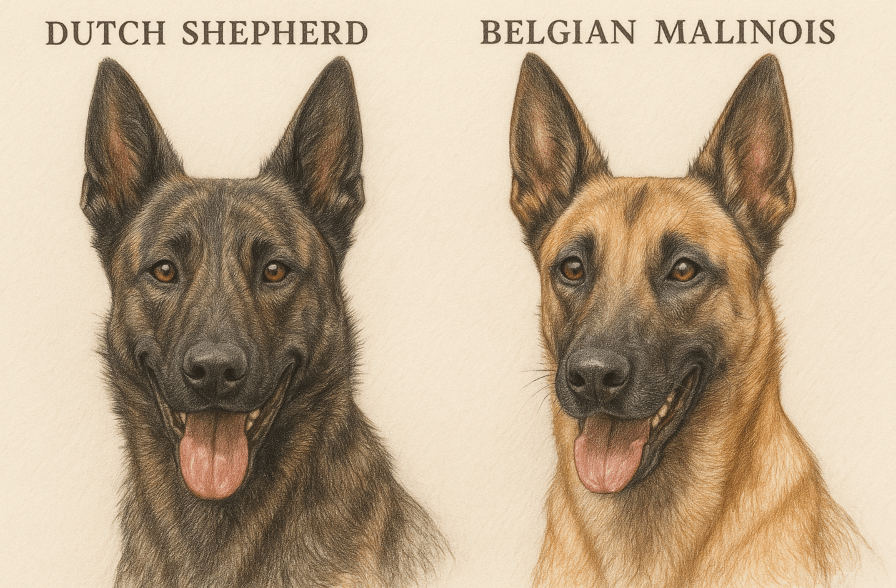

Dutch Shepherd vs. Belgian Malinois: Which Breed is Right for You?
The Dutch Shepherd and the Belgian Malinois are two highly intelligent, energetic, and loyal working breeds that often draw comparisons due to their striking similarities. Both breeds excel in roles such as police work, search-and-rescue, and competitive dog sports. However, despite their shared traits, they also have distinct characteristics that set them apart. Whether you’re considering one of these breeds as a family companion or a working partner, understanding their differences and unique qualities is essential. In this blog post, we’ll explore everything from their temperaments to their grooming needs, helping you make an informed decision about which breed suits your lifestyle best.
Key Differences Between Dutch Shepherds and Belgian Malinois
While the Dutch Shepherd and Belgian Malinois share many similarities, there are notable differences in their appearance, temperament, and origins. These distinctions can help you determine which breed aligns better with your preferences and needs.
Coat Types:
The Dutch Shepherd comes in three coat varieties—short, long, and rough—while the Belgian Malinois has a short, dense coat.Temperament Variations:
Dutch Shepherds are known for being slightly calmer and more adaptable, whereas Belgian Malinois tend to be more intense and driven.Country of Origin:
As their names suggest, the Dutch Shepherd hails from the Netherlands, while the Belgian Malinois originates from Belgium.Training Requirements:
While both breeds are highly trainable, the Belgian Malinois often requires more structured training due to its high energy and focus.Popularity and Availability:
The Belgian Malinois is more widely recognized and available than the Dutch Shepherd, which is considered rarer outside its home country.
These differences highlight the unique qualities of each breed, making it easier to choose the right fit for your household or work environment.
Physical Characteristics Compared: Dutch Shepherd vs. Belgian Malinois
The physical traits of these breeds play a significant role in their functionality and appeal. Here’s a closer look at how they compare in terms of size, build, and overall appearance.
Size and Weight:
Both breeds are medium-sized dogs, typically weighing between 40-80 pounds, depending on gender and genetics.Color Variations:
Dutch Shepherds come in brindle patterns across all coat types, while Belgian Malinois are usually fawn with a black mask and ears.Energy Levels:
Both breeds are highly energetic, but the Belgian Malinois is often described as having an even higher drive and stamina.Lifespan:
Both breeds have a similar lifespan of 10-14 years, provided they receive proper care and nutrition.Health Concerns:
Both breeds are generally healthy, but they may be prone to hip dysplasia, elbow dysplasia, and certain eye conditions.
Understanding these physical attributes helps you appreciate the strengths and potential challenges associated with each breed.
Check this guide 👉Malinois Dog vs German Shepherd: Best 7 Expert Tips!
Check this guide 👉Belgian Malinois Pitbull Mix: Best 7 Expert Tips!
Check this guide 👉Belgian Malinois Husky Mix: Best 7 Expert Tips!
Dutch Shepherd Traits | Belgian Malinois Traits |
|---|---|
Calmer and more adaptable temperament | Highly intense and focused personality |
Three coat types (short, long, rough) | Short, dense coat |
Rare breed with limited availability | Widely recognized and easily accessible |
Brindle coloration | Fawn with black mask and ears |
Versatile in various working roles | Excel in protection and detection work |
Temperament and Personality: What Sets Them Apart?
The temperament of a dog is one of the most critical factors to consider when choosing a breed. Here’s how the Dutch Shepherd and Belgian Malinois differ in terms of personality and behavior.
Work Ethic:
Both breeds are hardworking, but the Belgian Malinois is known for its relentless drive and intensity in tasks.Family Compatibility:
Dutch Shepherds are often described as more laid-back and easier to integrate into family life compared to the high-energy Malinois.Socialization Needs:
The Belgian Malinois requires extensive socialization to prevent overprotectiveness, while Dutch Shepherds are naturally more balanced.Trainability:
Both breeds are highly intelligent, but the Belgian Malinois thrives on advanced, structured training programs.Bonding Style:
Dutch Shepherds form strong bonds with their families, while Belgian Malinois often develop a deep connection with one primary handler.
These insights into their temperaments can guide you in selecting a breed that matches your lifestyle and expectations.
Grooming and Maintenance Needs
Proper grooming and maintenance are essential for keeping these active breeds healthy and happy. Here’s what you need to know about caring for their coats and overall well-being.
Coat Care for Dutch Shepherds:
Their three coat types require different levels of grooming—rough coats need regular brushing, while short coats are low-maintenance.Coat Care for Belgian Malinois:
The Malinois’ short coat is easy to maintain with weekly brushing and occasional baths.Shedding Levels:
Both breeds shed moderately year-round, with heavier shedding during seasonal changes.Exercise Requirements:
Both breeds need at least 1-2 hours of vigorous exercise daily to stay physically and mentally stimulated.Health Monitoring:
Regular vet check-ups and a balanced diet are crucial for maintaining their high energy levels and preventing breed-specific health issues.
By staying consistent with grooming and care routines, you can ensure your dog remains comfortable and content.
Training Tips for Both Breeds
Both the Dutch Shepherd and Belgian Malinois thrive on training, but their approaches may vary slightly. Here are some tips to help you succeed with either breed.
Start Early:
Begin training and socialization as puppies to establish good habits and prevent behavioral issues later.Use Positive Reinforcement:
Reward-based methods work best for these intelligent breeds, encouraging cooperation and enthusiasm.Focus on Mental Stimulation:
Incorporate puzzle toys and scent work to keep their sharp minds engaged.Maintain Consistency:
Both breeds respond well to clear rules and routines, reducing confusion and reinforcing desired behaviors.Seek Professional Help if Needed:
If you’re new to training high-drive dogs, consult a professional trainer to guide you through the process.
With patience and consistency, you can unlock the full potential of these remarkable breeds.
Common Misconceptions About These Breeds
Despite their popularity, there are several misconceptions about the Dutch Shepherd and Belgian Malinois. Addressing these myths helps paint a clearer picture of what to expect.
They Are Aggressive by Nature:
Both breeds are protective but not inherently aggressive—they react based on training and socialization.They Don’t Make Good Family Dogs:
When properly trained, both breeds can be loving and loyal additions to active families.Dutch Shepherds Are Just “Rarer Malinois”:
While they share similarities, Dutch Shepherds have distinct traits that set them apart from their Belgian counterparts.Belgian Malinois Are Only for Police Work:
Though they excel in demanding roles, they can also thrive as family pets with the right environment.They Require Constant Vigorous Exercise:
While they need plenty of activity, mental stimulation is equally important for their well-being.
Dispelling these myths allows you to approach these breeds with realistic expectations.
Activities That Suit These Breeds Best
Both the Dutch Shepherd and Belgian Malinois are versatile breeds that excel in various activities. Here are some pursuits that align perfectly with their natural abilities.
Obedience Trials:
Their intelligence and eagerness to please make them standout competitors in obedience competitions.Agility Courses:
High-energy agility events cater to their athleticism and need for speed.Search-and-Rescue Operations:
Their keen sense of smell and endurance make them invaluable in search-and-rescue missions.Protection Sports:
Activities like Schutzhund allow them to showcase their guarding instincts in controlled settings.Herding Trials:
For Dutch Shepherds, herding trials tap into their historical roots as farm dogs.
Engaging in these activities strengthens your bond with your dog while providing an outlet for their boundless energy.
Frequently Asked Questions About Dutch Shepherds and Belgian Malinois
Are Dutch Shepherds good family dogs?
Yes, Dutch Shepherds are loyal and protective, making them excellent family companions when properly trained and socialized.
Do Belgian Malinois get along with other pets?
With proper socialization, they can coexist peacefully, but their high prey drive may pose challenges with smaller animals.
Which breed is better for first-time owners?
Neither breed is ideal for beginners due to their high energy and training demands, but Dutch Shepherds may be slightly easier to manage.
How much exercise do these breeds need?
Both breeds require at least 1-2 hours of intense physical activity daily to prevent boredom and destructive behavior.
Are they good guard dogs?
Yes, both breeds are naturally protective and alert, excelling in guarding and security roles.
Choosing Between the Dutch Shepherd and Belgian Malinois
Deciding between the Dutch Shepherd and Belgian Malinois ultimately comes down to your lifestyle, experience level, and personal preferences. While both breeds are incredibly intelligent, energetic, and devoted, their differences in temperament, grooming needs, and availability make them suited to different environments. Whether you’re looking for a versatile working dog or a loyal family companion, understanding these distinctions will help you make the best choice. Remember, owning either breed is a lifelong commitment that requires dedication, patience, and love—but the rewards are immeasurable.
Spleen Cancer in Cats: Best 7 Expert Tips! – Expert insights on symptoms, care, treatment & quality of life for feline spleen cancer.
Dog Mastitis Treatment: Best 7 Expert Tips! – Safe, vet-approved care for nursing moms & prevention strategies.
The Shikoku Ken Dog: Best 7 Expert Tips! – Discover expert care, training & health advice for this rare, loyal Japanese mountain breed.
The Cairn Terrier Dog Breed: Best 7 Expert Tips! – Discover care, training & health advice for this spirited, loyal Scottish terrier.


