
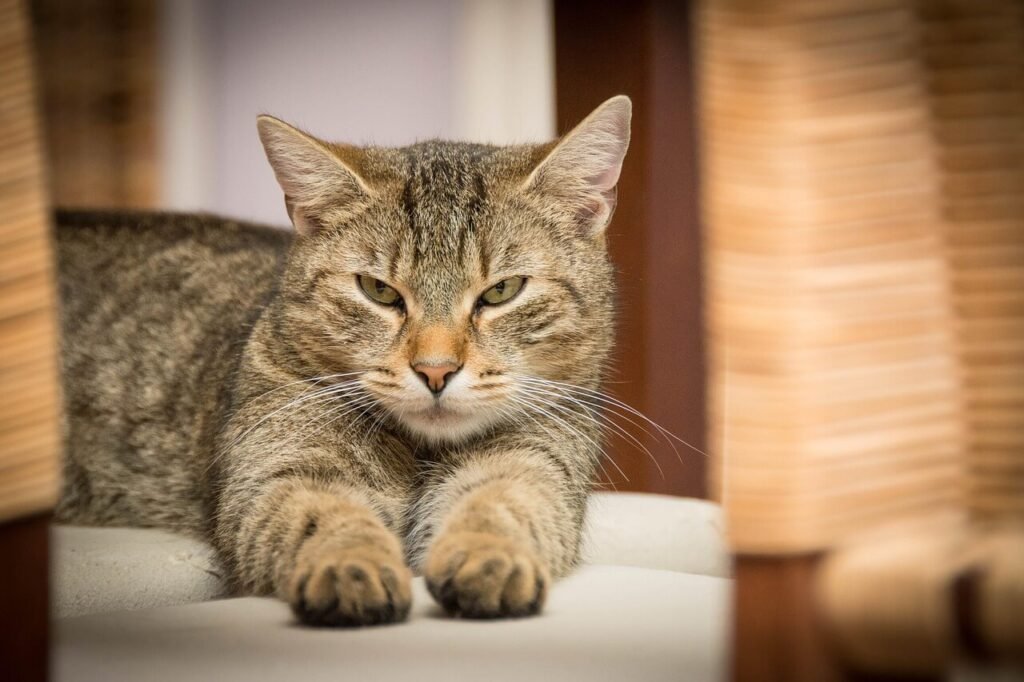

Understanding Muscle Wasting in Cats: Best 7 Expert Tips!

Understanding Muscle Wasting in Cats: Best 7 Expert Tips!

Understanding Muscle Wasting in Cats


Muscle wasting, also known as muscle atrophy, is a condition that can affect cats of all ages and breeds. It occurs when there is a noticeable loss of muscle mass, often leaving your feline friend looking frail or weak. While some degree of muscle loss is natural with aging, excessive or sudden muscle wasting can indicate underlying health issues that require attention. As a cat owner, it’s crucial to recognize the signs early and take steps to address the root cause. In this blog post, we’ll explore the causes, symptoms, and treatment options for muscle wasting in cats, helping you ensure your furry companion stays healthy and strong.

Common Causes of Muscle Wasting in Cats


Muscle wasting in cats can stem from various factors, ranging from age-related changes to serious medical conditions. Identifying the cause is the first step toward effective treatment and management.

 
  • Aging and Sarcopenia:
    As cats grow older, they naturally lose muscle mass due to a condition called sarcopenia, which is similar to human aging.

  • Malnutrition or Poor Diet:
    A lack of essential nutrients, such as protein, vitamins, and minerals, can lead to muscle breakdown over time.

  • Chronic Illnesses:
    Conditions like diabetes, kidney disease, or hyperthyroidism can contribute to muscle wasting as the body struggles to maintain normal functions.

  • Neurological Disorders:
    Nerve damage or diseases affecting the nervous system can impair muscle control, leading to atrophy.

  • Lack of Physical Activity:
    Sedentary lifestyles, especially in indoor cats, can result in weakened muscles due to disuse.


Understanding these causes allows you to work with your veterinarian to identify and address the underlying issue effectively.

Signs and Symptoms of Muscle Wasting in Cats


Recognizing the signs of muscle wasting early can make a significant difference in your cat’s prognosis. Look out for these common indicators that something may be wrong.

 
  • Noticeable Weight Loss:
    A sudden or gradual drop in weight, particularly in muscle areas like the hindquarters, is a key sign of muscle wasting.

  • Weakness or Lethargy:
    Cats may appear less active, struggle to jump onto furniture, or seem generally uninterested in their surroundings.

  • Difficulty Walking or Standing:
    Muscle loss in the legs can make it hard for your cat to walk, run, or even stand properly.

  • Sunken Appearance Around the Spine or Hips:
    A visible reduction in muscle mass along the back or hips is a clear indicator of atrophy.

  • Loss of Appetite:
    Cats experiencing muscle wasting may eat less due to discomfort or an underlying illness.


If you notice any of these symptoms, consult your veterinarian promptly to determine the cause and begin treatment.

Understanding Muscle Wasting in Cats: Best 7 Expert Tips!
Preventive Measures for Muscle Wasting
Treatment Options for Affected Cats
Provide a high-protein diet
Address underlying medical conditions
Encourage regular exercise
Administer prescribed medications
Schedule routine vet check-ups
Implement physical therapy exercises
Ensure proper hydration
Adjust diet to meet nutritional needs
Minimize stress in the environment
Monitor progress with follow-up exams

How to Prevent Muscle Wasting in Cats


Prevention is always better than cure, especially when it comes to muscle wasting in cats. By taking proactive measures, you can help your cat maintain strong muscles throughout their life.

 
  • Feed a Balanced Diet:
    Ensure your cat’s diet includes high-quality protein, essential fatty acids, and vitamins to support muscle health.

  • Encourage Play and Exercise:
    Engage your cat in daily play sessions using toys like feather wands or laser pointers to keep their muscles active.

  • Monitor Their Weight Regularly:
    Keep track of your cat’s weight and body condition to catch any changes early.

  • Provide Mental Stimulation:
    Interactive toys and puzzles can encourage movement and reduce sedentary behavior.

  • Schedule Annual Vet Visits:
    Routine check-ups allow your vet to detect potential issues before they escalate into serious problems.


By incorporating these habits into your cat’s lifestyle, you can significantly reduce the risk of muscle wasting.

Managing Muscle Wasting in Senior Cats


Senior cats are particularly susceptible to muscle wasting due to age-related changes. Special care and attention can help manage this condition and improve their quality of life.

 
  • Adjust Their Diet:
    Older cats may benefit from diets specifically formulated for seniors, which often include higher protein levels.

  • Incorporate Gentle Exercise:
    Low-impact activities, like short play sessions or walking on a harness, can help maintain muscle tone without overexertion.

  • Provide Comfortable Resting Spaces:
    Soft bedding and easily accessible spaces reduce strain on aging muscles and joints.

  • Supplement Their Nutrition:
    Omega-3 fatty acids and other supplements can support joint and muscle health under veterinary guidance.

  • Monitor for Age-Related Diseases:
    Regular screenings for conditions like arthritis or kidney disease can help address issues that contribute to muscle loss.


With proper care, senior cats can enjoy a comfortable and fulfilling life despite the challenges of aging.

The Role of Nutrition in Preventing Muscle Wasting


A balanced diet plays a critical role in maintaining your cat’s muscle health. Here’s how nutrition can help prevent or manage muscle wasting.

 
  • High-Quality Protein Sources:
    Include lean meats like chicken, turkey, or fish to provide essential amino acids for muscle repair.

  • Omega-3 Fatty Acids:
    Found in fish oil or flaxseed, these fats reduce inflammation and support joint and muscle health.

  • Antioxidant-Rich Foods:
    Ingredients like blueberries, spinach, or carrots combat oxidative stress, which can contribute to muscle breakdown.

  • Hydration Through Wet Food:
    Feeding wet food ensures your cat stays hydrated, which is vital for overall muscle function.

  • Avoid Overfeeding Carbs:
    Excessive carbohydrates can lead to weight gain and metabolic issues, indirectly affecting muscle health.


Proper nutrition lays the foundation for strong, healthy muscles and a vibrant life for your cat.

Exercises to Strengthen Your Cat’s Muscles


Physical activity is essential for preventing muscle wasting and keeping your cat agile. Try these exercises to boost their muscle strength.

 
  • Interactive Toys:
    Use wand toys or laser pointers to encourage running and jumping, engaging multiple muscle groups.

  • Climbing Structures:
    Cat trees or shelves placed at different heights encourage climbing and stretching.

  • Short Walks on a Harness:
    Taking your cat for a supervised walk outdoors provides low-impact exercise and mental stimulation.

  • Puzzle Feeders:
    These toys require your cat to “work” for their food, promoting movement and problem-solving skills.

  • Gentle Massage:
    Massaging your cat’s muscles can improve circulation and relieve tension, especially in older cats.


Regular exercise keeps your cat physically fit while strengthening the bond between you.

When to Seek Veterinary Help for Muscle Wasting


Knowing when to consult a veterinarian is crucial for addressing muscle wasting before it progresses. Here are situations where professional intervention is necessary.

 
  • Sudden Weight Loss:
    If your cat loses weight rapidly without dietary changes, it could signal an underlying health issue.

  • Difficulty Moving or Standing:
    Persistent mobility issues indicate muscle or joint problems that need evaluation.

  • Changes in Behavior:
    Increased lethargy, irritability, or hiding may point to pain or discomfort related to muscle loss.

  • Visible Muscle Deterioration:
    Significant thinning in areas like the hind legs or back warrants immediate attention.

  • Loss of Interest in Food:
    A declining appetite can exacerbate muscle wasting and may indicate a systemic problem.


Early veterinary intervention can prevent further complications and improve your cat’s quality of life.

Frequently Asked Questions About Muscle Wasting in Cats

 
What is muscle wasting in cats?

Muscle wasting, or atrophy, refers to the loss of muscle mass due to aging, illness, or inactivity.

In some cases, muscle loss can be improved with proper treatment, nutrition, and exercise, but it depends on the underlying cause.

Look for signs like weight loss, weakness, difficulty moving, or a sunken appearance around the spine and hips.

Yes, muscle wasting becomes more common as cats age due to natural changes in their bodies.

Consult your veterinarian immediately to diagnose the cause and develop a treatment plan tailored to your cat’s needs.

Taking Action Against Muscle Wasting in Cats


Muscle wasting in cats is a complex issue that requires vigilance, care, and collaboration with your veterinarian. Whether caused by aging, illness, or lifestyle factors, addressing the root cause and implementing preventive measures can make a world of difference. By providing a nutritious diet, encouraging physical activity, and staying attuned to your cat’s needs, you can help them maintain strength and vitality throughout their life. Remember, your love and dedication are the most powerful tools in ensuring your feline companion enjoys a happy, healthy existence.

 
Bergamasco Bernese Mountain Mix: Best 7 Expert Tips!

Bergamasco Bernese Mountain Mix: Best 7 Expert Tips! – Learn about this unique hybrid’s traits, care needs, and why it’s a perfect family companion.

Bergamasco Dalmatian Mix: Best 7 Expert Tips!

Bergamasco Dalmatian Mix: Best 7 Expert Tips! – Discover the perfect blend of loyalty and energy with this unique hybrid’s care, traits, and training insights.

Bergamasco German Shepherd Mix: Best 7 Expert Tips!

Bergamasco German Shepherd Mix: Best 7 Expert Tips! – Discover the perfect blend of loyalty, intelligence, and versatility with this unique hybrid breed. Ideal for active families!

Bergamasco Malinois Mix: Best 7 Expert Tips!

Bergamasco Malinois Mix: Best 7 Expert Tips! – Discover the perfect blend of loyalty, energy, and unique beauty with this remarkable hybrid breed.

Leave a Reply

Your email address will not be published. Required fields are marked *

Post Category


