
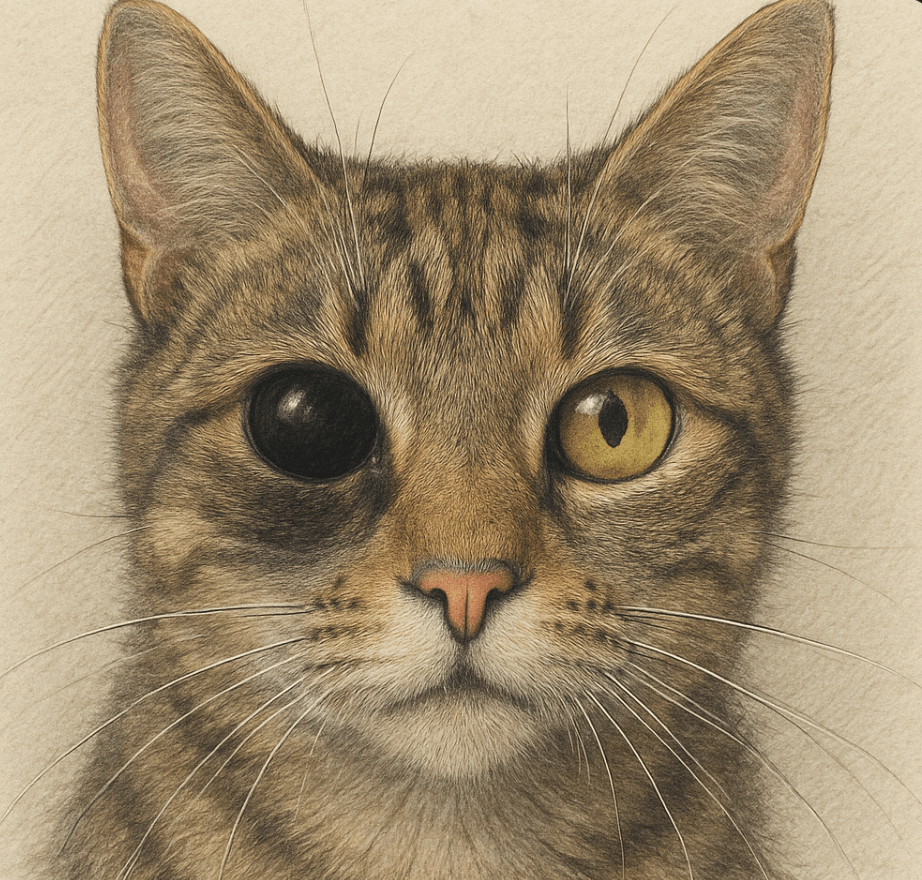

Why Did My Cats Eye Turn Black? Best 7 Expert Tips!

Why Did My Cats Eye Turn Black? Best 7 Expert Tips!

Why Did My Cats Eye Turn Black?


A cat’s eyes are one of their most captivating features, often reflecting their health and emotions. But what happens when you notice your cat’s eye turning black? This alarming change can leave pet owners worried and unsure of what to do next. While it may not always indicate a serious issue, a sudden or gradual darkening of the eye could signal anything from a harmless pigment change to a more concerning medical condition. Understanding the possible causes, symptoms, and treatment options is essential for ensuring your feline friend’s well-being. Let’s explore this topic in detail to help you identify when to relax and when to seek veterinary care.


Common Causes of a Cat’s Eye Turning Black


There are several reasons why a cat’s eye might appear darker than usual. Identifying the underlying cause is crucial for determining whether the change is harmless or requires immediate attention.

 
  • Pigment Changes (Melanosis):
    Melanosis is a benign condition where increased pigmentation occurs in the iris, causing parts of the eye to darken over time.

  • Cataracts:
    Cataracts can cloud the lens of the eye, making it appear darker or opaque. This condition often affects older cats but can occur at any age.

  • Corneal Ulcers:
    A corneal ulcer may lead to discoloration as the eye heals, sometimes appearing as a dark spot on the surface of the eye.

  • Eye Infections:
    Severe infections can cause inflammation or discharge that makes the eye look darker or discolored.

  • Trauma or Injury:
    A scratch, puncture, or other injury to the eye can result in blood pooling or scarring, leading to a blackened appearance.


Understanding these potential causes helps you assess the situation and decide whether professional intervention is necessary.

Signs That Your Cat’s Eye Needs Veterinary Attention


While some changes in eye color are harmless, others require prompt veterinary care. Here are signs that indicate your cat’s eye issue may be serious.

 
  • Excessive Tearing or Discharge:
    Watery eyes or unusual discharge, such as pus or blood, can signal an infection or injury.

  • Squinting or Keeping the Eye Closed:
    If your cat frequently squints or avoids opening the affected eye, it could indicate pain or discomfort.

  • Cloudiness or Opacity:
    A cloudy or milky appearance in the eye may suggest cataracts, glaucoma, or another underlying condition.

  • Redness or Swelling:
    Inflammation around the eye or redness in the whites of the eye is a sign of irritation or infection.

  • Behavioral Changes:
    If your cat seems unusually lethargic, avoids light, or shows signs of vision problems, it’s time to consult a vet.


Recognizing these warning signs early ensures your cat receives timely treatment and prevents further complications.

Why Did My Cats Eye Turn Black? Best 7 Expert Tips!
Harmless Causes of Darkened Eyes
Serious Conditions Requiring Vet Care
Natural pigment changes (melanosis)
Cataracts affecting vision
Aging-related discoloration
Corneal ulcers or abrasions
Temporary bruising from mild trauma
Glaucoma causing pressure buildup
Reflection of lighting conditions
Retinal detachment
Normal variation in eye color
Severe infections or abscesses

How to Care for Your Cat’s Eye Health


Preventive care plays a vital role in maintaining your cat’s eye health and catching potential issues early. These tips can help you keep your feline’s eyes bright and healthy.

 
  • Regular Eye Inspections:
    Check your cat’s eyes weekly for signs of redness, swelling, discharge, or changes in color.

  • Keep Their Environment Clean:
    Dust, dirt, and allergens can irritate your cat’s eyes. Regularly clean their living space to minimize risks.

  • Monitor Playtime and Interactions:
    Ensure toys and interactions don’t pose a risk of injury to your cat’s eyes, especially during rough play.

  • Provide a Balanced Diet:
    Nutrient-rich foods support overall eye health, including vitamins A, C, and E, which are essential for vision.

  • Schedule Routine Vet Visits:
    Annual check-ups allow your vet to monitor your cat’s eye health and address concerns before they escalate.


By incorporating these practices into your routine, you can help prevent many common eye issues and ensure your cat’s long-term well-being.

Treatment Options for a Cat’s Darkened Eye


If your cat’s eye has turned black due to a medical condition, various treatments are available depending on the diagnosis. Here’s an overview of potential interventions.

 
  • Antibiotics for Infections:
    Bacterial or fungal infections may require topical or oral antibiotics to clear up the issue.

  • Surgery for Trauma or Ulcers:
    Severe injuries or ulcers may necessitate surgical repair to restore the eye’s function and appearance.

  • Medication for Glaucoma:
    Prescription eye drops or oral medications can reduce intraocular pressure caused by glaucoma.

  • Removal of Damaged Tissue:
    In cases of extensive damage, veterinarians may remove affected tissue to prevent further complications.

  • Monitoring Benign Conditions:
    For harmless pigment changes, regular monitoring by a vet ensures no progression to more serious conditions.


Understanding these treatment options empowers you to make informed decisions about your cat’s care.


Preventing Eye Injuries in Cats

Preventing eye injuries is just as important as treating them. Taking proactive steps reduces the likelihood of accidents and keeps your cat’s eyes safe.

 
  • Supervise Outdoor Time:
    Outdoor cats face higher risks of eye injuries from fights, debris, or accidents. Supervise their activities or consider indoor alternatives.

  • Use Protective Gear for Travel:
    When transporting your cat, use secure carriers to shield their eyes from dust, wind, or objects.

  • Trim Their Nails Regularly:
    Sharp claws can accidentally scratch sensitive areas, including the eyes, during grooming or play.

  • Avoid Harsh Chemicals:
    Cleaning products or sprays near your cat can irritate their eyes. Opt for pet-safe cleaning solutions.

  • Provide Safe Toys:
    Choose toys without sharp edges or small parts that could harm your cat’s eyes during play.


By implementing these precautions, you can significantly reduce the risk of eye injuries in your cat.

Understanding Feline Eye Anatomy

Learning about your cat’s eye anatomy helps you better understand potential issues and how they affect vision.

 
  • The Iris Controls Light Entry:
    The colored part of the eye regulates how much light enters, adjusting based on brightness levels.

  • The Lens Focuses Images:
    Located behind the iris, the lens focuses light onto the retina, enabling clear vision.

  • The Retina Processes Visual Information:
    The retina contains photoreceptor cells that send signals to the brain, allowing your cat to interpret what they see.

  • The Cornea Protects the Eye:
    This transparent outer layer shields the eye while allowing light to pass through.

  • Tear Production Keeps Eyes Moist:
    Tears lubricate the eye, removing debris and preventing dryness or irritation.


Understanding these components highlights the complexity of feline eyes and underscores the importance of proper care.

Home Remedies vs. Professional Treatment

While some minor eye issues can be managed at home, others require professional veterinary care. Knowing the difference is critical for your cat’s health.

 
  • Saline Solution for Minor Irritation:
    A sterile saline solution can rinse away dust or debris, providing temporary relief for mild irritation.

  • Warm Compresses for Swelling:
    Applying a warm compress can reduce swelling and discomfort caused by minor injuries.

  • When to Skip Home Remedies:
    Never attempt to treat deep wounds, persistent discoloration, or severe symptoms without consulting a vet.

  • Avoid Over-the-Counter Medications:
    Human eye drops or creams can harm cats and should only be used under veterinary guidance.

  • Seek Immediate Help for Sudden Changes:
    Rapid or dramatic changes in eye appearance warrant urgent veterinary attention to rule out serious conditions.


Balancing home care with professional treatment ensures your cat receives the best possible care for their eye health.

Frequently Asked Questions About Cats’ Eyes Turning Black

 
Is it normal for a cat’s eye to change color over time?

Yes, minor changes in eye color due to aging or pigment shifts are usually normal, but sudden or extreme changes should be evaluated.

Stress itself doesn’t directly change eye color, but it can exacerbate existing conditions that affect the eyes.

Schedule an appointment with your vet as soon as possible to rule out serious conditions like glaucoma or retinal detachment.

Yes, flat-faced breeds like Persians are more susceptible to eye problems due to their facial structure.

Costs vary depending on the condition and treatment, ranging from affordable medications to expensive surgeries.

Prioritizing Your Cat’s Eye Health


A cat’s eye turning black can range from a harmless natural occurrence to a symptom of a serious medical issue. By staying vigilant, recognizing warning signs, and seeking professional advice when needed, you can ensure your furry companion enjoys optimal eye health. Remember, early detection and treatment are key to preventing complications and preserving your cat’s quality of life. With love, care, and proactive measures, you can keep those mesmerizing eyes shining brightly for years to come.

Is Rawhide Bad for Cats? Best 7 Expert Tips!

Is Rawhide Bad for Cats? Best 7 Expert Tips! – Discover the risks, safe alternatives, and expert advice to keep your feline friend healthy and happy.

Is Rawhide Bad for Dogs? Best 7 Expert Tips!

Is Rawhide Bad for Dogs? Best 7 Expert Tips! – Discover the risks, benefits, and safer alternatives to rawhides for your dog’s chewing needs.

Understanding Anorexia in Cats: Best 7 Expert Tips!

Understanding Anorexia in Cats: Best 7 Expert Tips! – Learn why cats stop eating, spot warning signs, and discover how to help your feline regain appetite safely.

Understanding Anorexia in Dogs: Best 7 Expert Tips!

Understanding Anorexia in Dogs: Best 7 Expert Tips! – Learn causes, symptoms, and solutions to help your dog regain appetite and stay healthy.

Leave a Reply

Your email address will not be published. Required fields are marked *