
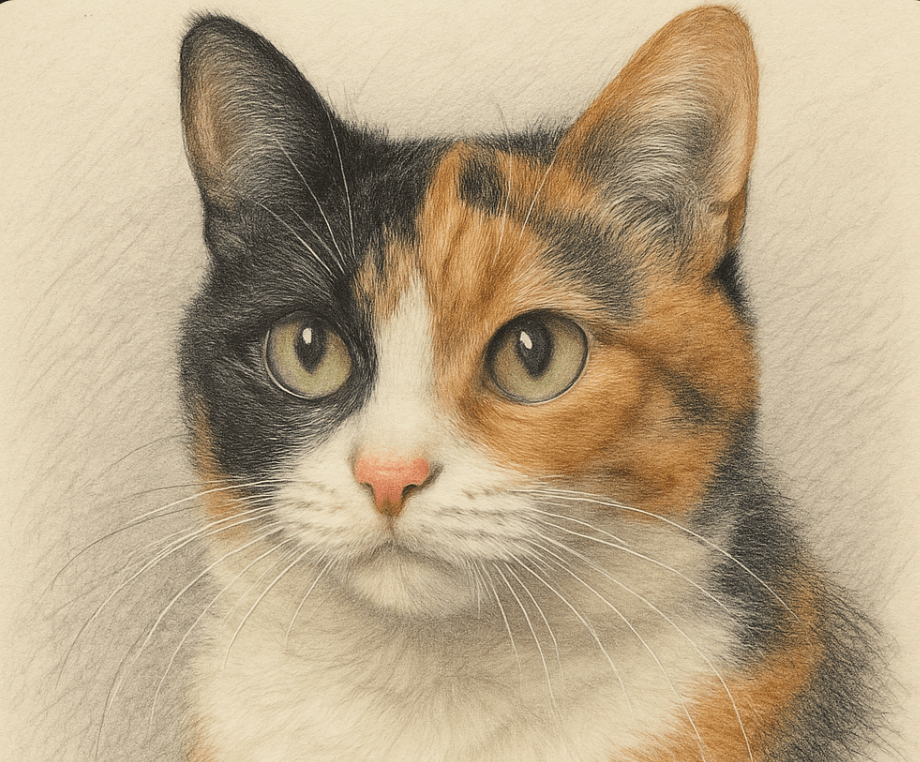

Are Calico Cats Hypoallergenic?
Calico cats, with their striking tri-colored coats and unique personalities, are beloved by many cat enthusiasts. However, for those who suffer from pet allergies, the question often arises: Are calico cats hypoallergenic? While no cat breed is completely allergen-free, some cats may produce fewer allergens than others, making them more suitable for allergy sufferers. Understanding what makes a cat hypoallergenic—or not—can help you determine if a calico cat might be the right companion for your home. Let’s explore the science behind cat allergies, the characteristics of calico cats, and practical tips for managing allergies while enjoying the company of these charming felines.
What Makes a Cat Hypoallergenic?
The term “hypoallergenic” refers to animals that are less likely to trigger allergic reactions in humans. While calico cats are not inherently hypoallergenic, certain factors can influence how allergenic a cat may be. Here’s what you need to know about the science of cat allergies.
Allergens Come from Proteins:
The primary allergen responsible for cat allergies is Fel d 1, a protein found in a cat’s saliva, skin, and fur. This protein spreads when cats groom themselves.Breed-Specific Variations:
Some cat breeds produce lower levels of Fel d 1, making them better suited for allergy sufferers. However, coat color or pattern (like calico) doesn’t directly affect allergen production.Shedding Levels Matter:
Cats that shed less tend to spread fewer allergens. While calico cats aren’t a specific breed, their shedding depends on their underlying genetics.Gender Differences:
Male cats, especially unneutered ones, often produce more allergens than females. Neutering can reduce allergen levels in some cases.Environmental Factors:
Allergen exposure can be minimized through regular cleaning, air purifiers, and grooming practices. These measures can make living with any cat, including calicos, more manageable for allergy sufferers.
Understanding these factors helps clarify why calico cats aren’t inherently hypoallergenic but can still be compatible with allergy-friendly homes under the right conditions.
Characteristics of Calico Cats
Calico cats are known for their distinctive tri-colored coats, which typically include white, orange, and black (or their diluted versions). Their unique appearance and independent nature make them stand out, but do these traits affect their allergenicity?
Genetic Basis of the Calico Pattern:
The calico pattern is linked to the X chromosome, which is why most calico cats are female. Male calico cats are extremely rare and usually sterile.No Direct Link to Allergies:
The calico pattern itself doesn’t influence allergen production. Allergenicity is determined by other genetic and biological factors.Personality Traits:
Calico cats are often described as sassy, independent, and affectionate. While personality doesn’t affect allergens, it can impact how much time they spend grooming.Variety in Coat Length:
Calico cats can have short, medium, or long fur, which influences shedding levels. Short-haired calicos may spread fewer allergens compared to long-haired ones.Unique Individuality:
Each calico cat is one-of-a-kind due to the random distribution of colors in their coat. This uniqueness extends to their behavior and care needs.
While calico cats aren’t hypoallergenic, their individual traits can influence how well they fit into an allergy-conscious household.
Check this guide 👉Calico Cat Health Problems: Best 7 Expert Tips!
Check this guide 👉Calico Cat Lifespan: Best 7 Expert Tips!
Check this guide 👉Calico Cat Personality: Best 7 Expert Tips!
Factors That Influence Allergenicity | Tips for Managing Cat Allergies |
|---|---|
Amount of Fel d 1 protein produced | Use HEPA air purifiers to reduce allergens |
Shedding levels | Bathe your cat regularly to minimize dander |
Gender of the cat | Neuter your cat to potentially lower allergens |
Coat length | Vacuum frequently with a pet-specific vacuum |
Environmental cleanliness | Wash bedding and fabrics in hot water weekly |
Practical Tips for Living with a Calico Cat and Allergies
If you’re considering adopting a calico cat despite allergies, there are several strategies you can implement to create a harmonious living environment.
Choose a Low-Shedding Cat:
If possible, select a calico cat with shorter fur, as they tend to shed less and spread fewer allergens.Bathe Your Cat Regularly:
Grooming your cat with hypoallergenic shampoos can reduce dander and allergens on their coat.Designate Allergy-Free Zones:
Keep certain areas of your home, like your bedroom, off-limits to your cat to minimize allergen exposure.Invest in Air Purifiers:
High-efficiency particulate air (HEPA) purifiers can trap allergens and improve indoor air quality.Clean Frequently:
Regularly dust, vacuum, and wash fabrics to remove allergens from surfaces and upholstery.
By combining these strategies, you can significantly reduce allergen exposure and enjoy life with your calico companion.
Common Misconceptions About Calico Cats and Allergies
There are several myths surrounding calico cats and their hypoallergenic qualities. Clearing up these misconceptions can help you make informed decisions about pet ownership.
Myth: Calico Cats Are Naturally Hypoallergenic:
Reality: Coat color or pattern has no direct impact on allergen production.Myth: Female Cats Are Less Allergenic Than Males:
Reality: While male cats may produce more allergens, this isn’t universally true for all individuals.Myth: Long-Haired Cats Are Worse for Allergies:
Reality: Long-haired cats may trap allergens closer to their body, but shedding levels vary widely.Myth: Bathing Completely Eliminates Allergens:
Reality: Bathing reduces allergens temporarily, but regular grooming is necessary for sustained results.Myth: You Can’t Live with Cats If You Have Allergies:
Reality: With proper management, many allergy sufferers can successfully coexist with cats, including calicos.
Understanding these truths empowers you to make realistic choices about bringing a calico cat into your home.
Benefits of Owning a Calico Cat
Calico cats offer unique benefits that go beyond their stunning appearance. Here’s why they make wonderful companions despite potential allergy concerns.
Distinctive Personality Traits:
Known for their bold and independent nature, calico cats keep life interesting with their playful antics.Conversation Starters:
Their eye-catching coats make calico cats a favorite topic of conversation among visitors and friends.Emotional Support:
Many calico owners report forming deep emotional bonds with their cats, who often show affectionate tendencies.Low Maintenance Care:
Depending on their coat length, calico cats require minimal grooming, making them relatively easy to care for.Symbolic Significance:
In some cultures, calico cats are considered good luck charms, adding a touch of mystique to their charm.
Owning a calico cat brings countless joys that extend far beyond their physical appearance.
Breeds with Calico Patterns
Several cat breeds can exhibit the calico pattern, each with its own unique characteristics. Here’s a look at some popular breeds.
Domestic Shorthair:
The most common breed to display the calico pattern, known for its adaptability and friendly demeanor.Maine Coon:
A large, gentle breed with a thick coat that can feature the calico pattern in stunning detail.Persian:
Known for their luxurious fur, Persian cats with calico patterns exude elegance and grace.Japanese Bobtail:
Famous for their short, stubby tails, these calico-patterned cats are playful and energetic.Manx:
A tailless breed that sometimes displays the calico pattern, prized for its loyalty and intelligence.
Exploring these breeds highlights the diversity within calico-patterned cats.
Fun Facts About Calico Cats
Calico cats are steeped in history and folklore, making them fascinating subjects of study. Here are some intriguing facts about these captivating creatures.
Symbol of Good Luck:
In Japan, calico cats are believed to bring prosperity and happiness, inspiring the famous Maneki-neko figurine.Rare Male Calicos:
Only 1 in 3,000 calico cats is male, making them incredibly rare and valuable.Cultural Legends:
Sailors once considered calico cats lucky talismans, believing they could protect ships from danger.Unique Genetic Makeup:
The calico pattern arises from a complex interplay of genes, making each cat truly one-of-a-kind.Inspiration for Art:
Calico cats have inspired countless works of art, literature, and folklore worldwide.
These fun facts celebrate the rich heritage and allure of calico cats, making them even more special.
Frequently Asked Questions About Calico Cats and Allergies
Are calico cats hypoallergenic?
No, calico cats are not inherently hypoallergenic, as their allergenicity depends on factors like genetics and shedding levels.
Can I reduce my cat’s allergens?
Yes, regular grooming, neutering, and environmental cleaning can help minimize allergens.
Do calico cats shed a lot?
It depends on their coat length and genetics. Short-haired calicos shed less than long-haired ones.
What should I do if I’m allergic to cats?
Consider consulting an allergist, using air purifiers, and implementing strict cleaning routines to manage symptoms.
Are male calico cats different from females?
Male calico cats are rare and usually sterile, but their allergenicity is similar to that of females.
Finding Harmony with a Calico Cat Despite Allergies
While calico cats aren’t hypoallergenic, they can still bring joy and companionship to households with allergy sufferers. By understanding the factors that contribute to allergenicity and implementing practical solutions, you can create a balanced environment where both you and your calico cat thrive. Remember, every cat is unique, and with patience and care, you can build a loving relationship that accommodates your needs. Whether you choose a calico or another feline friend, the rewards of pet ownership often outweigh the challenges, making the journey worthwhile.
Is Rawhide Bad for Cats? Best 7 Expert Tips! – Discover the risks, safe alternatives, and expert advice to keep your feline friend healthy and happy.

Is Rawhide Bad for Dogs? Best 7 Expert Tips! – Discover the risks, benefits, and safer alternatives to rawhides for your dog’s chewing needs.

Understanding Anorexia in Cats: Best 7 Expert Tips! – Learn why cats stop eating, spot warning signs, and discover how to help your feline regain appetite safely.

Understanding Anorexia in Dogs: Best 7 Expert Tips! – Learn causes, symptoms, and solutions to help your dog regain appetite and stay healthy.