

How to Train Sled Dogs: Unlocking the Secrets of These Remarkable Athletes
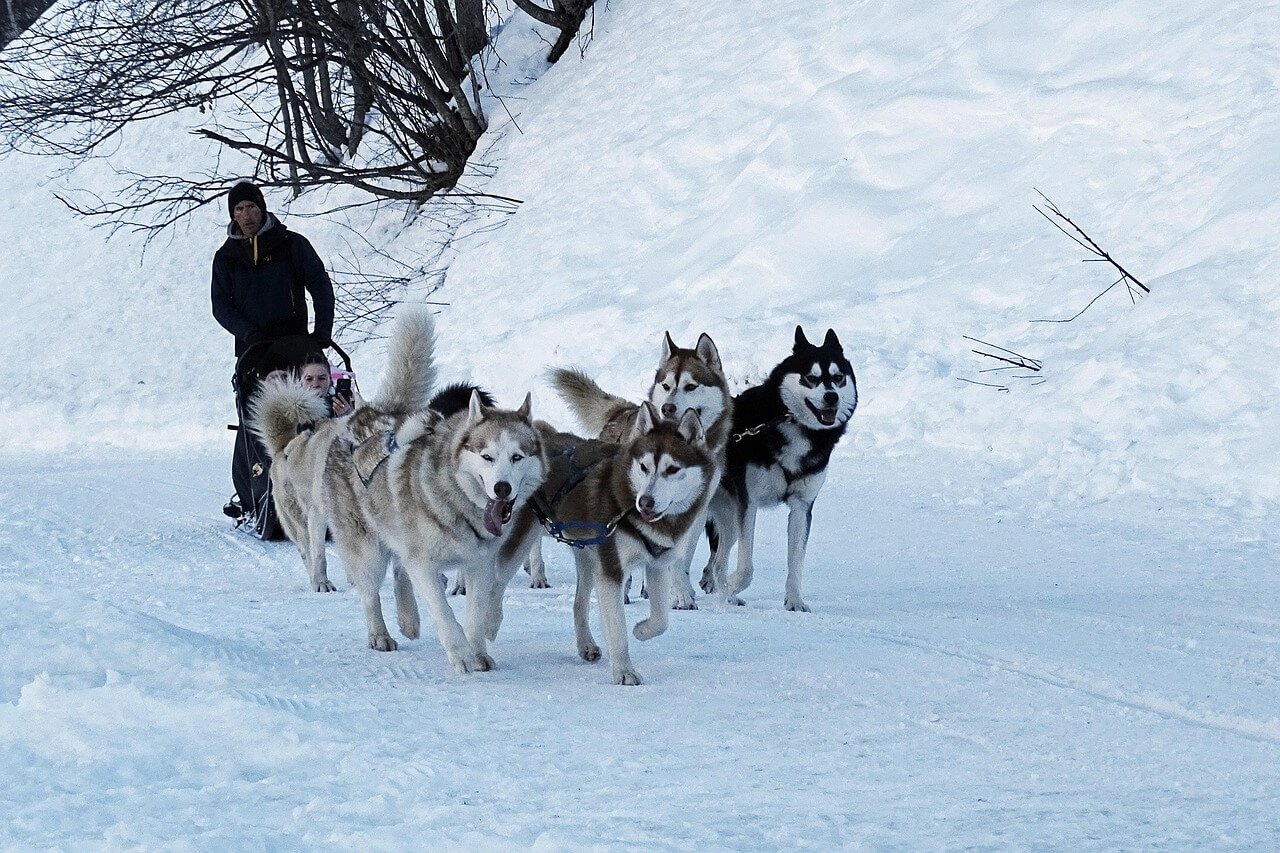
Sled dogs have long been celebrated for their strength, endurance, and teamwork. From the icy trails of Alaska to competitive races like the Iditarod, these incredible animals showcase what it means to work together toward a common goal. But how do you train sled dogs to perform at their best? Whether you’re a beginner or an experienced musher, understanding the fundamentals of sled dog training is essential for building a strong, cohesive team. In this blog post, we’ll explore expert tips and techniques to help you train your sled dogs effectively while fostering a bond that goes beyond the trail. Get ready to harness the power of these remarkable athletes!
The Foundation of Sled Dog Training: Building Trust and Basics
Before hitting the trails, it’s crucial to establish trust and teach your sled dogs the foundational skills they’ll need for success. This early stage of training sets the tone for everything that follows. Here are some key steps to get started.
Start with Socialization:
Expose your dogs to different environments, people, and animals to build confidence and reduce fear or aggression.Teach Basic Commands:
Begin with simple commands like “hike” (start running), “whoa” (stop), and “gee” (turn right) to ensure clear communication on the trail.Introduce the Harness:
Allow your dogs to get comfortable wearing a harness by letting them wear it during playtime or short walks.Practice Pulling Light Loads:
Attach a lightweight object to the harness to introduce the concept of pulling without overwhelming them.Reward Positive Behavior:
Use treats, praise, or playtime to reinforce good behavior and encourage enthusiasm for training.
By focusing on these foundational elements, you’ll create a solid base for more advanced training. Remember, patience and consistency are key when working with sled dogs.
Training Techniques for Endurance and Teamwork
Once your sled dogs have mastered the basics, it’s time to focus on building endurance and teaching them to work as a cohesive team. These skills are critical for long-distance sledding and maintaining harmony on the trail.
Gradual Distance Increases:
Start with short runs and gradually increase the distance to build stamina without risking injury or exhaustion.Team Formation Drills:
Practice lining up your dogs in their proper positions (lead, swing, team, and wheel) to familiarize them with their roles.Simulate Real Trail Conditions:
Incorporate varied terrains and weather conditions into training sessions to prepare your dogs for real-world challenges.Encourage Communication Between Dogs:
Teach your dogs to listen to each other, especially the lead dog, to maintain coordination during runs.Monitor Energy Levels:
Pay close attention to each dog’s energy and adjust training intensity accordingly to prevent burnout.
With these techniques, your sled dogs will develop the physical and mental resilience needed for successful sledding. A well-trained team is not just fast—it’s harmonious and reliable.
Check this guide 👉Emotional Support Dog Training: Best 7 Expert Tips!
Check this guide 👉Dog Training Hand Signals: Best 7 Expert Tips!
Check this guide 👉Embracing Force Free Dog Training: Best 7 Expert Tips!
Key Training Phases | Purpose of Each Phase |
|---|---|
Socialization | Builds confidence and reduces anxiety |
Basic Command Training | Ensures clear communication on the trail |
Harness Familiarization | Prepares dogs for pulling tasks |
Endurance Building | Develops stamina for long-distance runs |
Team Coordination Exercises | Promotes unity and efficiency in teams |
Nutrition and Care: Supporting Your Sled Dogs’ Performance
Proper nutrition and care are vital components of sled dog training. These high-energy athletes require a balanced diet and attentive healthcare to perform at their peak. Here’s how to keep your dogs healthy and energized.
High-Protein Diet:
Feed your sled dogs a diet rich in protein to support muscle development and recovery after intense workouts.Hydration is Key:
Ensure constant access to fresh water, especially during and after training sessions, to prevent dehydration.Supplement Wisely:
Consider adding supplements like omega-3 fatty acids or joint support formulas to promote overall health.Regular Vet Check-Ups:
Schedule routine veterinary visits to monitor your dogs’ health and address any potential issues early.Rest and Recovery Days:
Allow your dogs adequate rest between training sessions to prevent fatigue and overuse injuries.
By prioritizing nutrition and care, you’ll give your sled dogs the fuel and support they need to thrive. Healthy dogs are happy dogs—and happy dogs make excellent teammates.
Common Challenges in Sled Dog Training and How to Overcome Them
Training sled dogs isn’t always smooth sailing. Like any endeavor involving animals, there are challenges to navigate. Here’s how to address some common obstacles you might encounter.
Lack of Focus:
Use short, engaging training sessions to maintain your dogs’ attention and gradually extend the duration as they improve.Reluctance to Pull:
Reinforce pulling behaviors with rewards and ensure the load is light enough to avoid discouragement.Conflict Within the Team:
Address conflicts immediately by reinforcing positive interactions and separating aggressive dogs if necessary.Fatigue During Runs:
Adjust the intensity of your training program and ensure your dogs are receiving adequate nutrition and rest.Weather Sensitivity:
Gradually acclimate your dogs to extreme temperatures to reduce stress and improve performance in challenging conditions.
By anticipating and addressing these challenges, you’ll create a smoother training experience for both you and your dogs. Every hurdle is an opportunity to grow stronger together.
Mental Stimulation for Sled Dogs
While physical training is crucial, mental stimulation plays an equally important role in keeping sled dogs sharp and motivated. Engaging their minds helps prevent boredom and enhances their problem-solving abilities. Here’s how to incorporate mental exercises into your routine.
Puzzle Toys:
Provide interactive toys that challenge your dogs to think and solve problems for rewards.Obedience Games:
Turn command practice into fun games, such as hide-and-seek or fetch, to keep training enjoyable.Trail Variations:
Change up routes frequently to keep your dogs mentally engaged and excited about new challenges.Obstacle Courses:
Set up simple agility courses to test their coordination and decision-making skills.Group Activities:
Organize playdates or group training sessions to stimulate social interaction and learning.
Mental stimulation ensures your sled dogs remain sharp and enthusiastic, making them better prepared for the demands of sledding. A stimulated mind leads to a motivated athlete.
Seasonal Adjustments for Sled Dog Training
Sled dog training requires adaptability to changing seasons, as weather and environmental conditions significantly impact performance. Making seasonal adjustments ensures your dogs stay safe and effective year-round. Here’s how to adapt your training plan.
Winter Training:
Focus on snow-specific skills, such as navigating icy paths and conserving energy in cold temperatures.Spring Transition:
Shift to lighter workouts and cross-training activities like swimming to maintain fitness without overexertion.Summer Conditioning:
Train during cooler parts of the day and use wheeled carts instead of sleds to avoid heat-related stress.Fall Preparation:
Gradually reintroduce heavier loads and longer runs to prepare for winter sledding.Year-Round Monitoring:
Keep a close eye on your dogs’ health and adjust routines based on seasonal changes in appetite, energy, and coat condition.
Seasonal adjustments ensure your sled dogs remain in top form regardless of the time of year. Flexibility is key to long-term success.
Celebrating Milestones in Sled Dog Training
Celebrating milestones is an excellent way to acknowledge progress and boost morale for both you and your sled dogs. Recognizing achievements reinforces positive behavior and strengthens your bond. Here’s how to celebrate effectively.
Mark Completion of Goals:
Celebrate when your dogs master specific skills, such as completing their first full-length run or learning all commands.Host Fun Events:
Organize informal races or obstacle course challenges with fellow mushers to create a sense of accomplishment.Document Progress:
Take photos or videos of your dogs’ achievements to reflect on their growth and share with others.Reward with Special Treats:
Offer favorite snacks or toys as rewards for reaching significant milestones.Reflect on Growth:
Spend time reflecting on how far your team has come, appreciating the hard work and dedication behind every achievement.
Celebrating milestones keeps motivation high and reminds you why you embarked on this incredible journey with your sled dogs. Every step forward is worth celebrating!
Frequently Asked Questions About Sled Dog Training
How long does it take to train sled dogs?
The timeline varies depending on the dog, but most sled dogs are ready for basic sledding within 6-12 months of consistent training.
Can any breed be trained as a sled dog?
While traditionally northern breeds like Huskies and Malamutes excel, any energetic, intelligent breed can potentially be trained.
What age should I start training sled dogs?
Begin socialization and basic training as puppies, but avoid strenuous activities until they’re physically mature (around 12-18 months).
How many miles can sled dogs run per day?
Trained sled dogs can cover 20-100 miles daily, depending on factors like weather, terrain, and individual fitness levels.
Do sled dogs enjoy running?
Yes, most sled dogs love running and working as part of a team—it’s instinctual and fulfilling for them.
The Joy of Sledding: Strengthening Bonds Through Training
Training sled dogs is a rewarding journey that combines discipline, teamwork, and mutual respect. As you guide your dogs through each phase of training, you’ll witness their transformation from eager learners to skilled athletes capable of conquering even the toughest trails. Beyond the physical aspects, this process fosters a deep bond between you and your dogs, built on trust and shared experiences. Whether you’re preparing for a race or simply enjoying the thrill of sledding, remember that the true magic lies in the partnership you create. So grab your gear, harness your team, and embark on an adventure that celebrates the incredible spirit of sled dogs.
Is Rawhide Bad for Cats? Best 7 Expert Tips! – Discover the risks, safe alternatives, and expert advice to keep your feline friend healthy and happy.

Is Rawhide Bad for Dogs? Best 7 Expert Tips! – Discover the risks, benefits, and safer alternatives to rawhides for your dog’s chewing needs.

Understanding Anorexia in Cats: Best 7 Expert Tips! – Learn why cats stop eating, spot warning signs, and discover how to help your feline regain appetite safely.

Understanding Anorexia in Dogs: Best 7 Expert Tips! – Learn causes, symptoms, and solutions to help your dog regain appetite and stay healthy.