

Dog Carrying Puppy by Scruff: What It Means and Why It Happens
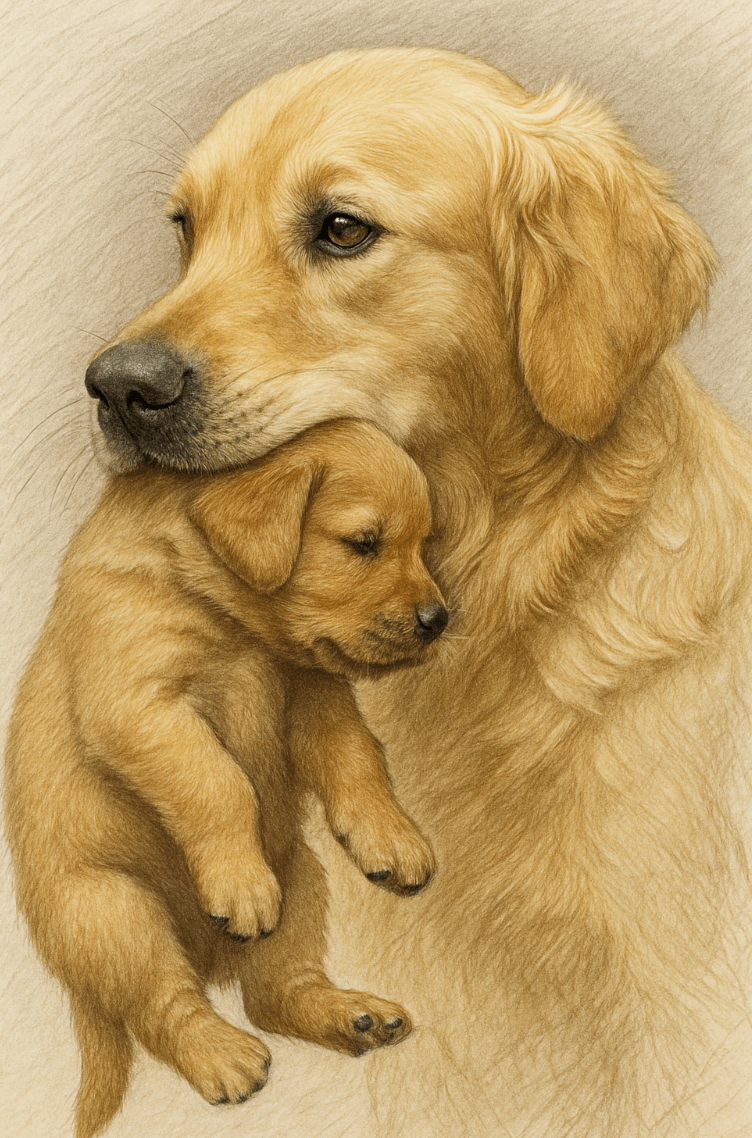
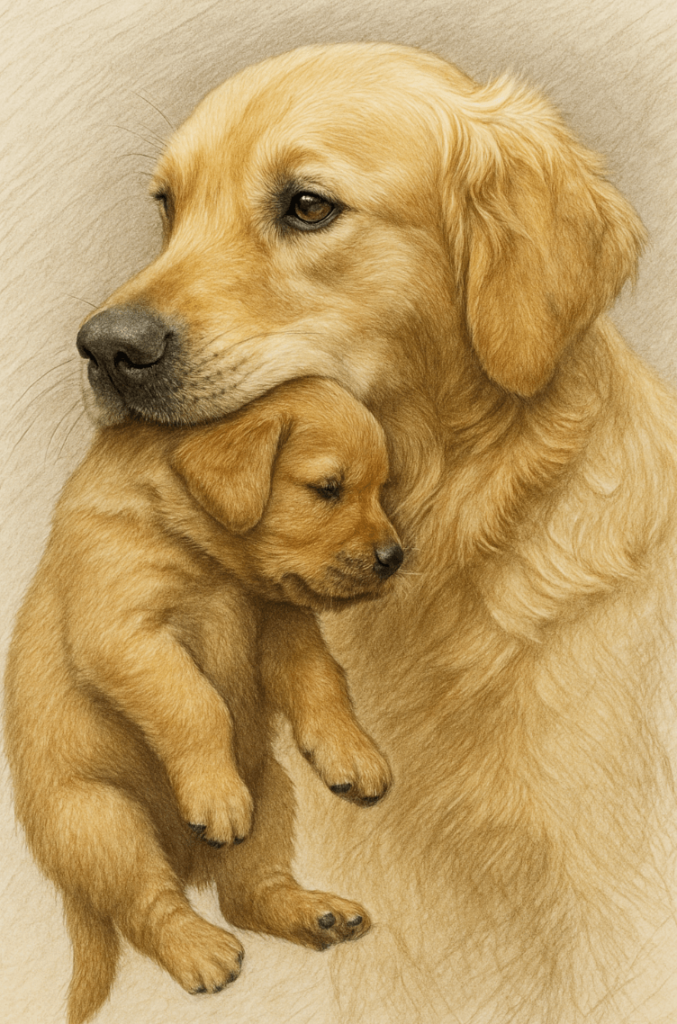
Have you ever witnessed a dog carrying a puppy by the scruff of its neck and wondered why this behavior occurs? This fascinating act is often seen in mother dogs, but it can also be observed in other dogs under certain circumstances. Whether it’s an instinctual maternal behavior or a response to a specific situation, understanding the reasons behind this action can provide valuable insights into canine instincts and social dynamics.
In this blog post, we’ll explore the meaning behind a dog carrying a puppy by the scruff, how it relates to their natural instincts, and what it signifies about their bond. By the end, you’ll have a clearer understanding of this behavior and whether it’s something to be concerned about.
Reasons Why Dogs Carry Puppies by the Scruff
The act of a dog carrying a puppy by the scruff is deeply rooted in instinct and serves several practical purposes. Here are some common reasons why this behavior occurs:
Maternal Instinct: Mother dogs naturally carry their puppies by the scruff to move them safely from one location to another.
Discipline and Correction: Some mother dogs use this method to gently correct misbehaving or overly energetic puppies.
Protection: Carrying a puppy by the scruff can be a way to protect it from perceived threats or dangers.
Bonding and Comfort: The act of carrying reinforces the bond between the mother and her puppies, providing a sense of security.
Transportation: When puppies are too young to walk long distances, carrying them by the scruff ensures they stay close and safe.
This behavior is typically harmless and instinctual, especially when performed by a mother dog. However, if another dog exhibits this behavior toward a puppy, it’s important to monitor the situation closely to ensure the puppy’s safety.
How to Respond When You See a Dog Carrying a Puppy by the Scruff
If you notice a dog carrying a puppy by the scruff, your response will depend on the context and the relationship between the two animals. Here are some guidelines to help you decide how to handle the situation:
Observe First: Watch the interaction to determine if the behavior appears gentle and purposeful or aggressive and harmful.
Avoid Interrupting Maternal Behavior: If the mother dog is carrying her puppy, it’s best not to interfere unless there’s clear evidence of harm.
Separate If Necessary: If another dog is carrying a puppy and seems rough or overly dominant, gently separate them to prevent injury.
Provide Safe Spaces: Ensure the puppies have designated areas where they can retreat if they feel threatened or overwhelmed.
Consult a Professional: If you’re unsure whether the behavior is normal or concerning, seek advice from a veterinarian or animal behaviorist.
By responding appropriately, you can ensure the well-being of both the dog and the puppy while respecting natural instincts. Always prioritize safety and supervision.
Check this guide 👉Can I Feed My Adult Dog Puppy Food? Best 7 Health Tips!
Check this guide 👉Puppy Biting Older Dog: Best 7 Behavior Tips!
Check this guide 👉My Puppy Is Bullying My Older Dog: Best 7 Expert Tips!
Behavior Observed | What It Likely Means |
|---|---|
Mother dog carrying puppy gently | Natural maternal instinct to move or comfort the puppy |
Another dog carrying puppy | Could indicate dominance or protective behavior |
Puppy remains calm during carrying | Likely a normal and stress-free interaction |
Puppy squeals or struggles | May signal discomfort or distress—intervene if needed |
Frequent carrying by non-mother | Could indicate confusion or improper socialization |
Key Facts About Scruff-Carrying Behavior
Understanding the mechanics and significance of scruff-carrying behavior can shed light on its role in canine interactions. Here are some important facts to keep in mind:
Natural Reflex in Puppies: Puppies instinctively go limp when picked up by the scruff, making it easier for the mother to carry them safely.
Temporary Behavior: Scruff-carrying is most common during the first few weeks of a puppy’s life and diminishes as they grow older.
Not Limited to Mothers: While mothers are the primary practitioners, other dogs may mimic this behavior due to instinct or curiosity.
Potential for Misinterpretation: Scruff-carrying by a non-mother dog can sometimes be misinterpreted as aggression, though it’s often exploratory.
Human Handling Should Be Gentle: If you need to handle a puppy, avoid picking them up by the scruff—use proper support instead.
These facts highlight the importance of context when observing scruff-carrying behavior. While it’s usually harmless, human intervention should always prioritize the puppy’s comfort and safety.
Common Misconceptions About Dogs Carrying Puppies by the Scruff
There are several misconceptions surrounding the act of a dog carrying a puppy by the scruff. Clearing these up can help you better understand the behavior and respond appropriately. Here’s what you need to know:
Myth: It’s Always Aggressive Behavior.
Reality: Scruff-carrying is typically instinctual and not inherently aggressive unless accompanied by other signs of hostility.Myth: Only Mother Dogs Do This.
Reality: Other dogs, especially those with strong maternal instincts, may also exhibit this behavior.Myth: Puppies Are in Pain When Carried by the Scruff.
Reality: When done gently, scruff-carrying is not painful and is a natural part of canine interactions.Myth: It’s Acceptable for Humans to Mimic This Behavior.
Reality: Humans should avoid picking up puppies by the scruff, as it can cause injury if not done correctly.Myth: Frequent Scruff-Carrying Indicates Neglect.
Reality: Regular scruff-carrying by a mother dog is normal and part of her care routine—it doesn’t necessarily indicate neglect.
By dispelling these myths, you can focus on observing the behavior objectively and responding based on the actual context rather than assumptions.
Benefits of Understanding Scruff-Carrying Behavior
Understanding why dogs carry puppies by the scruff can help you better interpret their actions and ensure a safe environment for both dogs and puppies. Here are some benefits of gaining this knowledge:
Improved Bonding: Recognizing natural behaviors allows you to appreciate the unique dynamics between dogs and their puppies.
Early Detection of Issues: Identifying abnormal or harmful behavior early can prevent injuries or stress for the puppy.
Confidence in Handling: Knowing when to intervene—or not—gives you peace of mind as a pet owner or caregiver.
Support for Mother Dogs: By understanding maternal instincts, you can provide the right environment for a mother dog to care for her litter.
Better Communication with Veterinarians: Being informed helps you discuss concerns more effectively with animal professionals.
By educating yourself about scruff-carrying behavior, you empower yourself to make informed decisions that benefit both adult dogs and puppies. Knowledge is key to fostering a harmonious household.
How to Safely Handle Puppies Without Using the Scruff
While scruff-carrying is natural for dogs, humans should avoid mimicking this behavior due to the risk of injury. Instead, here are safe ways to handle puppies:
Support Their Entire Body: Always cradle the puppy’s body with both hands to distribute weight evenly and prevent strain.
Use a Soft Towel or Blanket: For very young puppies, wrap them in a soft towel to provide stability and comfort during handling.
Avoid Squeezing: Be gentle and avoid applying pressure, as puppies are delicate and prone to injury.
Pick Up Gradually: Approach slowly and allow the puppy to see your hands before lifting them to reduce fear or resistance.
Limit Handling Time: Keep interactions brief to avoid overwhelming or tiring the puppy unnecessarily.
By following these guidelines, you can ensure the safety and comfort of the puppy while minimizing stress. Proper handling strengthens trust between humans and animals.
Signs That a Puppy Feels Safe and Comfortable
A puppy that feels secure and comfortable will exhibit certain behaviors, indicating they are adjusting well to their surroundings. Here are signs to look for:
Relaxed Posture: A calm, loose body position suggests the puppy feels at ease in their environment.
Willingness to Explore: Curiosity and exploration show confidence rather than fear or anxiety.
Quiet and Content: Minimal whining or crying indicates the puppy feels safe and cared for.
Healthy Appetite: Regular eating and drinking reflect emotional stability and overall well-being.
Playful Interactions: Engaging in play with littermates or humans demonstrates a sense of security and fun.
When a puppy shows these signs, it’s clear they feel protected and nurtured. Observing these cues helps you gauge whether interventions like scruff-carrying are having a positive or negative impact on their development. A happy puppy grows into a confident adult dog.
Frequently Asked Questions About Dogs Carrying Puppies by the Scruff
Is it normal for a mother dog to carry her puppies by the scruff?
Yes, it’s a natural maternal behavior used for moving, protecting, or disciplining puppies.
Should I stop another dog from carrying a puppy by the scruff?
If the behavior seems gentle and purposeful, it’s usually fine. However, intervene if the puppy appears distressed or harmed.
Can scruff-carrying hurt a puppy?
When done gently by an experienced dog, it’s unlikely to cause harm. Rough handling, however, can lead to injuries.
Why do puppies go limp when carried by the scruff?
This is a natural reflex that makes it easier for the mother to transport them safely without resistance.
How long does scruff-carrying behavior last?
It’s most common during the first few weeks of a puppy’s life and decreases as they become more independent.
In Conclusion: Understanding the Role of Scruff-Carrying in Canine Behavior
The sight of a dog carrying a puppy by the scruff is a fascinating glimpse into the world of canine instincts and maternal care. Whether performed by a mother dog or another canine companion, this behavior is deeply rooted in nature and serves practical purposes such as protection, discipline, and transportation. By observing the context and understanding the motivations behind this act, you can ensure the well-being of both the dog and the puppy while appreciating the beauty of their bond.
Remember, while scruff-carrying is typically harmless, your role as a responsible pet owner is to monitor and intervene if necessary. With patience and knowledge, you can support healthy interactions and foster a harmonious environment for all your furry friends.
Is Rawhide Bad for Cats? Best 7 Expert Tips! – Discover the risks, safe alternatives, and expert advice to keep your feline friend healthy and happy.

Is Rawhide Bad for Dogs? Best 7 Expert Tips! – Discover the risks, benefits, and safer alternatives to rawhides for your dog’s chewing needs.

Understanding Anorexia in Cats: Best 7 Expert Tips! – Learn why cats stop eating, spot warning signs, and discover how to help your feline regain appetite safely.

Understanding Anorexia in Dogs: Best 7 Expert Tips! – Learn causes, symptoms, and solutions to help your dog regain appetite and stay healthy.