
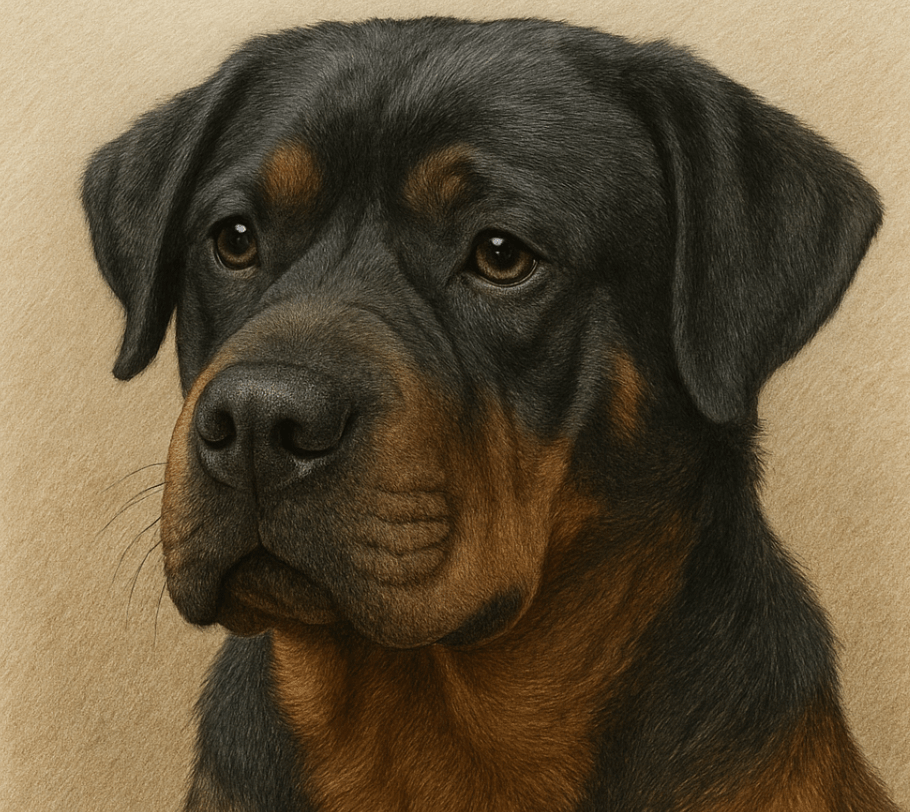

Why Is My Black Dog Turning Brown? Unraveling the Mystery
If you’ve noticed your once jet-black dog’s coat taking on a brownish hue, you’re not alone. Many pet owners experience this puzzling change in their dog’s appearance and wonder what could be causing it. While it’s natural to feel concerned, rest assured that there are several common reasons behind this phenomenon. From environmental factors to grooming habits, understanding why your black dog is turning brown can help you address the issue effectively. In this blog post, we’ll explore the potential causes, offer practical solutions, and provide tips to maintain your dog’s coat health. By the end, you’ll have all the answers you need to keep your furry friend looking their best.
Common Reasons Why Your Black Dog Is Turning Brown
The transformation of a black dog’s coat to a brownish shade can be attributed to a variety of factors. Identifying the root cause is the first step toward resolving the issue. Here are some of the most common reasons:
Sun Exposure: Prolonged time in the sun can cause the black pigment in your dog’s fur to fade, especially in breeds with thinner coats.
Rust Staining from Saliva: Excessive licking or drooling can lead to rust-colored stains, particularly around the mouth and paws.
Environmental Factors: Dirt, mud, and other outdoor elements can temporarily discolor your dog’s coat.
Dietary Deficiencies: A lack of essential nutrients like omega-3 fatty acids can affect the quality and color of your dog’s fur.
Genetic Factors: Some dogs naturally experience changes in coat color as they age due to genetic predispositions.
By pinpointing the specific cause, you can take targeted steps to restore your dog’s coat to its original luster. Addressing these factors early can prevent further discoloration and ensure your dog stays healthy and happy.
How to Prevent and Address Coat Discoloration
Once you understand why your black dog is turning brown, the next step is to take action. Here are some practical tips to prevent and address coat discoloration:
Limit Sun Exposure: Provide shaded areas during outdoor playtime to protect your dog’s coat from UV rays.
Regular Grooming: Brush your dog’s coat frequently to remove dirt and debris, preventing buildup that can cause discoloration.
Use Pet-Safe Cleaning Products: Wash your dog with shampoos designed to enhance black coats and avoid harsh chemicals that may strip natural oils.
Improve Diet: Incorporate foods rich in omega-3 fatty acids, such as fish oil, to promote a shiny and healthy coat.
Address Excessive Licking: Identify and treat underlying issues like allergies or anxiety that may cause excessive licking and rust staining.
With consistent care and attention, you can minimize discoloration and maintain your dog’s beautiful black coat. Prevention is always easier than reversing damage, so start these practices early.
Check this guide 👉How to Fix Rust Colored Fur on Your Dog: Best 7 Expert Tips!
Check this guide 👉How to Get Sap Out of Dog Fur: Best 7 Expert Tips!
Causes of Coat Discoloration | Solutions to Address the Issue |
|---|---|
Sun Exposure | Provide shade and limit outdoor time during peak sunlight hours. |
Rust Staining from Saliva | Clean stained areas regularly and address excessive licking. |
Environmental Dirt | Bathe your dog after muddy outings and brush their coat often. |
Nutritional Deficiencies | Feed a balanced diet with supplements like omega-3 fatty acids. |
Genetic Factors | Accept natural aging changes and focus on overall coat health. |
Signs Your Dog’s Coat Health Needs Attention
A dog’s coat is a reflection of their overall health, and certain signs can indicate that something may be amiss. If your black dog is turning brown, it could be a signal to pay closer attention to their well-being. Here are some warning signs to watch for:
Dry or Brittle Fur: A lackluster, rough coat may indicate dehydration or poor nutrition.
Excessive Shedding: Unusual shedding beyond seasonal changes could point to stress or dietary issues.
Skin Irritation: Redness, itching, or flaky skin often accompanies coat discoloration and requires veterinary attention.
Foul Odor: A bad smell emanating from the coat may suggest infections or poor hygiene.
Patchy Discoloration: Uneven or patchy color changes could indicate an underlying medical condition.
Recognizing these signs early allows you to address potential health concerns before they worsen. Always consult your veterinarian if you notice persistent issues.
Tips for Maintaining a Healthy Black Coat
Keeping your black dog’s coat in top condition requires regular care and attention. Here are some expert tips to ensure your dog’s coat remains vibrant and healthy:
Regular Bathing: Bathe your dog every 4-6 weeks using a gentle, color-enhancing shampoo.
Moisturize Their Skin: Use a leave-in conditioner or coconut oil to keep their skin hydrated and prevent dryness.
Provide Fresh Water: Ensure your dog has access to clean water at all times to stay hydrated and support coat health.
Minimize Stress: Stress can impact your dog’s coat, so create a calm and loving environment for them.
Routine Vet Check-Ups: Schedule regular vet visits to rule out health issues that may affect their coat.
By incorporating these practices into your routine, you can help your black dog maintain a glossy, healthy coat. Consistency is key to long-term results.
Environmental Factors That Affect Coat Color
Your dog’s environment plays a significant role in the condition and color of their coat. External elements can temporarily or permanently alter the appearance of their fur. Here are some common environmental factors to consider:
Mud and Dirt: Frequent exposure to muddy or dusty areas can leave residue on your dog’s coat, causing discoloration.
Hard Water: Minerals in hard water can leave deposits on your dog’s fur, dulling its natural shine and color.
Pollution: Airborne pollutants can settle on your dog’s coat, leading to a buildup that affects its appearance.
Chlorine from Pools: Swimming in chlorinated water can dry out your dog’s skin and cause their coat to fade over time.
Seasonal Changes: Cold weather and reduced sunlight during winter can impact melanin production, affecting coat color.
By minimizing exposure to these environmental stressors, you can help maintain your dog’s coat health and vibrancy. Regular cleaning and protective measures go a long way in preserving their natural beauty.
Grooming Mistakes That Lead to Coat Discoloration
Improper grooming practices can unintentionally contribute to your black dog turning brown. Avoiding these common mistakes ensures your dog’s coat stays healthy and shiny. Here’s what to watch out for:
Over-Bathing: Washing your dog too frequently can strip their coat of natural oils, leaving it dry and prone to discoloration.
Using Harsh Shampoos: Strong or inappropriate shampoos can irritate your dog’s skin and damage their coat’s pigmentation.
Neglecting Brushing: Infrequent brushing allows dirt and debris to accumulate, dulling the coat’s appearance.
Improper Drying: Letting your dog air-dry after a bath can lead to rust stains if water sits on their fur for too long.
Skipping Trimming: Overgrown fur can trap dirt and moisture, making discoloration more likely.
By adopting proper grooming techniques, you can prevent unnecessary damage to your dog’s coat. Consistency and care are key to keeping their fur looking its best.
Nutritional Supplements to Enhance Coat Health
A well-balanced diet is essential for maintaining your dog’s coat, but sometimes supplements can provide an extra boost. Adding these nutrients to your dog’s diet can help restore and enhance their black coat. Here’s what to consider:
Omega-3 Fatty Acids: Found in fish oil, these promote a shiny coat and reduce inflammation in the skin.
Vitamin E: An antioxidant that supports skin health and protects against environmental damage.
Biotin: Also known as Vitamin B7, biotin strengthens hair follicles and prevents excessive shedding.
Zinc: Essential for skin repair and maintaining a healthy coat, zinc deficiency can lead to dullness and discoloration.
Probiotics: These improve digestion and nutrient absorption, ensuring your dog gets the most from their food.
Incorporating these supplements into your dog’s diet can make a noticeable difference in their coat health. Always consult your veterinarian before introducing new supplements to ensure they’re safe and appropriate for your pet.
Frequently Asked Questions About Black Dogs Turning Brown
Why is my black dog’s coat fading?
Fading can result from sun exposure, nutritional deficiencies, or genetic factors.
Can I use human shampoo on my dog?
No, human shampoo can irritate your dog’s skin and strip natural oils, leading to further discoloration.
How often should I bathe my black dog?
Bathing every 4-6 weeks is ideal, but adjust based on their activity level and coat condition.
Will my dog’s coat return to its original color?
In many cases, yes, with proper care and treatment, though some changes may be permanent.
Are certain breeds more prone to coat discoloration?
Yes, breeds with thin or short coats, like Labradors or Dobermans, may be more susceptible to fading.
In Conclusion: Restoring Your Black Dog’s Vibrant Coat
Seeing your black dog turn brown can be concerning, but understanding the causes and solutions empowers you to take action. Whether it’s adjusting their diet, improving grooming habits, or addressing underlying health issues, there are plenty of ways to restore and maintain your dog’s coat. Remember, a healthy coat reflects a healthy dog, so prioritize their overall well-being alongside aesthetic concerns. With patience and care, your furry companion will soon be back to their radiant, black-coated glory. Cherish the bond you share with your pet, and celebrate their unique beauty—no matter the shade!
Is Rawhide Bad for Cats? Best 7 Expert Tips! – Discover the risks, safe alternatives, and expert advice to keep your feline friend healthy and happy.

Is Rawhide Bad for Dogs? Best 7 Expert Tips! – Discover the risks, benefits, and safer alternatives to rawhides for your dog’s chewing needs.

Understanding Anorexia in Cats: Best 7 Expert Tips! – Learn why cats stop eating, spot warning signs, and discover how to help your feline regain appetite safely.

Understanding Anorexia in Dogs: Best 7 Expert Tips! – Learn causes, symptoms, and solutions to help your dog regain appetite and stay healthy.