
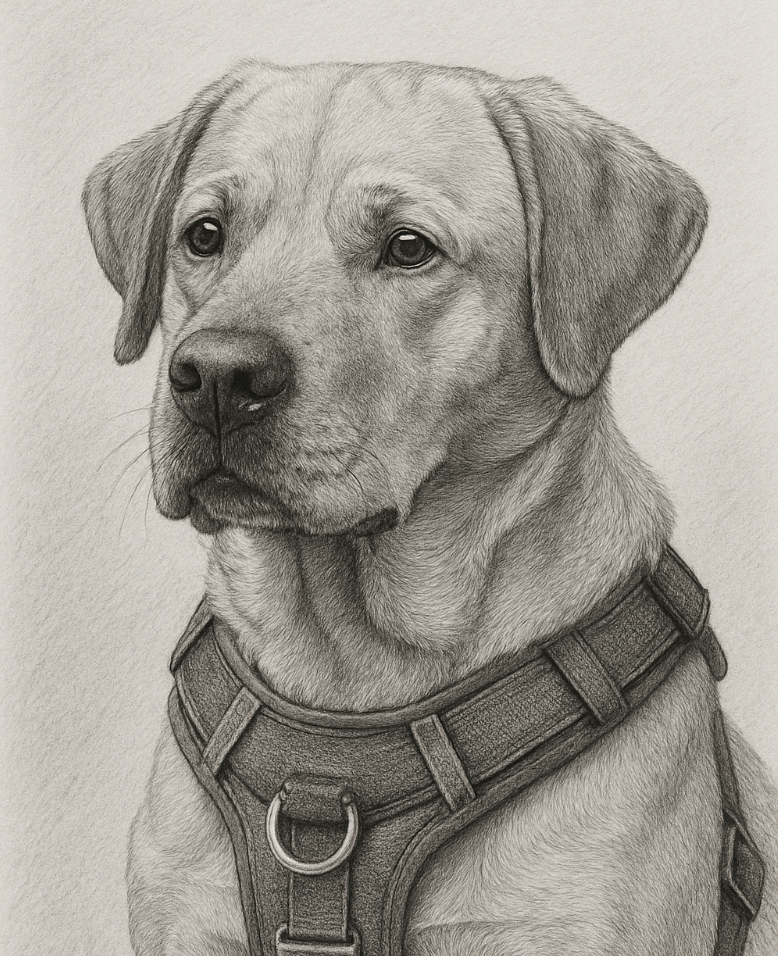

The Best Dog Harness for Labrador: Best 7 Expert Tips!

The Best Dog Harness for Labrador: Best 7 Expert Tips!

The Best Dog Harness for Labrador: Comfort, Safety, and Style


Labradors are one of the most beloved dog breeds, known for their friendly nature, intelligence, and boundless energy. Whether you’re taking your Labrador for a walk in the park, a hike in the woods, or simply running errands, having the right harness is essential. A well-fitted dog harness for Labrador not only ensures their comfort but also provides better control and safety during outings. In this blog post, we’ll explore everything you need to know about choosing the perfect harness for your Labrador, from types and features to sizing and care tips. By the end, you’ll be equipped with the knowledge to make an informed decision that keeps your furry friend happy and secure.

Types of Dog Harnesses Suitable for Labradors


When it comes to selecting a harness for your Labrador, there are several types to consider. Each type has its own unique benefits, so it’s important to choose one that aligns with your dog’s needs and your lifestyle. Here’s an overview of the most common harness types:

 
  • Step-In Harness: Easy to put on by stepping into it, making it ideal for Labradors who dislike having things pulled over their heads.

  • Vest Harness: Provides full-body coverage with padded material, offering extra comfort and protection for active Labradors.

  • Front-Clip Harness: Features a leash attachment at the front, helping to reduce pulling and improve control during walks.

  • Back-Clip Harness: Attaches the leash at the back, offering a classic design that works well for well-trained Labradors who don’t pull.

  • Adjustable Harness: Comes with multiple adjustable straps, ensuring a snug and customizable fit for growing or muscular Labradors.


Choosing the right type of harness depends on your Labrador’s behavior, activity level, and personal preferences. With so many options available, you’re sure to find one that suits your furry companion perfectly.

Key Features to Look for in a Dog Harness for Labrador


Not all harnesses are created equal, especially when it comes to larger breeds like Labradors. To ensure your dog’s harness is functional, comfortable, and durable, here are some key features to consider:

 
  • Durability: Look for sturdy materials like nylon or polyester that can withstand your Labrador’s strength and outdoor adventures.

  • Padding: Padded chest plates and straps provide extra comfort, preventing chafing during long walks or hikes.

  • Reflective Elements: Reflective stitching or accents enhance visibility during early morning or evening walks, keeping your Labrador safe.

  • Easy Adjustability: Multiple adjustment points allow you to customize the fit, ensuring the harness stays secure without being too tight.

  • Leash Attachment Options: Some harnesses offer both front and back leash attachments, giving you flexibility based on your training goals.


By prioritizing these features, you can select a harness that meets your Labrador’s needs while providing peace of mind during your outings. A well-designed harness makes all the difference in your dog’s comfort and safety.

The Best Dog Harness for Labrador: Best 7 Expert Tips!
Harness Type
Best For
Step-In Harness
Labradors who dislike overhead harness placement
Vest Harness
Active Labradors needing extra padding
Front-Clip Harness
Reducing pulling during walks
Back-Clip Harness
Well-trained Labradors who don’t pull
Adjustable Harness
Growing or muscular Labradors

How to Properly Fit a Dog Harness for Your Labrador


A properly fitted harness is crucial for your Labrador’s comfort and safety. An ill-fitting harness can cause discomfort, restrict movement, or even escape risks. Here’s how to ensure the harness fits your Labrador perfectly:

 
  • Measure Your Dog: Use a soft measuring tape to measure your Labrador’s neck and chest girth before purchasing a harness.

  • Check for Snugness: The harness should fit snugly but not too tight—two fingers should fit comfortably between the straps and your dog’s body.

  • Test Mobility: Ensure the harness doesn’t restrict movement by watching your Labrador walk, sit, and lie down while wearing it.

  • Inspect for Chafing: After initial use, check for signs of rubbing or irritation, particularly around the chest and armpits.

  • Adjust Straps Regularly: As your Labrador grows or gains/loses weight, adjust the straps to maintain a proper fit.


Taking the time to fit the harness correctly ensures your Labrador remains comfortable and secure during every outing. A well-fitted harness is the foundation of a positive walking experience.

Benefits of Using a Dog Harness for Your Labrador


Switching to a dog harness for your Labrador offers numerous advantages over traditional collars. From improved control to enhanced safety, here are some compelling reasons to make the switch:

 
  • Better Control: Harnesses distribute pressure evenly across your Labrador’s body, reducing strain on their neck and throat.

  • Prevents Pulling: Front-clip harnesses help redirect your dog’s focus forward, minimizing pulling tendencies during walks.

  • Enhanced Safety: A secure harness reduces the risk of your Labrador slipping out or escaping, especially in busy areas.

  • Comfortable Design: Many harnesses feature padded materials that prevent irritation, even during extended wear.

  • Versatility: Harnesses are suitable for various activities, including walking, hiking, and training sessions.


By using a harness, you can enjoy stress-free walks while ensuring your Labrador’s well-being. It’s a small change that makes a big difference in your daily routine.

Common Mistakes to Avoid When Using a Dog Harness

Using a dog harness for your Labrador may seem straightforward, but there are common mistakes that can compromise its effectiveness. Avoiding these pitfalls ensures your dog stays safe and comfortable during walks. Here’s what to watch out for:

 
  • Buying the Wrong Size: A poorly sized harness can cause discomfort or allow your Labrador to slip out easily. Always measure before purchasing.

  • Overlooking Adjustments: Failing to adjust straps properly can lead to chafing or an insecure fit. Take the time to fine-tune the harness.

  • Neglecting Regular Checks: Over time, harnesses can wear out or loosen. Inspect it regularly for signs of damage or improper fit.

  • Using a Harness as a Collar Replacement: Harnesses are not a substitute for collars—always attach ID tags to a collar for safety.

  • Ignoring Your Dog’s Feedback: If your Labrador shows signs of discomfort, such as scratching or resistance, address the issue immediately.


By avoiding these mistakes, you can ensure your Labrador’s harness remains functional and comfortable. A little attention to detail goes a long way in preventing problems.

How to Introduce Your Labrador to a New Harness

Introducing your Labrador to a new harness requires patience and positive reinforcement. Dogs may initially feel unsure about wearing something unfamiliar, so a gradual approach is key. Here’s how to make the transition smooth:

 
  • Let Them Sniff and Explore: Allow your Labrador to investigate the harness before putting it on, helping them feel more comfortable.

  • Start Indoors: Practice putting the harness on at home where your dog feels safe and relaxed.

  • Reward Calm Behavior: Offer treats or praise when your Labrador remains calm while wearing the harness.

  • Short Wear Sessions: Begin with short periods of wearing the harness, gradually increasing the duration over time.

  • Associate with Fun Activities: Pair wearing the harness with enjoyable activities like walks or playtime to create positive associations.


With patience and consistency, your Labrador will soon associate their harness with happy experiences. This process builds trust and makes outings more enjoyable for both of you.

Caring for Your Labrador’s Harness

Proper care and maintenance of your Labrador’s harness ensure it lasts longer and remains comfortable to wear. Neglecting upkeep can lead to wear and tear or hygiene issues. Here’s how to keep the harness in top condition:

 
  • Clean Regularly: Wash the harness with mild soap and water, especially after muddy or wet outings, to prevent odors and bacteria buildup.

  • Inspect for Damage: Check for frayed straps, broken buckles, or worn padding that could compromise safety.

  • Air Dry Thoroughly: After cleaning, allow the harness to air dry completely to prevent mold or mildew.

  • Store Properly: Keep the harness in a cool, dry place away from direct sunlight to avoid material degradation.

  • Rotate Harnesses (If Possible): If you own multiple harnesses, rotate them to reduce wear and give materials time to recover.


Taking good care of your Labrador’s harness not only extends its lifespan but also ensures it remains a reliable tool for your adventures. A well-maintained harness is a small investment that pays off in safety and comfort.

Frequently Asked Questions About Dog Harnesses for Labradors

 
What size harness does a Labrador need?

Most Labradors require a large or extra-large harness, but always measure your dog’s chest girth to confirm the correct size.

While possible, it’s not recommended to leave a harness on all day, as it may cause discomfort or skin irritation.

Front-clip harnesses are better for reducing pulling, while back-clip harnesses work well for trained dogs who don’t pull.

Most harnesses can be hand-washed with mild soap and air-dried to maintain their durability and appearance.

Puppies will likely need a smaller harness initially, but adjustable harnesses can grow with them as they mature.

In Conclusion: Finding the Perfect Dog Harness for Your Labrador


Choosing the right dog harness for your Labrador is an investment in their comfort, safety, and overall well-being. With so many styles, features, and designs available, finding the perfect fit might seem overwhelming at first. However, by considering factors like durability, adjustability, and ease of use, you can select a harness that suits your Labrador’s unique needs. Remember, a well-fitted harness not only enhances your walks but also strengthens the bond you share with your furry friend. So, take the time to explore your options and find a harness that makes every outing enjoyable for both you and your Labrador. Happy walking!

Is Rawhide Bad for Cats? Best 7 Expert Tips!

Is Rawhide Bad for Cats? Best 7 Expert Tips! – Discover the risks, safe alternatives, and expert advice to keep your feline friend healthy and happy.

Is Rawhide Bad for Dogs? Best 7 Expert Tips!

Is Rawhide Bad for Dogs? Best 7 Expert Tips! – Discover the risks, benefits, and safer alternatives to rawhides for your dog’s chewing needs.

Understanding Anorexia in Cats: Best 7 Expert Tips!

Understanding Anorexia in Cats: Best 7 Expert Tips! – Learn why cats stop eating, spot warning signs, and discover how to help your feline regain appetite safely.

Understanding Anorexia in Dogs: Best 7 Expert Tips!

Understanding Anorexia in Dogs: Best 7 Expert Tips! – Learn causes, symptoms, and solutions to help your dog regain appetite and stay healthy.

Leave a Reply

Your email address will not be published. Required fields are marked *