

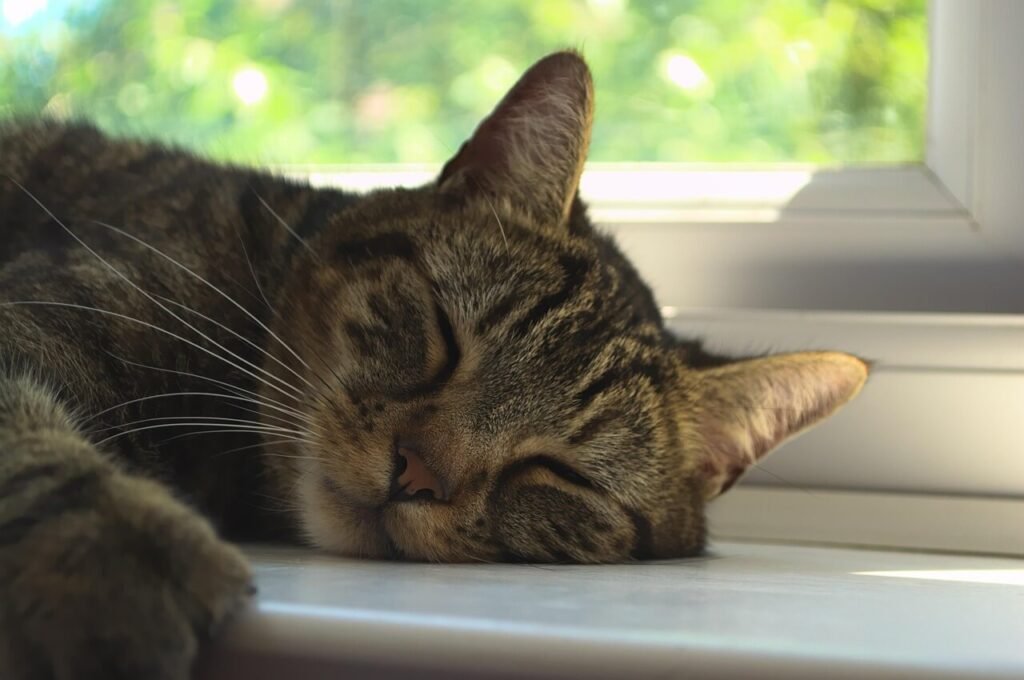

How Many Muscles Are in a Cats Ear? Best 7 Expert Tips!

How Many Muscles Are in a Cats Ear? Best 7 Expert Tips!

How Many Muscles Are in a Cats Ear? Unveiling the Secrets of Feline Hearing

Cats are known for their incredible agility, grace, and sharp senses—and their ears play a vital role in their sensory prowess. One fascinating fact about feline anatomy is the number of muscles in a cat’s ear, which allows them to move their ears with remarkable precision. These muscles enable cats to detect even the faintest sounds and pinpoint their source with stunning accuracy. But just how many muscles are in a cat’s ear, and what do they do?

In this blog post, we’ll explore the anatomy of a cat’s ear, the functions of these muscles, and why they’re so important for your furry friend’s survival and communication. Let’s dive into the world of feline biology and uncover the marvels behind those twitching, rotating ears.

The Incredible Anatomy of a Cat’s Ear

A cat’s ear is a masterpiece of evolution, designed for optimal hearing and communication. At the heart of this intricate system are the muscles that control ear movement. Here’s a breakdown of the key features:

 
  • 32 Muscles in Each Ear
    Yes, you read that right—each of a cat’s ears is controlled by 32 individual muscles, allowing for an extraordinary range of motion.

     
  • Independent Movement
    Unlike humans, cats can move each ear independently, enabling them to focus on different sounds simultaneously.

     
  • Pinna (External Ear) Flexibility
    The pinna, or outer part of the ear, is highly flexible and can rotate up to 180 degrees to capture sounds from all directions.

     
  • Enhanced Sound Localization
    The muscles work together to adjust the position of the ears, helping cats locate the exact origin of a sound.

     
  • Communication Through Ear Positions
    Ear movements also serve as a form of non-verbal communication, expressing emotions like curiosity, alertness, or irritation.


These features highlight the complexity and functionality of a cat’s ears. The sheer number of muscles involved underscores just how crucial this organ is to their survival and daily interactions.

Functions of the Muscles in a Cat’s Ear

The muscles in a cat’s ear are not just for show—they serve several essential purposes that contribute to their impressive abilities. Here’s what these muscles do:

 
  • Detecting Prey
    The muscles allow cats to hear high-frequency sounds, such as the rustling of rodents, giving them an edge as hunters.

     
  • Avoiding Danger
    By detecting subtle noises, cats can identify potential threats and react quickly to stay safe.

     
  • Social Interaction
    Ear positions help cats communicate with other animals, signaling whether they’re relaxed, curious, or feeling threatened.

     
  • Enhancing Balance
    While not directly related to hearing, the muscles in the inner ear contribute to a cat’s incredible sense of balance.

     
  • Expressing Emotions
    Ears flattened back indicate fear or aggression, while forward-facing ears suggest curiosity or attentiveness.


These functions demonstrate the versatility of a cat’s ear muscles. From hunting to communication, their ears are indispensable tools for navigating the world.

How Many Muscles Are in a Cats Ear? Best 7 Expert Tips!
Facts About Cat Ear Muscles
Benefits of These Features
32 muscles control each ear
Allows precise and independent movement
Ears rotate up to 180 degrees
Enhances sound localization
Detect high-frequency sounds
Helps in hunting and avoiding danger
Independent ear movement
Monitors multiple sound sources at once
Express emotions through ear positions
Facilitates non-verbal communication

Fun Facts About Cats’ Ears and Their Muscles

Cats’ ears are full of surprises, and learning more about them can deepen your appreciation for these incredible creatures. Here are some fun facts about their ear muscles and abilities:

 
  • Superior Hearing Range
    Cats can hear frequencies between 45 Hz and 64 kHz, far exceeding the human range of 20 Hz to 20 kHz.

     
  • Rotating Like Radars
    Their ears act like satellite dishes, constantly adjusting to pick up even the faintest sounds.

     
  • Muscle Control Starts Early
    Kittens begin using their ear muscles effectively within weeks of birth, honing their hunting skills.

     
  • Linked to Body Language
    A cat’s ear position often mirrors their mood, making it easier for owners to understand their feelings.

     
  • Evolutionary Advantage
    The muscle structure of a cat’s ear has evolved over millennia to make them efficient predators and survivors.


These fun facts showcase the amazing capabilities of a cat’s ears. Their finely tuned muscles are a testament to nature’s ingenuity.


How to Care for Your Cat’s Ears and Muscles

Proper ear care is essential for maintaining your cat’s health and ensuring their incredible muscles function optimally. Here are some tips for keeping your cat’s ears in top condition:

 
  • Regular Cleaning
    Gently clean your cat’s ears with a vet-recommended solution to prevent infections and buildup of debris.

     
  • Monitor for Signs of Issues
    Watch for symptoms like scratching, head shaking, or discharge, which may indicate an ear infection or injury.

     
  • Avoid Inserting Objects
    Never insert cotton swabs or other objects into your cat’s ear canal, as this can cause damage.

     
  • Schedule Vet Check-Ups
    Routine veterinary exams can help detect ear problems early and ensure overall ear health.

     
  • Provide Mental Stimulation
    Engage your cat with toys and activities that encourage them to use their incredible hearing and ear muscles.


By following these steps, you can help your cat maintain healthy ears and enjoy the full benefits of their remarkable auditory system.

Common Misconceptions About Cat Ears and Their Muscles

There are several myths and misconceptions about cat ears and their incredible muscle control. Clearing these up can help us better understand our feline friends. Here are some common misunderstandings:

 
  • Myth: Cats Can Hear Better Than Dogs
    While cats have superior high-frequency hearing, dogs excel at detecting lower frequencies, making their hearing abilities complementary rather than directly comparable.

     
  • Myth: Ear Twitching Always Indicates Irritation
    Ear twitching is often a sign of curiosity or focus, not necessarily irritation or discomfort.

     
  • Myth: All Cats Use Their Ear Muscles the Same Way
    Different breeds and individual cats may use their ear muscles differently based on their environment and personality.

     
  • Myth: Ear Muscles Are Only for Hearing
    While primarily used for sound detection, ear muscles also play a role in communication and body language.

     
  • Myth: Cats’ Ears Don’t Require Special Care
    Regular cleaning and monitoring are essential to prevent infections and ensure optimal ear health.


By dispelling these myths, we gain a clearer understanding of how cats use their ears and why they’re so vital to their well-being.

How Cats Use Their Ears to Communicate Emotions

A cat’s ears are like expressive antennae, constantly revealing their mood and intentions. Understanding ear positions can help you interpret your cat’s emotions more accurately. Here’s what different ear movements might mean:

 
  • Ears Forward
    When a cat’s ears are pointed forward, it usually indicates curiosity, alertness, or interest in something nearby.

     
  • Ears Slightly Back
    This position often signals mild irritation or uncertainty, suggesting your cat may be feeling uneasy.

     
  • Ears Flattened Against the Head
    Flattened ears are a clear sign of fear, aggression, or submission, depending on the context.

     
  • One Ear Forward, One Back
    This playful or ambivalent posture shows your cat is processing multiple stimuli but isn’t fully committed to reacting yet.

     
  • Rapid Ear Movement
    Frequent twitching or rotating ears suggest heightened awareness or anxiety about their surroundings.


Paying attention to these subtle cues can strengthen your bond with your cat and help you respond appropriately to their needs.

Fun Ways to Observe Your Cat’s Ear Muscles in Action

Watching your cat’s ears in action can be both entertaining and educational. These activities highlight the amazing capabilities of their ear muscles while providing enrichment for your pet. Here are some ideas:

 
  • Play Chase Games
    Use toys that mimic prey movements to observe how your cat’s ears rotate and focus on the “target.”

     
  • Introduce New Sounds
    Gently introduce soft rustling noises, like crinkling paper, to see how your cat’s ears pinpoint the source.

     
  • Watch During Nap Time
    Even when dozing, your cat’s ears will twitch in response to distant sounds, showcasing their alertness.

     
  • Notice Outdoor Reactions
    If your cat enjoys supervised outdoor time, watch how their ears react to birdsong or rustling leaves.

     
  • Engage in Interactive Play
    Laser pointers or feather wands can prompt rapid ear movements as your cat tracks and “hunts” the toy.


These activities not only demonstrate the versatility of your cat’s ear muscles but also provide mental stimulation and bonding opportunities. Observing their reactions can deepen your appreciation for their natural instincts and agility.

Frequently Asked Questions About Cat Ear Muscles

How many muscles are in a cat’s ear?

Each of a cat’s ears is controlled by 32 individual muscles.

Yes, cats can move each ear independently, allowing them to focus on different sounds at the same time.


Flattened ears often indicate fear, aggression, or discomfort.


While ear muscles primarily control external movement, the inner ear plays a role in balance.

Symptoms include excessive scratching, head shaking, redness, swelling, or unusual discharge from the ears.

Celebrating the Marvels of a Cat’s Ears

The number of muscles in a cat’s ear—32 per ear—is a testament to their evolutionary brilliance and adaptability. These muscles allow cats to hear with unparalleled precision, communicate effectively, and thrive in diverse environments. Understanding the intricacies of their ears not only deepens our appreciation for these remarkable animals but also helps us care for them better. By paying attention to their ear health and respecting their natural behaviors, we can ensure our feline companions continue to delight us with their agility, charm, and independence.

So, the next time you see your cat’s ears twitch or rotate, take a moment to marvel at the science and beauty behind this incredible feature. After all, every detail of a cat’s anatomy tells a story of survival, elegance, and wonder.

Is Rawhide Bad for Cats? Best 7 Expert Tips!

Is Rawhide Bad for Cats? Best 7 Expert Tips! – Discover the risks, safe alternatives, and expert advice to keep your feline friend healthy and happy.

Is Rawhide Bad for Dogs? Best 7 Expert Tips!

Is Rawhide Bad for Dogs? Best 7 Expert Tips! – Discover the risks, benefits, and safer alternatives to rawhides for your dog’s chewing needs.

Understanding Anorexia in Cats: Best 7 Expert Tips!

Understanding Anorexia in Cats: Best 7 Expert Tips! – Learn why cats stop eating, spot warning signs, and discover how to help your feline regain appetite safely.

Understanding Anorexia in Dogs: Best 7 Expert Tips!

Understanding Anorexia in Dogs: Best 7 Expert Tips! – Learn causes, symptoms, and solutions to help your dog regain appetite and stay healthy.

Leave a Reply

Your email address will not be published. Required fields are marked *