
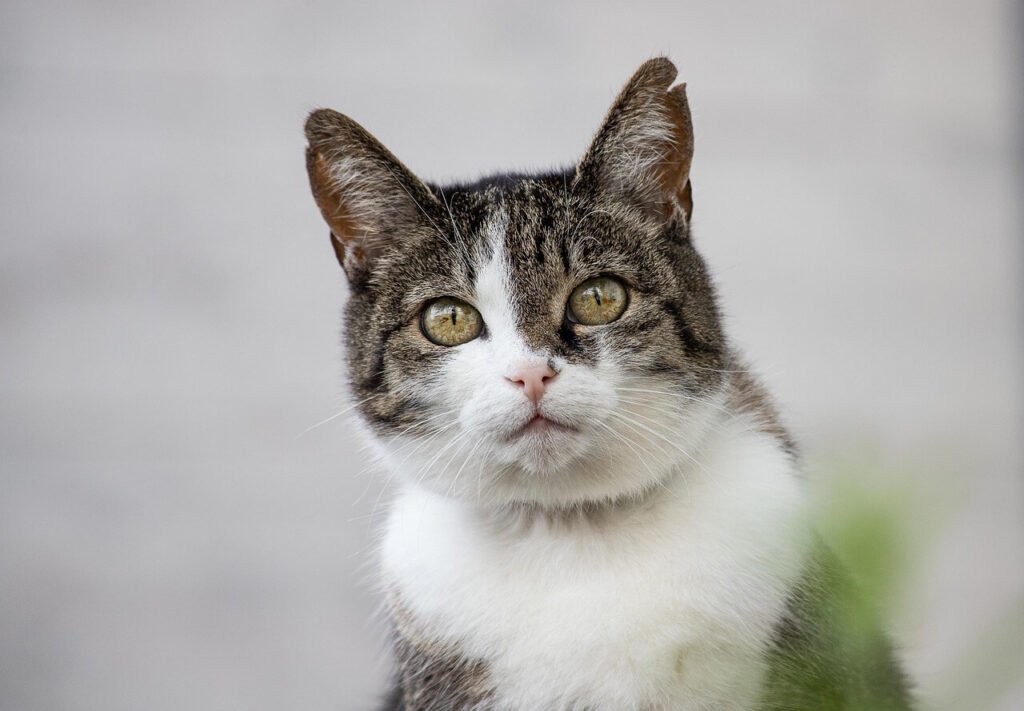

How Much Does It Cost to Clone a Cat? Best 7 Expert Tips!

How Much Does It Cost to Clone a Cat? Best 7 Expert Tips!

How Much Does It Cost to Clone a Cat? Exploring the Science and Price Tag

Cloning pets has transitioned from science fiction to reality, offering grieving pet owners a chance to bring back a genetic replica of their beloved companion. For cat lovers, the idea of cloning a feline friend might sound like an exciting or even comforting possibility. However, the process is far from simple—and it comes with a hefty price tag. Understanding the cost to clone a cat involves looking at not only the financial investment but also the ethical considerations, scientific advancements, and emotional implications.

In this blog post, we’ll break down everything you need to know about cloning cats, including the costs involved, the steps in the process, and whether it’s worth pursuing. Let’s dive into the fascinating world of pet cloning and explore what it truly entails.

Factors Influencing the Cost to Clone a Cat

The cost to clone a cat can vary based on several factors, and understanding these elements can help you grasp why the process is so expensive. Here’s a breakdown of the key influences:

 
  • Advanced Scientific Technology
    Cloning requires cutting-edge biotechnology, including somatic cell nuclear transfer (SCNT), which is both complex and costly to perform.

     
  • Laboratory Fees
    Highly specialized labs are needed to conduct the cloning process, and these facilities charge significant fees for their expertise and equipment.

     
  • Success Rates
    Cloning success rates are relatively low, meaning multiple attempts may be required, adding to the overall cost.

     
  • Surrogate Mothers
    Cloning involves implanting embryos into surrogate cats, which requires veterinary care and monitoring throughout pregnancy.

     
  • Postnatal Care
    Once the cloned kitten is born, it requires extensive medical attention to ensure its health and survival.


These factors combine to create a process that is as intricate as it is expensive. While the dream of bringing back a beloved pet is alluring, the financial commitment is substantial and should be carefully considered.

Estimated Costs of Cloning a Cat

If you’re considering cloning your cat, it’s essential to understand the financial investment involved. Here’s an overview of the typical costs associated with the process:

 
  • Base Cost
    The average cost to clone a cat ranges from $35,000 to $50,000, depending on the company and specific circumstances.

     
  • Preservation Fees
    If your cat has already passed away, preserving their DNA through cryopreservation can cost an additional $1,000 to $2,000 annually.

     
  • Multiple Attempts
    Due to low success rates, some companies may require multiple cloning attempts, each adding thousands to the total cost.

     
  • Shipping and Logistics
    Transporting biological materials and the cloned kitten internationally can incur extra charges.

     
  • Ongoing Expenses
    Raising a cloned cat involves regular expenses like food, vet care, and other necessities, just like any other pet.


While the initial cost is steep, it’s important to weigh the financial burden against the emotional value of having a genetic replica of your beloved cat. Be prepared for a significant investment before proceeding.

 
How Much Does It Cost to Clone a Cat? Best 7 Expert Tips!
Cost Components of Cloning a Cat
Estimated Expenses
Base cloning fee
$35,000–$50,000
DNA preservation (annual)
$1,000–$2,000
Surrogate mother care
Included in base fee
Shipping and logistics
Varies by location
Postnatal care
Included in base fee

Ethical Considerations of Cloning Cats

While cloning offers a way to preserve the genetic legacy of a cherished pet, it also raises important ethical questions. Here are some considerations to keep in mind:

 
  • Animal Welfare Concerns
    The cloning process often involves multiple failed attempts and potential health risks for surrogate mothers and cloned kittens.

     
  • Genetic vs. Behavioral Replication
    A cloned cat shares the same DNA as the original but may have different personality traits due to environmental influences.

     
  • Resource Allocation
    The significant resources used for cloning could potentially be redirected toward shelter animals in need of homes.

     
  • Emotional Expectations
    Pet owners may expect the cloned cat to be identical to their original pet, which can lead to disappointment if expectations aren’t met.

     
  • Long-Term Implications
    Cloning technology is still evolving, and its broader impact on animal populations and ecosystems remains uncertain.


Considering these ethical aspects is crucial before deciding to clone a cat. While the science is remarkable, it’s important to weigh the moral and emotional implications carefully.

Alternatives to Cloning Your Cat

If cloning feels too costly or ethically challenging, there are alternative ways to honor your cat’s memory without replicating them. Here are some meaningful options:

 
  • Adopting Another Cat
    Giving a home to a shelter cat in need can be a rewarding way to move forward while keeping your heart open to new connections.

     
  • Creating a Memorial
    Building a tribute, such as planting a tree or creating a photo album, can help you celebrate your cat’s life and legacy.

     
  • Preserving Their DNA
    DNA preservation services allow you to store your cat’s genetic material without committing to cloning immediately.

     
  • Volunteering at Animal Shelters
    Helping other animals in need can provide a sense of purpose and healing after losing a pet.

     
  • Focusing on New Experiences
    Engaging in hobbies or activities you enjoyed with your cat can help you cherish memories while embracing new opportunities.


These alternatives offer ways to honor your cat’s memory without the complexities of cloning. Each option provides a unique path to healing and connection.

Benefits of Cloning a Cat: What to Expect

While cloning comes with challenges, it also offers unique benefits for those who choose to pursue it. Here are some potential advantages of cloning your cat:

 
  • Genetic Continuity
    Cloning allows you to preserve the genetic identity of your beloved pet, creating a tangible connection to their legacy.

     
  • Emotional Comfort
    For some pet owners, having a genetic replica can provide a sense of closure or healing after the loss of a cherished companion.

     
  • Scientific Advancement
    Participating in cloning contributes to the development of biotechnology, which may have broader applications in medicine and conservation.

     
  • Unique Bonding Experience
    Raising a cloned kitten can create new memories while honoring the spirit of your original pet.

     
  • Customized Companionship
    If your cat had specific traits you admired, cloning offers a chance to experience those qualities again in a new pet.


While these benefits are appealing, it’s important to balance them against the costs and ethical considerations. Cloning is not for everyone, but for some, it can be a meaningful way to honor their pet’s memory.

Challenges of Raising a Cloned Cat

Raising a cloned cat comes with its own set of challenges that go beyond the initial cloning process. Here are some hurdles you might face:

 
  • Health Issues
    Cloned cats may be prone to certain health problems, such as weakened immune systems or developmental abnormalities.

     
  • Behavioral Differences
    Even though the DNA is identical, environmental factors mean the cloned cat may behave differently from the original.

     
  • High Expectations
    Pet owners may struggle with unrealistic expectations, hoping the cloned cat will perfectly replicate their previous pet.

     
  • Financial Strain
    The ongoing costs of care, including vet visits and daily needs, can add up quickly after the initial cloning expense.

     
  • Emotional Complexity
    Caring for a cloned cat may evoke mixed emotions, especially if the original pet’s absence is still deeply felt.


Understanding these challenges can help you prepare for the realities of raising a cloned cat. Patience, flexibility, and realistic expectations are key to building a strong bond with your new pet.

Fun Facts About Cat Cloning and Its History

Cat cloning has a fascinating history and some intriguing facts that highlight its evolution. Here are some interesting tidbits about this cutting-edge technology:

 
  • The First Cloned Cat
    In 2001, “CC” (short for CopyCat) became the world’s first cloned cat, created by scientists at Texas A&M University.

     
  • Cloning Isn’t Perfect
    Even with advanced technology, cloning success rates remain relatively low, often requiring multiple attempts.

     
  • Commercial Cloning Services
    Companies like ViaGen Pets now offer commercial cloning services, making the process more accessible to pet owners.

     
  • Clones Aren’t Identical
    Despite sharing DNA, cloned cats can have different coat patterns due to random X-chromosome inactivation.

     
  • Future Possibilities
    Cloning research could pave the way for advancements in human medicine, endangered species conservation, and more.


These fun facts showcase the incredible progress of cloning technology and its potential to shape the future. While cloning cats remains a niche option, its impact on science and society continues to grow.

Frequently Asked Questions About Cloning Cats

Is it possible to clone any cat?

Yes, most cats can be cloned, but the process depends on the availability of viable DNA samples.

No, personality is shaped by environment and experiences, so a cloned cat will likely differ from the original.

The process typically takes several months, including preparation, implantation, and gestation.

Cloned cats can face health challenges, but many live normal lives with proper care.

Yes, if their DNA has been preserved in time through cryopreservation.

Weighing the Decision to Clone Your Cat

Cloning a cat is a remarkable scientific achievement that allows pet owners to preserve the genetic essence of their beloved companions. However, the high cost to clone a cat, combined with ethical concerns and emotional expectations, makes it a decision that requires careful thought. While the idea of bringing back a piece of your cherished pet is undeniably appealing, it’s essential to consider the broader implications and explore alternative ways to honor their memory.

Whether you choose to pursue cloning or find solace in adoption, memorials, or volunteering, the love and bond you shared with your cat will always remain a cherished part of your life. Ultimately, the best choice is one that aligns with your values, budget, and emotional well-being.

Dog Tapeworm Life Cycle: Best 7 Expert Tips!

Dog Tapeworm Life Cycle: Best 7 Expert Tips! – Learn how tapeworms infect dogs, spot symptoms, and break the cycle with expert prevention strategies.

Anxious Cat Body Language: Best 7 Expert Tips!

Anxious Cat Body Language: Best 7 Expert Tips! – Learn to spot signs of stress, understand triggers, and help your cat feel safe and relaxed.

Anxious Dog Body Language: Best 7 Expert Tips!

Anxious Dog Body Language: Best 7 Expert Tips! – Learn to spot signs of anxiety, respond effectively, and help your dog feel safe and secure.

Is Breeding Dogs Bad? Best 7 Expert Tips!

Is Breeding Dogs Bad? Best 7 Expert Tips! – Explore the ethics, benefits, and risks of dog breeding to make informed decisions for a better future.

Leave a Reply

Your email address will not be published. Required fields are marked *

Post Category


