
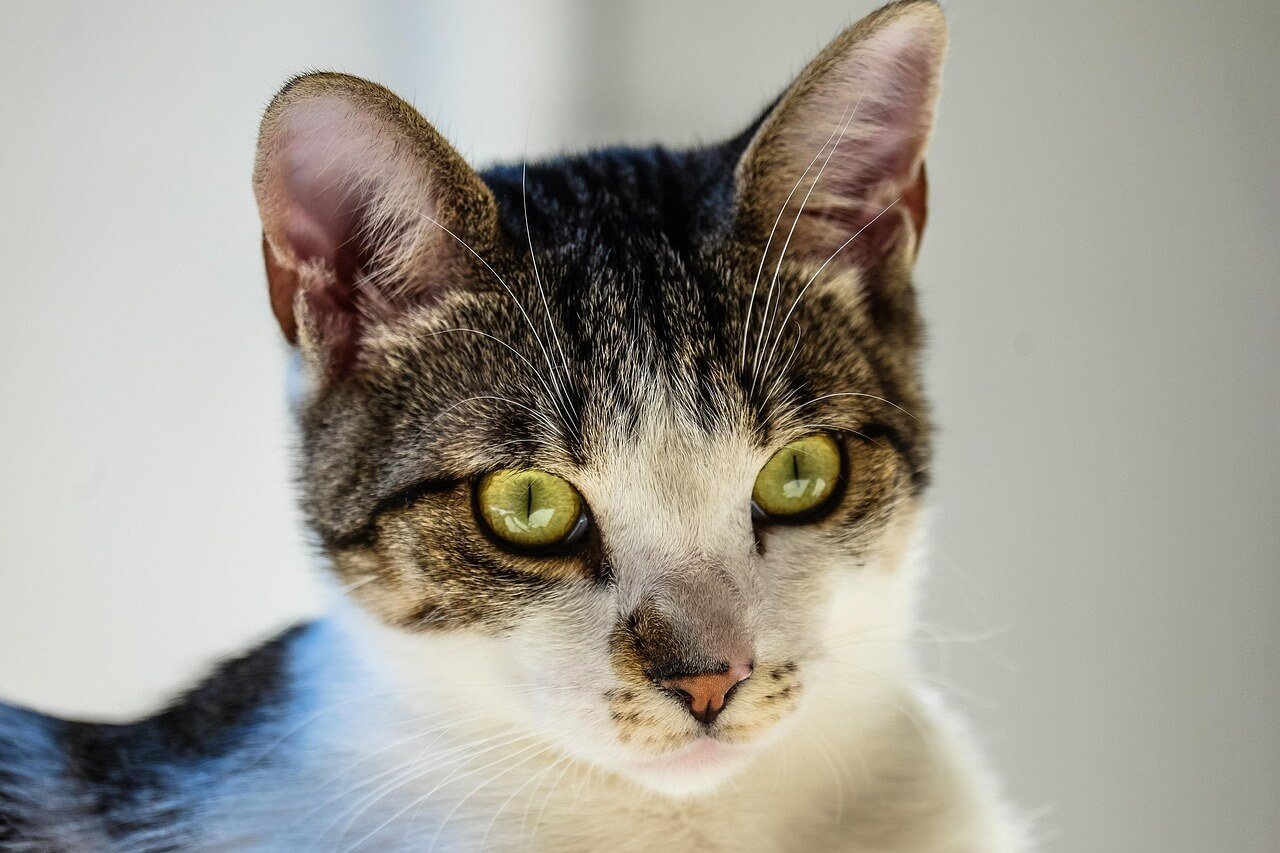

Is Tuna Good for Cats? Best 7 Expert Tips!

Is Tuna Good for Cats? Best 7 Expert Tips!

Is Tuna Good for Cats? Let’s Dive into the Details!

Cats and tuna—a classic combination that many pet owners associate with feline happiness. But is tuna truly good for cats, or does it pose hidden risks? While cats often adore the taste of this fishy treat, understanding its nutritional value and potential downsides is crucial for their health. Tuna can be a tasty addition to your cat’s diet when offered in moderation, but overindulgence or improper preparation can lead to problems. In this blog post, we’ll explore whether tuna is beneficial for cats, how to serve it safely, and what alternatives exist. By the end, you’ll have all the information you need to make informed decisions about feeding your furry friend this popular seafood.

Nutritional Benefits of Tuna for Cats

Tuna offers several nutritional benefits that can make it an appealing occasional treat for your cat. However, it’s important to understand its role as part of a balanced diet rather than a primary food source. Here are some key benefits:

 
  • High-Quality Protein
    Tuna is rich in protein, which supports muscle growth, repair, and overall energy levels in cats.

     
  • Omega-3 Fatty Acids
    These essential fats promote healthy skin, a shiny coat, and reduced inflammation in cats.

     
  • Hydration Support
    Fresh or water-packed tuna contains moisture, helping keep your cat hydrated—a bonus for those who don’t drink enough water.

     
  • Vitamins and Minerals
    Tuna provides nutrients like vitamin B12, selenium, and phosphorus, which contribute to immune function and metabolic health.

     
  • Palatability
    Most cats love the taste of tuna, making it a great way to encourage picky eaters during mealtime.


While these benefits make tuna a tempting option, moderation is key to avoiding potential drawbacks. Always prioritize high-quality commercial cat food as the foundation of your cat’s diet.

Risks of Feeding Tuna to Cats

Despite its appeal, tuna isn’t without risks when fed improperly or excessively. Understanding these concerns will help you protect your cat’s long-term health. Here are some potential dangers:

 
  • Mercury Toxicity
    Frequent consumption of tuna exposes cats to mercury, which can accumulate in their bodies and harm vital organs like the kidneys and brain.

     
  • Nutritional Imbalance
    Relying on tuna alone deprives cats of essential nutrients found in complete cat foods, such as taurine, leading to deficiencies.

     
  • Addiction Risk
    Some cats develop a preference for tuna over regular food, refusing other meals and risking malnutrition.

     
  • Salt and Seasonings
    Canned tuna often contains added salt, oil, or spices, which can upset your cat’s stomach or cause sodium toxicity.

     
  • Thiamine Deficiency
    Excessive raw fish consumption, including tuna, can interfere with thiamine absorption, resulting in neurological issues.


To minimize these risks, limit tuna intake and ensure it’s served plain and unseasoned. When in doubt, consult your veterinarian for personalized advice.

Is Tuna Good for Cats? Best 7 Expert Tips!
Benefits of Tuna for Cats
Risks of Feeding Tuna to Cats
High-quality protein
Mercury toxicity from frequent consumption
Omega-3 fatty acids for skin/coat
Nutritional imbalance if overfed
Hydration support
Addiction risk, causing picky eating
Vitamins and minerals
Harmful additives in canned tuna
Palatable and appealing taste
Thiamine deficiency from excessive raw tuna

How to Safely Serve Tuna to Your Cat

If you decide to share tuna with your cat, doing so responsibly is essential to prevent health issues. Follow these guidelines to ensure safe serving practices:

 
  • Choose Plain, Water-Packed Tuna
    Avoid varieties packed in oil or brine, as they contain unhealthy fats and excess sodium.

     
  • Serve in Small Portions
    Limit tuna treats to no more than once or twice a week, keeping portion sizes small (about a teaspoon).

     
  • Skip the Seasonings
    Never add salt, pepper, garlic, onions, or other seasonings, as these can be toxic to cats.

     
  • Use Fresh or Canned Options Sparingly
    Occasional fresh tuna can be fine, but avoid feeding raw fish regularly due to enzyme interference.

     
  • Mix with Regular Cat Food
    Combine tuna with high-quality cat food to balance the meal nutritionally and prevent pickiness.


By following these tips, you can enjoy sharing tuna with your cat without compromising their health. Remember, treats should never exceed 10% of your cat’s daily caloric intake.

Alternatives to Tuna for Your Cat’s Diet

If you’re looking for safer or more nutritious alternatives to tuna, there are plenty of options that can satisfy your cat’s cravings while supporting their health. Here are some excellent substitutes:

 
  • Chicken or Turkey
    Cooked, unseasoned poultry is a lean source of protein that most cats enjoy.

     
  • Salmon (in Moderation)
    Like tuna, salmon contains omega-3s but should also be given sparingly due to fat content.

     
  • Commercial Cat Treats
    Specially formulated treats provide flavor variety without risking dietary imbalances.

     
  • Eggs (Cooked)
    Scrambled or boiled eggs are rich in protein and easy to digest for most cats.

     
  • Pumpkin Puree
    Plain pumpkin puree aids digestion and adds fiber to your cat’s diet, though it’s not a direct protein replacement.


Incorporating these alternatives ensures your cat receives diverse nutrients while minimizing the risks associated with tuna. Variety keeps meals exciting and promotes overall well-being.

Signs Your Cat May Be Eating Too Much Tuna

While tuna can be an occasional treat, overfeeding it can lead to noticeable changes in your cat’s health and behavior. Here are some signs that your cat might be consuming too much tuna:

 
  • Increased Thirst and Urination
    Excessive tuna consumption can strain the kidneys, leading to increased thirst and frequent trips to the litter box.

     
  • Dull or Oily Coat
    A lack of essential nutrients from over-reliance on tuna may result in a dull or greasy coat.

     
  • Weight Loss or Gain
    Nutritional imbalances caused by too much tuna can lead to unhealthy weight fluctuations.

     
  • Vomiting or Diarrhea
    Digestive upset is common if your cat consumes large amounts of tuna, especially if it’s oily or seasoned.

     
  • Behavioral Changes
    Refusing regular food or becoming overly fixated on tuna can indicate dependency.


If you notice these signs, it’s time to reassess your cat’s diet and consult your veterinarian for guidance. Moderation and variety are key to preventing these issues.

Fun Facts About Cats and Their Love for Fish

Cats’ fascination with fish like tuna has intrigued pet owners for generations. Here are some interesting tidbits about why cats are drawn to seafood and its role in their lives:

 
  • Evolutionary Preference
    Wild ancestors of domestic cats likely scavenged fish near water sources, developing a natural affinity for its taste.

     
  • Strong Sense of Smell
    Cats have an exceptional sense of smell, making the strong aroma of tuna irresistible to them.

     
  • Fish as a Rare Treat in Nature
    In the wild, fish was a rare delicacy, which may explain why cats view it as a special treat today.

     
  • Omega-3 Appeal
    The omega-3 fatty acids in fish naturally appeal to cats, as they support their skin, coat, and overall health.

     
  • Pop Culture Connection
    From cartoons to memes, the image of cats loving fish—especially tuna—has become a beloved cultural trope.


These fun facts highlight the deep-rooted connection between cats and fish. While tuna is undeniably appealing, it’s important to remember that it should remain a rare indulgence rather than a dietary staple.

Tips for Transitioning Your Cat Away from Tuna

If your cat has developed a strong preference for tuna, transitioning them back to a balanced diet requires patience and strategy. Here are some tips to help make the shift smoother:

 
  • Gradual Mixing
    Slowly mix smaller amounts of tuna with high-quality cat food, reducing the tuna portion over time.

     
  • Introduce New Proteins Gradually
    Offer small portions of alternative proteins like chicken or salmon to expand their palate without overwhelming them.

     
  • Use Positive Reinforcement
    Reward your cat with praise or playtime when they eat non-tuna meals to create positive associations.

     
  • Avoid Giving in to Begging
    Stay firm if your cat refuses food initially; hunger will eventually encourage them to try new options.

     
  • Consult Your Vet for Guidance
    Your veterinarian can recommend supplements or prescription diets if your cat struggles with nutrient deficiencies.


By taking a gradual and consistent approach, you can help your cat adjust to a healthier, more varied diet. Remember, persistence pays off when it comes to ensuring their long-term well-being.

Frequently Asked Questions About Feeding Tuna to Cats

Can I feed my cat canned tuna every day?

No, feeding canned tuna daily can lead to nutritional imbalances and mercury exposure. Limit it to occasional treats.

Raw tuna poses risks like thiamine deficiency and bacterial contamination; cooked or plain canned tuna is safer.

Overconsumption can cause mercury poisoning, nutrient deficiencies, or digestive upset.

Kittens have sensitive nutritional needs, so tuna should only be given occasionally under vet supervision.

Yes, smaller fish like sardines (in water) or mackerel are lower in mercury and can be offered in moderation.

Finding Balance: The Role of Tuna in Your Cat’s Diet

Tuna can be a delightful treat for cats, offering both taste and nutritional benefits when served responsibly. However, it’s not a substitute for a balanced diet and comes with notable risks if overfed or improperly prepared. By understanding the pros and cons of feeding tuna, you can strike a healthy balance between indulgence and safety. Remember, variety is key—incorporate other protein sources and always prioritize your cat’s overall nutritional needs. With careful planning and attention to detail, you can keep your feline companion happy, healthy, and satisfied—one paw at a time.

Understanding Cryptosporidium in Cats: Best 7 Expert Tips!

Understanding Cryptosporidium in Cats: Best 7 Expert Tips! – Spot symptoms, treat safely, and stop parasite spread in your home.

Understanding Cryptosporidium in Dogs: Best 7 Expert Tips!

Understanding Cryptosporidium in Dogs: Best 7 Expert Tips! – Learn symptoms, treatment & prevention for this stubborn gut parasite.

Understanding Syringomyelia in Cats: Best 7 Expert Tips!

Understanding Syringomyelia in Cats: Best 7 Expert Tips! – Recognize signs, manage pain, and support your cat’s neurological health with vet-backed guidance.

Understanding Syringomyelia in Dogs: Best 7 Expert Tips!

Understanding Syringomyelia in Dogs: Best 7 Expert Tips! – Expert insights on symptoms, MRI diagnosis, pain management & quality of life.

Leave a Reply

Your email address will not be published. Required fields are marked *


