
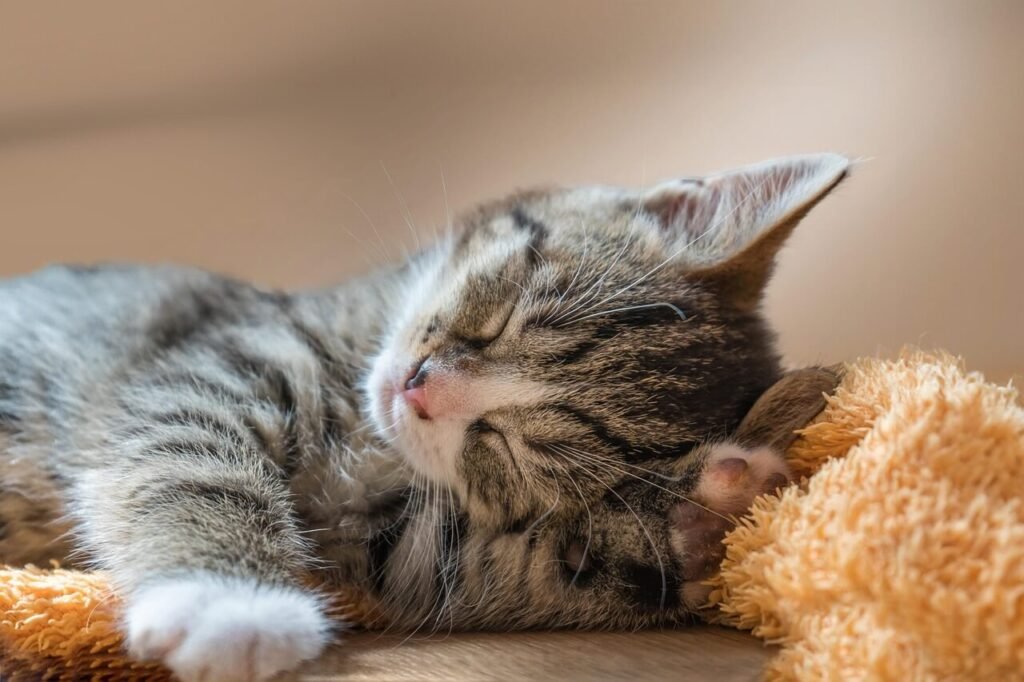

Do Cats Pout? Best 7 Behavior Tips!

Do Cats Pout? Best 7 Behavior Tips!

Do Cats Pout? Decoding Feline Facial Expressions

Cats are masters of communication, using a combination of body language, vocalizations, and facial expressions to convey their feelings. But do cats pout in the way humans might interpret it? While cats don’t “pout” in the human sense, they can exhibit behaviors that resemble sulking or expressing displeasure. These moments often leave cat owners wondering if their feline companions are trying to communicate disappointment, frustration, or even sadness. In this guide, we’ll explore the nuances of feline behavior, decode what looks like pouting, and help you better understand your cat’s emotional world. Whether it’s a turned-away face, flattened ears, or a dramatic posture, we’ll uncover what these cues really mean.

Signs That Might Look Like Pouting in Cats

While cats don’t pout in the same way humans do, certain behaviors can mimic the appearance of sulking or being upset. These actions often stem from emotions like frustration, boredom, or unmet expectations. Here are some common signs:

 
  • Turned-Away Head : Cats may turn their head away from you as a sign of disinterest or mild annoyance.

     
  • Flattened Ears : When a cat flattens its ears against its head, it could indicate irritation or discomfort.

     
  • Lying Down with Back Turned : This position can signal that your cat is feeling ignored or wants space.

     
  • Prolonged Silence : A suddenly quiet cat might be expressing dissatisfaction after not getting what they wanted.

     
  • Slow Blinking Absence : If your cat stops slow blinking at you, it could mean they’re feeling less affectionate or upset.


These behaviors may resemble pouting, but they often have deeper meanings tied to your cat’s emotional state or environment.

Why Cats Exhibit “Pout-Like” Behaviors

Understanding why cats display behaviors that look like pouting can help you address their needs more effectively. These actions are usually linked to specific triggers or emotional responses.

 
  • Unmet Expectations : Cats may act aloof or disengaged if they expect food, playtime, or attention and don’t receive it.

     
  • Environmental Changes : Moving furniture, introducing new pets, or other disruptions can cause stress, leading to sulky behavior.

     
  • Feeling Ignored : Cats crave attention on their terms, and ignoring them for too long might result in apparent “pouting.”

     
  • Health Issues : Underlying medical problems, such as pain or discomfort, can manifest as changes in behavior resembling pouting.

     
  • Boredom or Lack of Stimulation : Cats need mental and physical stimulation; without it, they may appear withdrawn or frustrated.


By identifying the root cause of these behaviors, you can address your cat’s needs and strengthen your bond.

Do Cats Pout? Best 7 Behavior Tips!
Behaviors That Look Like Pouting
Possible Causes
Turned-away head
Feeling ignored or annoyed
Flattened ears
Irritation or fear
Lying down with back turned
Seeking space or sulking
Prolonged silence
Disappointment or boredom
Avoiding interaction
Stress or health issues

How to Respond When Your Cat Seems to Pout

If your cat exhibits behaviors that resemble pouting, there are several ways to address their needs and improve their mood. Here are some practical steps:

 
  • Offer Attention (on Their Terms) : Gently engage with your cat, but respect their boundaries if they seem uninterested.

     
  • Provide Mental Stimulation : Use puzzle toys or interactive games to keep your cat entertained and reduce boredom.

     
  • Check for Health Issues : If the behavior persists or seems unusual, consult your veterinarian to rule out medical problems.

     
  • Maintain a Routine : Cats thrive on consistency, so sticking to regular feeding and play schedules can prevent frustration.

     
  • Create a Calm Environment : Minimize loud noises or sudden changes that might stress your cat and trigger sulky behavior.


Responding thoughtfully to your cat’s needs can help alleviate behaviors that resemble pouting and foster a happier household.

Misconceptions About Cats and Pouting

There are several misconceptions about cats and their tendency to “pout.” Understanding these myths can help you better interpret your cat’s behavior.

 
  • Myth: Cats Pout Out of Spite : Cats don’t hold grudges or act out of spite—they simply respond to their environment and needs.

     
  • Myth: All Sulky Behavior Indicates Sadness : Many behaviors mistaken for pouting are actually signs of frustration or stress.

     
  • Myth: Ignoring a “Pouting” Cat Will Teach Them a Lesson : Cats don’t learn lessons through punishment; ignoring them may worsen their behavior.

     
  • Myth: Cats Always Want Alone Time When They Act Aloof : Sometimes, aloof behavior signals a desire for attention rather than solitude.

     
  • Myth: Only Certain Breeds Exhibit Pout-Like Behavior : All cats, regardless of breed, can display behaviors that resemble pouting.


By dispelling these myths, you can approach your cat’s behavior with greater empathy and understanding.

Proactive Steps to Keep Your Cat Happy and Engaged

Preventing behaviors that resemble pouting starts with creating a supportive and enriching environment for your cat. By addressing potential triggers, you can minimize sulky or withdrawn actions. Here are some strategies:

 
  • Establish a Consistent Routine : Feed, play, and interact with your cat at the same times each day to provide stability.

     
  • Provide Plenty of Toys : Rotate toys regularly to keep your cat entertained and prevent boredom.

     
  • Create Vertical Spaces : Install shelves, cat trees, or perches to give your cat opportunities to explore and feel secure.

     
  • Offer Treats or Rewards : Use treats or praise to reinforce positive behavior and show affection.

     
  • Monitor Stress Levels : Watch for signs of stress, such as excessive grooming or hiding, and address them promptly.


By taking these proactive steps, you can reduce the likelihood of your cat exhibiting behaviors that resemble pouting.

Recognizing Positive Behaviors to Better Understand Your Cat

While it’s easy to focus on negative behaviors, it’s equally important to recognize when your cat is content and happy. These signs can help you gauge your cat’s emotional state and ensure they’re thriving.

 
  • Purring : A soft purr often indicates relaxation and contentment, though it can also signal comfort during stress.

     
  • Kneading : When your cat kneads a soft surface, it’s a sign of happiness and security.

     
  • Slow Blinking : A slow blink is a sign of trust and affection, often called a “cat kiss.”

     
  • Playful Behavior : Cats that engage in playful antics are likely feeling happy and energetic.

     
  • Rubbing Against You : Head-butting or rubbing against you is a way for cats to mark you as part of their territory and show affection.


Understanding these positive cues helps you appreciate your cat’s unique ways of expressing joy and strengthens your bond.

Avoiding Missteps to Better Support Your Cat’s Needs

Misinterpreting your cat’s behavior can lead to misunderstandings and unintentional neglect of their needs. Avoiding these common mistakes ensures you respond appropriately to their actions.

 
  • Assuming Silence Means Contentment : A quiet cat isn’t always a happy one; they may be withdrawn due to illness or stress.

     
  • Ignoring Subtle Cues : Small changes, like avoiding the litter box or eating less, can indicate bigger issues if overlooked.

     
  • Forcing Interaction : Pushing your cat to engage when they’re not ready can increase stress and damage trust.

     
  • Overlooking Environmental Factors : Failing to notice how changes in the home affect your cat can lead to behavioral shifts.

     
  • Relying on Human Emotions : Projecting human feelings like spite or jealousy onto cats can misguide your interpretation of their actions.


By avoiding these pitfalls, you can better understand your cat’s true emotions and provide the care they need.

Frequently Asked Questions About Cats and Pouting

Do cats pout because they’re mad at me?

Cats don’t experience emotions like anger or resentment in the way humans do. Their behavior is more likely tied to frustration or unmet expectations.

Bored cats often seek attention or become destructive, while upset cats may withdraw, avoid interaction, or display changes in eating habits.

No, punishment can increase stress and damage your bond. Instead, focus on addressing the underlying cause of the behavior.

Yes, changes like moving furniture, introducing new pets, or altering routines can cause stress and lead to sulky behavior.

Yes, cats naturally alternate between social and independent behavior. Occasional aloofness is normal, but persistent withdrawal may indicate an issue.

Understanding Your Cat’s Unique Personality

While cats don’t pout in the human sense, their behaviors can sometimes resemble sulking or expressing displeasure. By paying close attention to their cues and addressing their needs, you can build a stronger connection with your feline friend. Remember, every cat is unique, and their actions are often a reflection of their environment, health, or emotional state. With patience, care, and a little detective work, you can decode your cat’s “pout-like” behaviors and ensure they feel loved, understood, and content.

 
Is Rawhide Bad for Cats? Best 7 Expert Tips!

Is Rawhide Bad for Cats? Best 7 Expert Tips! – Discover the risks, safe alternatives, and expert advice to keep your feline friend healthy and happy.

Is Rawhide Bad for Dogs? Best 7 Expert Tips!

Is Rawhide Bad for Dogs? Best 7 Expert Tips! – Discover the risks, benefits, and safer alternatives to rawhides for your dog’s chewing needs.

Understanding Anorexia in Cats: Best 7 Expert Tips!

Understanding Anorexia in Cats: Best 7 Expert Tips! – Learn why cats stop eating, spot warning signs, and discover how to help your feline regain appetite safely.

Understanding Anorexia in Dogs: Best 7 Expert Tips!

Understanding Anorexia in Dogs: Best 7 Expert Tips! – Learn causes, symptoms, and solutions to help your dog regain appetite and stay healthy.

Leave a Reply

Your email address will not be published. Required fields are marked *