
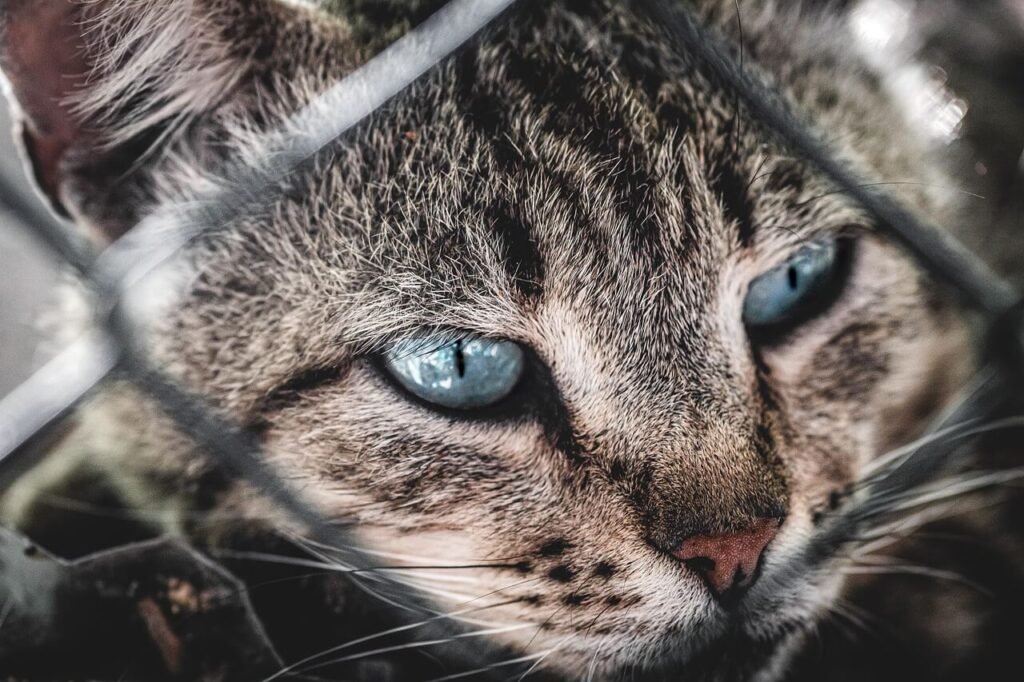

Why Is My Cat So Grumpy? Best 7 Health Tips!

Why Is My Cat So Grumpy? Best 7 Health Tips!

Why Is My Cat So Grumpy? Decoding Feline Behavior

Cats are known for their independent and sometimes mysterious nature, but when your feline friend seems unusually grumpy, it can leave you scratching your head. Whether they’re hissing, swatting, or simply ignoring you, understanding the reasons behind their mood swings is key to improving your relationship. Grumpiness in cats isn’t just about personality—it can stem from physical discomfort, environmental stress, or even unmet needs. In this guide, we’ll explore the possible causes of your cat’s grumpiness and provide practical tips to help them feel happier and more content. By learning how to decode their behavior, you can strengthen the bond you share with your furry companion.

Common Reasons Why Your Cat May Be Grumpy

Grumpy behavior in cats often stems from specific triggers that can be addressed with a little detective work. Here are some common reasons why your cat might seem irritable:

 
  • Pain or Illness : Cats are masters at hiding pain, but underlying health issues like arthritis, dental problems, or infections can make them cranky.

     
  • Stress or Anxiety : Changes in their environment, such as moving house, new pets, or loud noises, can leave your cat feeling unsettled.

     
  • Lack of Stimulation : Boredom or insufficient mental and physical activity can lead to frustration and bad moods.

     
  • Territorial Behavior : Cats are territorial creatures, and any perceived threat to their space—like a new pet or visitor—can trigger grumpiness.

     
  • Hunger or Thirst : Missing meals or not having access to fresh water can irritate even the most laid-back cat.


Identifying the root cause of your cat’s grumpiness is the first step toward helping them feel more at ease.

Signs Your Cat Might Be Feeling Grumpy

Recognizing the signs of a grumpy cat can help you address their needs before the behavior escalates. Here are some telltale indicators:

 
  • Hissing or Growling : Vocal warnings are a clear sign your cat is feeling defensive or irritated.

     
  • Swatting or Scratching : Aggressive behaviors like swatting are often a response to feeling threatened or annoyed.

     
  • Hiding or Avoidance : If your cat suddenly starts avoiding interaction, it could be a sign of stress or discomfort.

     
  • Tail Flicking or Flattening : A twitching tail or a flattened tail against their body can signal agitation.

     
  • Overgrooming or Neglecting Grooming : Excessive grooming may indicate anxiety, while neglecting grooming could suggest illness or depression.


By observing these behaviors, you can better understand what your cat is trying to communicate and take steps to improve their well-being.

Why Is My Cat So Grumpy? Best 7 Health Tips!
Causes of Grumpy Behavior in Cats
Ways to Address It
Pain or illness
Schedule a vet check-up
Stress or anxiety
Provide safe spaces and calming aids
Lack of stimulation
Offer toys, puzzles, and playtime
Territorial disputes
Gradually introduce new pets or changes
Hunger or thirst
Ensure consistent access to food and water

How to Calm a Grumpy Cat

If your cat is exhibiting grumpy behavior, there are several strategies you can try to help them relax and feel more comfortable. Here are some effective approaches:

 
  • Create a Safe Space : Set up a quiet area where your cat can retreat when they feel overwhelmed or stressed.

     
  • Use Calming Products : Pheromone diffusers like Feliway can help reduce anxiety and promote relaxation.

     
  • Engage in Play : Interactive toys and play sessions can burn off excess energy and distract them from irritations.

     
  • Stick to a Routine : Cats thrive on predictability, so maintaining a consistent schedule for feeding, play, and sleep can ease their stress.

     
  • Respect Their Boundaries : Give your cat space when they seem upset, and avoid forcing interactions until they’re ready.


With patience and care, you can help your grumpy cat feel more secure and content in their environment.

Preventing Future Grumpiness in Your Cat

Prevention is always better than cure when it comes to managing your cat’s mood. By addressing potential triggers proactively, you can minimize the chances of grumpy behavior in the future.

 
  • Regular Vet Visits : Schedule routine check-ups to catch any health issues early before they affect your cat’s mood.

     
  • Provide Mental Stimulation : Rotate toys, introduce puzzle feeders, and create enriching activities to keep your cat engaged.

     
  • Minimize Environmental Changes : Introduce new elements to your home gradually to avoid overwhelming your cat.

     
  • Monitor Diet and Hydration : Ensure your cat has access to high-quality food and fresh water at all times.

     
  • Build Trust Through Positive Reinforcement : Reward calm behavior with treats or affection to encourage a happier disposition.


Taking these preventive measures can help maintain a harmonious relationship with your cat and reduce the likelihood of grumpy episodes.

Recognizing Stress as a Cause of Grumpiness

Stress is one of the most common reasons behind grumpy behavior in cats. Identifying signs of stress can help you address the root cause and restore your cat’s peace of mind. Here are some indicators to watch for:

 
  • Excessive Vocalization : Increased meowing, yowling, or growling can signal anxiety or discomfort.

     
  • Changes in Eating Habits : Refusal to eat or overeating may indicate stress-related issues.

     
  • Litter Box Avoidance : Sudden refusal to use the litter box can be a cry for help.

     
  • Aggression Toward Other Pets : Redirected aggression often stems from unresolved stress or tension.

     
  • Dilated Pupils or Flattened Ears : These physical signs suggest your cat is feeling threatened or uneasy.


By addressing these stress signals early, you can prevent your cat’s grumpiness from escalating into more serious behavioral or health problems.

Minimizing Disruptions to Keep Your Cat Happy

Cats thrive on routine, but life often requires changes that can upset their delicate balance. Whether it’s moving furniture, introducing a new pet, or welcoming a baby, here are ways to make transitions smoother:

 
  • Introduce New Pets Gradually : Allow your cat and the new pet to sniff each other through a closed door before face-to-face meetings.

     
  • Create Safe Zones : Ensure your cat has a quiet space to retreat to during chaotic times, like parties or home renovations.

     
  • Use Positive Reinforcement : Reward calm behavior with treats or praise to associate change with positive experiences.

     
  • Maintain Their Routine : Stick to regular feeding, play, and sleep schedules to provide stability.

     
  • Limit Sudden Environmental Changes : Make gradual adjustments, such as rearranging furniture piece by piece, rather than all at once.


By respecting your cat’s need for predictability, you can minimize stress and keep them from becoming grumpy during transitions.

How Diet Can Influence Behavior

What your cat eats plays a significant role in their overall mood and behavior. Poor nutrition or dietary imbalances can contribute to irritability and grumpiness. Here are some ways diet can affect your cat:

 
  • Low-Quality Food : Cheap or filler-heavy diets may lack essential nutrients, leading to lethargy or irritability.

     
  • Food Allergies or Sensitivities : Ingredients like grains or artificial additives can cause digestive discomfort and mood swings.

     
  • Dehydration : Insufficient water intake can lead to urinary issues, which may make your cat cranky.

     
  • Inconsistent Feeding Times : Skipping meals or irregular feeding schedules can leave your cat feeling hungry and irritable.

     
  • Overfeeding Treats : Too many treats can upset their stomach or disrupt their appetite for balanced meals.


Providing a high-quality, balanced diet and maintaining consistent feeding habits can have a profound impact on your cat’s mood and overall well-being.

Frequently Asked Questions About Grumpy Cats

Can a grumpy cat become friendly over time?

Yes, with patience, positive reinforcement, and addressing underlying issues, many grumpy cats can become more sociable.

Not necessarily. Grumpiness is often unrelated to affection—it’s usually caused by stress, discomfort, or unmet needs.


No, punishment can increase stress and worsen the behavior. Instead, focus on identifying and addressing the root cause.

Look for additional signs like lethargy, appetite changes, or unusual grooming habits, and consult your vet for a diagnosis.

Yes, competition for resources or territory can lead to tension and grumpy behavior between cats.

Understanding and Supporting Your Grumpy Cat

While a grumpy cat can be challenging, their behavior is often a way of communicating unmet needs or discomfort. By taking the time to understand what’s causing their mood and addressing it with care and compassion, you can help your feline friend feel happier and more relaxed. Remember, every cat is unique, and building trust takes time. With patience, consistency, and a little extra love, you can turn your grumpy cat into a content and affectionate companion. After all, even the grumpiest cats deserve a happy home!

Is Rawhide Bad for Cats? Best 7 Expert Tips!

Is Rawhide Bad for Cats? Best 7 Expert Tips! – Discover the risks, safe alternatives, and expert advice to keep your feline friend healthy and happy.

Is Rawhide Bad for Dogs? Best 7 Expert Tips!

Is Rawhide Bad for Dogs? Best 7 Expert Tips! – Discover the risks, benefits, and safer alternatives to rawhides for your dog’s chewing needs.

Understanding Anorexia in Cats: Best 7 Expert Tips!

Understanding Anorexia in Cats: Best 7 Expert Tips! – Learn why cats stop eating, spot warning signs, and discover how to help your feline regain appetite safely.

Understanding Anorexia in Dogs: Best 7 Expert Tips!

Understanding Anorexia in Dogs: Best 7 Expert Tips! – Learn causes, symptoms, and solutions to help your dog regain appetite and stay healthy.

Leave a Reply

Your email address will not be published. Required fields are marked *