
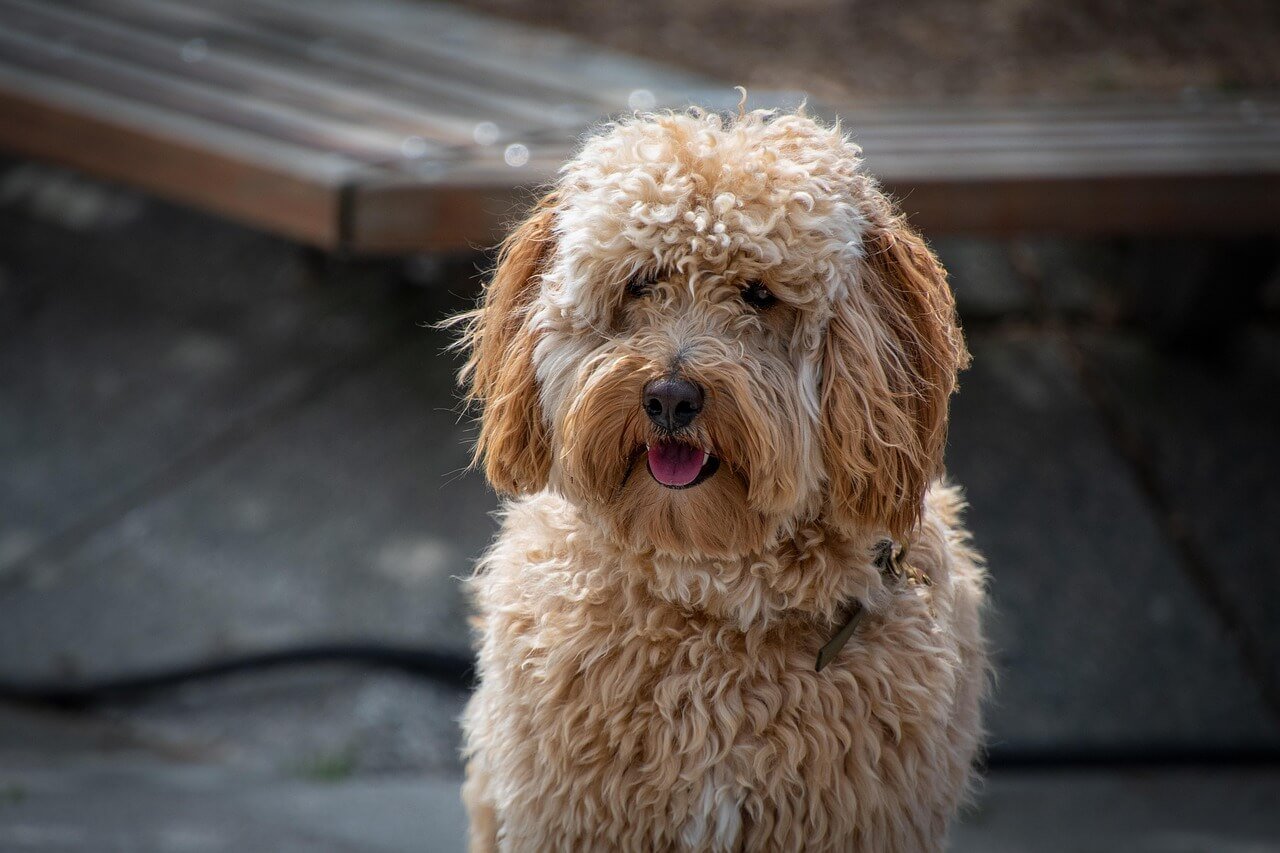


Why Does My Dog Smell Like Fritos? Best 7 Tips!

Why Does My Dog Smell Like Fritos? Best 7 Tips!

Why Does My Dog Smell Like Fritos? Unwrapping the Mystery


Have you ever leaned in to cuddle with your furry best friend and been hit with a whiff of something oddly familiar—like a bag of Fritos corn chips? While it might seem amusing at first, this peculiar smell could actually be a sign of something more significant. Dogs, as much as we adore them, aren’t always the freshest-smelling creatures. However, when that scent starts resembling your favorite snack, it’s worth investigating.

In this blog post, we’ll explore why your dog might smell like Fritos, whether it’s harmless or a cause for concern, and what you can do about it. Let’s dive into the science behind this quirky phenomenon and ensure your pup stays happy, healthy, and maybe even a little less cheesy.

What Causes the Frito Smell? Breaking It Down


The infamous “Frito feet” phenomenon isn’t just a funny quirk—it’s rooted in biology. Your dog’s unique body chemistry plays a big role in why their paws (or other areas) might smell like corn chips. Here are some common reasons behind this distinctive odor:

 
  • Bacteria such as Pseudomonas and Proteus thrive in the moist environment between your dog’s paw pads, producing compounds that emit a Fritos-like smell.

  • Yeast overgrowth, particularly from species like Malassezia , can also contribute to the cheesy aroma.

  • Sweat glands on your dog’s paws release a small amount of moisture, creating an ideal breeding ground for odor-causing microorganisms.

  • Dirt, debris, and allergens trapped in your dog’s fur or paws can mix with natural oils, intensifying the smell.

  • Dietary factors, such as certain foods or supplements, may subtly influence your dog’s body odor.


While the Frito smell is often harmless, it’s important to monitor your dog’s overall health. If the odor becomes overwhelming or is accompanied by other symptoms, it could indicate an underlying issue that needs attention.

Is It Harmless or a Health Concern? Key Indicators


Not all cases of “Frito feet” are cause for alarm, but it’s essential to know when this smell might signal a health problem. Here are some signs to watch for that can help you determine whether the odor is harmless or a red flag:

 
  • Redness or swelling around the paws, which could indicate an infection or irritation.

  • Excessive licking or chewing of the paws, suggesting discomfort or an allergic reaction.

  • Cracked or dry paw pads, which may point to a skin condition or environmental factors.

  • A sudden change in the intensity or type of smell, which could signify a new bacterial or yeast issue.

  • Other symptoms like lethargy, loss of appetite, or unusual behavior, which might indicate a systemic health problem.


If your dog shows any of these warning signs, it’s best to consult your veterinarian. Early detection and treatment can prevent minor issues from becoming major concerns.

Why Does My Dog Smell Like Fritos? Best 7 Tips!
Harmless Causes of Frito Smell
Potential Health Concerns
Natural bacteria on paws
Bacterial or yeast infections
Moisture trapped in paw pads
Allergies causing skin irritation
Diet-related odors
Underlying metabolic disorders
Environmental dirt or debris
Parasites like fleas or mites
Normal sweat gland activity
Hormonal imbalances

How to Prevent and Manage the Frito Smell


Preventing or minimizing the Frito smell involves regular grooming and maintaining good hygiene practices. With a little effort, you can keep your dog smelling fresh and reduce the chances of odor-causing bacteria taking over. Here are some practical tips:

 
  • Wash your dog’s paws regularly with a gentle, pet-safe soap after walks or outdoor playtime.

  • Keep your dog’s nails trimmed to prevent dirt and bacteria from accumulating underneath.

  • Use paw wipes to clean your dog’s paws quickly and easily, especially after muddy adventures.

  • Dry your dog’s paws thoroughly after baths or exposure to water to reduce moisture buildup.

  • Consider adding omega-3 fatty acids to your dog’s diet to promote healthier skin and reduce odors.


By incorporating these habits into your routine, you can help your dog stay clean and comfortable while keeping unpleasant smells at bay.

When to See a Veterinarian: Signs You Shouldn’t Ignore


While occasional “Frito feet” is usually nothing to worry about, there are times when professional veterinary care is necessary. Recognizing these signs early can prevent complications and ensure your dog receives timely treatment. Here’s what to look out for:

 
  • Persistent or worsening odor despite regular cleaning and grooming.

  • Visible sores, cuts, or abrasions on the paws that don’t heal.

  • Behavioral changes, such as increased aggression or withdrawal, which may indicate pain or discomfort.

  • Hair loss or scabbing around the paws, suggesting a skin condition or parasite infestation.

  • Unexplained weight loss or changes in eating habits, which could point to systemic health issues.


If you notice any of these symptoms, schedule an appointment with your vet as soon as possible. They can perform tests and provide targeted treatments to address the root cause of the problem.

Debunking Misconceptions Around Your Dog’s Corn Chip Odor


There are plenty of myths surrounding why dogs might smell like Fritos, and it’s important to separate fact from fiction. Misunderstandings can lead to unnecessary worry or even improper care. Let’s clear up some common misconceptions about this phenomenon:

 
  • Myth: The smell means your dog is unhealthy overall.
    Reality: In many cases, the odor is harmless and simply a result of natural bacteria on the skin.

  • Myth: Washing your dog too often will eliminate the smell completely.
    Overwashing can strip the skin of natural oils, potentially worsening the issue instead of solving it.

  • Myth: Only certain breeds experience the Frito smell.
    Any breed can develop this odor due to similar factors like moisture and bacteria.

  • Myth: The smell is caused by something your dog ate.
    While diet can influence body odor, the Frito smell is usually linked to bacteria or yeast rather than food.

  • Myth: The odor will go away on its own without intervention.
    Without proper hygiene practices, the smell may persist or worsen over time.


Understanding these myths helps you focus on evidence-based solutions rather than falling for common misconceptions. Knowledge is key to keeping your dog fresh and healthy.

Exploring Gentle Solutions for Reducing the Frito Odor


If you’re looking for natural ways to address your dog’s corn chip scent, there are several safe and effective remedies you can try at home. These options are gentle on your dog’s skin while targeting the root causes of the smell. Consider these natural approaches:

 
  • Use apple cider vinegar diluted with water as a paw rinse to balance the skin’s pH and reduce bacteria.

  • Apply coconut oil to your dog’s paws to moisturize dry skin and create an inhospitable environment for yeast.

  • Sprinkle baking soda on your dog’s bedding and let it sit before vacuuming to neutralize odors in their environment.

  • Add probiotics to your dog’s diet to support gut health, which can indirectly improve skin and paw odor.

  • Try herbal infusions like chamomile or calendula as a soothing paw soak to calm irritated skin.


Natural remedies can be a great complement to regular grooming routines, but always consult your vet before introducing new treatments. With consistency, you may notice a significant improvement in your dog’s scent.


Creating a Sustainable Plan to Keep Your Dog Fresh


Establishing a consistent hygiene routine is one of the best ways to manage and prevent the Frito smell in your dog. A proactive approach not only keeps your pup smelling better but also promotes their overall well-being. Here’s how to build an effective hygiene plan:

 
  • Schedule weekly paw washes using a pet-safe cleanser to remove dirt and bacteria buildup.

  • Incorporate daily paw inspections into your routine to catch issues like cuts or swelling early.

  • Brush your dog’s fur regularly to remove debris and distribute natural skin oils evenly.

  • Invest in high-quality grooming tools like a deshedding brush or paw drying towel for convenience.

  • Rotate your dog’s bedding frequently and wash it in hot water to eliminate lingering odors.


A solid hygiene routine doesn’t have to be complicated—it just needs to be consistent. By staying on top of your dog’s cleanliness, you’ll help them stay comfortable, healthy, and ready for all the cuddles they deserve.

Frequently Asked Questions About Why Your Dog Smells Like Fritos

 
Why does my dog’s breath smell like Fritos?

The smell could be due to bacteria in their mouth or gastrointestinal issues. Regular dental care and checkups can help address this.

Yes, certain foods or poor-quality diets can influence body odor. Switching to a high-quality diet might improve the situation.

Not always, but if accompanied by other symptoms like redness or swelling, it could indicate an infection or allergy.

Cleaning your dog’s paws once a week or after outdoor activities is usually sufficient to prevent excessive odor.

No, human soap can irritate your dog’s skin. Always use products specifically formulated for pets.

Wrapping Up: Keeping Your Dog Fresh and Healthy


The “Frito feet” phenomenon might be one of the quirkiest aspects of dog ownership, but it’s also a reminder to pay attention to your pup’s overall health. Whether it’s a harmless result of bacteria or a sign of something more serious, understanding the cause of the smell empowers you to take action. By maintaining proper hygiene, monitoring your dog’s behavior, and seeking veterinary care when needed, you can ensure your four-legged friend stays happy, healthy, and smelling as fresh as possible. After all, every dog deserves to feel their best—and maybe even earn a few extra snuggles along the way!

Dog Seizure Symptoms: Best 7 Expert Tips!

Dog Seizure Symptoms: Best 7 Expert Tips! – Learn to spot signs, respond effectively, and manage seizures in dogs for a healthier, happier life.

Carprofen Dosage for Cats: Best 7 Expert Tips!

Carprofen Dosage for Cats: Best 7 Expert Tips! – Learn safe dosing, risks, and alternatives to manage pain and inflammation in cats effectively.

Africanis Dog Breed: Best 7 Expert Tips!

Africanis Dog Breed: Best 7 Expert Tips! – Explore the resilience, loyalty, and adaptability of this ancient African breed, perfect for diverse lifestyles.

Cruciate Ligament Injury Symptoms in Dogs: Best 7 Tips!

Cruciate Ligament Injury Symptoms in Dogs: Best 7 Tips! – Discover key signs like limping, swelling, and joint instability to ensure prompt treatment.

Leave a Reply

Your email address will not be published. Required fields are marked *

Post Category


